

 Pregledaj u prostoru
 Pošalji
 Podeli
 Detalji o delu

 Преузми
 Slični predmeti
 Rendgenski snimak
 Slajdovi
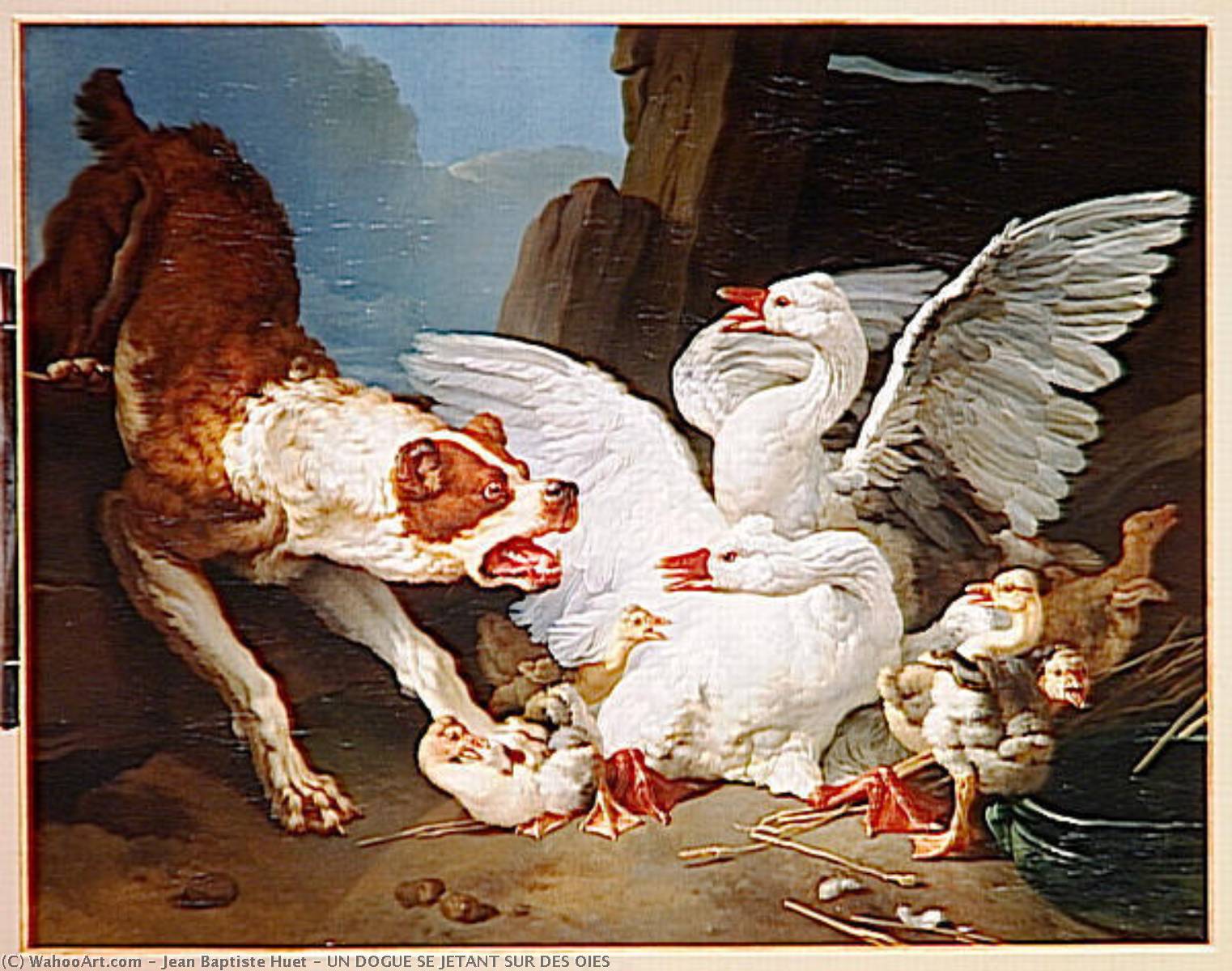
UN DOGUE SE JETANT SUR DES OIES


 Pročitaj više
Giclee štampa / Umetnički otisak
Giclée štampa ili print na platnu muzejskog kvaliteta uz brzu proizvodnju i fleksibilne opcije završne obrade. ( Kupi ručno naslikanu sliku Kupi digitalnu sliku)




P118B $10

P118H $10

P118W $10

P438Z $10

P508JH $12

P508YH $12

P805H $10

P805Z $10

P919BZ $10

P919G $10

P919XJ $10

P959ZH $10

P968JZ $12

W106C $8

W218G $10

W218JH $8

W218Y $10

W307PJ $10

W316G $10

W316PJ $8

W316Y $10

W398PJ $8

W4111J $10

W500HY $15

W500JH $15

W692G $12

W849H $8

W940BG $15

W953PJ $8




Izaberite jednu od naših unapred definisanih veličina koje odgovaraju originalnim proporcijama umetničkog dela.

Možete uneti sopstvene dimenzije kako biste umetničko delo prilagodili specifičnom okviru ili prostoru. Ako odabrani format ne odgovara proporcijama originalne slike, mi ćemo ili iscrtati deo dela ili proširiti sliku pomoću ogledane ivice ili jednobojnog popunjavanja. Digitalni prikaz će vam biti poslat na odobrenje pre početka proizvodnje.
Imajte na umu da pregled na ekranu ne odražava stvarno iscrtavanje ili proširivanje. Samo će prikaz (mockup) precizno pokazati finalnu kompoziciju.
Iako su prilagođene dimenzije dostupne, preporučujemo da odaberete dimenziju sa unapred definisane liste kako biste očuvali originalne proporcije.
Dostava širom sveta () za 2 nedelje umesto uobičajenih 4/5 nedelja. (24 август)

Besplatna ekspresna dostava širom sveta

Visokokvalitetno laneno platno

Kompletno osiguranje transporta

Garancija povraćaja carine i uvoznih dažbina

Garancija vernosti boja

Politika povrata u roku od 60 dana (samo u slučaju nedostataka)

Garancija povrata novca od 100%

Popust pri grupnoj kupovini
 Opcija sa staklom dostupna je samo za dimenzije manje od 110 cm

UN DOGUE SE JETANT SUR DES OIES
Giclee štampa / Umetnički otisak
Dimenzije reprodukcije
-


Konačna cena
$ 62
Opis predmeta
A Moment Frozen in Motion
In the heart of Jean-Baptiste Huet’s Un Dogue se jetant sur des oies, there exists a breathtaking tension that transcends the mere depiction of animals. The scene captures a singular, pulse-pounding instant: a powerful dog mid-leap, lunging toward a startled flock of geese. It is a masterclass in kinetic energy, where the stillness of the 18th-century French countryside is shattered by the raw instinct of the hunt. As a viewer, one cannot help but feel the sudden rush of air and the frantic beating of wings. The composition is expertly anchored by a triangular arrangement that directs the eye from the muscular tension of the hound to the explosive white movement of the geese, creating a visual rhythm that feels both spontaneous and meticulously orchestrated.
The artistry lies in Huet’s profound ability to render texture with such fidelity that the canvas seems to breathe. One can almost feel the coarse, rugged fur of the dog contrasting against the ethereal, soft down of the geese's plumage. Through a sophisticated use of light and shadow, the artist breathes dimension into every feather and sinew. The palette is a warm, inviting symphony of earth tones—rich ochres, deep browns, and muted tans—which grounds the scene in a naturalistic reality. This warmth is brilliantly punctuated by the bright, stark white of the geese, accented by the subtle crimson of their beaks, providing a focal point that commands attention amidst the soft, atmospheric blue-green landscape receding into the distance.
The Elegance of the Hunt
Beyond its surface vitality, this work serves as a window into the aesthetic sensibilities of the late 18th century. Jean-Baptiste Huet, a master often celebrated for his delicate wallpapers, brings a unique painterly grace to this more vigorous subject matter. While the theme of predator and prey touches upon the primal cycle of nature, it is executed with a refined, pastoral elegance characteristic of the French school. There is no gore here, only the poetic pursuit; the symbolism speaks to the untamed instincts that exist even within a structured, civilized world. It is a celebration of life in its most active state.
For the discerning collector or interior designer, this piece offers more than just visual interest; it provides a sophisticated focal point capable of anchoring a room with character and historical depth. Whether placed in a sunlit library or a contemporary dining space, the painting’s balanced composition and organic shapes harmonize beautifully with both classical and modern decor. A high-quality reproduction of this masterpiece allows one to invite the timeless spirit of French pastoral life into their home, offering a daily encounter with the sublime beauty of movement, light, and the natural order.
Srodna umetnička dela
Biografija umetnika
Jean-Baptiste Huet: A Parisian Master of Pastoral Elegance
Jean-Baptiste Huet (1745 – 1811), a name perhaps less familiar than those of his Rococo contemporaries, stands as a significant figure in 18th-century French art. Born into an artistic lineage—his uncle, Christophe Huet, was a renowned printmaker—Huet’s journey from apprentice to independent artist is a compelling tale of self-made success within the complex world of the *ancien régime*. His legacy isn't defined by grand historical narratives but rather by a quiet elegance and profound understanding of light, texture, and the subtle beauty of the natural world, particularly as reflected in his captivating wallpapers and paintings.Early Life and Apprenticeship: A Foundation in Art
Jean-Baptiste Marie Huet’s early life was steeped in artistic tradition. His father, Nicolas Huet, also worked as a painter, and his uncle, Christophe Huet, held a prominent position as a printmaker for the royal family. This familial connection provided him with an invaluable foundation, beginning his training under Charles Dagomer, a skilled animal painter associated with the Académie de Saint-Luc in Paris. Dagomer’s influence is evident in Huet's early works, particularly his depictions of animals – a subject he would master and become synonymous with. Crucially, Huet also apprenticed with Jean-Baptiste Le Prince, a former student of François Boucher, one of the most influential artists of the Rococo period. This mentorship exposed him to the refined techniques and aesthetic sensibilities that shaped his artistic development. The early exposure to these masters instilled in him an appreciation for detail, composition, and the delicate balance between observation and imagination.From Wallpaper Design to Artistic Recognition
Huet’s career trajectory is particularly noteworthy due to its evolution from wallpaper design to independent painting. Initially, he gained recognition as a designer of scenic vignettes for printed cotton wallpapers at the *manufacture de Jouy*, a prestigious workshop overseen by Christophe-Philippe Oberkampf. This commission provided him with an opportunity to hone his skills in composition and color, translating his artistic vision onto a large scale. However, Huet’s ambition extended beyond decorative arts; he sought recognition as a painter in his own right. He was admitted to the Académie Royale de Peinture et de Sculpture in 1769, a significant achievement that validated his artistic talent. His early Salon exhibitions showcased a growing confidence and a distinctive style characterized by a serene elegance and an intimate understanding of animal behavior.A Master of Pastoral Scenes and Animal Studies
Huet’s paintings are primarily known for their idyllic pastoral scenes, populated with graceful animals in harmonious settings. He eschewed the dramatic grandeur favored by some of his contemporaries, instead opting for a more subtle and intimate portrayal of rural life. His compositions are often bathed in soft, diffused light, creating a sense of tranquility and serenity. His depictions of animals—dogs, sheep, goats, birds—are remarkably lifelike, capturing their individual personalities and behaviors with remarkable accuracy. He wasn’t simply illustrating animals; he was conveying a deep appreciation for their beauty and their place within the natural world. The influence of Boucher is palpable in his use of color and composition, but Huet developed a unique style that combined classical elegance with a distinctly French sensibility.Beyond the Salon: Tapestries and Legacy
Huet’s artistic output extended beyond paintings and wallpapers. He played a crucial role in the production of tapestries for the Gobelins manufactory, designing elaborate cartoons depicting pastoral scenes and mythological subjects. These tapestries, commissioned by the French monarchy, further solidified his reputation as a versatile artist with a keen eye for detail and an understanding of decorative arts. Following the French Revolution, Huet continued to work, adapting to the changing artistic landscape. His later works often featured portraits and landscapes, reflecting the evolving tastes of the time. Jean-Baptiste Huet’s legacy endures not only through his surviving paintings and wallpapers but also as a testament to the power of self-determination in the world of art—a Parisian master who carved out a successful career through talent, dedication, and an unwavering commitment to his artistic vision. His work remains a beautiful example of Rococo elegance and a poignant reflection on the changing social and political landscape of 18th-century France.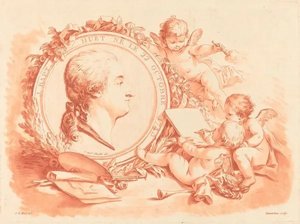
jean baptiste huet
1745 - 1811 , France
Osnovne informacije
- Artistic Movement Or Style: Rococo, Pastoral Painting
- Artists Or Movements Influenced By This Artist: ['Jean-Baptiste Le Prince']
- Artists Who Influenced This Artist:
- François Boucher
- Charles Dagomer
- Date Of Birth: 1745, Paris, France
- Date Of Death: 1811, Paris, France
- Full Name: Jean-Baptiste Huet I
- Nationality: French
- Notable Artworks:
- The Broken Eggs
- A Pride Of Lions
- PAYSAGE AVEC OISEAUX
- Place Of Birth: Paris, France
Povezani članci
Paul Huet: Capturing the Essence of French Romanticism Through Light and Landscape
Explore the captivating world of Paul Huet (1803-1869), a master of French Romantic landscape painting. Discover his influence on Barbizon & Impressionism, and browse high-quality reproductions at ArtsDot.
Jean-Baptiste Pater: Rococo Charm & Ephemeral Beauty of 18th-Century France
Explore the captivating world of Jean-Baptiste Pater, a master of Rococo painting. Discover his elegant *fête galante* scenes and shimmering portraits – a glimpse into 18th-century French aristocracy. Learn about his legacy & find high-quality reproductions.
Jean-Baptiste Carpeaux: Sculpting Passion & Controversy in 19th-Century France
Explore the passionate life & controversial works of Jean-Baptiste Carpeaux, a leading French sculptor of the Second Empire. Discover his realism, iconic sculptures like 'Ugolino,' and lasting legacy as a precursor to Rodin.
Jean-Baptiste-Siméon Chardin: Master of Still Life & Everyday Elegance
Explore the serene world of Jean-Baptiste-Siméon Chardin, master of still life & genre painting. Discover his revolutionary techniques, enduring legacy, and timeless depictions of everyday elegance. Learn more at ArtsDot.
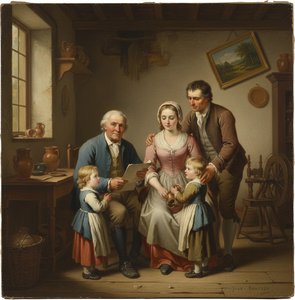
Jean-Baptiste Greuze: Morality, Sentiment & the Rise of Genre Painting
Explore the life & art of Jean-Baptiste Greuze, a pivotal French Rococo painter renowned for his emotionally resonant genre scenes and moral lessons. Discover his legacy & impact on 18th-century art history.

