

 Pošalji
 Podeli
 Detalji o delu

 Преузми
 Slični predmeti
 Slajdovi
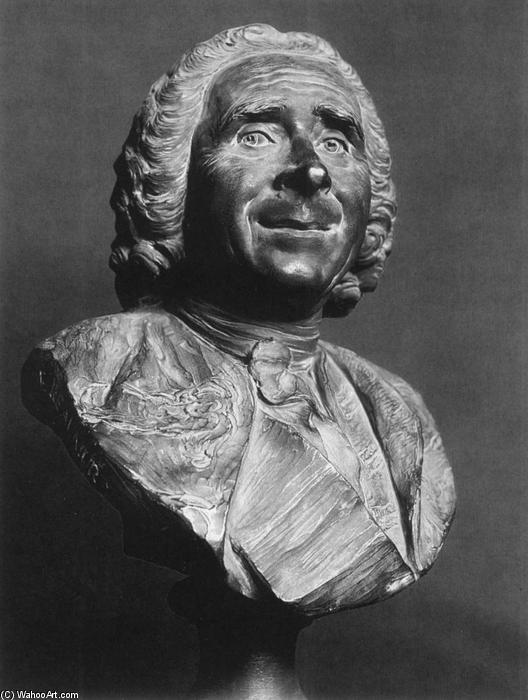
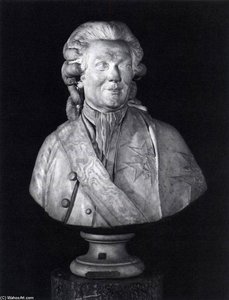
Bust of Réaumur


 Pročitaj više
Ručno rađena uljana reprodukcija
Ručno oslikano uljanim bojama na platnu u dimenzijama i okviru po vašem izboru, izrađeno po porudžbini od strane naših umetnika. ( Kupi print Kupi digitalnu sliku)




































Izaberite jednu od naših unapred definisanih veličina koje odgovaraju originalnim proporcijama umetničkog dela.

Можете унети сопствене димензије како бисте прилагодили дело одређеном оквиру или простору. Ако одабрана величина не одговара пропорцијама оригинала, слика ће бити исечена или проширена додатним елементима који се ручно насликавају. Дигитални prikaz ће вам бити послат на одобрење пре почетка производње.
Имајте на уму да преглед на екрану не одражава стварно исецање или проширење. Само приказ (mockup) ће тачно приказати коначну композицију.
Иако су доступне прилагођене величине, препоручујемо да одаберете димензију из дефинисане листе како бисте сачували оригиналне пропорције.
Nakon narudžbine, tim ArtsDot.com će klijentu putem e-pošte poslati uputstva i dostaviti prikaz predloženog rešenja
Isporuka širom sveta () za 3/4 nedelje umesto uobičajenih 5 nedelja. (28 август). Bez kompromisa po pitanju kvaliteta.

Besplatna ekspresna dostava širom sveta

Visokokvalitetno laneno platno

Kompletno osiguranje transporta

Garancija povraćaja carine i uvoznih dažbina

Garancija vernosti boja

Politika povrata u roku od 60 dana (samo u slučaju nedostataka)

Garancija povrata novca od 100%

Popust pri grupnoj kupovini
 Opcija sa staklom dostupna je samo za dimenzije manje od 110 cm

Bust of Réaumur
Tehnika reprodukcije
Dimenzije reprodukcije
-


Konačna cena
$ 263
The Enduring Gaze of Enlightenment
To stand before the Bust of Réaumur is to encounter a moment suspended in time—a portrait not merely of a man, but of an intellect at the height of the Age of Enlightenment. Jean Baptiste II Lemoyne masterfully captures the essence of 18th-century Parisian refinement. The subject, with his slightly knowing smile and direct yet gentle gaze, seems to engage the viewer across the centuries. This sculpture transcends simple likeness; it is a meditation on human character, rendered in the cool permanence of sculpted material.
Mastery in Form and Texture
Lemoyne’s technical brilliance is immediately apparent upon viewing the piece. The sculptor has achieved a breathtaking contrast between textures: the imagined softness of the skin against the intricate, voluminous cascade of the wig, and the crisp folds suggested in the drapery. The interplay of light and shadow, so expertly managed by the original artist, gives the bust an almost living dimensionality. One can trace the subtle contours of the jawline, the thoughtful set of the brow, all defined by a sophisticated understanding of volume. This attention to detail speaks volumes about Lemoyne’s foundational training, honed perhaps first in the precise arts of engraving.
Historical Echoes and Neoclassical Grace
Dating to 1751, this work sits squarely within the vibrant currents of Neoclassicism. While the style embraces classical ideals of idealized portraiture, Lemoyne infuses it with a distinctly personal warmth that prevents it from feeling purely academic. The bust serves as a tangible link to the intellectual ferment of pre-Revolutionary France—a period obsessed with reason, knowledge, and the cultivation of self. Owning or displaying a reproduction of this piece is not just an aesthetic choice; it is an embrace of that sophisticated cultural moment.
A Study in Monochrome Emotion
The monochromatic nature of the original presentation heightens its emotional resonance. Stripped of distracting color, the sculpture forces the viewer to confront pure form, line, and shadow. The deep blacks against the luminous whites create a dramatic chiaroscuro effect that draws the eye inward, compelling contemplation. For the collector or designer, this piece offers unparalleled versatility; it acts as a profound focal point in any interior space, lending an air of cultivated history and quiet dignity, regardless of surrounding décor.
Srodna umetnička dela
Biografija umetnika
Jean-Baptiste Lemoyne II: Life and Legacy
Early Life and Training
Jean-Baptiste Lemoyne II (1704 – 1778) was a celebrated French sculptor, primarily known for his expressive portrait busts and statues. Born in Paris, France, he initially pursued a career as an engraver, studying with Laurent Cars and working for the printseller Gabriel Huquier. This early experience provided him with foundational skills that would later inform his sculptural practice.
Artistic Development and Influences
Lemoyne began creating portraits in both oil and, increasingly, pastel during the 1740s. His career developed somewhat in the shadow of Maurice Quentin de la Tour, considered the master of French pastel portraiture. A notable event illustrating this dynamic occurred at the Salon of 1750, where Lemoyne exhibited a pastel portrait *of* La Tour, only to find La Tour exhibiting his own self-portrait – perhaps a deliberate demonstration of artistic superiority.
- Early Influences: Laurent Cars (engraving), Gabriel Huquier (printselling).
- Key Influence: Maurice Quentin de la Tour (pastel portraiture).
Academic Recognition and Major Works
Lemoyne made his Salon debut with a pastel portrait in 1746 and achieved full membership in the Académie Royale de Peinture et de Sculpture in 1753. His acceptance was secured through portraits of fellow artist Jean-Baptiste Oudry and sculptor Lambert-Sigisbert Adam, both now housed at the Louvre Museum.
- Notable Sculptures:
- Portrait bust of Robbé de Beauveset (1765)
- Hygie, déesse de la santé
- Mademoiselle Dangeville as Thalia (1771)
- Bust of Mademoiselle Clairon (1761)
- Louis XV
Style and Artistic Characteristics
Lemoyne’s work is characterized by a remarkable ability to capture the personality and likeness of his sitters. His portrait busts, in particular, are noted for their realism, theatricality, and attention to detail. He skillfully blended elements of Baroque drama with the emerging Neoclassical aesthetic, creating sculptures that were both emotionally engaging and technically refined.
Travels and Later Life
After 1779, Lemoyne ceased exhibiting at the Paris Salons but continued to receive commissions. His clientele reveals extensive travel throughout France – including Orléans, Toulouse, Bordeaux, and Lyon – and potentially even further afield, with possible visits to Turin, Rome, Spain, Hamburg, Poland, Russia, and England.
He died in Amsterdam in 1778, largely unknown according to some biographical accounts. Despite this relative obscurity at the end of his life, Lemoyne’s contributions to French sculpture remain significant.
Historical Significance
Jean-Baptiste Lemoyne II occupies an important position in the transition from the Rococo to Neoclassical styles. His portrait busts provide valuable insights into 18th-century French society and artistic tastes, and his technical skill continues to be admired by scholars and art enthusiasts alike. He represents a pivotal figure in the development of sculptural portraiture during a period of significant cultural change.
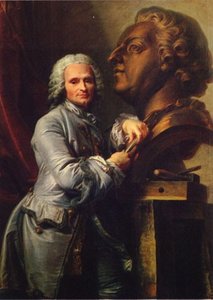
jean baptiste ii lemoyne
1704 - 1778 , France
Osnovne informacije
- Birth Date: 1704
- Birth Place: Paris, France
- Death Date: 1778
- Influenced By: Maurice Quentin de la Tour
- Movement:
- Baroque
- Rococo
- Neoclassical
- Name: Jean-Baptiste Lemoyne II
- Nationality: French
- Notable Works:
- Portrait bust of Robbé de Beauveset
- Hygie, déesse de la santé
- Mademoiselle Dangeville as Thalia
- Bust of Mademoiselle Clairon
- Louis XV
Povezani članci

Bronze Age to Modern Masters: 10 Sculptures That Redefined Art | ArtsDot
Journey through art history with 10 legendary bronze sculptures – from Michelangelo's David to Rodin’s Thinker. Explore the stories, techniques & timeless beauty of these masterpieces. Find museum-quality reproductions & elevate your home decor on ArtsDot.com.

Bronze Sculptures That Defined Art History | ArtsDot
Journey through art history with our Top 10 bronze sculptures! Explore masterpieces by Rodin, Michelangelo & more. Discover stories behind iconic statues and find museum-quality reproductions for your home decor at ArtsDot.com.

The Enduring Legacy of Bronze: A Historical & Artistic Exploration for the Collector
Explore the rich history & enduring appeal of bronze sculpture with expert insights for collectors at ArtsDot. Learn about casting techniques, iconic artists, collecting tips & contemporary interpretations.
The Enduring Legacy of Bronze: History, Technique & Artistic Expression for the Collector
Explore the rich history & enduring appeal of bronze sculpture with expert insights for collectors at ArtsDot. Learn about casting techniques, iconic artists, and collecting tips.
The Enduring Legacy of Bronze Sculpture: A Collector's Guide to Form & Cultural Significance
Explore the rich history & enduring appeal of bronze sculpture with expert insights for collectors at ArtsDot. Learn about casting techniques, iconic artists, and collecting tips to build a discerning art collection.

