

 Pregledaj u prostoru
 Pošalji
 Podeli
 Detalji o delu

 Преузми
 Slični predmeti
 Rendgenski snimak
 Slajdovi
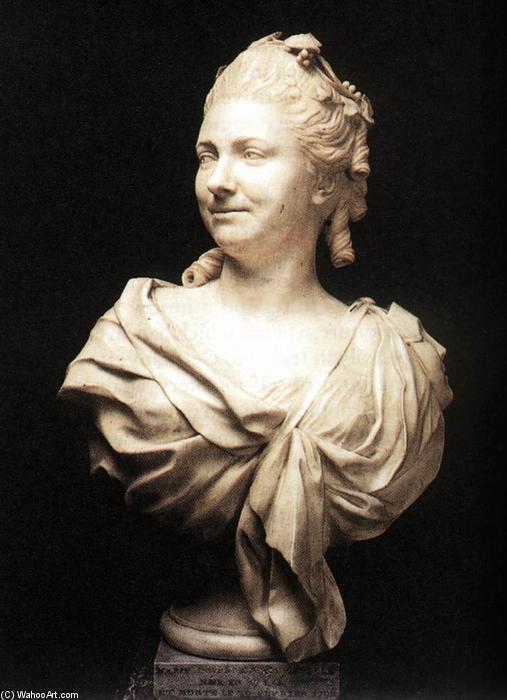
Mademoiselle Dangeville as Thalia


 Pročitaj više
Giclee štampa / Umetnički otisak
Giclée štampa ili print na platnu muzejskog kvaliteta uz brzu proizvodnju i fleksibilne opcije završne obrade. ( Kupi ručno naslikanu sliku Kupi digitalnu sliku)




P118B $10

P118H $10

P118W $10

P438Z $10

P508JH $12

P508YH $12

P805H $10

P805Z $10

P919BZ $10

P919G $10

P919XJ $10

P959ZH $10

P968JZ $12

W106C $8

W218G $10

W218JH $8

W218Y $10

W307PJ $10

W316G $10

W316PJ $8

W316Y $10

W398PJ $8

W4111J $10

W500HY $15

W500JH $15

W692G $12

W849H $8

W940BG $15

W953PJ $8




Izaberite jednu od naših unapred definisanih veličina koje odgovaraju originalnim proporcijama umetničkog dela.

Možete uneti sopstvene dimenzije kako biste umetničko delo prilagodili specifičnom okviru ili prostoru. Ako odabrani format ne odgovara proporcijama originalne slike, mi ćemo ili iscrtati deo dela ili proširiti sliku pomoću ogledane ivice ili jednobojnog popunjavanja. Digitalni prikaz će vam biti poslat na odobrenje pre početka proizvodnje.
Imajte na umu da pregled na ekranu ne odražava stvarno iscrtavanje ili proširivanje. Samo će prikaz (mockup) precizno pokazati finalnu kompoziciju.
Iako su prilagođene dimenzije dostupne, preporučujemo da odaberete dimenziju sa unapred definisane liste kako biste očuvali originalne proporcije.
Dostava širom sveta () za 2 nedelje umesto uobičajenih 4/5 nedelja. (29 август)

Besplatna ekspresna dostava širom sveta

Visokokvalitetno laneno platno

Kompletno osiguranje transporta

Garancija povraćaja carine i uvoznih dažbina

Garancija vernosti boja

Politika povrata u roku od 60 dana (samo u slučaju nedostataka)

Garancija povrata novca od 100%

Popust pri grupnoj kupovini
 Opcija sa staklom dostupna je samo za dimenzije manje od 110 cm

Mademoiselle Dangeville as Thalia
Giclee štampa / Umetnički otisak
Dimenzije reprodukcije
-


Konačna cena
$ 62
A Vision of Neoclassical Grace: Mademoiselle Dangeville as Thalia
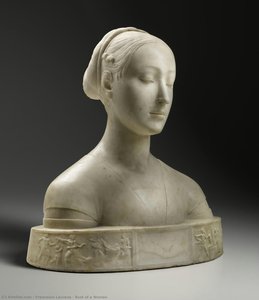
Jean-Baptiste Lemoyne II’s "Mademoiselle Dangeville as Thalia," sculpted in 1771, is a captivating marble bust that embodies the elegance and intellectual spirit of the late Rococo and early Neoclassical periods. This exquisite work depicts Mademoiselle Dangeville, a celebrated salonnière and musician of her time, transformed into Thalia, the Greek muse of comedy and pastoral poetry. The sculpture transcends a mere portrait; it’s an allegorical representation of artistic inspiration and refined taste, reflecting the cultural values prized by the French aristocracy during the reign of Louis XV. The dark background in the photograph dramatically highlights the luminous quality of the marble, emphasizing Lemoyne's mastery of light and shadow to define form and create a sense of depth.Style & Technique: A Synthesis of Baroque Legacy and Neoclassical Ideals
Lemoyne’s artistic journey is fascinating, bridging the late Baroque with the emerging Neoclassical style. While influenced by the dramatic flair of his predecessors, this bust demonstrates a shift towards greater clarity, restraint, and an idealized representation of beauty – hallmarks of the Neoclassical movement. The meticulous carving reveals Lemoyne's exceptional technical skill. Note the delicate rendering of Mademoiselle Dangeville’s hair, meticulously arranged in an elaborate updo adorned with floral elements, and the graceful drape of the garment that subtly clings to her form. The smooth, polished surface of the marble contrasts beautifully with the folds of fabric, demonstrating Lemoyne's ability to capture both texture and movement within a static medium. His earlier experience as an engraver undoubtedly contributed to his precision and attention to detail in this sculptural work.Historical Context & The Salon Culture
The creation of "Mademoiselle Dangeville as Thalia" is deeply rooted in the vibrant Parisian salon culture of the 18th century. Salons were intellectual hubs where artists, writers, and aristocrats gathered to discuss ideas, showcase art, and enjoy musical performances. Mademoiselle Dangeville herself was a prominent figure within this circle, known for her musical talent and patronage of the arts. Commissioning a portrait as Thalia would have been a statement of her cultural standing and appreciation for classical learning. The choice of Thalia, the muse of comedy, suggests an admiration for wit, intelligence, and artistic expression – qualities highly valued in these sophisticated social settings. The work’s creation coincides with a period where artists like Lemoyne were navigating the transition from the ornate Rococo style to the more austere and rational Neoclassical aesthetic, reflecting broader shifts in European taste.Symbolism & Emotional Impact
Beyond its technical brilliance, the bust carries significant symbolic weight. The transformation of Mademoiselle Dangeville into Thalia elevates her from a mere individual to an embodiment of artistic inspiration and intellectual pursuit. Her serene expression and slightly averted gaze convey a sense of quiet contemplation and inner strength. The classical drapery and hairstyle further reinforce the connection to ancient Greek ideals of beauty and virtue. The overall effect is one of dignified grace, intelligence, and refined sensibility – qualities that continue to resonate with viewers today. Owning a reproduction of this piece allows you to bring a touch of 18th-century Parisian elegance and intellectual depth into your space.Srodna umetnička dela

Biografija umetnika
Jean-Baptiste Lemoyne II: Life and Legacy
Early Life and Training
Jean-Baptiste Lemoyne II (1704 – 1778) was a celebrated French sculptor, primarily known for his expressive portrait busts and statues. Born in Paris, France, he initially pursued a career as an engraver, studying with Laurent Cars and working for the printseller Gabriel Huquier. This early experience provided him with foundational skills that would later inform his sculptural practice.
Artistic Development and Influences
Lemoyne began creating portraits in both oil and, increasingly, pastel during the 1740s. His career developed somewhat in the shadow of Maurice Quentin de la Tour, considered the master of French pastel portraiture. A notable event illustrating this dynamic occurred at the Salon of 1750, where Lemoyne exhibited a pastel portrait *of* La Tour, only to find La Tour exhibiting his own self-portrait – perhaps a deliberate demonstration of artistic superiority.
- Early Influences: Laurent Cars (engraving), Gabriel Huquier (printselling).
- Key Influence: Maurice Quentin de la Tour (pastel portraiture).
Academic Recognition and Major Works
Lemoyne made his Salon debut with a pastel portrait in 1746 and achieved full membership in the Académie Royale de Peinture et de Sculpture in 1753. His acceptance was secured through portraits of fellow artist Jean-Baptiste Oudry and sculptor Lambert-Sigisbert Adam, both now housed at the Louvre Museum.
- Notable Sculptures:
- Portrait bust of Robbé de Beauveset (1765)
- Hygie, déesse de la santé
- Mademoiselle Dangeville as Thalia (1771)
- Bust of Mademoiselle Clairon (1761)
- Louis XV
Style and Artistic Characteristics
Lemoyne’s work is characterized by a remarkable ability to capture the personality and likeness of his sitters. His portrait busts, in particular, are noted for their realism, theatricality, and attention to detail. He skillfully blended elements of Baroque drama with the emerging Neoclassical aesthetic, creating sculptures that were both emotionally engaging and technically refined.
Travels and Later Life
After 1779, Lemoyne ceased exhibiting at the Paris Salons but continued to receive commissions. His clientele reveals extensive travel throughout France – including Orléans, Toulouse, Bordeaux, and Lyon – and potentially even further afield, with possible visits to Turin, Rome, Spain, Hamburg, Poland, Russia, and England.
He died in Amsterdam in 1778, largely unknown according to some biographical accounts. Despite this relative obscurity at the end of his life, Lemoyne’s contributions to French sculpture remain significant.
Historical Significance
Jean-Baptiste Lemoyne II occupies an important position in the transition from the Rococo to Neoclassical styles. His portrait busts provide valuable insights into 18th-century French society and artistic tastes, and his technical skill continues to be admired by scholars and art enthusiasts alike. He represents a pivotal figure in the development of sculptural portraiture during a period of significant cultural change.
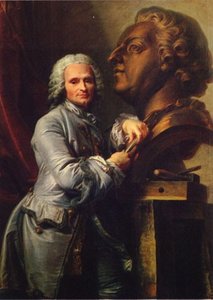
jean baptiste ii lemoyne
1704 - 1778 , France
Osnovne informacije
- Birth Date: 1704
- Birth Place: Paris, France
- Death Date: 1778
- Influenced By: Maurice Quentin de la Tour
- Movement:
- Baroque
- Rococo
- Neoclassical
- Name: Jean-Baptiste Lemoyne II
- Nationality: French
- Notable Works:
- Portrait bust of Robbé de Beauveset
- Hygie, déesse de la santé
- Mademoiselle Dangeville as Thalia
- Bust of Mademoiselle Clairon
- Louis XV
Povezani članci
The Enduring Allure of Marble in Art History: From Classical Sculpture to Modern Abstraction
Explore the captivating history of marble sculpture from ancient Greece to modern art. Discover renowned artists like Canova & Michelangelo, carving techniques, and investment insights at ArtsDot.

Bronze Sculptures That Defined Art History | ArtsDot
Journey through art history with our Top 10 bronze sculptures! Explore masterpieces by Rodin, Michelangelo & more. Discover stories behind iconic statues and find museum-quality reproductions for your home decor at ArtsDot.com.

The Enduring Form: Exploring Themes & Techniques in Sculpture Across Historical Periods
Explore the rich history of sculpture from ancient masterpieces to contemporary innovations. Discover key techniques, influential artists & investment potential for discerning art collectors.

The Enduring Form: Sculpture Across History, Technique & Emotional Resonance
Explore the rich history of sculpture with ArtsDot. Discover key techniques, influential artists & investment potential for discerning collectors. Expert insights into valuing and collecting timeless masterpieces.
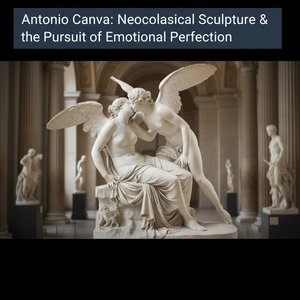
Antonio Canova: Neoclassical Sculpture & the Pursuit of Emotional Perfection
Explore the life & art of Antonio Canova, the greatest Neoclassical sculptor. Discover his masterpieces, innovative techniques, and lasting influence on fine art collecting. Expert insights for discerning investors.

