

 Pregledaj u prostoru
 Pošalji
 Podeli
 Detalji o delu

 Преузми
 Slični predmeti
 Rendgenski snimak
 Slajdovi
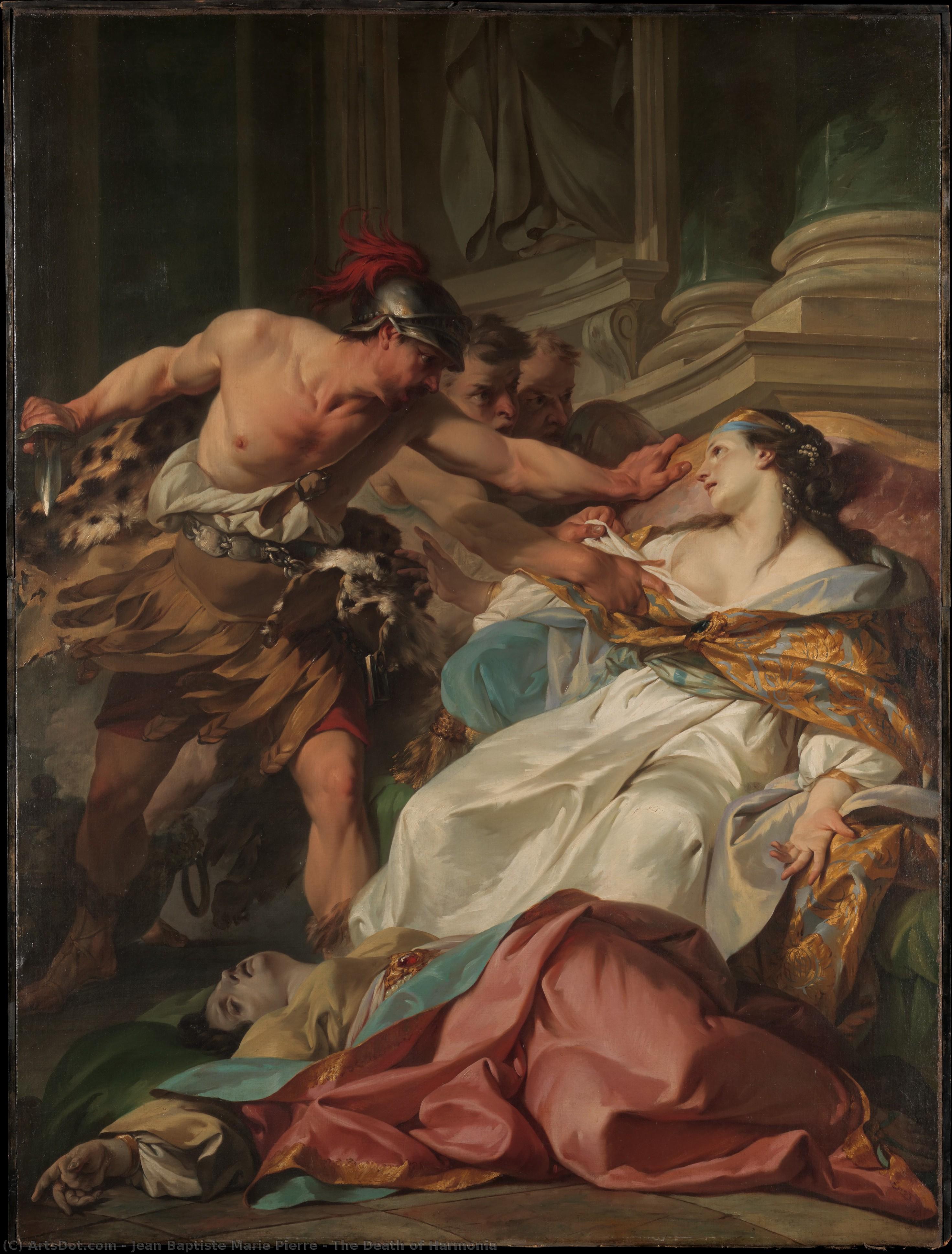
The Death of Harmonia
 Baroque
 1740
1740 197.0 x 148.0 cm
 Metropolitan Museum of Art
 Pročitaj više
Ručno rađena uljana reprodukcija
Ručno oslikano uljanim bojama na platnu u dimenzijama i okviru po vašem izboru, izrađeno po porudžbini od strane naših umetnika. ( Kupi print Kupi digitalnu sliku)




P118B $10

P118H $10

P118W $10

P438Z $10

P508JH $12

P508YH $12

P805H $10

P805Z $10

P919BZ $10

P919G $10

P919XJ $10

P959ZH $10

P968JZ $12

W106C $8

W218G $10

W218JH $8

W218Y $10

W307PJ $10

W316G $10

W316PJ $8

W316Y $10

W398PJ $8

W4111J $10

W500HY $15

W500JH $15

W692G $12

W849H $8

W940BG $15

W953PJ $8




Izaberite jednu od naših unapred definisanih veličina koje odgovaraju originalnim proporcijama umetničkog dela.

Можете унети сопствене димензије како бисте прилагодили дело одређеном оквиру или простору. Ако одабрана величина не одговара пропорцијама оригинала, слика ће бити исечена или проширена додатним елементима који се ручно насликавају. Дигитални prikaz ће вам бити послат на одобрење пре почетка производње.
Имајте на уму да преглед на екрану не одражава стварно исецање или проширење. Само приказ (mockup) ће тачно приказати коначну композицију.
Иако су доступне прилагођене величине, препоручујемо да одаберете димензију из дефинисане листе како бисте сачували оригиналне пропорције.
Nakon narudžbine, tim ArtsDot.com će klijentu putem e-pošte poslati uputstva i dostaviti prikaz predloženog rešenja
Isporuka širom sveta () za 3/4 nedelje umesto uobičajenih 5 nedelja. (27 август). Bez kompromisa po pitanju kvaliteta.

Besplatna ekspresna dostava širom sveta

Visokokvalitetno laneno platno

Kompletno osiguranje transporta

Garancija povraćaja carine i uvoznih dažbina

Garancija vernosti boja

Politika povrata u roku od 60 dana (samo u slučaju nedostataka)

Garancija povrata novca od 100%

Popust pri grupnoj kupovini
 Opcija sa staklom dostupna je samo za dimenzije manje od 110 cm

The Death of Harmonia
Tehnika reprodukcije
Dimenzije reprodukcije
-


Konačna cena
$ 363
Opis umetničkog dela
A Dramatic Echo of Ancient Tragedy: Jean-Baptiste Pierre’s “The Death of Harmonia”
Jean-Baptiste Marie Pierre's "The Death of Harmonia," painted around 1740-42, is more than just a depiction of a historical event; it’s a visceral exploration of betrayal, sacrifice, and the haunting consequences of ambition. Emerging from the vibrant Rococo period, yet firmly rooted in Baroque theatricality, this oil on canvas work transports the viewer to a scene of profound sorrow and unsettling beauty. The painting's subject—a retelling of the ancient Greek tale of Harmonia, daughter of Syracuse’s King Gelon II—was relatively obscure during Pierre’s time, mirroring its obscurity for us today, yet it provided him with a compelling narrative framework to showcase his mastery of dramatic composition and emotional intensity.
Pierre's artistic choices immediately establish the painting’s powerful atmosphere. The scene unfolds within a lavishly appointed chamber, hinting at the fallen royalty and the opulence that has ultimately led to destruction. A draped wall, partially visible through a window, suggests both confinement and a glimpse of the outside world—a stark contrast to the enclosed drama unfolding below. The figures are arranged in a tightly packed composition, dominated by strong diagonals that propel the eye relentlessly across the scene, mirroring the chaotic nature of the events depicted. This deliberate arrangement creates a sense of urgency and claustrophobia, drawing us into the heart of the tragedy.
A Baroque Masterpiece: Composition and Technique
Pierre’s technical skill is evident in every brushstroke. He expertly employs chiaroscuro—the dramatic contrast between light and dark—to sculpt the muscular forms of the male figures surrounding Harmonia, imbuing them with a sense of power and menace. The rich reds, browns, and golds that dominate the palette – particularly in the luxurious bedding and the men’s attire – speak to the decadence and moral decay at play. However, these opulent colors are tempered by cooler blues and whites used for Harmonia's clothing, highlighting her vulnerability and impending doom. Lines are strategically utilized to define both the figures’ bodies and the architectural details of the room, creating a remarkable sense of volume and depth.
The artist’s layering technique is particularly noteworthy. He builds up the paint in multiple thin layers, resulting in textures that range from smooth on the men's skin to rougher on the floor and surrounding walls – a subtle yet effective means of conveying the materiality of the scene and adding to its overall realism. Furthermore, Pierre demonstrates an acute understanding of perspective, creating a flattened effect characteristic of Baroque painting while still striving for depth through foreshortening and atmospheric effects, subtly guiding our gaze through the complex arrangement.
Symbolism and Historical Context
“The Death of Harmonia” is deeply rooted in classical mythology. The story itself—a tale of mistaken identity, tragic sacrifice, and the devastating consequences of political intrigue—resonates with themes of justice, betrayal, and the corrupting influence of power. Many scholars believe the painting alludes to Lucretia, a Roman noblewoman who committed suicide to expose her brother’s attempted rape, thereby sparking a revolution. The scene's arrangement mirrors elements of this mythic narrative, reinforcing its symbolic weight.
Painted during the Rococo period, Pierre’s work reflects both the era’s exuberance and its underlying anxieties. While Rococo is often associated with frivolity and ornamentation, it also embraced dramatic narratives and emotional intensity—qualities powerfully evident in “The Death of Harmonia.” The painting's presentation a decade after its execution was likely prompted by the publication of Charles Nicolas Cochin’s engraving of it in 1751, demonstrating the significant impact of visual art on public discourse at the time.
Emotional Resonance and Lasting Impact
Ultimately, “The Death of Harmonia” is a profoundly moving work that transcends its historical subject matter. The painting’s depiction of violence, betrayal, and despair evokes a powerful emotional response in the viewer—a sense of unease, sorrow, and perhaps even a chilling recognition of humanity's capacity for both cruelty and sacrifice. It stands as a testament to Pierre’s artistic skill and his ability to capture not just a historical event but also the complex emotions that lie beneath its surface. Reproductions of this dramatic masterpiece continue to captivate audiences today, offering a glimpse into a world of ancient tragedy and Baroque artistry.
Srodna umetnička dela
Biografija umetnika
A Life Immersed in Rococo Splendor
Jean-Baptiste Marie Pierre, born in Aix-en-Provence in 1714, emerged as a pivotal figure within the elegant world of French Rococo painting. His artistic journey began with formal training at the prestigious Académie Royale de Peinture et de Sculpture in Paris, where he came under the tutelage of Charles-Joseph Natoire. This foundational education instilled in him a classical sensibility, yet Pierre quickly developed a distinctive style that transcended mere imitation. He wasn’t simply replicating the past; he was infusing it with a uniquely French grace and a burgeoning sense of dramatic narrative. From an early age, his talent shone through, culminating in a career marked by royal patronage and significant artistic contributions. The seeds of his future success were sown not just in technical skill but also in a keen understanding of the aesthetic currents shaping 18th-century France.The Blossoming of a Rococo Master
Pierre’s art is inextricably linked to the Rococo movement, an artistic style characterized by its lightness, elegance, and playful themes. However, he wasn't merely a follower; he was an innovator within this framework. While deeply influenced by Natoire’s emphasis on classical form, Pierre infused his work with a vibrant color palette and a refined sense of composition that set him apart. He drew inspiration not only from contemporary French art but also from the Italian Renaissance masters, evident in his masterful depictions of human anatomy and his ability to convey complex emotions through gesture and expression. This synthesis of influences allowed him to create works that were both technically accomplished and emotionally resonant. His early genre scenes, such as Old Man in a Kitchen, demonstrate a remarkable realism coupled with an intimate understanding of everyday life. As he matured, Pierre increasingly turned towards mythological subjects, transforming classical narratives into visually stunning spectacles.Mythology, Allegory, and Royal Favor
Throughout his career, Jean-Baptiste Marie Pierre created a diverse body of work encompassing mythological scenes, religious paintings, and portraits. The Seasons, an allegorical series celebrating the beauty and bounty of nature, exemplifies his ability to blend classical themes with a distinctly French sensibility. His depictions of mythology – notably Jupiter and Antiope and The Rape of Europa – are characterized by dynamic compositions and a masterful use of color to convey dramatic tension. The Death of Harmonia, a Baroque masterpiece, showcases his skill in portraying intense emotion and opulent detail. These works weren’t created in isolation; they were often commissioned by wealthy patrons, including the French monarchy. In 1770, Pierre reached the pinnacle of his career when he was appointed Premier peintre du roi (First Painter to the King) under Louis XV – a position that solidified his status as one of France’s most important artists and granted him access to the highest echelons of society.A Lasting Legacy in French Art
Jean-Baptiste Marie Pierre's influence extended beyond his own artistic output. He served as a mentor to a generation of aspiring artists, including Étienne-Louis Boullée, Louis-Jacques Durameau, and others, shaping the course of French art for years to come. His work embodies the elegance, refinement, and technical mastery of the Rococo era, even as it foreshadows some of the stylistic shifts that would characterize the subsequent Neoclassical period. Though sometimes overshadowed by more radical movements, Pierre’s legacy remains secure. He died in 1789, a year of immense upheaval in France, leaving behind a body of work that continues to captivate and inspire. His paintings are not merely historical artifacts; they are windows into a world of beauty, grace, and artistic innovation – a testament to the enduring power of Rococo art.Key Works & Artistic Characteristics
- Delicate Brushstroke: Pierre’s technique is characterized by a light and airy touch, creating a sense of movement and fluidity.
- Vibrant Color Palette: He employed a rich and harmonious range of colors, often emphasizing pastel shades to evoke a sense of elegance and refinement.
- Dramatic Composition: His compositions are carefully balanced and dynamic, drawing the viewer’s eye to key elements within the scene.
- Mythological Narratives: A significant portion of his work focuses on classical mythology, reimagined with a distinctly French sensibility.
- Emotional Depth: Pierre was adept at conveying complex emotions through facial expressions and body language, adding psychological depth to his paintings.
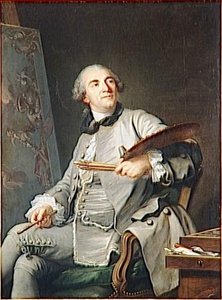
jean baptiste marie pierre
1714 - 1789 , France
Osnovne informacije
- Artistic Movement Or Style: Rococo
- Artists Or Movements Influenced By This Artist: ['Étienne-Louis Boullée']
- Artists Who Influenced This Artist: ['Charles-Joseph Natoire']
- Date Of Birth: 1714
- Date Of Death: 1789
- Full Name: Jean-Baptiste Marie Pierre
- Nationality: French
- Notable Artworks:
- Old Man in a Kitchen
- The Seasons
- Jupiter and Antiope
- The Rape of Europa
- The Death of Harmonia
- Place Of Birth: Aix-en-Provence, France
Povezani članci
Jean-Baptiste Pater: Rococo Charm & Ephemeral Beauty of 18th-Century France
Explore the captivating world of Jean-Baptiste Pater, a master of Rococo painting. Discover his elegant *fête galante* scenes and shimmering portraits – a glimpse into 18th-century French aristocracy. Learn about his legacy & find high-quality reproductions.

Барокна драма: Уношење величине и емоција у савремене ентеријере
Откријте барокну драму и унесите величину у ваш ентеријер! ArtsDot нуди ручно насликане репродукције, персонализоване портрете и стручне консултације за љубитеље класичне уметности. Потражите савршено дело већ данас!

The Dramatic Flourish: Exploring the Baroque Movement's Enduring Legacy in Art History
Explore the dramatic world of Baroque art! Discover iconic artists like Caravaggio & Rubens, defining techniques, and its lasting impact on art history. Expert insights for collectors & enthusiasts at ArtsDot.
From Grandeur to Grace: Exploring the Evolution of Baroque & Rococo Art
Explore the captivating evolution from Baroque's drama to Rococo's grace! Discover key artists, characteristics & lasting influence of these art movements with expert insights at ArtsDot.

Barok Majstor dela: Top 10 Umjetničkih Remeka za Vaš Dom
Otkrijte 10 remek dela koja su definisala baroknu umetnost! Karavagio, Bernini i više – istražite priče iza ovih ikoničnih slika. Inspiracija za vaš dom? Pogledajte kolekciju na ArtsDot.com!

