

 Pregledaj u prostoru
 Pošalji
 Podeli
 Detalji o delu

 Преузми
 Slični predmeti
 Rendgenski snimak
 Slajdovi
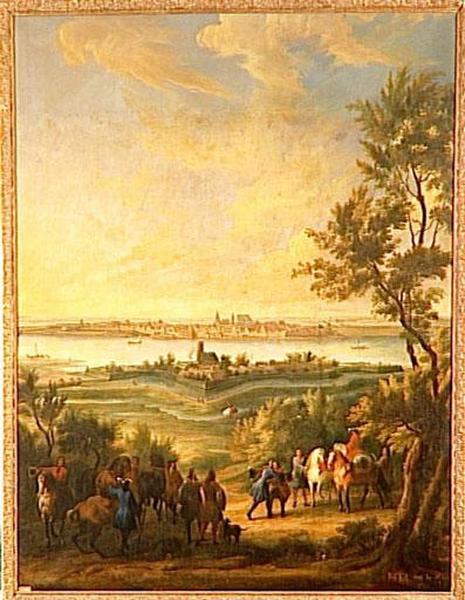
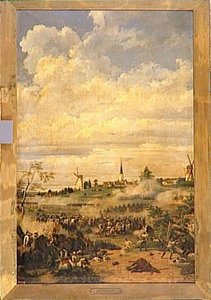
PRISE DE RHEES.8 JUIN 1672
 Pročitaj više
Ručno rađena uljana reprodukcija
Ručno oslikano uljanim bojama na platnu u dimenzijama i okviru po vašem izboru, izrađeno po porudžbini od strane naših umetnika. ( Kupi print Kupi digitalnu sliku)




































Izaberite jednu od naših unapred definisanih veličina koje odgovaraju originalnim proporcijama umetničkog dela.

Можете унети сопствене димензије како бисте прилагодили дело одређеном оквиру или простору. Ако одабрана величина не одговара пропорцијама оригинала, слика ће бити исечена или проширена додатним елементима који се ручно насликавају. Дигитални prikaz ће вам бити послат на одобрење пре почетка производње.
Имајте на уму да преглед на екрану не одражава стварно исецање или проширење. Само приказ (mockup) ће тачно приказати коначну композицију.
Иако су доступне прилагођене величине, препоручујемо да одаберете димензију из дефинисане листе како бисте сачували оригиналне пропорције.
Nakon narudžbine, tim ArtsDot.com će klijentu putem e-pošte poslati uputstva i dostaviti prikaz predloženog rešenja
Isporuka širom sveta () za 3/4 nedelje umesto uobičajenih 5 nedelja. (28 август). Bez kompromisa po pitanju kvaliteta.

Besplatna ekspresna dostava širom sveta

Visokokvalitetno laneno platno

Kompletno osiguranje transporta

Garancija povraćaja carine i uvoznih dažbina

Garancija vernosti boja

Politika povrata u roku od 60 dana (samo u slučaju nedostataka)

Garancija povrata novca od 100%

Popust pri grupnoj kupovini
 Opcija sa staklom dostupna je samo za dimenzije manje od 110 cm

PRISE DE RHEES.8 JUIN 1672
Tehnika reprodukcije
Dimenzije reprodukcije
-


Konačna cena
$ 388
Srodna umetnička dela

Biografija umetnika
Jean-Baptiste Martin (Martin des Batailles): A Master of Baroque Military Art
Jean-Baptiste Martin, known universally as “Martin des Batailles,” was a pivotal figure in 18th-century French art, renowned for his dramatic and meticulously rendered battle scenes and significant contributions to the Gobelins Manufactory. Born in Paris in 1659, he emerged from the workshop of Laurent de La Hyre, a skilled decorator, and later benefited immensely from the tutelage of Adam Frans van der Meulen, one of the era’s foremost military painters. This lineage instilled within him a deep understanding of composition, color theory, and the dramatic potential of depicting conflict – qualities that would define his entire career. His life, though marked by periods of relative obscurity, culminated in a legacy of breathtaking tapestries and paintings that continue to captivate viewers today.Early Training and Apprenticeship
Martin’s early artistic development was shaped by the rigorous training afforded within the workshops of established masters. Following his father's profession as a building contractor employed by the Bâtiments du Roi, he initially apprenticed under Laurent de La Hyre, gaining foundational skills in decorative painting and design. However, it was his subsequent association with Adam Frans van der Meulen that proved transformative. Van der Meulen’s workshop served as a crucible for artistic innovation, fostering a style characterized by dynamic compositions, dramatic lighting, and an almost theatrical quality. Martin absorbed these techniques with remarkable speed, mastering the art of capturing movement, emotion, and the scale of military engagements. Crucially, he was introduced to Sébastien Le Prestre de Vauban, the renowned military engineer, who recognized Martin’s talent and secured him a position as a draftsman within Vauban's office. This connection provided Martin with invaluable insights into military strategy and tactics, informing his artistic depictions of battles with unprecedented accuracy and realism.The Gobelins Manufactory and the Rise to Prominence
In 1699, Jean-Baptiste Martin was appointed Director of the Gobelins Manufactory, a prestigious position within the French royal art establishment. This appointment marked a turning point in his career, elevating him to a position of considerable influence and responsibility. The Gobelins, renowned for their exquisite tapestries, were tasked with creating works celebrating the achievements of Louis XIV and his military campaigns. Martin was entrusted with designing and overseeing the production of numerous battle scenes, including the celebrated “Siege of Namur” (1692) and the “Battle of Cassano” (1705). These commissions demanded not only artistic skill but also a deep understanding of historical detail and military protocol. He collaborated closely with Pierre-Denis Martin, his nephew (or possibly brother), to complete these monumental projects, resulting in a cohesive and powerful visual narrative of French military prowess. The scale and ambition of these tapestries demonstrated Martin’s mastery of color, texture, and composition – qualities that would become hallmarks of his work.Beyond Tapestries: Landscapes and Courtly Scenes
While best known for his battle scenes, Jean-Baptiste Martin was a versatile artist who also excelled in landscapes, portraits, and historical subjects. He produced stunning views of fortresses and architectural marvels, often commissioned by the Duke of Lorraine, Leopold I, as part of elaborate courtly celebrations. His frescoes decorating the Hôtel des Invalides showcased his ability to capture the grandeur and drama of military architecture. Furthermore, he created a series of paintings depicting the life of Charles V, the Holy Roman Emperor, for the Château de Lunéville, demonstrating his capacity to portray historical figures with both accuracy and artistic flair. These diverse works reveal a sophisticated artist capable of adapting his style to suit various subjects and patrons.Legacy and Historical Significance
Jean-Baptiste Martin’s influence on 18th-century French art is undeniable. His dynamic battle scenes, characterized by their dramatic lighting, meticulous detail, and powerful emotional impact, set a new standard for military painting. He profoundly shaped the aesthetic of the Gobelins Manufactory, contributing significantly to the development of tapestry design as a major artistic medium. His work served as inspiration for generations of artists, including his son, Jean-Baptiste Martin II, who continued the family tradition of depicting historical events with remarkable skill. Today, Martin’s paintings and tapestries are treasured possessions of museums and private collections around the world, offering a captivating glimpse into the military history and artistic achievements of 18th-century France. His legacy endures as a testament to his exceptional talent, unwavering dedication, and profound understanding of the art of war.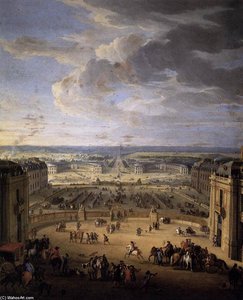
jean-baptiste martin (martin des batailles)
1659 - 1735
Osnovne informacije
- Artistic Movement Or Style: Baroque Military Art
- Artists Or Movements Influenced By This Artist: ['Gobelins Manufactory']
- Artists Who Influenced This Artist: ['Adam Frans van der Meulen']
- Date Of Birth: 1659
- Date Of Death: 1735
- Full Name: Jean-Baptiste Martin (Martin des Batailles)
- Nationality: French
- Notable Artworks:
- Battle of Cassano
- Siege of Namur
- Stables at Versailles
- Place Of Birth: Paris, France

