

 Pošalji
 Podeli
 Detalji o delu

 Преузми
 Slični predmeti
 Slajdovi
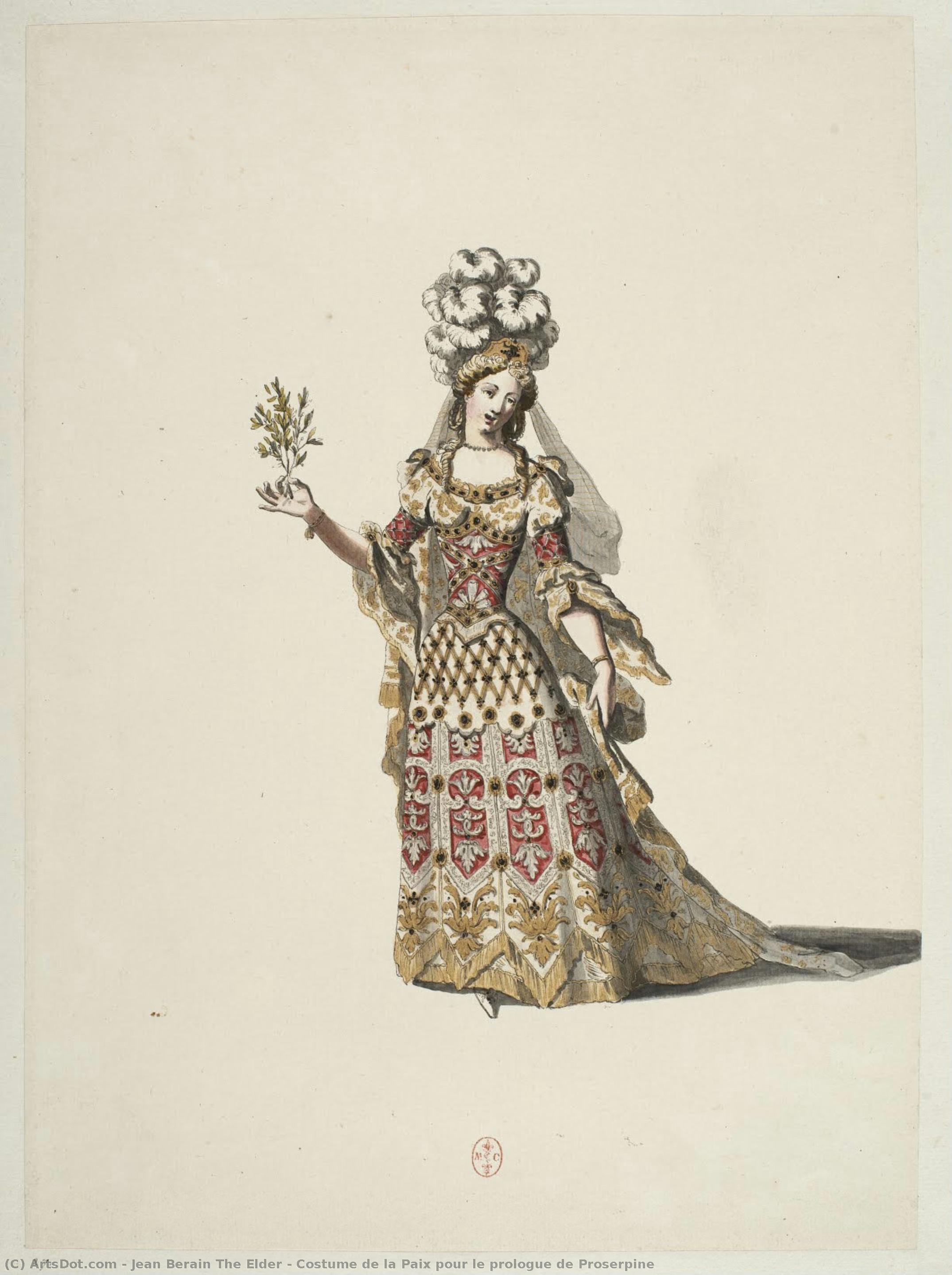
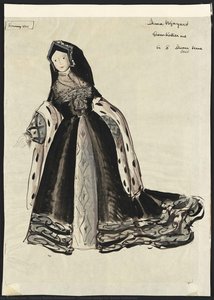
Costume de la Paix pour le prologue de Proserpine
 Giclée Print
- Digital
- Baroque
 1680
1680- Early Modern
 4.0 x 28.0 cm
 Château de Chantilly
 Pročitaj više
Ručno rađena uljana reprodukcija
Ručno oslikano uljanim bojama na platnu u dimenzijama i okviru po vašem izboru, izrađeno po porudžbini od strane naših umetnika. ( Kupi print Kupi digitalnu sliku)




































Izaberite jednu od naših unapred definisanih veličina koje odgovaraju originalnim proporcijama umetničkog dela.

Можете унети сопствене димензије како бисте прилагодили дело одређеном оквиру или простору. Ако одабрана величина не одговара пропорцијама оригинала, слика ће бити исечена или проширена додатним елементима који се ручно насликавају. Дигитални prikaz ће вам бити послат на одобрење пре почетка производње.
Имајте на уму да преглед на екрану не одражава стварно исецање или проширење. Само приказ (mockup) ће тачно приказати коначну композицију.
Иако су доступне прилагођене величине, препоручујемо да одаберете димензију из дефинисане листе како бисте сачували оригиналне пропорције.
Nakon narudžbine, tim ArtsDot.com će klijentu putem e-pošte poslati uputstva i dostaviti prikaz predloženog rešenja
Isporuka širom sveta () za 3/4 nedelje umesto uobičajenih 5 nedelja. (29 август). Bez kompromisa po pitanju kvaliteta.

Besplatna ekspresna dostava širom sveta

Visokokvalitetno laneno platno

Kompletno osiguranje transporta

Garancija povraćaja carine i uvoznih dažbina

Garancija vernosti boja

Politika povrata u roku od 60 dana (samo u slučaju nedostataka)

Garancija povrata novca od 100%

Popust pri grupnoj kupovini
 Opcija sa staklom dostupna je samo za dimenzije manje od 110 cm

Costume de la Paix pour le prologue de Proserpine
Tehnika reprodukcije
Dimenzije reprodukcije
-


Konačna cena
$ 263
A Vision of Tranquility: Exploring Costume de la Paix
To gaze upon Jean Berain the Elder's "Costume de la Paix pour le prologue de Proserpine" is to step directly into an era where allegory and exquisite costume design converged with high art. This painting, executed in 1680, is not merely a portrait of a woman; it is a carefully constructed tableau vivant, a visual poem dedicated to the concept of peace itself. The central figure, adorned in what appears to be a magnificent, flowing gown—the very embodiment of 'Peace'—holds delicately a single flower, an object that carries the weight of profound symbolism. Berain masterfully captures a moment of poised serenity, inviting the viewer into its gentle narrative.
The Allure of Baroque Allegory
Dating from the late 17th century, this work sits comfortably within the rich tapestry of Baroque decorative painting. While the artist's biography provided here mentions Peter Paul Rubens—a master whose energy contrasts with the quietude of this piece—the style itself speaks to the period's love for narrative grandeur and symbolic richness. Allegorical paintings like this were immensely popular, serving as visual meditations on virtues, myths, and philosophical concepts. The inclusion of "Proserpine" in the title grounds the scene within classical mythology, suggesting a moment preceding or following a significant transition—perhaps the return of light after darkness, mirroring the fragile nature of true peace.
Technique and Decorative Grace
The physical dimensions, measuring 4 x 28 cm, suggest that this piece was intended for intimate display, perhaps adorning a salon wall or serving as an exquisite decorative element within a grand interior. The technique employed by Berain allows the viewer to appreciate both the meticulous detail of the costume—the folds of fabric, the texture suggested in the embroidery—and the soft luminosity applied to the skin tones. For those considering a high-quality reproduction for their own space, understanding this delicate balance between narrative storytelling and technical finesse is key; it promises an heirloom quality that elevates any room's ambiance.
Symbolism Woven into Silk
The symbolism here is layered and deeply resonant. The costume itself functions as a uniform of virtue, while the flower held in hand acts as a universal signifier: beauty, transience, and renewal. In art history, peace is rarely depicted simply; it must be earned or presented through symbolic props. This single bloom against the backdrop of elaborate drapery suggests that true peace is not an overwhelming force, but rather something delicate, nurtured, and held gently in one's grasp. It speaks to a quiet contemplation, urging the observer to find their own moment of stillness amidst life's clamor.
An Emotional Resonance for Modern Spaces
Owning a reproduction of this work is acquiring more than just decoration; it is curating an atmosphere. The emotional impact of "Costume de la Paix" is one of profound calm and elegant contemplation. It serves as a visual anchor, a point of quiet reflection in a busy hallway or a richly decorated drawing-room. Whether you are designing a space that seeks intellectual depth or simply desires a touch of historical romance, this piece offers an unparalleled blend of artistic mastery and enduring symbolic beauty.
Srodna umetnička dela

Biografija umetnika
Peter Paul Rubens: A Baroque Master of Light and Emotion
Peter Paul Rubens, a name synonymous with the vibrant energy and dramatic intensity of the Baroque period, remains one of the most influential artists in European history. Born on June 28th, 1577, in Siegen, Germany – though he spent his childhood in Antwerp, Belgium – Rubens’s life was a tapestry woven with artistic ambition, diplomatic service, personal tragedy, and an unparalleled output of masterpieces. His legacy extends far beyond the sheer volume of his work; it resides in his innovative techniques, his masterful command of color and composition, and his profound understanding of human emotion. He died on May 30th, 1640, leaving behind a body of art that continues to captivate and inspire centuries later.Early Life and Artistic Training: Seeds of Innovation
Rubens’s early years were marked by displacement and a nascent artistic sensibility. Following his family's flight from Antwerp during the Eighty Years’ War, they settled in the Duchy of Brabant, where young Peter received a surprisingly comprehensive education – encompassing Latin, Greek, rhetoric, music, and drawing. At the age of thirteen, he secured a position as a court page to Countess Juliane van der Glyck, a role that provided him with access to a world of luxury and artistic patronage while simultaneously stifling his creative spirit. Recognizing this constraint, Rubens sought formal training in Antwerp, initially under Otto van Veen, a painter known for his meticulous realism. However, it was the influence of Adam van Noort, a more experimental artist, who truly ignited Rubens’s imagination. Crucially, in 1600, at the tender age of twenty-three, he embarked on a transformative journey to Italy – a period that would fundamentally shape his artistic vision.The Italian Years: Classical Inspiration and Baroque Beginnings
Rubens’s sojourn in Italy proved to be nothing short of revelatory. He immersed himself in the works of the Renaissance masters, studying the sculptures of Michelangelo, the frescoes of Raphael, and the dramatic compositions of Caravaggio and Titian. He meticulously copied classical statues, absorbing their idealized forms and balanced proportions. Yet, he didn’t simply imitate; he synthesized these influences with his own burgeoning style, developing a distinctly Baroque approach characterized by dynamic movement, intense color contrasts, and an emphasis on sensual beauty. He worked primarily in Genoa, Mantua, Parma, and Rome, producing a remarkable series of altarpieces, mythological scenes, and portraits that showcased his growing technical skill and expressive power. These early Italian works established the foundation for his later success, demonstrating his ability to translate classical ideals into a vibrant, emotionally charged style.Antwerp: A Flourishing Workshop and Diplomatic Service
Upon his return to Antwerp in 1608, Rubens quickly established himself as one of the city’s leading artists. He secured prestigious commissions from wealthy patrons – including archdukes Albert and Isabella, who ruled the Southern Netherlands – and built a vast workshop that employed numerous assistants, allowing him to oversee an astonishingly prolific output. However, his life was not solely devoted to art; he also served as a diplomat for the Spanish crown, traveling extensively throughout Europe to secure support for their claims in the Netherlands. This diplomatic role brought him into contact with influential figures such as Charles I of England and Louis XIV of France, further enhancing his reputation and solidifying his position as a key player in European politics. His marriage to Isabella Brandt in 1610 provided him with a loving partner and a stable home, though tragedy struck again when she succumbed to illness in 1635.Style and Legacy: A Revolution in Color and Composition
Rubens’s artistic style is instantly recognizable – characterized by its exuberant color palette, dynamic compositions, and profound understanding of human anatomy and emotion. He employed a technique known as *terrestrial scopy*, meticulously studying the effects of light and shadow on natural surfaces to achieve an unparalleled sense of realism. His use of color was revolutionary; he eschewed the muted tones favored by his predecessors in favor of vibrant reds, blues, and golds, creating paintings that practically shimmer with life. Rubens’s influence extended far beyond his own lifetime. He inspired generations of artists – including Anthony van Dyck, Rembrandt, and many others – and his techniques continue to be studied and admired today. His legacy is not simply one of artistic skill but also of a bold and innovative spirit that transformed the course of Western art history. His works are held in major museums worldwide, testaments to the enduring power and beauty of his vision.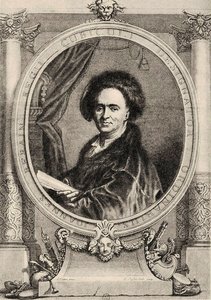
jean berain the elder
1640 - 1711 , Netherlands
Osnovne informacije
- Artistic Movement Or Style: Baroque
- Artists Or Movements Influenced By This Artist: ['Anthony van Dyck']
- Artists Who Influenced This Artist:
- Tobias Verhaecht
- Otto van Veen
- Date Of Birth: June 28, 1577
- Date Of Death: May 30, 1640
- Full Name: Peter Paul Rubens
- Nationality: Flemish
- Notable Artworks:
- The Raising of the Cross
- Descent from the Cross
- Venus and Adonis
- Place Of Birth: Siegen, Germany
Povezani članci

Giclée Prints: Archival Quality & Aesthetic Nuances for the Discerning Collector
Explore the world of giclée prints with ArtsDot. Learn about archival quality, aesthetic nuances & investment potential. Expert guidance for discerning art collectors seeking museum-quality reproductions and lasting value.
Decoding Baroque Grandeur: A Guide to the Drama and Emotion of 17th-Century Art
Explore the breathtaking drama of 17th-century Baroque art. Our expert guide decodes the use of chiaroscuro, emotional intensity, and historical grandeur to help you appreciate and curate timeless masterpieces for your collection.

The Enduring Legacy of Fine Art Prints: Technique, History & Aesthetic Impact
Explore the rich history & techniques of fine art prints. Discover investment potential, assess authenticity, and learn how to preserve your collection with expert guidance. Trusted insights for discerning collectors.

The Visceral Stage: Exploring Dramatic Narratives & Emotional Intensity in Baroque Art
Explore the dramatic world of Baroque art! Discover iconic masters like Caravaggio & Rembrandt, their techniques, and the movement's lasting impact. Expert insights for collectors & enthusiasts at ArtsDot.

Барокна драма: Уношење величине и емоција у савремене ентеријере
Откријте барокну драму и унесите величину у ваш ентеријер! ArtsDot нуди ручно насликане репродукције, персонализоване портрете и стручне консултације за љубитеље класичне уметности. Потражите савршено дело већ данас!

