

 Pregledaj u prostoru
 Pošalji
 Podeli
 Detalji o delu

 Преузми
 Slični predmeti
 Rendgenski snimak
 Slajdovi
 Stats
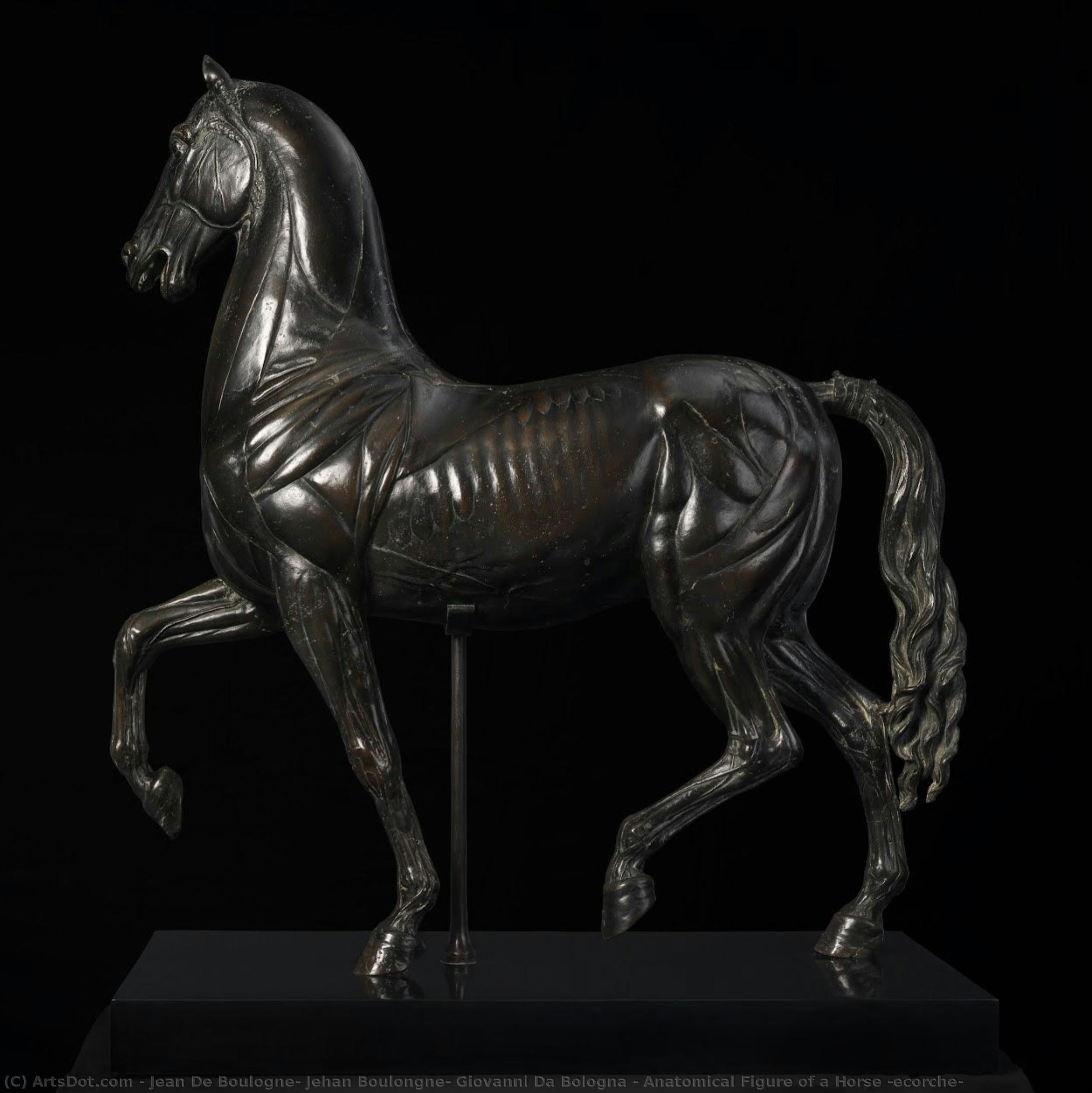
StatsAnatomical Figure of a Horse (ecorche)

 Pročitaj više
Kupite digitalnu sliku visoke rezolucije i poboljšanog kvaliteta, koja je znatno superiornija od onoga što vidite u online prikazu.
Svaka datoteka je pedantno pripremljena od strane naših stručnjaka koristeći napredne alate i profesionalnu ručnu retušu. Osiguravamo da svaka slika ima izuzetnu oštrinu, preciznu reprodukciju boja i fine detalje.
Konačna datoteka se dostavlja putem e-pošte u roku od 72 sata, optimizovana za neposrednu upotrebu u profesionalnim, izdavačkim i štamparskim okruženjima. To je isti kvalitet kojem veruju vrhunski studiji dizajna, izdavači i galerije.
Digitalna slika
Preuzmite datoteku visoke rezolucije za ličnu upotrebu, štampanje i kreativne projekte. ( Switch to Print Kupi ručno naslikanu sliku)
Uključeno uz svaku porudžbinu digitalne slike
Profesionalna digitalna isporuka, zagarantovana
Kada odaberete ArtsDot.com, ne dobijate samo sliku – vi primate profesionalno unapređeno digitalno umetničko delo, izrađeno sa najvećom preciznošću i uz garanciju zadovoljstva. Evo svega što automatski dolazi uz vašu porudžbinu:

Brza dostava putem e-pošte
Vaša digitalna slika visoke rezolucije biće vam poslata putem e-pošte u roku od 72 sata od poručivanja – spremna za trenutnu upotrebu.

Digitalna datoteka unapređena veštačkom inteligencijom
Vaše umetničko delo je profesionalno optimizovano korišćenjem naprednih AI alata i ručne obrade, čime se osiguravaju maksimalni detalji, oštrina i preciznost boja.

Besplatna ponovna isporuka doživotno
Slučajno ste obrisali ili izgubili svoju datoteku? Ne brinite – poslaćemo vam je ponovo u bilo kom trenutku, potpuno besplatno.

Bez troškova uvoza – zauvek
Uživajte u svojim umetničkim delima trenutno, bez carine, dažbina ili troškova dostave – digitalni download je uvek bez poreza.

Garancija vernosti boja
Uz pomoć profesionalnih alata i upravljanja bojama, osiguravamo da vaša digitalna slika što vernije odražava originalne boje.

Garancija zadovoljstva od 100 dana
Ako niste zadovoljni svojom digitalnom slikom, izvršićemo reviziju ili ćemo vam vratiti 100% novca u roku od 100 dana – bez ikakvih pitanja.

100% garancija povrata novca
Niste zadovoljni? Dobijte puni povraćaj novca u roku od 100 dana od prijema digitalne datoteke – bez suvišnih pitanja.

Popusti na velike porudžbine
Kupite 3 slike, uštedite 10% - Kupite 5 slika, uštedite 15% - Kupite 10+ slika, uštedite 20%. Odlično za kreativne projekte, galerije i agencije.
Srodna umetnička dela







Biografija umetnika
A Life Bridging Worlds: Jean de Boulogne, the Flemish Master in Italy
Jean de Boulogne—known also as Jehan Boulongne and Giovanni da Bologna—stands as a pivotal figure in the transition from High Renaissance classicism to the dynamic complexities of Mannerism. Born in Douai, Flanders, in 1529, his artistic journey was one of geographical and stylistic displacement, ultimately forging a unique voice that resonated throughout Italy and beyond. His story isn’t simply about an artist; it's about the confluence of cultures during a period of intense artistic ferment. Boulogne didn’t merely adopt Italian styles; he synthesized them with his Northern European sensibilities, creating works imbued with both refined elegance and dramatic power.
Early Training and the Roman Awakening
Boulogne’s initial training took place in Antwerp under Jacques Dubroeucq, a sculptor already working within an Italianate framework. This foundation provided him with technical skills but also instilled a nascent appreciation for classical forms. However, it was his move to Rome around 1550 that truly ignited his artistic development. Immersing himself in the world of ancient sculpture and the works of Michelangelo, Boulogne began a rigorous study of anatomy, proportion, and movement. The influence of Hellenistic sculpture is palpable in his early Roman pieces, demonstrating a growing mastery of depicting the human form with unprecedented realism and expressiveness. He absorbed the energy of the Counter-Reformation era, an atmosphere that favored dramatic narratives and emotional intensity—qualities that would become hallmarks of his style.
Florentine Triumph: A Court Sculptor’s Ascendancy
In 1553, Boulogne settled in Florence, a city poised to become the center of his artistic universe. He quickly gained the patronage of Francesco I de' Medici, Grand Duke of Tuscany, and became an integral part of the Medici court. This association proved crucial, providing him with both financial security and access to a wealth of commissions. The Accademia delle Arti del Disegno welcomed him in 1563, solidifying his position within Florence’s artistic elite. Unlike many artists who were encouraged to travel and seek new inspiration, the Medici deliberately kept Boulogne within their sphere of influence, recognizing his exceptional talent and fearing that other courts would attempt to lure him away.
Sculpting Movement and Allegory: Defining a Mannerist Aesthetic
Boulogne’s work is characterized by a remarkable sense of dynamic movement and a sophisticated use of allegory. His sculptures aren't static representations; they capture figures in moments of intense action, often twisting and turning with breathtaking grace. The Fountain of Neptune in Bologna (1563-66) stands as an early testament to his abilities, showcasing a complex composition that rivals Michelangelo’s earlier work. However, Boulogne moved beyond mere imitation, developing a style that emphasized refined surfaces and cool elegance. The Mercury in Flight, with its poised figure supported by Zephyr, exemplifies this aesthetic—a masterful display of balance, tension, and rhetorical gesture. His marble sculpture, the Abduction of a Sabine Woman (1574-82), is particularly noteworthy for being carved from a single block of marble, demonstrating his extraordinary technical skill and compositional ingenuity.
Legacy and Historical Significance
Giambologna’s influence extended far beyond the borders of Italy. His workshop became a prolific center of production, disseminating his style throughout Europe. He established a canon for representing the human form—particularly the female nude—that would be emulated by generations of sculptors. His allegorical works served as powerful tools of political propaganda for the Medici family, solidifying their authority and promoting their ideals. While often categorized as a Mannerist sculptor, Boulogne’s work transcends simple stylistic labels. He synthesized classical principles with Northern European realism, creating a unique artistic language that bridged the gap between the Renaissance and Baroque periods. His sculptures continue to captivate audiences today, not only for their technical brilliance but also for their enduring beauty and emotional resonance.
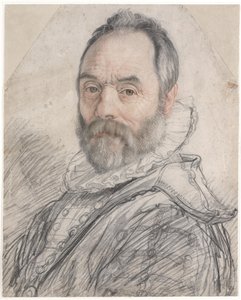
jean de boulogne, jehan boulongne, giovanni da bologna
1529 - 1608 , France
Kratke činjenice
- Artistic Movement Or Style: Late Mannerism
- Artists Or Movements Influenced By This Artist: ['Renaissance sculptors']
- Artists Who Influenced This Artist:
- Michelangelo
- Hellenistic sculpture
- Date Of Birth: 1529
- Date Of Death: 1608
- Full Name: Jean de Boulogne
- Nationality: Flemish-Italian
- Notable Artworks:
- Neptune Fountain
- Abduction of a Sabine
- Samson Slaying Philistine
- Mercury in Flight
- Place Of Birth: Douai, France