 Pregledaj u prostoru
 Pošalji
 Podeli
 Detalji o delu

 Преузми
 Slični predmeti
 Rendgenski snimak
 Slajdovi
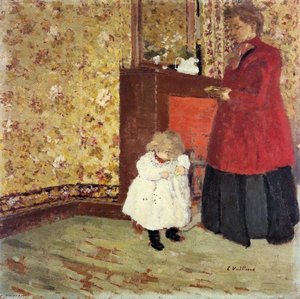
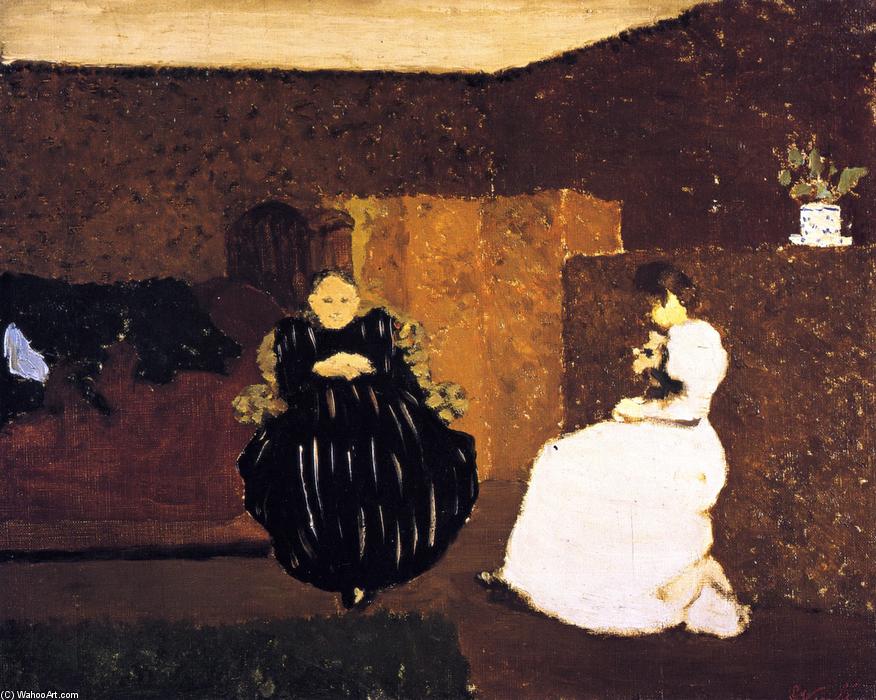
The Chat (also known as Mme Vuillard and Her Daughter - La Causette)


 Pročitaj više
Giclee štampa / Umetnički otisak
Giclée štampa ili print na platnu muzejskog kvaliteta uz brzu proizvodnju i fleksibilne opcije završne obrade. ( Kupi ručno naslikanu sliku Kupi digitalnu sliku)




P118B $10

P118H $10

P118W $10

P438Z $10

P508JH $12

P508YH $12

P805H $10

P805Z $10

P919BZ $10

P919G $10

P919XJ $10

P959ZH $10

P968JZ $12

W106C $8

W218G $10

W218JH $8

W218Y $10

W307PJ $10

W316G $10

W316PJ $8

W316Y $10

W398PJ $8

W4111J $10

W500HY $15

W500JH $15

W692G $12

W849H $8

W940BG $15

W953PJ $8




Izaberite jednu od naših unapred definisanih veličina koje odgovaraju originalnim proporcijama umetničkog dela.

Možete uneti sopstvene dimenzije kako biste umetničko delo prilagodili specifičnom okviru ili prostoru. Ako odabrani format ne odgovara proporcijama originalne slike, mi ćemo ili iscrtati deo dela ili proširiti sliku pomoću ogledane ivice ili jednobojnog popunjavanja. Digitalni prikaz će vam biti poslat na odobrenje pre početka proizvodnje.
Imajte na umu da pregled na ekranu ne odražava stvarno iscrtavanje ili proširivanje. Samo će prikaz (mockup) precizno pokazati finalnu kompoziciju.
Iako su prilagođene dimenzije dostupne, preporučujemo da odaberete dimenziju sa unapred definisane liste kako biste očuvali originalne proporcije.
Dostava širom sveta () za 2 nedelje umesto uobičajenih 4/5 nedelja. (26 август)

Besplatna ekspresna dostava širom sveta

Visokokvalitetno laneno platno

Kompletno osiguranje transporta

Garancija povraćaja carine i uvoznih dažbina

Garancija vernosti boja

Politika povrata u roku od 60 dana (samo u slučaju nedostataka)

Garancija povrata novca od 100%

Popust pri grupnoj kupovini
 Opcija sa staklom dostupna je samo za dimenzije manje od 110 cm

The Chat (also known as Mme Vuillard and Her Daughter - La Causette)
Giclee štampa / Umetnički otisak
Dimenzije reprodukcije
-


Konačna cena
$ 62
Opis predmeta
The Chat (also known as Mme Vuillard and Her Daughter - La Causette)
Jean Edouard Vuillard’s “La causette,” painted in 1893, stands as a quintessential example of Post-Impressionism—a movement that fiercely rejected the serene observation of light championed by Impressionists. Instead, Vuillard plunged into the interior world, capturing not just what he saw but also conveying the palpable atmosphere of domestic life and familial connection.
The painting depicts two women seated in a room bathed in soft, diffused light—Vuillard’s mother, Marie Vuillard, and her daughter, Marie Roussel. The composition is deceptively simple: a couch dominates the left side, while a chair occupies the right. However, within this apparent stillness lies a wealth of detail—several vases strategically placed around the room contribute to the overall sense of warmth and intimacy, punctuated by a potted plant on the far right.
Vuillard’s distinctive style is immediately recognizable through his masterful use of color and form. He eschewed Impressionist attempts at capturing fleeting moments of light, opting instead for flattened planes of pigment—a technique heavily influenced by Japanese prints—that create an illusion of depth without resorting to traditional perspective. The palette is muted yet rich, dominated by browns and blacks that serve as a grounding counterpoint to the vibrant hues of the wallpaper.
More than just a depiction of a scene, “La causette” embodies Vuillard’s profound exploration of psychological space. He captures not only the physical arrangement of objects but also the unspoken emotions between the figures—the quiet conversation, the subtle gestures of connection. The artist's keen eye for capturing human emotion is evident in his portrayal of Marie Roussel, who leans awkwardly against the wall, attempting to blend into the room’s background.
The painting’s symbolism resonates deeply with Vuillard’s broader artistic vision. The choice of colors—particularly the yellow of Madame Vuillard’s dress—suggests a radiant presence that commands attention and asserts dominance within the domestic sphere. Similarly, the positioning of the vases serves as a visual anchor, grounding the composition and reinforcing the sense of stability.
Ultimately, “La causette” transcends mere representation; it invites contemplation on themes of motherhood, femininity, and the complexities of human relationships—themes that continue to captivate audiences today. It’s a testament to Vuillard's ability to transform ordinary domestic scenes into canvases brimming with emotion and artistic innovation.
Artist's Background
Jean Edouard Vuillard (1868-1940) was born in Cuiseaux, France—a quiet village nestled in the Jura Mountains. From a young age, he demonstrated an exceptional talent for drawing and painting, honing his skills through self-study and experimentation.
Vuillard’s artistic journey coincided with the rise of Les Nabis—a collective of young French artists who championed a radically new approach to artmaking. Influenced by Japanese prints and seeking to liberate color from Impressionist conventions, Vuillard joined Les Nabis in 1888, forging enduring friendships with fellow visionaries like Maurice Denis and Édouard Vuillard.
Les Nabis’s aesthetic principles—characterized by flattened planes of pigment, muted palettes, and a focus on decorative elements—challenged the prevailing artistic norms of their time. Vuillard embraced these ideas wholeheartedly, developing his own distinctive style that blended observation with imagination—a hallmark of his oeuvre.
Vuillard's prolific output encompassed paintings, prints, decorative commissions, and illustrations—demonstrating his versatility as an artist and cementing his legacy as one of the most influential figures in early modernism. His work continues to inspire artists and collectors alike, securing its place among the masterpieces of French art.
Additional Research
Vuillard’s fascination with Japanese prints profoundly shaped his artistic vision—particularly his exploration of spatial illusion and decorative patterning. He meticulously studied Ukiyo-e compositions, analyzing their use of perspective and color to achieve dramatic effects.
Furthermore, Vuillard's meticulous attention to detail—evident in his depictions of interiors and portraits—reflects a commitment to capturing the nuances of human experience. He sought to convey not just what he saw but also how he felt—a characteristic that distinguishes his work from more purely objective representations.
“La causette” exemplifies Vuillard’s artistic principles—his masterful use of color and form, his exploration of psychological space, and his engagement with symbolic imagery. It stands as a beacon of innovation within the Post-Impressionist movement—a testament to Vuillard's enduring influence on subsequent generations of artists.
Notable Works
Beyond “La causette,” Vuillard produced numerous other celebrated paintings—including “Luncheon at Les Clayes,” “The Child’s Bath 2,” and “Portrait of Madame Matisse”—each showcasing his distinctive style and artistic vision. These works continue to resonate with audiences today, securing Vuillard's place among the most revered artists of the Belle Époque.
Srodna umetnička dela
Biografija umetnika
Рани живот и уметнички почеци
Жан-Едуар Вијар, француски сликар, декоратер и графичар, рођен је 11. новембра 1868. године у Кизеу, Француска. Његов живот био је неодвојиви део авангардне групе Набисти, заједно са визионерима попут Мориса Денија и Едуарда Вијара. Ова група је револуционисала уметнички свет својим иновативним приступом боји и форми. Као дете, Вијар је био окружен атмосфером интелектуалне стимулације; његов отац је био песник, а мајка плесачица, што је утицало на његово касније интересовање за естетику и декоративну уметност. Након завршетка школовања, Вијар се посветио сликарству, али је брзо схватио да га традиционални академски стил не задовољава.
Набисти и њихов утицај
Вијар је постао водећи члан Набиста, чије су слике карактерисале површине чисте боје, инспирисане јапанским графикама. Његове ентериорне сцене су истраживале просторне ефекте спљоштених равни боје, шаре и форме. Овај приступ је имао велики утицај на развој кубизма, фовизма и апстрактне уметности. Набисти су били заинтригирани идејом синтезе различитих уметничких дисциплина – сликарства, графике, декоративне уметности – и настојали су да створе тотално уметничко дело које би обухватило све аспекте живота. Њихова филозофија се заснивала на позитивизму и делима Огиста Конта и Иполита Тена, што је довело до интересовања за психолошке ефекте боје и форме.
Каснији рад и наслеђе
Након распада Набиста 1900. године, Вијар је усвојио реалистичнији стил, приступајући пејзажима и ентериорима са већим детаљем и живописним бојама. Двадесетих и тридесетих година двадеветог века сликао је портрете познатих личности из француске индустрије и уметности у њиховим обичним окружењима. Током свог каснијег периода, Вијар се фокусирао на интимне сцене из свакодневног живота, често приказујући жене у кућним активностима или у опуштеној атмосфери. Ове слике су одликовале мека светла и хармоничне боје, које су стварале осећај спокоја и интимности.
Кључна дела и изложбе
Радови Жан-Едуарда Вијара могу се наћи у многим музејима широм света, укључујући Музеј француске револуције у Француској, који поседује богату збирку уметничких дела, докумената и предмета везаних за револуционарни период. Нека од његових познатијих дела укључују "Отаџбина у опасности" Гиљама Летиера и "Жан де ла Баре" Жана Клуеа, који приказују младог човека осуђеног на смрт због богохуљења током старог режима. Каснији радови Вијара, као што су његови портрети француских индустријалаца и уметника, могу се видети у галеријама које промовишу интимизам и на страници Жан-Едуарда Вијара на ArtsDot.
Закључак
Жан-Едуар Вијар, са својим загонетним светом карактерисаним иновативном употребом боје и форме, оставио је неизбрисив траг у свету уметности. Као пионир модернизма, његов рад наставља да инспирише уметнике и утиче на различите уметничке покрете. Његова способност да пренесе осећања и емоције кроз боју и композицију чини га једним од најзначајнијих сликара свог времена.
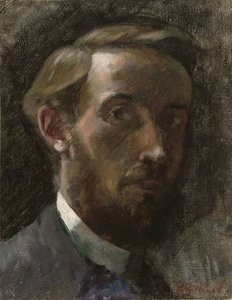
Жан Едуар Вијар
1868 - 1940 , Francuska
Osnovne informacije
- Artistic Movement Or Style: Nabisi
- Artists Or Movements Influenced By This Artist:
- Kubizam
- Fovizam
- Artists Who Influenced This Artist: ['Paul Gauguin']
- Date Of Birth: 11. novembar 1868.
- Date Of Death: 21. jun 1940.
- Full Name: Jean-Édouard Vuillard
- Nationality: Francuski
- Notable Artworks:
- Žena koja međe
- Sunčana unutrašnjost
- Place Of Birth: Cuiseaux, Francuska
Povezani članci
Intimate Interiors & Poetic Ambiguity: Exploring the Vision of Jean-Édouard Vuillard
Discover the captivating world of Jean-Édouard Vuillard, a key figure of the Nabis movement. Explore his intimate interiors, unique style & lasting influence on modern art. Learn more at ArtsDot.

Katsushika Hokusai: 25 Remek-dela Japanskog Umetnika za Vaš Dom | ArtsDot
Uronite u svet Katsushike Hokusaija! Otkrijte 25 remek-dela japanskog umetnika, uključujući čuveni 'Veliki talas'. Ukiyo-e štampe, pejzaži i istorija iza svakog dela. Pronađite inspiraciju za dekor enterijera i kupite reprodukcije slika vrhunskog kvaliteta na ArtsDot.com.
Postimpresionizma: 10 Remek Dela Koje Su Izmenila Umjetnost i Dekor
Otkrijte 10 remek dela postimpresionizma koja su revolucionisala umetnost! Van Gog, Monet, Sezan... Istorija, tehnika i emocije u svakoj slici. Inspiracija za vaš dom i vrhunske reprodukcije na ArtsDot.com. Explore the full collection online!

Giclée Prints: Archival Quality & Aesthetic Nuances for the Discerning Collector
Explore the world of giclée prints with ArtsDot. Learn about archival quality, aesthetic nuances & investment potential. Expert guidance for discerning art collectors seeking museum-quality reproductions and lasting value.
Beyond Impressionism: Exploring the Emotional Depth of Post-Impressionist Painting
Explore the profound emotional depth & innovative techniques of Post-Impressionism with ArtsDot. Discover Cézanne, Van Gogh, Gauguin & more – and their lasting impact on modern art.