

 Pregledaj u prostoru
 Pošalji
 Podeli
 Detalji o delu

 Преузми
 Slični predmeti
 Rendgenski snimak
 Slajdovi
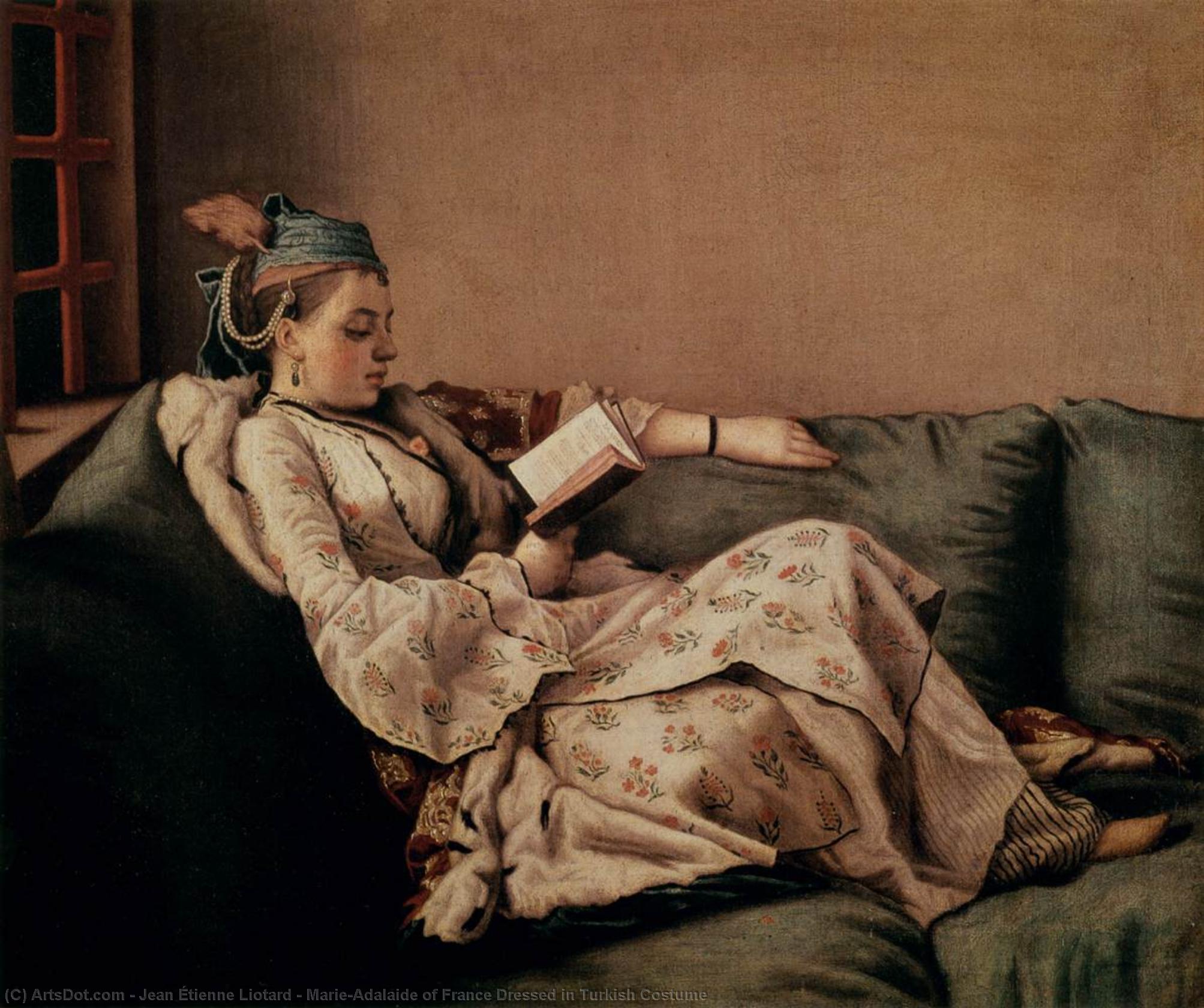
Marie-Adalaide of France Dressed in Turkish Costume
 Oil On Canvas
- WallArt
- Rococo Portraiture
 1753
1753 50.0 x 56.0 cm
 Галерија Уфици
 Pročitaj više
Kupite digitalnu sliku visoke rezolucije i poboljšanog kvaliteta, koja je znatno superiornija od onoga što vidite u online prikazu.
Svaka datoteka je pedantno pripremljena od strane naših stručnjaka koristeći napredne alate i profesionalnu ručnu retušu. Osiguravamo da svaka slika ima izuzetnu oštrinu, preciznu reprodukciju boja i fine detalje.
Konačna datoteka se dostavlja putem e-pošte u roku od 72 sata, optimizovana za neposrednu upotrebu u profesionalnim, izdavačkim i štamparskim okruženjima. To je isti kvalitet kojem veruju vrhunski studiji dizajna, izdavači i galerije.
Digitalna slika
Preuzmite datoteku visoke rezolucije za ličnu upotrebu, štampanje i kreativne projekte. ( Kupi print Kupi ručno naslikanu sliku)
Uključeno uz svaku porudžbinu digitalne slike
Profesionalna digitalna isporuka, zagarantovana
Kada odaberete ArtsDot.com, ne dobijate samo sliku – vi primate profesionalno unapređeno digitalno umetničko delo, izrađeno sa najvećom preciznošću i uz garanciju zadovoljstva. Evo svega što automatski dolazi uz vašu porudžbinu:

Brza dostava putem e-pošte
Vaša digitalna slika visoke rezolucije biće vam poslata putem e-pošte u roku od 72 sata od poručivanja – spremna za trenutnu upotrebu.

Digitalna datoteka unapređena veštačkom inteligencijom
Vaše umetničko delo je profesionalno optimizovano korišćenjem naprednih AI alata i ručne obrade, čime se osiguravaju maksimalni detalji, oštrina i preciznost boja.

Besplatna ponovna isporuka doživotno
Slučajno ste obrisali ili izgubili svoju datoteku? Ne brinite – poslaćemo vam je ponovo u bilo kom trenutku, potpuno besplatno.

Bez troškova uvoza – zauvek
Uživajte u svojim umetničkim delima trenutno, bez carine, dažbina ili troškova dostave – digitalni download je uvek bez poreza.

Garancija vernosti boja
Uz pomoć profesionalnih alata i upravljanja bojama, osiguravamo da vaša digitalna slika što vernije odražava originalne boje.

Garancija zadovoljstva u roku od 60 dana
Ako niste zadovoljni svojom digitalnom slikom, revidirat ćemo je ili vratiti 100% novca u roku od 60 dana – bez ikakvih pitanja.

100% garancija povrata novca
Niste zadovoljni? Obezbedite pun povrat novca u roku od 60 dana od trenutka kada ste primili svoju digitalnu datoteku – bez suvišnih pitanja.

Popusti na velike porudžbine
Kupite 3 slike, uštedite 10% - Kupite 5 slika, uštedite 15% - Kupite 10+ slika, uštedite 20%. Odlično za kreativne projekte, galerije i agencije.
A Glimpse of Parisian Elegance: Marie-Adelaide Dressed in Turkish Costume by Jean-Étienne Liotard
Jean-Étienne Liotard’s “Marie-Adalaide of France Dressed in Turkish Costume” is more than just a portrait; it's a meticulously crafted window into the opulent world of 18th-century European aristocracy and the burgeoning fascination with the Orient. Painted in 1753, this pastel masterpiece captures a moment of deliberate exoticism, revealing a carefully constructed tableau of luxury, diplomacy, and the allure of the unfamiliar. The painting depicts Marie-Adalaide, the third daughter of Louis XV, seated on a plush couch, her posture radiating an air of quiet contemplation as she reads a book. Her attire—a vibrant Turkish costume adorned with intricate embroidery and shimmering fabrics—immediately draws the eye, establishing a striking contrast against the relatively restrained backdrop of the room.
Liotard’s genius lies not merely in his technical skill but in his ability to evoke atmosphere and narrative through subtle details. The room itself is rendered with remarkable precision – a window offering a glimpse of natural light, a clock marking the passage of time, and the carefully arranged furniture all contribute to a sense of domestic tranquility. Yet, it’s the Turkish costume that dominates the composition, immediately transporting the viewer to a distant land. This wasn't simply a fashionable trend; the depiction of Eastern dress was deeply intertwined with European diplomacy at the time. The French court actively cultivated relationships with Ottoman dignitaries, and such portraits served as visual representations of these alliances, subtly conveying power and prestige.
The Pastel Master: Liotard’s Technique and Artistic Vision
Liotard was a pioneer in the use of pastel on canvas, a medium he elevated to an extraordinary level of detail and luminosity. Unlike traditional oil paints, pastels offer unparalleled subtlety and nuance, allowing for delicate gradations of tone and color that mimic the effects of charcoal or pencil. In “Marie-Adalaide,” Liotard’s mastery is immediately apparent in the rendering of textures – the luxurious sheen of the silk fabrics, the intricate embroidery, and even the folds of the woman's clothing are depicted with astonishing realism. The artist employs a technique known as ‘stippling,’ creating texture and depth through the rapid application of countless tiny dots of pastel pigment. This method gives the painting an almost velvety quality, inviting close inspection and revealing the incredible labor involved in its creation.
Furthermore, Liotard’s use of color is remarkably restrained yet highly effective. He favors muted tones—soft blues, greens, and browns—that create a sense of depth and atmosphere. The vibrant hues of the Turkish costume are strategically placed to draw attention to the subject while maintaining a harmonious balance within the composition. His palette reflects his time in Constantinople, where he was exposed to the rich colors and textures of the Ottoman world.
Symbolism and Context: A Portrait of Power and Diplomacy
Beyond its aesthetic beauty, “Marie-Adalaide” is laden with symbolic meaning. The act of reading suggests an educated and cultured woman, aligning her with the ideals of Enlightenment society. The Turkish costume itself represents a deliberate attempt to emulate the exotic allure of the Ottoman Empire—a power that was both admired and feared by European monarchs. This wasn’t simply about fashion; it was a strategic tool used to enhance diplomatic relations and project an image of sophistication and worldly knowledge.
The inclusion of the clock, a recurring motif in Liotard's work, subtly underscores the passage of time and the fleeting nature of beauty and power. It serves as a reminder that even the most opulent displays are ultimately transient. The painting’s historical context is crucial to understanding its significance; it reflects the complex political landscape of 18th-century Europe, where diplomacy and trade were inextricably linked with artistic expression.
A Timeless Masterpiece: Reproduction and Appreciation
Reproduced faithfully in a high-quality print, “Marie-Adalaide of France Dressed in Turkish Costume” remains a captivating work of art. Its delicate pastel tones, intricate details, and evocative atmosphere continue to resonate with viewers today. Whether adorning a formal salon or a private study, this painting offers a glimpse into a bygone era—a testament to the artistry of Jean-Étienne Liotard and his remarkable ability to capture both beauty and meaning on canvas.
Srodna umetnička dela

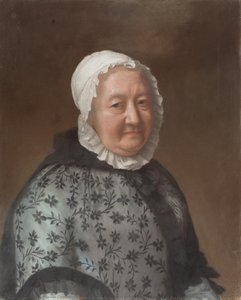
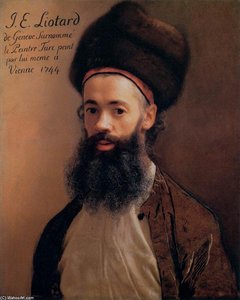
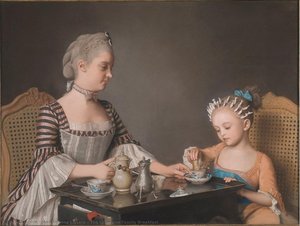
Biografija umetnika
Rana i učenje
Žan-Etjen Liotard, proslavljen ženevački slikar, ljubitelj umetnosti i trgovac, rođen je 22. decembra 1702. godine u Ženevi, Švajcarska. Njegovi roditelji, francuski protestanti, pobegli su u Ženevu nakon 1685. Liotardov umetnički put započeo je pod vođstvom profesora Daniela Gardela i Petitota, čije emajlije i minijature je vešto replikovao.Umetnička karijera
Putovanja su ga odnela u različite evropske prestonice, uključujući Pariz, Rim, Istanbul i Beč, gde su njegovi portreti bili izuzetno traženi. 1725. godine, učio je kod Žan-Baptista Masé i François Lemoyne u Parizu. Njegovo boravku u Konstantinopolju (1738-1742) značajno je uticalo na njegov rad, što je očigledno po njegovim brojnim pastelskim prikazima turskih kućnih scena.Značajni radovi i stil
Liotardovo majstorstvo pastela izloženo je u delima kao što su:- Holandski devojka doručkujuća (oko 1756, ulje na platnu, Rijksmuseum), demonstrirajući njegovu svestranost.
- La Liseuz, Čokoladna devojka i La Belle Lyonnaise u galeriji u Dresdenu, ilustrujući njegove nežne pastelske crteže.
- Marija Frederika van Reede-Athlone sedam (J. Paul Getty Museum), svedočenje njegovog naturalističkog portretiranja.
Nasleđe i kasniji život
Liotardove kasne godine obeležene su objavljivanjem njegovog traktata, Traktat o principima i pravilima slikarstva (1781). Nastavio je da slika statičke pejzaže i pejzaže sve do svoje smrti 12. juna 1789. godine u Ženevi. Ključne veze:- Žan-Etjen Liotard | ArtsDot.com (strana umetnika)
- Žan-Etjen Liotard | Wikipedia
- žena u turskom odeluku | ArtsDot.com (slika)
Muzeji i kolekcije:
- Privatna kolekcija muzea (Ženeva, Švajcarska), sa impresivnim nizom Liotardovih radova.
- Muzej umetnosti i istorije (Ženeva, Švajcarska), koji čuva značajnu kolekciju Liotardovih pastela i crteža.
Žan-Etjen Liotard
1702 - 1789 , Švajcarska
Kratke činjenice
- Artistic Movement Or Style: Pastoralizam
- Artists Or Movements Influenced By This Artist:
- Jean Baptiste Massé
- François Lemoyne
- Artists Who Influenced This Artist:
- Daniel Gardelle
- Petitot
- Date Of Birth: 22. decembar 1702.
- Date Of Death: 12. jun 1789.
- Full Name: Jean-Étienne Liotard
- Nationality: Švajcarski
- Notable Artworks:
- Holandski devojka do doručka
- La Liseuse, Čokoladna devojka
- Maria Frederike van Reede-Athlone sedam
- Place Of Birth: Ženeva, Švajcarska

