

 Pregledaj u prostoru
 Pošalji
 Podeli
 Detalji o delu

 Преузми
 Slični predmeti
 Rendgenski snimak
 Slajdovi
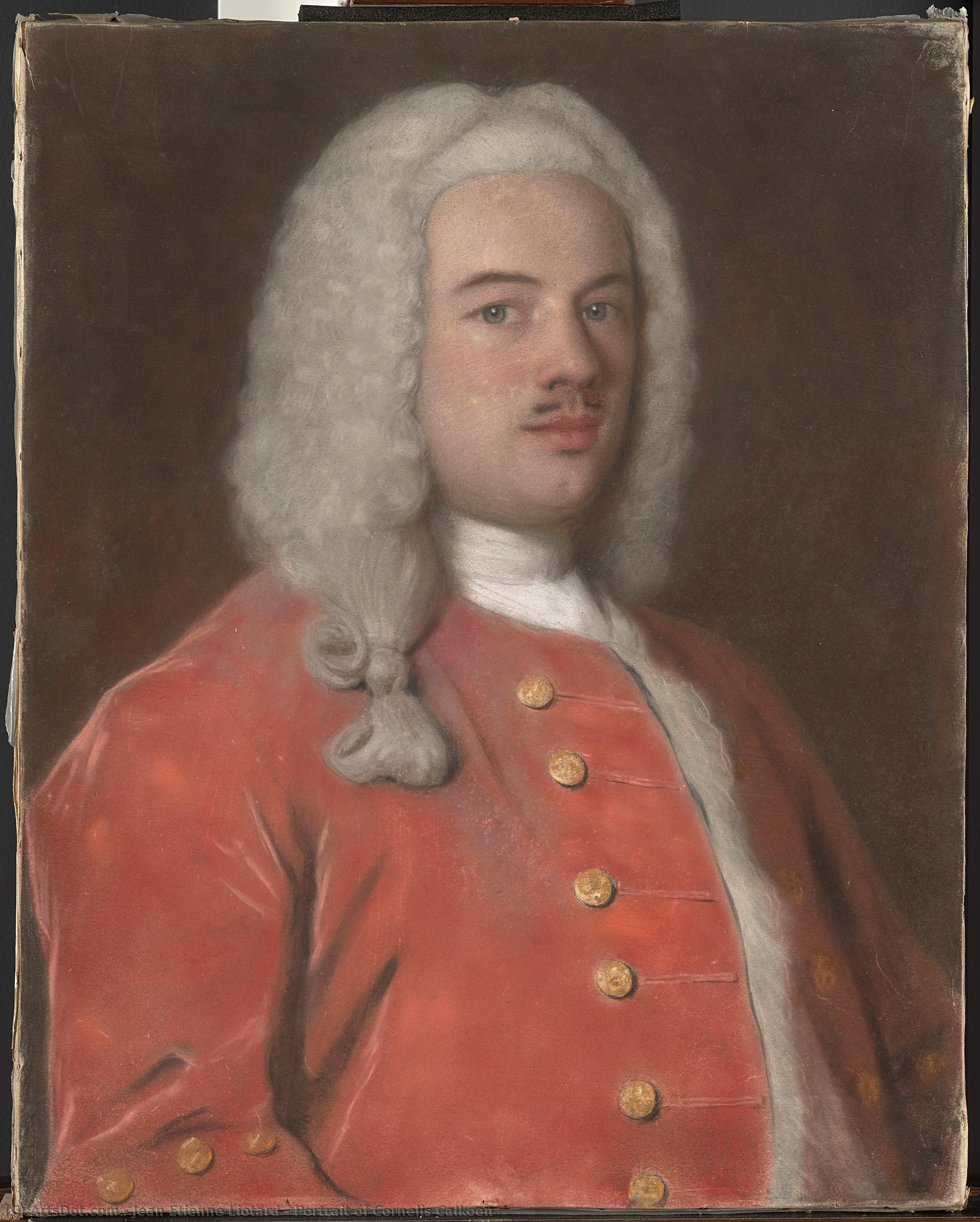
Portrait of Cornelis Calkoen


 Pročitaj više
Ručno rađena uljana reprodukcija
Ručno oslikano uljanim bojama na platnu u dimenzijama i okviru po vašem izboru, izrađeno po porudžbini od strane naših umetnika. ( Kupi print Kupi digitalnu sliku)




P118B $10

P118H $10

P118W $10

P438Z $10

P508JH $12

P508YH $12

P805H $10

P805Z $10

P919BZ $10

P919G $10

P919XJ $10

P959ZH $10

P968JZ $12

W106C $8

W218G $10

W218JH $8

W218Y $10

W307PJ $10

W316G $10

W316PJ $8

W316Y $10

W398PJ $8

W4111J $10

W500HY $15

W500JH $15

W692G $12

W849H $8

W940BG $15

W953PJ $8




Izaberite jednu od naših unapred definisanih veličina koje odgovaraju originalnim proporcijama umetničkog dela.

Можете унети сопствене димензије како бисте прилагодили дело одређеном оквиру или простору. Ако одабрана величина не одговара пропорцијама оригинала, слика ће бити исечена или проширена додатним елементима који се ручно насликавају. Дигитални prikaz ће вам бити послат на одобрење пре почетка производње.
Имајте на уму да преглед на екрану не одражава стварно исецање или проширење. Само приказ (mockup) ће тачно приказати коначну композицију.
Иако су доступне прилагођене величине, препоручујемо да одаберете димензију из дефинисане листе како бисте сачували оригиналне пропорције.
Nakon narudžbine, tim ArtsDot.com će klijentu putem e-pošte poslati uputstva i dostaviti prikaz predloženog rešenja
Isporuka širom sveta () za 3/4 nedelje umesto uobičajenih 5 nedelja. (25 август). Bez kompromisa po pitanju kvaliteta.

Besplatna ekspresna dostava širom sveta

Visokokvalitetno laneno platno

Kompletno osiguranje transporta

Garancija povraćaja carine i uvoznih dažbina

Garancija vernosti boja

Politika povrata u roku od 60 dana (samo u slučaju nedostataka)

Garancija povrata novca od 100%

Popust pri grupnoj kupovini
 Opcija sa staklom dostupna je samo za dimenzije manje od 110 cm

Portrait of Cornelis Calkoen
Tehnika reprodukcije
Dimenzije reprodukcije
-


Konačna cena
$ 263
Opis umetničkog dela
Portrait of Cornelis Calkoen: A Glimpse into 18th-Century Nobility Through Liotard’s Delicate Brush
Jean-Étienne Liotard's "Portrait of Cornelis Calkoen," painted around 1738-1742, is more than just a likeness; it’s a meticulously crafted window into the world of 18th-century European aristocracy. This captivating portrait, now housed in various collections and widely reproduced, reveals Liotard's mastery of pastel and his profound understanding of capturing not only physical appearance but also the subtle nuances of personality and social standing. The painting immediately draws the eye with its vibrant red coat, a bold statement against the muted browns and creams that define the background – a deliberate choice designed to elevate Calkoen’s status and draw attention to his commanding presence.
Liotard's style is distinctly Rococo, characterized by an emphasis on elegance, grace, and a certain theatricality. He moved away from the rigid formality of earlier portraiture, embracing a more relaxed and intimate approach. This is evident in Calkoen’s pose – he isn’t stiffly upright but leans slightly forward, engaging the viewer with a direct gaze. His powdered wig, meticulously styled according to the fashions of the time, frames his face, while the delicate folds of his clothing are rendered with remarkable precision, showcasing Liotard's skill in layering and blending pastel hues to create a sense of texture and depth.
The Art of Pastel: Technique and Innovation
Liotard was particularly renowned for his virtuosity with pastel – a medium he exploited to its fullest potential. Unlike oil paints, which require extensive drying time, pastels allow the artist to work directly on the paper, creating incredibly luminous and delicate effects. He employed a technique of ‘stippling’ and ‘hatching,’ building up layers of color through tiny dots and short lines, achieving an astonishing level of detail and tonal variation. Notice how he uses subtle gradations of pinks and reds to capture the sheen of Calkoen's coat, while delicate blues and greens are used to suggest the fabric beneath. This masterful control over the medium is a hallmark of Liotard’s work.
Furthermore, Liotard’s use of light is particularly noteworthy. The soft, diffused lighting creates an atmosphere of intimacy and serenity, highlighting Calkoen's features without harshness. The background is deliberately blurred, directing the viewer’s attention entirely to the subject. This technique, combined with his meticulous rendering of textures – from the velvet of the coat to the sheen of the wig – contributes significantly to the portrait’s overall realism and impact.
Symbolism and Social Context
Beyond its technical brilliance, “Portrait of Cornelis Calkoen” offers a glimpse into the social dynamics of 18th-century Europe. The subject himself, Cornelis Calkoen, was likely a member of the landed gentry – evidenced by his attire and bearing. The red coat, often associated with nobility and military rank, signifies wealth and status. The inclusion of gold buttons further emphasizes this distinction. The portrait served not merely as a representation of an individual but also as a visual declaration of social standing, reflecting the importance of lineage and patronage within that era.
Interestingly, Liotard’s travels throughout Europe – to Paris, Rome, Istanbul, and Vienna – profoundly influenced his artistic style. His time in Constantinople, particularly, exposed him to Turkish culture and aesthetics, which can be seen reflected in the subtle details of Calkoen's attire and the overall atmosphere of the portrait. The painting is a testament to Liotard’s ability to synthesize diverse influences into a uniquely personal and compelling artistic vision.
A Timeless Masterpiece: Reproduction and Inspiration
Today, “Portrait of Cornelis Calkoen” remains a beloved example of Rococo portraiture. Its delicate beauty, technical sophistication, and evocative symbolism continue to captivate viewers centuries after its creation. Reproductions, such as those offered by ArtsDot.com, allow us to appreciate Liotard’s artistry in our own homes, bringing a touch of elegance and historical insight into any space. The painting's enduring appeal lies not only in its aesthetic qualities but also in its ability to transport us back to a world of aristocratic grandeur and artistic innovation.
Srodna umetnička dela

Biografija umetnika
Rana i učenje
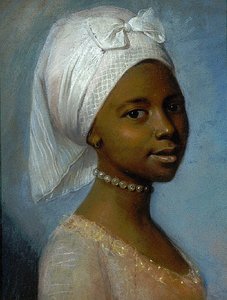
Žan-Etjen Liotard, proslavljen ženevački slikar, ljubitelj umetnosti i trgovac, rođen je 22. decembra 1702. godine u Ženevi, Švajcarska. Njegovi roditelji, francuski protestanti, pobegli su u Ženevu nakon 1685. Liotardov umetnički put započeo je pod vođstvom profesora Daniela Gardela i Petitota, čije emajlije i minijature je vešto replikovao.Umetnička karijera
Putovanja su ga odnela u različite evropske prestonice, uključujući Pariz, Rim, Istanbul i Beč, gde su njegovi portreti bili izuzetno traženi. 1725. godine, učio je kod Žan-Baptista Masé i François Lemoyne u Parizu. Njegovo boravku u Konstantinopolju (1738-1742) značajno je uticalo na njegov rad, što je očigledno po njegovim brojnim pastelskim prikazima turskih kućnih scena.Značajni radovi i stil
Liotardovo majstorstvo pastela izloženo je u delima kao što su:- Holandski devojka doručkujuća (oko 1756, ulje na platnu, Rijksmuseum), demonstrirajući njegovu svestranost.
- La Liseuz, Čokoladna devojka i La Belle Lyonnaise u galeriji u Dresdenu, ilustrujući njegove nežne pastelske crteže.
- Marija Frederika van Reede-Athlone sedam (J. Paul Getty Museum), svedočenje njegovog naturalističkog portretiranja.
Nasleđe i kasniji život
Liotardove kasne godine obeležene su objavljivanjem njegovog traktata, Traktat o principima i pravilima slikarstva (1781). Nastavio je da slika statičke pejzaže i pejzaže sve do svoje smrti 12. juna 1789. godine u Ženevi. Ključne veze:- Žan-Etjen Liotard | ArtsDot.com (strana umetnika)
- Žan-Etjen Liotard | Wikipedia
- žena u turskom odeluku | ArtsDot.com (slika)
Muzeji i kolekcije:
- Privatna kolekcija muzea (Ženeva, Švajcarska), sa impresivnim nizom Liotardovih radova.
- Muzej umetnosti i istorije (Ženeva, Švajcarska), koji čuva značajnu kolekciju Liotardovih pastela i crteža.
Žan-Etjen Liotard
1702 - 1789 , Švajcarska
Osnovne informacije
- Artistic Movement Or Style: Pastoralizam
- Artists Or Movements Influenced By This Artist:
- Jean Baptiste Massé
- François Lemoyne
- Artists Who Influenced This Artist:
- Daniel Gardelle
- Petitot
- Date Of Birth: 22. decembar 1702.
- Date Of Death: 12. jun 1789.
- Full Name: Jean-Étienne Liotard
- Nationality: Švajcarski
- Notable Artworks:
- Holandski devojka do doručka
- La Liseuse, Čokoladna devojka
- Maria Frederike van Reede-Athlone sedam
- Place Of Birth: Ženeva, Švajcarska
Povezani članci

Crimson Threads of Narrative: Exploring Symbolism & Representation in Artworks Featuring the Red Dress
Explore the rich symbolism of the red dress in art history! From ancient power displays to iconic portraits like Cézanne’s 'Madame Cezanne', discover the cultural and artistic significance behind this captivating color. Expert analysis & insights.
Neo-Classicism's Greatest Hits: 10 Masterpieces for Your Home |
Journey through Neo-Classicism's finest! Explore 10 iconic masterpieces by David, Ingres & Canova. Discover art history, techniques & timeless beauty – perfect for inspiring your home decor. Find museum-quality reproductions at

The Enduring Legacy of Oil on Canvas: Technique, History & Aesthetic Impact
Explore the rich history & techniques of oil painting – from Renaissance masters to Impressionism. Discover pigments, layering methods, and why this timeless medium endures. Expert insights for artists & art enthusiasts.
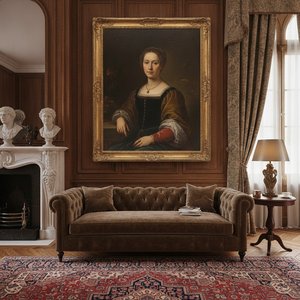
Timeless Elegance: The Ultimate Buyer's Guide to Choosing Classical Portraits for Sophisticated Interiors
Discover how to select the perfect classical portrait for your home. Our expert guide explores matching art styles to interiors, choosing between hand-painted oils and Giclée prints, and transforming personal photos into timeless masterpieces with professional artistry.

Oil on Canvas: A Historical & Technical Exploration of a Timeless Artistic Medium
Explore the rich history & enduring techniques of oil painting on canvas. Discover the science behind its longevity, conservation practices, and contemporary relevance. Expert insights for art enthusiasts.

