

 Pregledaj u prostoru
 Pošalji
 Podeli
 Detalji o delu

 Преузми
 Slični predmeti
 Rendgenski snimak
 Slajdovi
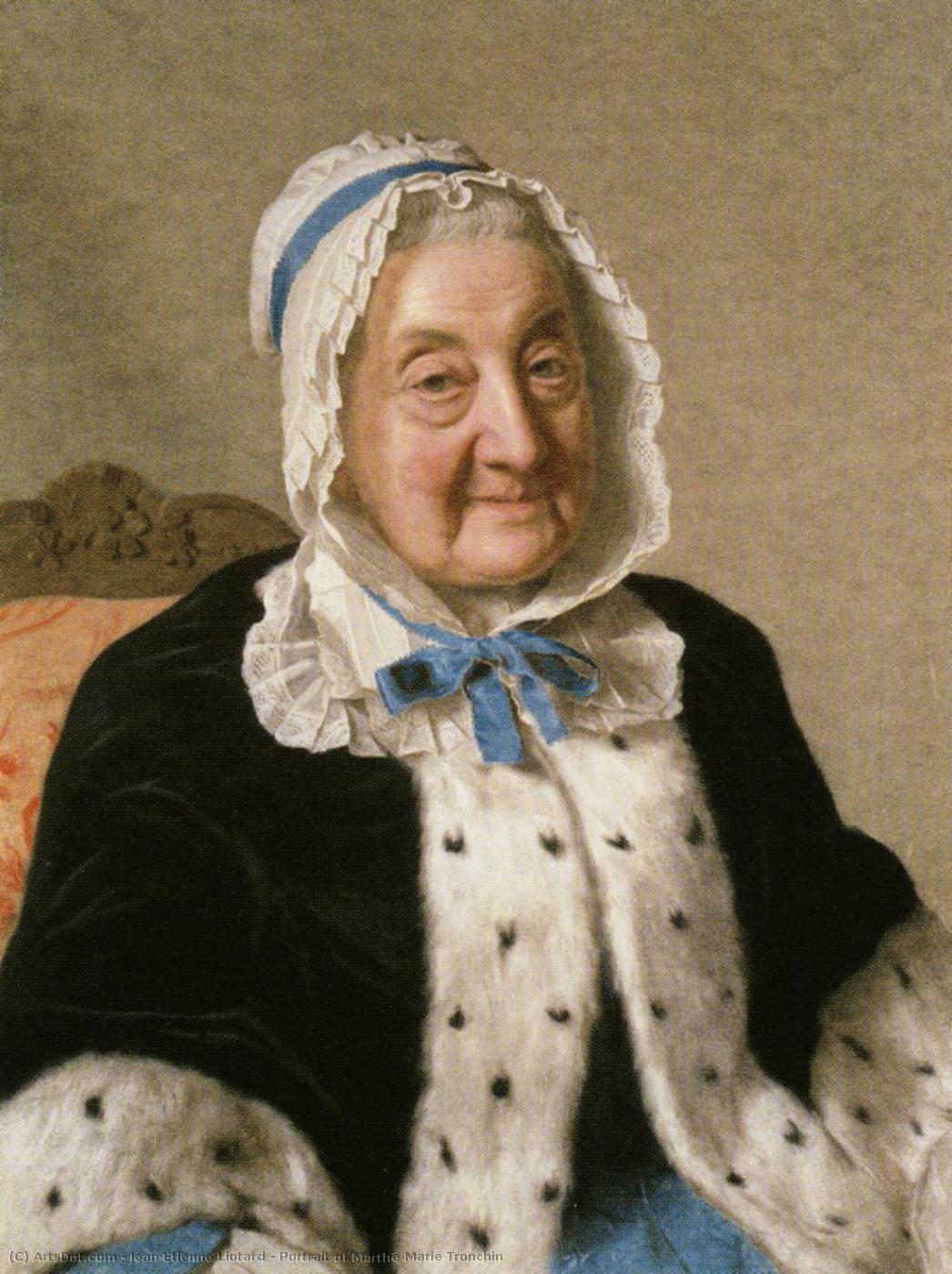
Portrait of Marthe Marie Tronchin


 Pročitaj više
Ručno rađena uljana reprodukcija
Ručno oslikano uljanim bojama na platnu u dimenzijama i okviru po vašem izboru, izrađeno po porudžbini od strane naših umetnika. ( Kupi print Kupi digitalnu sliku)




P118B $10

P118H $10

P118W $10

P438Z $10

P508JH $12

P508YH $12

P805H $10

P805Z $10

P919BZ $10

P919G $10

P919XJ $10

P959ZH $10

P968JZ $12

W106C $8

W218G $10

W218JH $8

W218Y $10

W307PJ $10

W316G $10

W316PJ $8

W316Y $10

W398PJ $8

W4111J $10

W500HY $15

W500JH $15

W692G $12

W849H $8

W940BG $15

W953PJ $8




Izaberite jednu od naših unapred definisanih veličina koje odgovaraju originalnim proporcijama umetničkog dela.

Можете унети сопствене димензије како бисте прилагодили дело одређеном оквиру или простору. Ако одабрана величина не одговара пропорцијама оригинала, слика ће бити исечена или проширена додатним елементима који се ручно насликавају. Дигитални prikaz ће вам бити послат на одобрење пре почетка производње.
Имајте на уму да преглед на екрану не одражава стварно исецање или проширење. Само приказ (mockup) ће тачно приказати коначну композицију.
Иако су доступне прилагођене величине, препоручујемо да одаберете димензију из дефинисане листе како бисте сачували оригиналне пропорције.
Nakon narudžbine, tim ArtsDot.com će klijentu putem e-pošte poslati uputstva i dostaviti prikaz predloženog rešenja
Isporuka širom sveta () za 3/4 nedelje umesto uobičajenih 5 nedelja. (3 септембар). Bez kompromisa po pitanju kvaliteta.

Besplatna ekspresna dostava širom sveta

Visokokvalitetno laneno platno

Kompletno osiguranje transporta

Garancija povraćaja carine i uvoznih dažbina

Garancija vernosti boja

Politika povrata u roku od 60 dana (samo u slučaju nedostataka)

Garancija povrata novca od 100%

Popust pri grupnoj kupovini
 Opcija sa staklom dostupna je samo za dimenzije manje od 110 cm

Portrait of Marthe Marie Tronchin
Tehnika reprodukcije
Dimenzije reprodukcije
-


Konačna cena
$ 263
Jean-Étienne Liotard: A Delicate Dance Between Observation and Imagination
Jean-Étienne Liotard (1702–1789), a Genevan painter, art connoisseur, and dealer, stands as an enigmatic figure in the Rococo landscape—a master of pastel and enamel whose work defies easy categorization. Unlike his contemporaries who embraced grand theatricality and opulent ornamentation, Liotard pursued a path of profound introspection, prioritizing meticulous detail and subtle tonal gradations to capture the essence of his subjects with remarkable accuracy. His artistic vision was deeply rooted in humanist ideals, reflecting an unwavering fascination for the human form and its interaction with the natural world—a dichotomy that defines much of his oeuvre.- Early Training & Influences: Liotard’s formative years were spent under the tutelage of Daniel Gardelle and Petitot, whose enamel techniques he painstakingly replicated, establishing a foundational understanding of surface texture and color manipulation. This meticulous approach would later permeate his pastel drawings, where he achieved unparalleled levels of realism through painstaking layering and blending.
- Travels & Artistic Transformation: Liotard’s wanderings across Europe—Paris, Rome, Istanbul, Vienna—were pivotal in shaping his artistic sensibilities. The vibrant atmosphere of Constantinople profoundly impacted his palette and compositional choices, evident in numerous pastel depictions of Turkish domestic scenes brimming with exotic flora and fauna.
- Technique & Style: Liotard’s signature technique involved applying pastel pigment onto vellum or paper using a stylus—a method that allowed for unparalleled control over tonal nuance and texture. He eschewed bold brushstrokes, favoring instead delicate strokes that captured the ephemeral qualities of light and shadow. This meticulous attention to detail resulted in portraits imbued with an uncanny sense of presence and psychological depth.
- Notable Works & Legacy: Among Liotard’s celebrated masterpieces are “Dutch Girl at Breakfast” (circa 1756), a masterful study of naturalism that exemplifies his commitment to portraying the human figure with unflinching honesty, and “La Liseuse,” depicting a young woman absorbed in contemplation—a testament to Liotard's ability to convey inner emotion through subtle visual cues.
- A Singular Vision: Despite facing resistance from the Académie Française, Liotard’s artistic independence secured him recognition within England, Holland, and Geneva. His enduring legacy lies not merely in his technical prowess but also in his unwavering belief that art should serve as a conduit for profound contemplation—a conviction that continues to inspire artists today.
The Pastel Medium: Precision & Illusion
Liotard’s mastery of pastel distinguishes him from many of his contemporaries, elevating it beyond mere decorative embellishment into a vehicle for conveying nuanced emotion and capturing the subtleties of light and atmosphere. Unlike oil paints, which rely on opaque pigments to build up layers of color, pastel employs powdered pigment mixed with binder—typically gum arabic—to create translucent washes that shimmer with luminosity. This technique demanded extraordinary patience and precision from the artist, who painstakingly applied pigment onto vellum or paper using a stylus, achieving remarkable tonal gradations and textural effects. The resulting images possess an ethereal quality, capturing fleeting moments of beauty and conveying psychological depth with unparalleled subtlety.Symbolism & Narrative Depth: Exploring Inner Landscapes
Liotard’s portraits transcend mere likeness, delving into the complexities of human psychology and embodying philosophical ideas. He meticulously crafted compositions that reflected not only physical appearance but also inner states—capturing expressions of contemplation, melancholy, or serene repose. Recurring motifs—such as flowers symbolizing beauty and fragility—served as visual metaphors for conveying intangible concepts—like virtue and intellect. Through his masterful use of color and light, Liotard invited viewers to engage in a dialogue with the subject’s psyche, prompting reflection on themes of human experience and spiritual aspiration.Influence & Artistic Significance: A Quiet Revolution
Jean-Étienne Liotard's artistic approach represents a significant departure from prevailing trends in Rococo art—a rejection of theatrical grandeur in favor of quiet observation and psychological insight. His unwavering commitment to naturalism challenged the conventions of his time, asserting that beauty could be found not only in opulent ornamentation but also in the faithful representation of human form and its relationship with nature. Liotard’s legacy extends beyond his individual artworks; he established a precedent for artistic exploration rooted in humanist values—a tradition that continues to resonate within contemporary art practice.Srodna umetnička dela
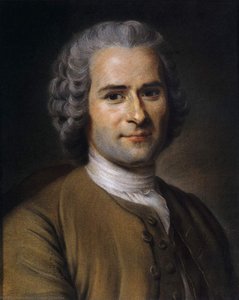
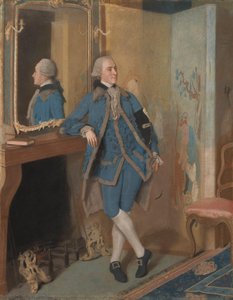
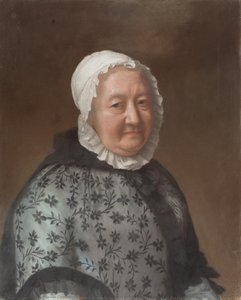
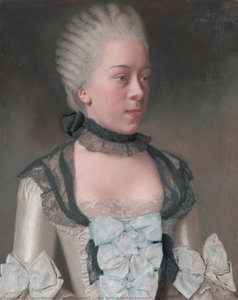
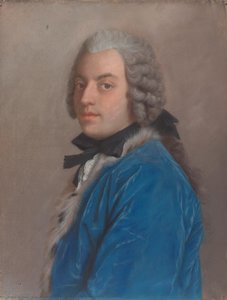
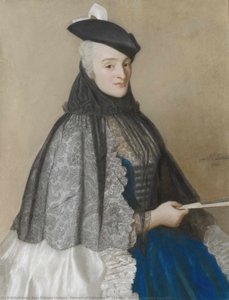
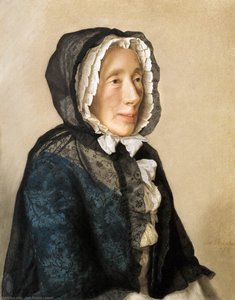
Biografija umetnika
Rana i učenje
Žan-Etjen Liotard, proslavljen ženevački slikar, ljubitelj umetnosti i trgovac, rođen je 22. decembra 1702. godine u Ženevi, Švajcarska. Njegovi roditelji, francuski protestanti, pobegli su u Ženevu nakon 1685. Liotardov umetnički put započeo je pod vođstvom profesora Daniela Gardela i Petitota, čije emajlije i minijature je vešto replikovao.Umetnička karijera
Putovanja su ga odnela u različite evropske prestonice, uključujući Pariz, Rim, Istanbul i Beč, gde su njegovi portreti bili izuzetno traženi. 1725. godine, učio je kod Žan-Baptista Masé i François Lemoyne u Parizu. Njegovo boravku u Konstantinopolju (1738-1742) značajno je uticalo na njegov rad, što je očigledno po njegovim brojnim pastelskim prikazima turskih kućnih scena.Značajni radovi i stil
Liotardovo majstorstvo pastela izloženo je u delima kao što su:- Holandski devojka doručkujuća (oko 1756, ulje na platnu, Rijksmuseum), demonstrirajući njegovu svestranost.
- La Liseuz, Čokoladna devojka i La Belle Lyonnaise u galeriji u Dresdenu, ilustrujući njegove nežne pastelske crteže.
- Marija Frederika van Reede-Athlone sedam (J. Paul Getty Museum), svedočenje njegovog naturalističkog portretiranja.
Nasleđe i kasniji život
Liotardove kasne godine obeležene su objavljivanjem njegovog traktata, Traktat o principima i pravilima slikarstva (1781). Nastavio je da slika statičke pejzaže i pejzaže sve do svoje smrti 12. juna 1789. godine u Ženevi. Ključne veze:- Žan-Etjen Liotard | ArtsDot.com (strana umetnika)
- Žan-Etjen Liotard | Wikipedia
- žena u turskom odeluku | ArtsDot.com (slika)
Muzeji i kolekcije:
- Privatna kolekcija muzea (Ženeva, Švajcarska), sa impresivnim nizom Liotardovih radova.
- Muzej umetnosti i istorije (Ženeva, Švajcarska), koji čuva značajnu kolekciju Liotardovih pastela i crteža.
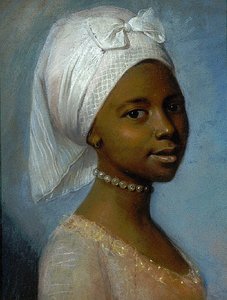
Žan-Etjen Liotard
1702 - 1789 , Švajcarska
Osnovne informacije
- Artistic Movement Or Style: Pastoralizam
- Artists Or Movements Influenced By This Artist:
- Jean Baptiste Massé
- François Lemoyne
- Artists Who Influenced This Artist:
- Daniel Gardelle
- Petitot
- Date Of Birth: 22. decembar 1702.
- Date Of Death: 12. jun 1789.
- Full Name: Jean-Étienne Liotard
- Nationality: Švajcarski
- Notable Artworks:
- Holandski devojka do doručka
- La Liseuse, Čokoladna devojka
- Maria Frederike van Reede-Athlone sedam
- Place Of Birth: Ženeva, Švajcarska
Povezani članci

Rokoko: 10 Remek Dela Koja Su Definisala Eleganciju i Ukus
Otkrijte 10 remek dela koja su definisala rokoko umetnost! Uronite u svet Boucher-a, Watteau-a i Fragonarda. Istorija, stil i inspiracija za vaš dom. Kvalitetne reprodukcije i kuratorski odabiri na ArtsDot.com!
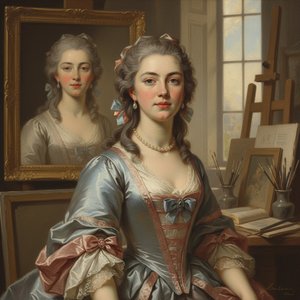
Jean-Étienne Liotard: Rococo Portraiture & the Pursuit of Naturalism
Explore the exquisite Rococo portraits of Jean-Étienne Liotard, a master of pastel and enamel. Discover his innovative techniques, captivating Turkish scenes, and lasting influence on art history. Learn more at ArtsDot.

The Rococo Aesthetic: Opulence, Rebellion & the Pursuit of Pleasure in 18th-Century Art
Explore the opulent world of Rococo art! Discover its origins, key artists like Watteau & Boucher, and lasting influence on design. Expert insights for collectors & enthusiasts.

Giclée Prints: Archival Quality & Aesthetic Nuances for the Discerning Collector
Explore the world of giclée prints with ArtsDot. Learn about archival quality, aesthetic nuances & investment potential. Expert guidance for discerning art collectors seeking museum-quality reproductions and lasting value.
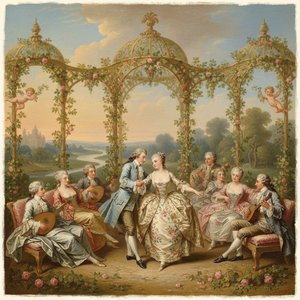
Jean-Baptiste Pater: Rococo Charm & Ephemeral Beauty of 18th-Century France
Explore the captivating world of Jean-Baptiste Pater, a master of Rococo painting. Discover his elegant *fête galante* scenes and shimmering portraits – a glimpse into 18th-century French aristocracy. Learn about his legacy & find high-quality reproductions.

