

 Pregledaj u prostoru
 Pošalji
 Podeli
 Detalji o delu

 Преузми
 Slični predmeti
 Rendgenski snimak
 Slajdovi
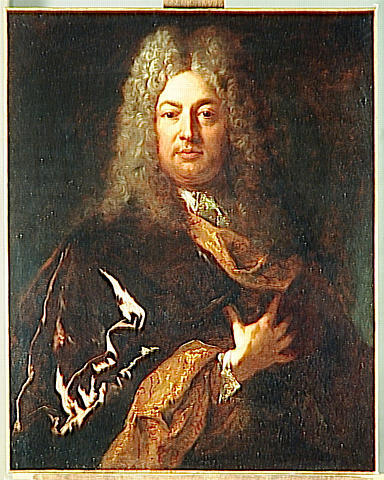
PORTRAIT D'HOMME


 Pročitaj više
Ručno rađena uljana reprodukcija
Ručno oslikano uljanim bojama na platnu u dimenzijama i okviru po vašem izboru, izrađeno po porudžbini od strane naših umetnika. ( Kupi print Kupi digitalnu sliku)




P118B $10

P118H $10

P118W $10

P438Z $10

P508JH $12

P508YH $12

P805H $10

P805Z $10

P919BZ $10

P919G $10

P919XJ $10

P959ZH $10

P968JZ $12

W106C $8

W218G $10

W218JH $8

W218Y $10

W307PJ $10

W316G $10

W316PJ $8

W316Y $10

W398PJ $8

W4111J $10

W500HY $15

W500JH $15

W692G $12

W849H $8

W940BG $15

W953PJ $8




Izaberite jednu od naših unapred definisanih veličina koje odgovaraju originalnim proporcijama umetničkog dela.

Можете унети сопствене димензије како бисте прилагодили дело одређеном оквиру или простору. Ако одабрана величина не одговара пропорцијама оригинала, слика ће бити исечена или проширена додатним елементима који се ручно насликавају. Дигитални prikaz ће вам бити послат на одобрење пре почетка производње.
Имајте на уму да преглед на екрану не одражава стварно исецање или проширење. Само приказ (mockup) ће тачно приказати коначну композицију.
Иако су доступне прилагођене величине, препоручујемо да одаберете димензију из дефинисане листе како бисте сачували оригиналне пропорције.
Nakon narudžbine, tim ArtsDot.com će klijentu putem e-pošte poslati uputstva i dostaviti prikaz predloženog rešenja
Isporuka širom sveta () za 3/4 nedelje umesto uobičajenih 5 nedelja. (23 август). Bez kompromisa po pitanju kvaliteta.

Besplatna ekspresna dostava širom sveta

Visokokvalitetno laneno platno

Kompletno osiguranje transporta

Garancija povraćaja carine i uvoznih dažbina

Garancija vernosti boja

Politika povrata u roku od 60 dana (samo u slučaju nedostataka)

Garancija povrata novca od 100%

Popust pri grupnoj kupovini
 Opcija sa staklom dostupna je samo za dimenzije manje od 110 cm

PORTRAIT D'HOMME
Tehnika reprodukcije
Dimenzije reprodukcije
-


Konačna cena
$ 263
Opis umetničkog dela
Jean-François de Troy: A Master of Baroque Elegance
Jean-François de Troy (1645–1730) stands as a pivotal figure in the artistic landscape of late 17th and early 18th century France, bridging the opulent grandeur of the Baroque era with the burgeoning sensibilities of the Rococo style. His legacy resides primarily in his remarkable portraits—particularly those commissioned by European royalty—where he achieved an unparalleled level of realism combined with a profound understanding of psychological nuance.
The Artist's Origins and Influences
Born into a family steeped in artistic tradition in Toulouse, France, Troy’s formative years were shaped by the presence of his father, Antoine de Troy, a painter who instilled within him a meticulous technique and an appreciation for capturing both physical likeness and the inner character of his subjects. This early exposure extended beyond familial guidance; Troy diligently studied under Claude Lefèbvre and Nicolas-Pierre Loir in Paris, absorbing the stylistic innovations that would define his artistic trajectory.
A Portraitist's Signature Style: Baroque Precision Meets Rococo Grace
Troy’s distinctive style embodies a harmonious blend of Baroque precision and Rococo grace. Like many artists of his time, he adhered to classical principles of composition—centering the figure against a subdued background—yet infused his canvases with subtle decorative elements characteristic of the Rococo movement. The artist skillfully employed chiaroscuro, manipulating light and shadow to sculpt form and heighten dramatic effect, mirroring techniques prevalent in Baroque painting.
Detailed Analysis: Composition & Technique
- Composition: Troy’s portraits are meticulously balanced, with the subject positioned slightly off-center—a deliberate choice that creates dynamism within the frame. The gaze of the sitter directs towards the viewer, establishing a powerful connection and conveying confidence. Drapery is strategically draped to add visual interest and texture, enhancing the overall aesthetic appeal.
- Technique: Primarily utilizing oil paint on canvas, Troy achieved remarkable realism through layering colors and blending brushstrokes with painstaking precision. Glazes were skillfully applied to imbue depth and luminosity into the skin tones and fabrics—a hallmark of Baroque artistry. The artist’s meticulous attention to detail ensured that every nuance was captured accurately.
Historical Context & Artistic Influences
“Portrait d'homme” stands as a testament to the artistic fervor of the late 17th century, firmly rooted in the Baroque period—a movement characterized by grandeur, emotion, and dramatic ornamentation. Troy’s work reflects the prevailing stylistic trends of his time, drawing inspiration from masters like Rembrandt and Rubens. The portrait exemplifies the humanist ideals championed during this era, celebrating human dignity and intellect.
Detailed Analysis: Composition & Color Palette
The painting's composition is deliberately centered around the subject’s face—a technique common in Baroque portraits designed to convey authority and introspection. The subtle off-center placement of the figure introduces a dynamic balance, guiding the viewer’s gaze directly towards his eyes. Troy skillfully employs a warm earth tone palette dominated by browns, golds, and creams—colors that evoke warmth, richness, and sophistication. These hues are subtly modulated to create depth and dimension within the portrait.
Technique & Material Considerations
Troy’s masterful use of oil paint on canvas exemplifies Baroque artistic excellence. Layers of pigment were meticulously blended to achieve smooth transitions and realistic textures—a hallmark of the period. Glazes, translucent washes of color applied over underlying layers, further enhanced luminosity and depth, capturing the subtle nuances of light and shadow. The artist's meticulous attention to detail is evident in every brushstroke.
Historical Context & Artistic Significance
Created during the Baroque era (approximately 1670-1730), “Portrait d’homme” reflects the artistic sensibilities of its time—characterized by grandeur, drama, and an obsession with realism. Jean-François de Troy's work stands as a testament to the enduring legacy of European portraiture, capturing not only physical likeness but also conveying profound psychological insight. It exemplifies the stylistic conventions prevalent in aristocratic circles during Louis XIV’s reign, showcasing refined taste and artistic ambition.
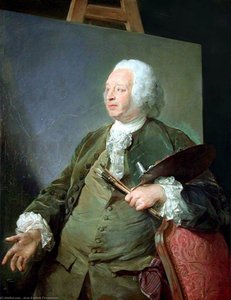
- Subject Matter: The artwork depicts a male figure presented in a three-quarter pose against a dark, indistinct background—a typical compositional choice for portraits of nobility during the Baroque period.
- Style: “Portrait d’homme” adheres to the Baroque style, prioritizing dramatic lighting and meticulous detail to convey both physical appearance and inner character. Its influence can be traced back to artists like Rembrandt and Rubens.
- Technique: Executed in oil paint on canvas, the piece demonstrates a masterful blending of brushstrokes—a hallmark of Baroque painting—resulting in smooth transitions and realistic textures. Glazes were likely employed to enhance luminosity and depth.
- Historical Context: Created around 1700-1800 (XVIIIe siècle), “Portrait d’homme” reflects the opulent artistic patronage of European royalty, particularly Louis XIV in France. It embodies the grandeur and sophistication associated with the Baroque era.
- Symbolism & Emotional Impact: The man's direct gaze communicates confidence and authority—a deliberate stylistic element intended to convey prestige and social status. The elaborate wig and clothing symbolize wealth and aristocratic lineage, evoking feelings of admiration and contemplation.
- Provenance & Context The painting’s origins lie in Toulouse, France, where Jean-François de Troy honed his artistic skills under the tutelage of masters like Claude Lefebvre and Nicolas Pierre Loir. This formative period instilled within him a meticulous approach to observation and representation—a hallmark of Baroque artistry that would continue to inform his oeuvre.
- Subject Matter & Composition The central figure is presented in a three-quarter pose against a subtly textured dark background, emphasizing the face and upper torso. De Troy skillfully employs compositional balance, positioning the subject slightly off-center to create dynamism while directing the viewer’s gaze—a technique common in portraits designed to convey confidence and authority.
A Window into the Baroque Era
“Portrait d’homme,” attributed to Jean-François de Troy (1645–1730), stands as a quintessential example of Rococo portraiture—a transitional style bridging the dramatic grandeur of the Baroque and the playful elegance of its successor. Painted sometime between 1700 and 1800, this artwork captures not merely likeness but also embodies the spirit of its time: an era defined by aristocratic patronage, refined sensibilities, and a fascination with illusionistic beauty.Srodna umetnička dela




![Three Studies Of A Woman's Head And A Study Of Hands [recto], — Žan Antoan Vato, Rococo Style](/media/artworks/images-thumb/65/73/65730255a762c06e3235059db7ffcb5f.jpg)
Biografija umetnika
Život uronjen u aristokratski sjaj
Jean-François de Troy, rođen 1645. godine u porodici duboko utopljenoj u umetničku tradiciju u Tuluze u Francuskoj, istaknuo se kao ključna figura koja je povezivala barok i rokoko period. Njegov otac, Antoine de Troy, bio je slikar nekog zapažanja imena, pruživši mladom Jean-Françoisu njegove prve temelje u osnovama umetnosti. Ovo rano izlaganje, uz njegove potonje studije kod Claudea Lefèbvreja i Nicolasa-Pierre Loira u Parizu, postavilo je temelj za karijeru koja će ga učiniti ne samo slavnim portretistom, već i omiljenim umetnikom među evropskim vladarima. Uticaj njegovog oca i majstora usadio je u njega pedantnu tehniku i sposobnost da dočara kako fizičku sličnost, tako i nijanse karaktera – veštine koje je usavršavao tokom celog života. Oženio se Jeanne Cotelle, sestrom Loirovog snaje, čime je dodatno učvrstio svoju poziciju u pariskom umetničkom svetu.Od kraljevskih porudžbina do izgnanih dvora
De Troyev rani uspeh proistekao je iz kombinacije talenta i veštog umrežavanja. Brzo je stekao naklonost istaknutih ličnosti poput Madame de Montespan, čuvene ljubavnice kralja Louisa XIV-og, preuzimajući rad na dizajnu tapiserija i slikama koje su pokazivale njegov rastući dar. Njegova sposobnost da prikaže i religiozne i mitološke teme sa elegancijom i preciznošću učinila ga je svestranim umetnikom sposobnim da se uhvati u koštac sa raznovrsnim motivima. Ipak, upravo je njegovo majstorstvo u portretizmu – posebno prikazivanje modnog društva – ono što ga je istinski izdiglo u vrh visoke umetnosti. Postao je izbor za slikara aristokratije, oživljavajući njihovu eleganciju i status na platnu. Ovaj period obeležili su portreti Louisa Auguste, Duk od Maine, i njegove suprugice Louise Bénédicte de Bourbon, čime je učvrstio svoju reputaciju hroničara aristokratskog života. Dramatičan preokret u njegovoj karijeri stigao je sa izgnanstvom kralja Jamesa II u Saint-Germain-en-Laye. De Troy je imenovan za glavnog slikara izgnanog dvora, što mu je donelo ne samo finansijsku sigurnost, već ga je postavilo u samo srce evropskih političkih intriga i umetničkog pokroviteljstva.„Tableaux de Mode“ i umetnička inovacija
Iako je bio vešt u tradicionalnom portretizmu, Jean-François de Troy se možda najbolje pamti po svojim inovativnim tableaux de mode – „slikama mode“. To nisu bili puki portreti; bili su to živopisni momenti savremenog života, koji su beležili rekreativne aktivnosti, društvene običaje i raskošno okruženje francuske gornje klase. Dela poput „Lovačkog doručka“ (1737) i „Ručka sa ostrigama“ (1735) su primeri koji prikazuju scene rafiniranog uživanja i slobodnog vremena. Ove slike nisu bile samo dekorativne; one su nudile uvid u vrednosti i težnje aristokratije, postajući sami po sebi veoma traženi simboli statusa. Ovaj jedinstveni žanr omogućio je de Troyu da pokaže svoju veštinu u prikazivanju tekstura – svila, saten, porcelan i sjaj srebra izgledali su sa neverovatnim realizmom – kao i njegovu sposobnost stvaranja dinamičnih kompozicija ispunjenih suptilnim narativnim detaljima. On nije samo slikao ljude; on je slikao način života.Nasleđe i trajni uticaj
De Troyev uticaj prevazilazio je njegov sopstveni umetnički rad. Kao direktor Francuske akademije u Rimu od 1738. godine, igrao je ulogu u oblikovanju sledeće generacije umetnika, iako je njegovo mandiranje bilo obeleženo nekim kontroverzama zbog njegovih ličnih sklonosti. Obučavao je brojne učenike, uključujući svog sina, Jean-François de Troy (mlađeg), kao i André Bouysa i Johna Clostermana, prenoseći im svoje tehničko znanje i umetnički senzibilitet. Njegovo delo je nastavilo da bude cenjeno tokom celog 18. veka, utičući na portretstvo i žanrovsku slikarstvo širom Evrope. Iako se suočavao sa nekim poteškoćama kasnije u životu – poput povlačenja iz Rima zbog ličnih sukoba – njegov doprinos francuskoj umetnosti ostaje značajan. Umro je u Parizu 1730. godine u osamdesetpetoj godini, ostavljajući za sobom nasleđe elegantnih portreta, očaravajućih tableaux de mode i trajan uticaj na umetnički pejzaž svog vremena. Njegove slike se i dalje slave zbog svoje tehničke briljantnosti, prodorne društvene komentare i neprolazne lepote – svedočanstva života posvećenog dočaravanju sjaja jedne ere. Njegovo delo nudi fascinantan prozor u svet francuske aristokratije, otkrivajući ne samo kako su izgledali, već i kako su živeli.
Žan Fransoa De Troj
1645 - 1730 , Francuska
Osnovne informacije
- Artistic Movement Or Style: Roko, Barok
- Artists Or Movements Influenced By This Artist:
- André Bouys
- John Closterman
- Artists Who Influenced This Artist:
- Claude Lefèbvre
- Nicolas-Pierre Loir
- Date Of Birth: 9. januar 1645.
- Date Of Death: 1730.
- Full Name: Jean-François de Troy
- Nationality: Francusko
- Notable Artworks:
- Richard Talbot, 1. grof...
- Lady Mary Herbert kao Dijana
- Jules Hardouin-Mansart
- Elisabeth Jacquet de la...
- Portret para u...
- Place Of Birth: Toulouse, Francuska
Povezani članci

The Rococo Aesthetic: Opulence, Rebellion & the Pursuit of Pleasure in 18th-Century Art
Explore the opulent world of Rococo art! Discover its origins, key artists like Watteau & Boucher, and lasting influence on design. Expert insights for collectors & enthusiasts.

Francisco Goya: 25 Remek-dela Španskog Majstora za Vaš Dom | ArtsDot
Istražite 25 remek-dela Francisca Goya, španskog slikara romantizma i impresionizma. Portreti, tamne slike & istorija umetnosti na ArtsDot.com! Kupite reprodukcije slika vrhunskog kvaliteta za dekoraciju enterijera. Otkrijte celu kolekciju online.
From Grandeur to Grace: Exploring the Evolution of Baroque & Rococo Art
Explore the captivating evolution from Baroque's drama to Rococo's grace! Discover key artists, characteristics & lasting influence of these art movements with expert insights at ArtsDot.

Rokoko: 10 Remek Dela Koja Su Definisala Eleganciju i Ukus
Otkrijte 10 remek dela koja su definisala rokoko umetnost! Uronite u svet Boucher-a, Watteau-a i Fragonarda. Istorija, stil i inspiracija za vaš dom. Kvalitetne reprodukcije i kuratorski odabiri na ArtsDot.com!
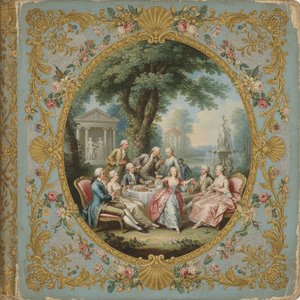
The Rococo Style: Aristocratic Leisure & the Pursuit of Delight in 18th-Century Art
Explore the opulent world of Rococo art! Discover Watteau, Boucher & Nattier's masterpieces. Expert insights for collectors seeking museum-quality reproductions and custom portraits at ArtsDot.

