

 Pregledaj u prostoru
 Pošalji
 Podeli
 Detalji o delu

 Преузми
 Slični predmeti
 Rendgenski snimak
 Slajdovi
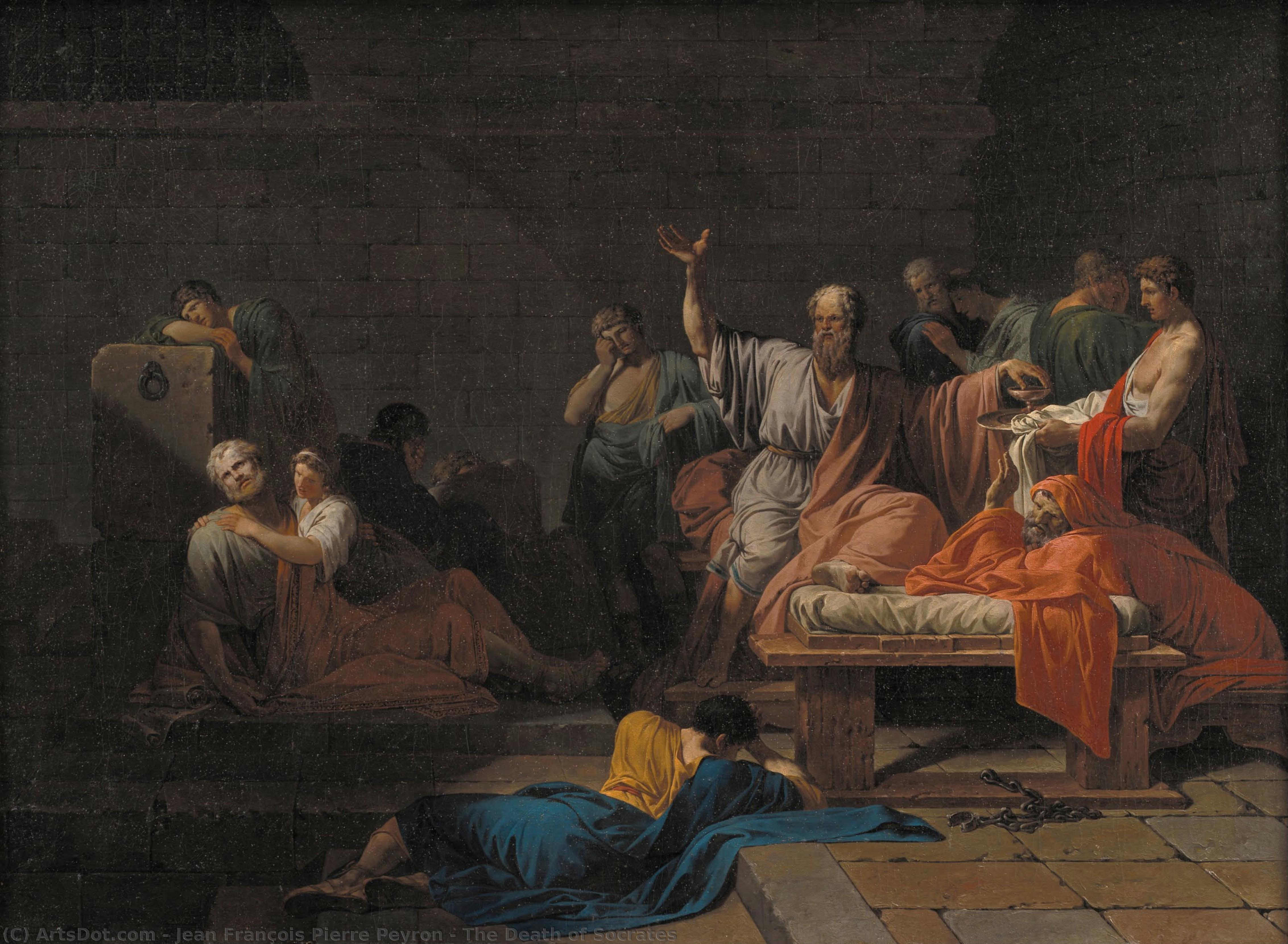
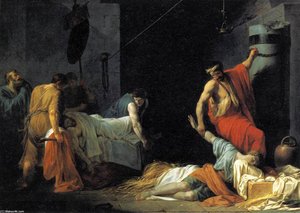
The Death of Socrates
 Oil On Canvas
- WallArt
- Neoclassicism
 1787
1787 133.0 x 98.0 cm
 Nacionalna galerija Danske
 Pročitaj više
Ručno rađena uljana reprodukcija
Ručno oslikano uljanim bojama na platnu u dimenzijama i okviru po vašem izboru, izrađeno po porudžbini od strane naših umetnika. ( Kupi print Kupi digitalnu sliku)




P118B $10

P118H $10

P118W $10

P438Z $10

P508JH $12

P508YH $12

P805H $10

P805Z $10

P919BZ $10

P919G $10

P919XJ $10

P959ZH $10

P968JZ $12

W106C $8

W218G $10

W218JH $8

W218Y $10

W307PJ $10

W316G $10

W316PJ $8

W316Y $10

W398PJ $8

W4111J $10

W500HY $15

W500JH $15

W692G $12

W849H $8

W940BG $15

W953PJ $8




Izaberite jednu od naših unapred definisanih veličina koje odgovaraju originalnim proporcijama umetničkog dela.

Можете унети сопствене димензије како бисте прилагодили дело одређеном оквиру или простору. Ако одабрана величина не одговара пропорцијама оригинала, слика ће бити исечена или проширена додатним елементима који се ручно насликавају. Дигитални prikaz ће вам бити послат на одобрење пре почетка производње.
Имајте на уму да преглед на екрану не одражава стварно исецање или проширење. Само приказ (mockup) ће тачно приказати коначну композицију.
Иако су доступне прилагођене величине, препоручујемо да одаберете димензију из дефинисане листе како бисте сачували оригиналне пропорције.
Nakon narudžbine, tim ArtsDot.com će klijentu putem e-pošte poslati uputstva i dostaviti prikaz predloženog rešenja
Isporuka širom sveta () za 3/4 nedelje umesto uobičajenih 5 nedelja. (27 август). Bez kompromisa po pitanju kvaliteta.

Besplatna ekspresna dostava širom sveta

Visokokvalitetno laneno platno

Kompletno osiguranje transporta

Garancija povraćaja carine i uvoznih dažbina

Garancija vernosti boja

Politika povrata u roku od 60 dana (samo u slučaju nedostataka)

Garancija povrata novca od 100%

Popust pri grupnoj kupovini
 Opcija sa staklom dostupna je samo za dimenzije manje od 110 cm

The Death of Socrates
Tehnika reprodukcije
Dimenzije reprodukcije
-


Konačna cena
$ 438
A Moment Frozen in Time: Peyron’s “The Death of Socrates”
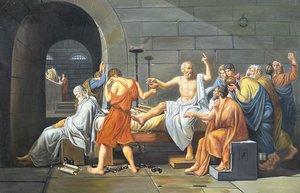
Jean-François Pierre Peyron's "The Death of Socrates," painted in 1787, isn’t merely a depiction of an ancient philosophical execution; it’s a profound meditation on mortality, virtue, and the enduring power of ideas. Captured within the dimly lit confines of a meticulously rendered salon, the painting vibrates with a palpable sense of sorrow and contemplation – a scene both tragic and strangely serene. Peyron, a rival to the celebrated Jacques-Louis David, masterfully employs the conventions of Neoclassicism, yet imbues the work with an emotional depth that transcends mere historical representation.
The subject itself—Socrates’s final moments as recounted by Plato—is inherently laden with symbolism. Here, Socrates isn't a victim of brute force, but a figure of quiet dignity facing his fate with unwavering resolve. He is shown calmly instructing his students, even as hemlock begins to claim him, embodying the Stoic ideal of accepting death with grace and continuing to pursue wisdom until the very end. The scene draws heavily from Plato’s *Phaedo*, specifically the moment where Socrates delivers a speech on the immortality of the soul, offering a final lesson to his companions before drinking the poison.
Composition and Technique: A Classical Masterpiece
Peyron's compositional choices are rooted in the established principles of Neoclassicism, mirroring the style favored by David while subtly asserting his own artistic voice. The room is structured with a deliberate sense of depth, utilizing a flattened perspective that creates a feeling of claustrophobia and intensifies the emotional impact. The back wall acts as a receding plane, drawing the viewer’s eye towards the central figure—Socrates himself—who occupies the visual center of the composition. Notice how the figures are arranged in profile or facing forward, adhering to the classical tradition of frontal presentation that emphasizes realism and clarity.
The painting is executed with remarkable technical skill. Peyron’s use of oil paints creates a smooth, polished surface, lending an almost sculptural quality to the drapery and flesh tones. The dramatic lighting—a chiaroscuro effect—casts deep shadows, highlighting the faces of the mourners and emphasizing their expressions of grief. The artist's attention to detail is evident in the rendering of fabrics, the subtle nuances of skin texture, and the carefully sculpted forms of the architectural elements within the room. It’s a testament to Peyron’s mastery of his craft.
Color, Symbolism, and Historical Context
The color palette is predominantly dark—browns, ochres, muted blues, and reds—contributing significantly to the painting's somber mood. These earthy tones evoke a sense of mourning and loss, while the strategic use of brighter hues—particularly in the robes of Socrates and Plato—draws attention to these key figures and reinforces their importance within the scene. The red robe worn by the man offering the cup is particularly striking, symbolizing the impending death and the finality of Socrates’s sacrifice.
“The Death of Socrates” was created during a period of significant social and political upheaval in France—the late 18th century, on the cusp of the French Revolution. Socrates's trial and execution represented a powerful symbol of intellectual freedom and resistance to tyranny, ideals that resonated deeply with many contemporary thinkers. Commissioned by the King’s Minister for Culture, the painting served as a subtle endorsement of these values, aligning itself with the burgeoning spirit of Enlightenment thought.
A Timeless Reflection on Mortality
Ultimately, Peyron's "The Death of Socrates" transcends its historical context to offer a timeless meditation on mortality, virtue, and the pursuit of knowledge. It’s not simply a depiction of an event; it’s an exploration of the human condition—a poignant reminder of our own vulnerability in the face of death and the enduring importance of living a life guided by wisdom and integrity. The painting continues to captivate viewers with its emotional intensity, technical brilliance, and profound philosophical themes.
Srodna umetnička dela


Biografija umetnika
A Legacy of Neoclassical Grace: The Life of Jean-François Pierre Peyron
In the grand, sweeping tapestry of the Neoclassical era, where the shadows of antiquity met the burgeoning light of modern French identity, Jean-François Pierre Peyron emerged as a painter of profound sensitivity and technical poise. Born in Aix-en-Provence in 1745 to a family steeped in the decorative arts, Peyron’s early life was shaped by the meticulous craftsmanship of his father, Jacob Sablet. This foundational exposure to the nuances of gilding and ornamentation instilled in him a lifelong reverence for detail and a unique ability to weave texture and light into his compositions. Alongside his brother, Jacques-Henri Sablet, Peyron navigated the rigorous corridors of the Académie royale de peinture et de sculpture in Paris, where the disciplined teachings of Joseph-Marie Vien provided the classical bedrock upon which his artistic soul would be built.
The trajectory of Peyron’s career was inextricably linked to the pursuit of the sublime. Following his mentor Vien to Rome in 1775, Peyron entered a world of ancient ruins and philosophical echoes, an environment that breathed life into his historical ambitions. While history often casts him as a contemporary rival to the titan Jacques-Louis David, such a comparison overlooks the distinct, more lyrical quality of Peyron’s hand. Where others sought a stark, severe austerity, Peyron embraced a more nuanced approach to the human condition, blending the structural integrity of Neoclassicism with an emotive depth that resonated with the era's fascination for drama and moral gravity.
Mastery of Emotion and the Classical Ideal
Peyron’s oeuvre serves as a window into the heart of late 18th-century aesthetic values. His work often transcended mere imitation of the past, seeking instead to capture the eternal through the lens of the contemporary. He found particular success in portraiture, genre painting, and landscapes, each subject treated with a meticulousness that spoke to his training in the decorative arts. However, it is in his historical compositions where his true genius for storytelling shines most brightly. Through the use of dramatic chiaroscuro and carefully orchestrated figures, he transformed classical narratives into visceral human experiences.
One cannot discuss Peyron without contemplating his profound engagement with themes of sacrifice and wisdom, most notably seen in his interpretations of "The Death of Socrates." In these works, the artist captures more than just a historical event; he captures a moment of spiritual transcendence. The interplay of light and shadow serves to highlight the stoic resolve of the philosopher, turning a scene of execution into a timeless symbol of intellectual courage. His ability to imbant classical subjects with such palpable emotion allowed him to stand apart from the more rigid academic styles of his peers, offering a vision that was as much about the internal struggle of the soul as it was about the external grandeur of antiquity.
Historical Significance and Artistic Enduring Spirit
Though the tides of art history eventually shifted toward Romanticism and beyond, the significance of Jean-François Pierre Peyron remains etched in the evolution of French painting. He represented a vital bridge between the decorative elegance of the Rococo's twilight and the disciplined moralism of the Neoclassical peak. His life was a testament to the pursuit of excellence amidst the shadows of giants, proving that even in an age dominated by singular personalities, there was profound space for a more nuanced, emotive classical voice.
The enduring legacy of Peyron can be summarized through several key artistic contributions:
- Synthesis of Styles: The seamless integration of decorative precision with the monumental scale of historical painting.
- Emotional Depth: A departure from purely didactic art toward a more empathetic and psychologically resonant portrayal of classical figures.
- Technical Versatility: Mastery across diverse genres, including portraiture, landscape, and complex historical narratives.
- Cultural Connection: His role in maintaining the vitality of the French Neoclassical movement during its most transformative decades.
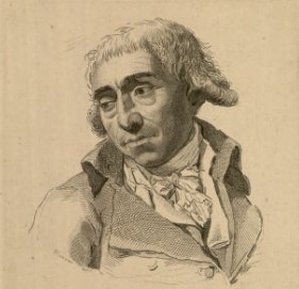
jean françois pierre peyron
1745 - 1819 , France
Osnovne informacije
- Artistic Movement Or Style: Neoclassical painting
- Artists Or Movements Influenced By This Artist: ['Jacques Louis David']
- Artists Who Influenced This Artist: ['Joseph Marie Vien']
- Date Of Birth: 1745
- Full Name: Jean-François Pierre Peyron
- Nationality: French
- Notable Artworks:
- The Death of Socrates
- The Funeral of Miltiades
- Place Of Birth: Aix-en-Provence, France
Povezani članci
Jacques-Louis David: Neoclassical Ideals & Revolutionary Witness
Explore the life & art of Jacques-Louis David, leading Neoclassical painter of the French Revolution. Discover iconic works like 'The Death of Marat' and his lasting impact on art history. Expert analysis & high-quality reproductions at ArtsDot.
Najboljih 10 Neoklasičkih Remek-Dela: Umetnoska Istorija i Luksuzni Dekor
Otkrijte 10 remek dela neoklasicizma! Istražite David, Jacques-Louis David i druge genijalce. Umetnoska istorija i inspiracija za luksuzni enterijer. Kupite reprodukcije vrhunskog kvaliteta na ArtsDot.com!
Charles Le Brun: Master of French Baroque Classicism & His Enduring Legacy
Explore the life & art of Charles Le Brun, master of French Baroque Classicism. Discover his royal commissions, influence on Versailles, and enduring legacy through detailed analysis & stunning artworks.
Simon Vouet: A Baroque Master's Journey from Italian Influence to French Classicism
Explore the life & art of Simon Vouet, a pivotal French Baroque painter who introduced Italian styles to France. Discover his masterpieces and lasting influence on 17th-century art.

The Revival of Antiquity: Exploring Neoclassical Art's Ideals & Enduring Legacy
Explore the revival of classical ideals in Neoclassical art! Discover Jacques-Louis David & the movement's impact on painting, sculpture & architecture. Expert insights & high-quality reproductions at ArtsDot.

