

 Pregledaj u prostoru
 Pošalji
 Podeli
 Detalji o delu

 Преузми
 Slični predmeti
 Rendgenski snimak
 Slajdovi
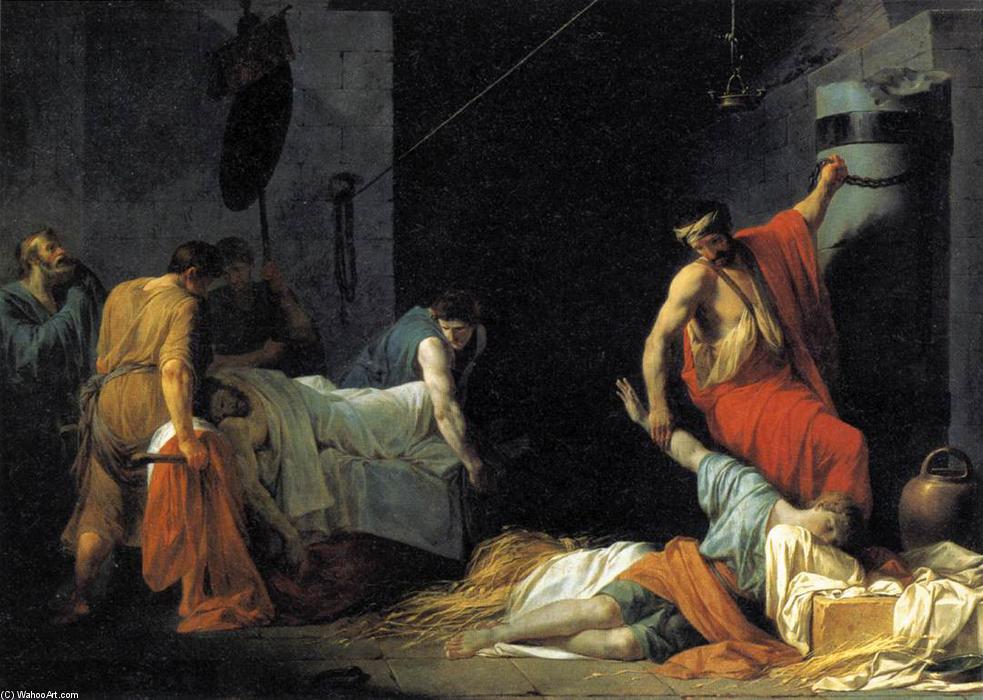
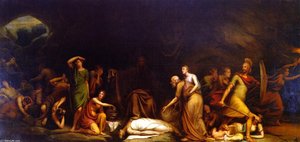
The Funeral of Miltiades
 Acrylic On Canvas
- WallArt
- Neoclassical Style
 1782
1782 98.0 x 136.0 cm
 Louvre
 Pročitaj više
Ručno rađena uljana reprodukcija
Ručno oslikano uljanim bojama na platnu u dimenzijama i okviru po vašem izboru, izrađeno po porudžbini od strane naših umetnika. ( Kupi print Kupi digitalnu sliku)




































Izaberite jednu od naših unapred definisanih veličina koje odgovaraju originalnim proporcijama umetničkog dela.

Можете унети сопствене димензије како бисте прилагодили дело одређеном оквиру или простору. Ако одабрана величина не одговара пропорцијама оригинала, слика ће бити исечена или проширена додатним елементима који се ручно насликавају. Дигитални prikaz ће вам бити послат на одобрење пре почетка производње.
Имајте на уму да преглед на екрану не одражава стварно исецање или проширење. Само приказ (mockup) ће тачно приказати коначну композицију.
Иако су доступне прилагођене величине, препоручујемо да одаберете димензију из дефинисане листе како бисте сачували оригиналне пропорције.
Nakon narudžbine, tim ArtsDot.com će klijentu putem e-pošte poslati uputstva i dostaviti prikaz predloženog rešenja
Isporuka širom sveta () za 3/4 nedelje umesto uobičajenih 5 nedelja. (2 септембар). Bez kompromisa po pitanju kvaliteta.

Besplatna ekspresna dostava širom sveta

Visokokvalitetno laneno platno

Kompletno osiguranje transporta

Garancija povraćaja carine i uvoznih dažbina

Garancija vernosti boja

Politika povrata u roku od 60 dana (samo u slučaju nedostataka)

Garancija povrata novca od 100%

Popust pri grupnoj kupovini
 Opcija sa staklom dostupna je samo za dimenzije manje od 110 cm

The Funeral of Miltiades
Tehnika reprodukcije
Dimenzije reprodukcije
-


Konačna cena
$ 388
The Funeral of Miltiades: A Study in Somber Majesty
The painting “The Funeral of Miltiades” by Jean-François Pierre Peyron isn’t merely an image; it's a carefully constructed meditation on grief, honor, and the enduring legacy of classical ideals. Executed in 1782 during the height of Neoclassical fervor in Rome—a period dedicated to reviving the grandeur of ancient Greece and Rome—this monumental oil on canvas transcends its formal constraints to deliver a profoundly emotive experience. Housed within the Musée du Louvre, it stands as a testament to Peyron’s mastery of technique and his unwavering commitment to capturing the solemn dignity demanded by artistic excellence.Composition and Style: Echoes of Antiquity
Peyron's compositional choices immediately establish a connection with the visual language of antiquity. Employing a pyramidal structure—a favored device in Neoclassical art—the artist elevates Miltiades, draped in scarlet robes and borne aloft by attendants, to the apex of the scene. This deliberate arrangement directs the viewer’s gaze upwards, symbolizing reverence for the deceased and reinforcing the painting's overarching theme of solemnity. The surrounding figures are rendered with meticulous detail, mirroring the idealized representations found in sculptures and frescoes of the era. Their postures convey grief and respect—expressions carefully calibrated to evoke empathy within the observer. The muted color palette—dominated by browns, grays, and beige—further underscores the melancholic mood, eschewing vibrant hues for a tonal scheme that prioritizes subtlety and emotional resonance.Technique: Mastering Chiaroscuro
Peyron’s technical prowess is particularly evident in his masterful manipulation of chiaroscuro – the dramatic interplay between light and dark – a technique championed by artists like Caravaggio and Rembrandt, and considered paramount to conveying psychological depth. Strong contrasts illuminate Miltiades' body and the faces of those surrounding him, highlighting their expressions of sorrow while simultaneously plunging the background into shadow. This skillful use of tonal gradation creates an illusion of volume and texture, lending palpable physicality to the figures and enhancing the painting’s dramatic impact. The artist meticulously observed the nuances of light reflecting off surfaces—the polished stone walls of the interior space and the draped fabric—resulting in a remarkably realistic depiction that captures the atmosphere of mourning with breathtaking precision.Historical Context: Rome's Revival Under Enlightenment Ideals
“The Funeral of Miltiades” emerged from a pivotal moment in European intellectual history – the Enlightenment. Artists like Peyron sought inspiration from classical antiquity, viewing it as embodying rationality, virtue, and moral order—values antithetical to the excesses of Baroque art. The painting reflects the broader cultural preoccupation with reviving Greco-Roman ideals, mirroring the architectural commissions and artistic endeavors undertaken during Pope Clement XI’s reign. This revival wasn't merely decorative; it represented a concerted effort to reaffirm humanist values and elevate artistic standards, cementing Neoclassicism as the dominant aesthetic of its time.Symbolism: Grief and Remembrance
Beyond its formal elements, “The Funeral of Miltiades” is laden with symbolic significance. The scarlet robes worn by Miltiades’ bearers symbolize honor and nobility—a poignant reminder of his distinguished service to Athens. The darkened room serves as a visual metaphor for death itself—representing the inescapable passage of time and the finality of earthly existence. Furthermore, the solemn expressions on the faces of the mourners convey the universal experience of grief—a testament to humanity’s capacity for empathy and remembrance. Peyron's deliberate choices communicate not just what is seen but also what is felt—creating a work that transcends its historical context and speaks directly to the viewer’s emotional core.Emotional Impact: A Portrait of Dignified Sorrow
Ultimately, “The Funeral of Miltiades” succeeds in conveying a profound sense of dignified sorrow. The painting's subdued palette, coupled with masterful chiaroscuro and carefully considered composition, fosters an atmosphere of contemplative solemnity. It invites viewers to contemplate themes of loss, honor, and the enduring power of memory—provoking reflection on mortality and celebrating the beauty found within moments of grief. Peyron’s achievement lies in transforming a subject matter steeped in tragedy into an artwork imbued with grace and nobility—a testament to his artistic vision and his unwavering dedication to capturing the essence of human emotion.Srodna umetnička dela


Biografija umetnika
A Legacy of Neoclassical Grace: The Life of Jean-François Pierre Peyron
In the grand, sweeping tapestry of the Neoclassical era, where the shadows of antiquity met the burgeoning light of modern French identity, Jean-François Pierre Peyron emerged as a painter of profound sensitivity and technical poise. Born in Aix-en-Provence in 1745 to a family steeped in the decorative arts, Peyron’s early life was shaped by the meticulous craftsmanship of his father, Jacob Sablet. This foundational exposure to the nuances of gilding and ornamentation instilled in him a lifelong reverence for detail and a unique ability to weave texture and light into his compositions. Alongside his brother, Jacques-Henri Sablet, Peyron navigated the rigorous corridors of the Académie royale de peinture et de sculpture in Paris, where the disciplined teachings of Joseph-Marie Vien provided the classical bedrock upon which his artistic soul would be built.
The trajectory of Peyron’s career was inextricably linked to the pursuit of the sublime. Following his mentor Vien to Rome in 1775, Peyron entered a world of ancient ruins and philosophical echoes, an environment that breathed life into his historical ambitions. While history often casts him as a contemporary rival to the titan Jacques-Louis David, such a comparison overlooks the distinct, more lyrical quality of Peyron’s hand. Where others sought a stark, severe austerity, Peyron embraced a more nuanced approach to the human condition, blending the structural integrity of Neoclassicism with an emotive depth that resonated with the era's fascination for drama and moral gravity.
Mastery of Emotion and the Classical Ideal
Peyron’s oeuvre serves as a window into the heart of late 18th-century aesthetic values. His work often transcended mere imitation of the past, seeking instead to capture the eternal through the lens of the contemporary. He found particular success in portraiture, genre painting, and landscapes, each subject treated with a meticulousness that spoke to his training in the decorative arts. However, it is in his historical compositions where his true genius for storytelling shines most brightly. Through the use of dramatic chiaroscuro and carefully orchestrated figures, he transformed classical narratives into visceral human experiences.
One cannot discuss Peyron without contemplating his profound engagement with themes of sacrifice and wisdom, most notably seen in his interpretations of "The Death of Socrates." In these works, the artist captures more than just a historical event; he captures a moment of spiritual transcendence. The interplay of light and shadow serves to highlight the stoic resolve of the philosopher, turning a scene of execution into a timeless symbol of intellectual courage. His ability to imbant classical subjects with such palpable emotion allowed him to stand apart from the more rigid academic styles of his peers, offering a vision that was as much about the internal struggle of the soul as it was about the external grandeur of antiquity.
Historical Significance and Artistic Enduring Spirit
Though the tides of art history eventually shifted toward Romanticism and beyond, the significance of Jean-François Pierre Peyron remains etched in the evolution of French painting. He represented a vital bridge between the decorative elegance of the Rococo's twilight and the disciplined moralism of the Neoclassical peak. His life was a testament to the pursuit of excellence amidst the shadows of giants, proving that even in an age dominated by singular personalities, there was profound space for a more nuanced, emotive classical voice.
The enduring legacy of Peyron can be summarized through several key artistic contributions:
- Synthesis of Styles: The seamless integration of decorative precision with the monumental scale of historical painting.
- Emotional Depth: A departure from purely didactic art toward a more empathetic and psychologically resonant portrayal of classical figures.
- Technical Versatility: Mastery across diverse genres, including portraiture, landscape, and complex historical narratives.
- Cultural Connection: His role in maintaining the vitality of the French Neoclassical movement during its most transformative decades.
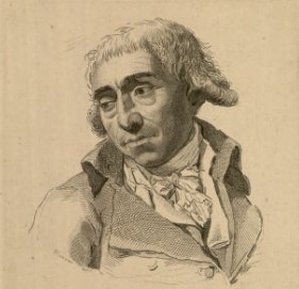
jean françois pierre peyron
1745 - 1819 , France
Osnovne informacije
- Artistic Movement Or Style: Neoclassical painting
- Artists Or Movements Influenced By This Artist: ['Jacques Louis David']
- Artists Who Influenced This Artist: ['Joseph Marie Vien']
- Date Of Birth: 1745
- Full Name: Jean-François Pierre Peyron
- Nationality: French
- Notable Artworks:
- The Death of Socrates
- The Funeral of Miltiades
- Place Of Birth: Aix-en-Provence, France
Povezani članci

25 Remek-dela Luvra: Putovanje kroz vekove umetnosti i lepote | ArtsDot.com
Otkrijte 25 remek-dela Luvra! Istražite priče iza Mona Lize, Venere Miloske i drugih ikona umetnosti. Reprodukcije slika vrhunskog kvaliteta za vaš enterijer. Leonardo da Vinci, renesansa & više na ArtsDot.com
Najboljih 10 Neoklasičkih Remek-Dela: Umetnoska Istorija i Luksuzni Dekor
Otkrijte 10 remek dela neoklasicizma! Istražite David, Jacques-Louis David i druge genijalce. Umetnoska istorija i inspiracija za luksuzni enterijer. Kupite reprodukcije vrhunskog kvaliteta na ArtsDot.com!
Jean-François Millet: Realism, Rural Life & the Poetic Depiction of Labor
Explore the life & work of Jean-François Millet, a founder of Realism. Discover his poignant depictions of rural France, iconic paintings like 'The Angelus,' and lasting influence on art history. Learn more at ArtsDot.
Jacques-Louis David: Neoclassical Ideals & Revolutionary Witness
Explore the life & art of Jacques-Louis David, leading Neoclassical painter of the French Revolution. Discover iconic works like 'The Death of Marat' and his lasting impact on art history. Expert analysis & high-quality reproductions at ArtsDot.

The Revival of Antiquity: Exploring Neoclassical Art's Ideals & Enduring Legacy
Explore the revival of classical ideals in Neoclassical art! Discover Jacques-Louis David & the movement's impact on painting, sculpture & architecture. Expert insights & high-quality reproductions at ArtsDot.

