

 Pregledaj u prostoru
 Pošalji
 Podeli
 Detalji o delu

 Преузми
 Slični predmeti
 Rendgenski snimak
 Slajdovi
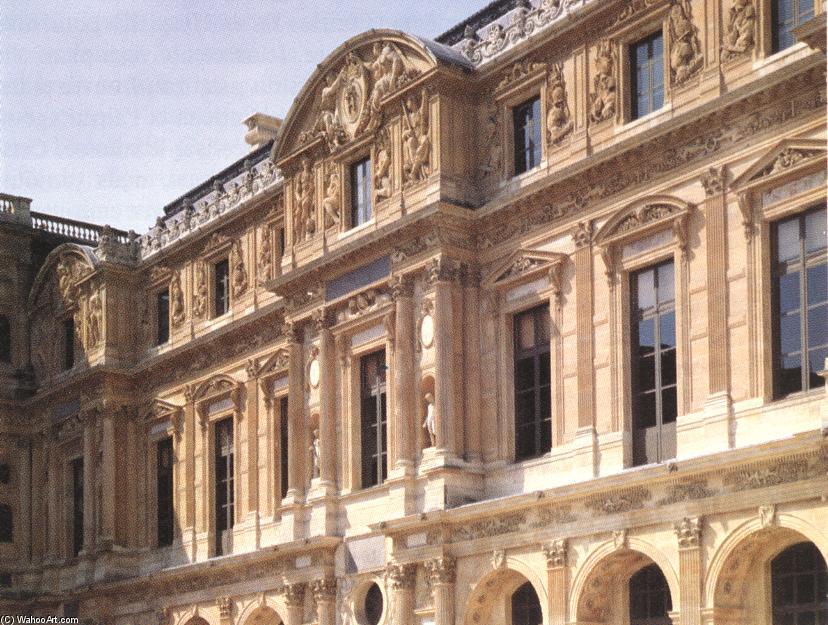
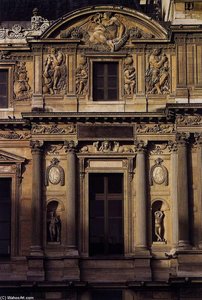
Façade of the Cour Carrée (wing Lescot)


 Pročitaj više
Ručno rađena uljana reprodukcija
Ručno oslikano uljanim bojama na platnu u dimenzijama i okviru po vašem izboru, izrađeno po porudžbini od strane naših umetnika. ( Kupi print Kupi digitalnu sliku)




P118B $10

P118H $10

P118W $10

P438Z $10

P508JH $12

P508YH $12

P805H $10

P805Z $10

P919BZ $10

P919G $10

P919XJ $10

P959ZH $10

P968JZ $12

W106C $8

W218G $10

W218JH $8

W218Y $10

W307PJ $10

W316G $10

W316PJ $8

W316Y $10

W398PJ $8

W4111J $10

W500HY $15

W500JH $15

W692G $12

W849H $8

W940BG $15

W953PJ $8




Izaberite jednu od naših unapred definisanih veličina koje odgovaraju originalnim proporcijama umetničkog dela.

Можете унети сопствене димензије како бисте прилагодили дело одређеном оквиру или простору. Ако одабрана величина не одговара пропорцијама оригинала, слика ће бити исечена или проширена додатним елементима који се ручно насликавају. Дигитални prikaz ће вам бити послат на одобрење пре почетка производње.
Имајте на уму да преглед на екрану не одражава стварно исецање или проширење. Само приказ (mockup) ће тачно приказати коначну композицију.
Иако су доступне прилагођене величине, препоручујемо да одаберете димензију из дефинисане листе како бисте сачували оригиналне пропорције.
Nakon narudžbine, tim ArtsDot.com će klijentu putem e-pošte poslati uputstva i dostaviti prikaz predloženog rešenja
Isporuka širom sveta () za 3/4 nedelje umesto uobičajenih 5 nedelja. (23 август). Bez kompromisa po pitanju kvaliteta.

Besplatna ekspresna dostava širom sveta

Visokokvalitetno laneno platno

Kompletno osiguranje transporta

Garancija povraćaja carine i uvoznih dažbina

Garancija vernosti boja

Politika povrata u roku od 60 dana (samo u slučaju nedostataka)

Garancija povrata novca od 100%

Popust pri grupnoj kupovini
 Opcija sa staklom dostupna je samo za dimenzije manje od 110 cm

Façade of the Cour Carrée (wing Lescot)
Tehnika reprodukcije
Dimenzije reprodukcije
-


Konačna cena
$ 263
Opis umetničkog dela
The Cour Carrée’s Echoes: Jean Goujon's Facade of the Lescot Wing
Within the labyrinthine heart of the Louvre Museum lies a space that whispers tales of Renaissance grandeur and royal ambition – the Cour Carrée, specifically its western wing designed by Pierre Lescot and adorned with the masterful sculptures of Jean Goujon. This isn’t merely a façade; it's a meticulously crafted dialogue between classical ideals, Mannerist dynamism, and the burgeoning spirit of French art. The image presented here captures a pivotal moment within this conversation: a section of the Cour Carrée bathed in the warm glow of sunlight, revealing the intricate stonework, the proud stance of its columns, and the subtle drama of Goujon’s figures – a testament to his profound influence on Parisian architecture and sculpture.
Goujon's work here transcends simple decoration. He was tasked with breathing life into Lescot’s ambitious design, transforming a purely structural framework into a vibrant tapestry of allegorical narratives and classical references. The late 16th century in France was a period of intense artistic exchange, fueled by the rediscovery of Roman sculpture and the influence of Italian Renaissance masters. Goujon skillfully absorbed these influences, adapting them to his own unique vision while firmly establishing himself as a leading voice within the French art world. The photograph’s lighting emphasizes the textures of the stone – the rough-hewn surfaces contrasting with the polished details of the Corinthian capitals and the delicate carvings adorning the pediments.
A Dance Between Classicism and Mannerism
Goujon's style is characterized by a captivating tension between the restraint of classical principles and the expressive exuberance of Mannerism. While rooted in Roman sculpture, his figures possess an undeniable sense of movement and dynamism – elongated limbs, subtly twisted poses, and a heightened emotional intensity that departs from the more static depictions favored by earlier Renaissance artists. This isn’t a slavish imitation; it's a sophisticated synthesis, reflecting the evolving artistic sensibilities of the time. Notice how the drapery, particularly in the depiction of the figures above the windows, flows with an almost liquid quality, hinting at the influence of Italian Mannerist sculptors like Rosso Fiorentino and Giulio Romano.
The architectural elements further contribute to this dynamic interplay. The deep recesses of the arches, the projecting pavilions, and the sloping Mansard roof – all hallmarks of Lescot’s design – are subtly enhanced by Goujon's sculptural embellishments. The oeil-de-boeuf windows, with their distinctive arched openings, become focal points for the allegorical figures, creating a visual rhythm that guides the eye across the façade. The placement and scale of these elements demonstrate a keen understanding of spatial relationships and a masterful command of architectural form.
Symbolism and Royal Authority
Beyond its aesthetic qualities, Goujon’s sculpture is laden with symbolic meaning, reflecting the power and authority of the French monarchy. The figures adorning the façade – warriors, goddesses, allegorical representations of virtues – were not merely decorative; they served as visual pronouncements of royal legitimacy and divine right. The depiction of Victory, for example, embodies the triumph of France under Henry II, while the presence of classical deities underscores the connection between French royalty and the legacy of Roman civilization. The careful selection and arrangement of these symbols reinforced the image of a strong, stable, and divinely ordained kingdom.
The photograph’s composition subtly reinforces this sense of grandeur. The sunlight illuminating the façade creates a dramatic effect, highlighting the richness of the materials and the intricate details of the sculptures. It's as if the light itself is celebrating the power and majesty of the French monarchy. The watermark on the image – “© Waheeda Art” – serves as a reminder that this artwork, like so many others within the Louvre’s collection, has been carefully preserved and presented for public enjoyment.
A Legacy in Stone
Jean Goujon's Facade of the Cour Carrée is more than just a beautiful building; it’s a profound statement about the artistic and cultural landscape of 16th-century France. His work represents a pivotal moment in the development of French Renaissance architecture and sculpture, bridging the gap between classical ideals and Mannerist dynamism. Reproductions of this iconic façade offer a unique opportunity to bring this masterpiece into your own space, allowing you to experience firsthand the beauty, symbolism, and historical significance of one of Paris’s most treasured landmarks.
Srodna umetnička dela
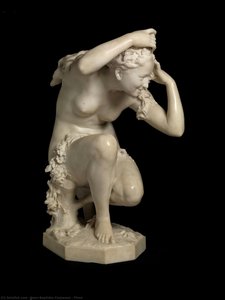
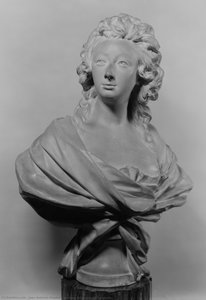
Biografija umetnika
Skulptor koji je oblikovao parizanski šarm
Žan Đuon (oko 1510. – oko 1567.) predstavlja temelj francuske renesansne skulpture i arhitekture, oličavajući stilski žar manirizma dok se istovremeno utemeljivao u klasičnim idealima. Rođen u Normandiji, njegov rani život ostaje prekriven senkom nepoznatosti, ali je njegov plodni rad brzo učvrstio njegovo ime kao jedan od vodećih umetničkih glasova tog doba — što je svedočanstvo njegovog izuzetnog talenta i nepokolebljive posvećenosti zanatu. Đuonovo putovanje počelo je formativnim iskustvima u Italiji, gde je upijao veličinu rimske skulpture i integrisao njene principe u sopstveni prepoznatljiv stil. Ovaj uticaj je opipljiv kroz celokupno njegovo delo, posebno uočljiv u majstorskom rukovanju draperijom i anatomskoj preciznosti.
Njegov umetnički uspon počeo je u katedrali u Ruanu (1541–42), gde je preduzeo monumentalni zadatak izrade spomenika grobu Luja de Brezea, señore d'Anet — angažman koji je prikazao njegov rastući talenat i ambiciju. Ovaj ambiciozni projekat učvrstio je njegovu reputaciju usledne zvezde u francuskom skulptorskom pejzažu. Istovremeno, usavršavao je svoje arhitektonsko umeće u crkvi Saint-Maclou, pokazujući urođenu sposobnost da spoji umetničku viziju sa stručnim inženjeringom. Rezultujući edific je ostao veličanstven primer renesansne sakralne arhitekture, odražavajući Đuonovu posvećenost kako estetskoj lepoti, tako i funkcionalnom integritetu.
Partnerstvo vizionarskog veličanstva
Preselivši se u Pariz 1544. godine, Đuon je stupio u ključno partnerstvo sa Pjerom Leskom, arhitektom koji je nadgledao ambicioznu rekonstrukciju katedrale Saint-Germain-l'Auxerrois. Zajedno su osmislili i izveli zadivljujuće skulpturalne dekoracije — najistaknutije pulpit (amvon) — remek-delo koje je oličilo na Leskov senzibilitet novog klasicizma i Đuonovu majstorsku tehniku draperije. Ova era saradnje definisala je vizuelni jezik francuske renesanse, dok je Đuon počeo da uliva osećaj fluidnog pokreta i eterične gracioznosti u sam kamen.
Vrhunac njegovog uticaja možda je najvidljiv u njegovom doprinosu Luvru. Njegov rad na Façade of the Cour Carrée (wing Lescot) ostaje ikonično dostignuće, prikazujući klasičnu eleganciju kroz zamršene rezbare koje odražavaju francusku umetničku briljantnost. U ovim delima može se uočiti delikatna igra svetlosti i senke preko isklesanih figura, što je zaštitni znak njegove sposobnosti da udahne život u hladni mermer. Njegovo majstorstvo se proširilo i na Façade of the Louvre (detail), gde je njegova izuzetna pažnja posvećena detaljima stvorila remek-delo manirističkog stila, spajajući klasičnu eleganciju sa složenim rezbarama koje i vekovima fasciniraju posetioce.
Nasleđe gracioznosti i klasične forme
Đuonovo nasleđe definiše neprevaziđena sposobnost harmonizovanja tenzije manirizma sa spokojom klasicizma. Njegove skulpture često prikazuju nimfe i alegorijske figure koje kao da lebde unutar svojih arhitektonskih okruženja, što je tehnika najpoznatije realizovana u njegovim Karijatidama. ovih deset majstorskih figura predstavljaju vrhunac francuske renesansne skulpture 16. veka, donoseći gledaocu osećaj klasičnog veličanstva i sofisticirane elegancije. Kroz ova dela, Đuon je uradio više od dekorisanja zgrada; on je isklesao sam identitet francuskog estetskog prefinjenosti.
Istorijski značaj njegovog rada ne može se preuveličati, jer je njegov pristup anatomiji i draperiji uticao na generacije evropskih umetnika. Njegova sposobnost da transformiše težak kamen u tečne, ritmične forme postavila je standard za francuski klasicizam koji bi opstao dugo nakon njegove smrti. Danas, ostaci njegovog genija — od zamrštenih detalja krila Luvra do njegovog dubokog uticaja na arhitektonsku ornamentiku — služe kao trajni dokaz čoveka koji je zaista oblikovao eleganciju Pariza.
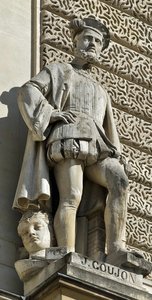
Žan Gugon
1510 - 1567 , Francuska
Osnovne informacije
- Artistic Movement Or Style: Manirizam
- Artists Or Movements Influenced By This Artist: ['Francuski klasicizam']
- Artists Who Influenced This Artist: ['Michelangelo']
- Date Of Birth: oko 1510. Normandija, Francuska
- Date Of Death: oko 1567.
- Full Name: Jean Goujon
- Nationality: Francusko
- Notable Artworks:
- Nimfe (detalj)
- Pieta
- Rat i mir
- Fontaine des Innocents
- Skulpture u Luvru
- Place Of Birth: Normandija, Francuska
Povezani članci

Bronze Sculptures That Defined Art History | ArtsDot
Journey through art history with our Top 10 bronze sculptures! Explore masterpieces by Rodin, Michelangelo & more. Discover stories behind iconic statues and find museum-quality reproductions for your home decor at ArtsDot.com.

The Enduring Form: Exploring Themes & Techniques in Sculpture Across Historical Periods
Explore the rich history of sculpture from ancient masterpieces to contemporary innovations. Discover key techniques, influential artists & investment potential for discerning art collectors.

Bronze Age to Modern Masters: 10 Sculptures That Redefined Art | ArtsDot
Journey through art history with 10 legendary bronze sculptures – from Michelangelo's David to Rodin’s Thinker. Explore the stories, techniques & timeless beauty of these masterpieces. Find museum-quality reproductions & elevate your home decor on ArtsDot.com.
The Enduring Form: Sculpture Across History, Technique & Emotional Resonance
Explore the rich history of sculpture with ArtsDot. Discover key techniques, influential artists & investment potential for discerning collectors. Expert insights into valuing and collecting timeless masterpieces.
25 Remek-dela Luvra: Putovanje kroz vekove umetnosti i lepote | ArtsDot.com
Otkrijte 25 remek-dela Luvra! Istražite priče iza Mona Lize, Venere Miloske i drugih ikona umetnosti. Reprodukcije slika vrhunskog kvaliteta za vaš enterijer. Leonardo da Vinci, renesansa & više na ArtsDot.com

