

 Pregledaj u prostoru
 Pošalji
 Podeli
 Detalji o delu

 Преузми
 Slični predmeti
 Rendgenski snimak
 Slajdovi
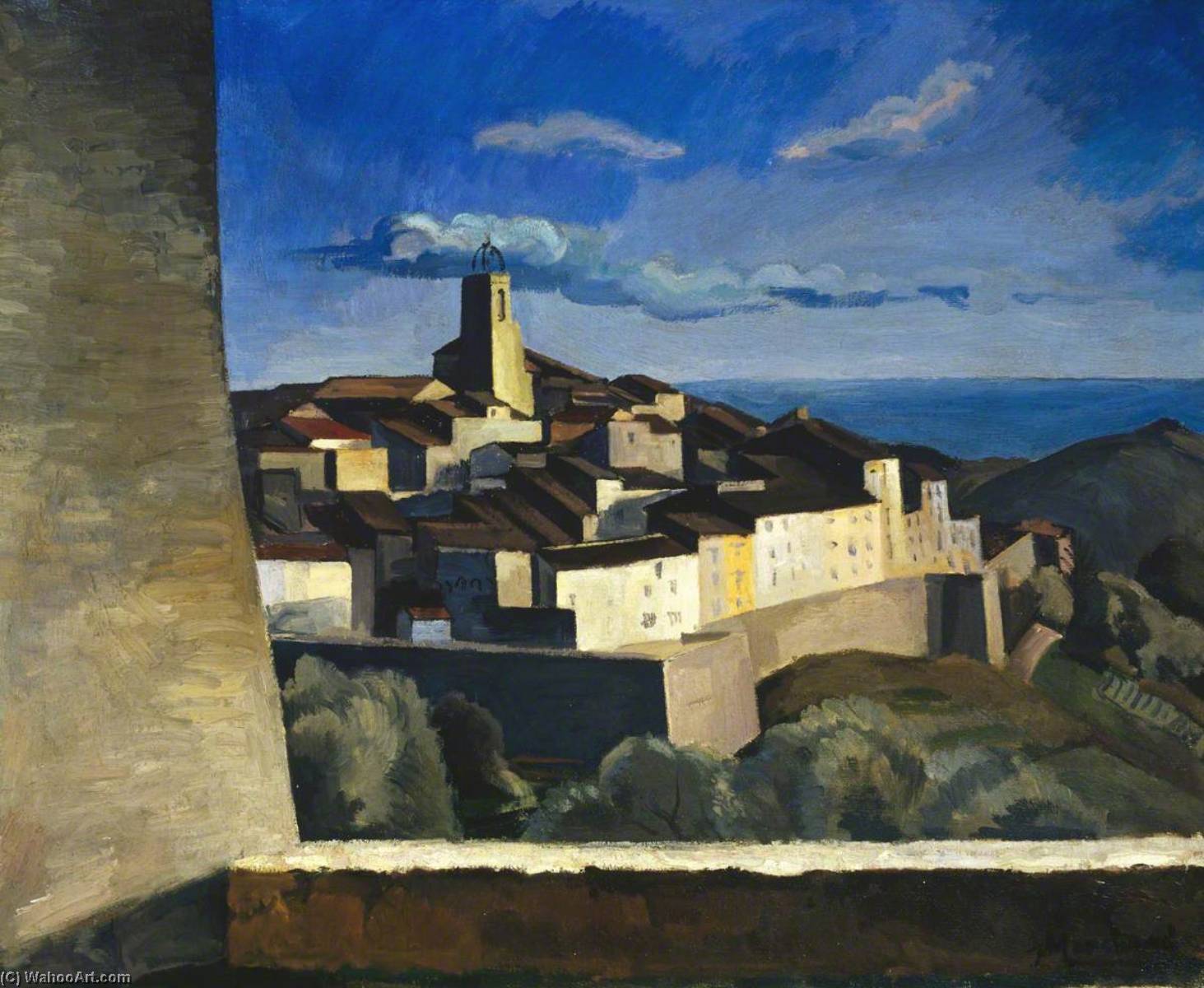
Saint Paul, Côte d'Azur
 1921
1921 80.0 x 94.0 cm
 Courtauld Gallery
 Pročitaj više
Giclee štampa / Umetnički otisak
Giclée štampa ili print na platnu muzejskog kvaliteta uz brzu proizvodnju i fleksibilne opcije završne obrade. ( Kupi ručno naslikanu sliku Kupi digitalnu sliku)




































Izaberite jednu od naših unapred definisanih veličina koje odgovaraju originalnim proporcijama umetničkog dela.

Možete uneti sopstvene dimenzije kako biste umetničko delo prilagodili specifičnom okviru ili prostoru. Ako odabrani format ne odgovara proporcijama originalne slike, mi ćemo ili iscrtati deo dela ili proširiti sliku pomoću ogledane ivice ili jednobojnog popunjavanja. Digitalni prikaz će vam biti poslat na odobrenje pre početka proizvodnje.
Imajte na umu da pregled na ekranu ne odražava stvarno iscrtavanje ili proširivanje. Samo će prikaz (mockup) precizno pokazati finalnu kompoziciju.
Iako su prilagođene dimenzije dostupne, preporučujemo da odaberete dimenziju sa unapred definisane liste kako biste očuvali originalne proporcije.
Dostava širom sveta () za 2 nedelje umesto uobičajenih 4/5 nedelja. (29 август)

Besplatna ekspresna dostava širom sveta

Visokokvalitetno laneno platno

Kompletno osiguranje transporta

Garancija povraćaja carine i uvoznih dažbina

Garancija vernosti boja

Politika povrata u roku od 60 dana (samo u slučaju nedostataka)

Garancija povrata novca od 100%

Popust pri grupnoj kupovini
 Opcija sa staklom dostupna je samo za dimenzije manje od 110 cm

Saint Paul, Côte d'Azur
Giclee štampa / Umetnički otisak
Dimenzije reprodukcije
-


Konačna cena
$ 62
Srodna umetnička dela








Biografija umetnika
The Parisian Pulse: The Life and Vision of Jean Hyppolyte Marchand
Jean Hyppolyte Marchand emerged from the vibrant, shifting currents of the early 20th-century Parisian art scene, a period defined by the tension between classical tradition and radical modernity. Born on November 21, 1883, Marchand’s artistic journey began within the prestigious halls of the École des Beaux-Arts. Under the rigorous guidance of Léon Bonnat, he absorbed the foundational principles of classical technique, yet his spirit was far too restless to remain tethered to the past. His early explorations were deeply rooted in the Impressionist tradition, finding profound beauty in the tranquil landscapes of the Midi region. In these early works, one can observe a meticulous devotion to tonal harmony and light, reminiscent of the masters Cézanne and Sisley, as he sought to capture the quiet, sun-drenched essence of rural France.
Beyond the canvas, Marchand’s formative years were enriched by a diverse engagement with the decorative arts. His experience in jewelry design and textiles provided him with a unique tactile understanding of pattern and form, an expertise that would later inform the structural integrity of his more experimental compositions. This intersection of fine art and decorative elegance allowed him to approach the canvas not just as a window into nature, and but as a space for complex geometric interplay.
A Convergence of Minds: The Bloomsbury Connection
One of the most defining chapters in Marchand’s biography was his profound association with the Bloomsbury Group. This legendary circle of intellectuals and artists—including Roger Fry, Clive Bell, Virginia Woolf, and Leonard Woolf—served as a catalyst for his artistic evolution. Through this connection, Marchand was thrust into an environment that championed aesthetic experimentation and challenged the rigid boundaries of Victorian morality and academic art. It was within this influential orbit that his work began to move away from the soft edges of Impressionism toward something far more intellectually rigorous.
The impact of Fry and Bell on Marchand’s trajectory cannot be overstated. Their advocacy for Post-Impressionism provided him with the conceptual framework to embrace the fractured planes and multiple perspectives that were beginning to redefine European art. This period of his life was marked by a daring intellectual fervor, as he grappled with the concepts of simultaneity and spatial ambiguity, seeking to represent the complexity of modern perception through a more structured, analytical lens.
The Cubist Breakthrough and Artistic Legacy
Around 1912, Marchand underwent a transformative stylistic shift, fully embracing the revolutionary language of Cubism. Drawing inspiration from the pioneering techniques of Picasso and Braque, he began to deconstruct his subjects into a series of overlapping planes and geometric facets. His still lifes from this era, such as the celebrated Still Life with Bananas (1910), demonstrate a masterful command of this new vocabulary. These works were not merely exercises in abstraction but were deeply engaged with the physical presence of objects, using light and shadow to navigate the tension between two-dimensional surfaces and three-dimensional depth.
His versatility extended well beyond oil painting into the delicate realms of printmaking and illustration. A notable achievement includes his evocative collaboration with the poet Paul Claudel on Le Chemin de la Croix, where Marchand’s ability to translate spiritual and emotional narratives into visual form was brilliantly displayed. Whether capturing the serene, sun-soaked atmosphere of a Mediterranean village in View in the Midi or exploring the poignant, structured forms of Maternity (La Maternité), Marchand’s oeuvre remains a testament to a life spent at the crossroads of tradition and innovation. His legacy persists as a vital link between the pastoral beauty of the 19th century and the fractured, exhilarating energy of the modern age.
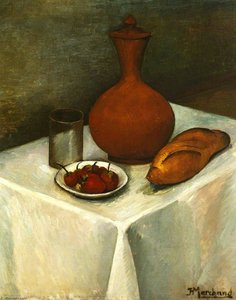
jean hyppolyte marchand
1883 - 1940
Osnovne informacije
- Artistic Movement Or Style: Cubism
- Artists Or Movements Influenced By This Artist: ['Bloomsbury Group']
- Artists Who Influenced This Artist: ['Léon Bonnat']
- Date Of Death: 1940
- Full Name: Jean Hippolyte Marchand
- Nationality: French
- Notable Artworks:
- Still Life with Bananas
- Olive Trees, Vence
- Place Of Birth: Paris, France

