

 Pregledaj u prostoru
 Pošalji
 Podeli
 Detalji o delu

 Преузми
 Slični predmeti
 Rendgenski snimak
 Slajdovi
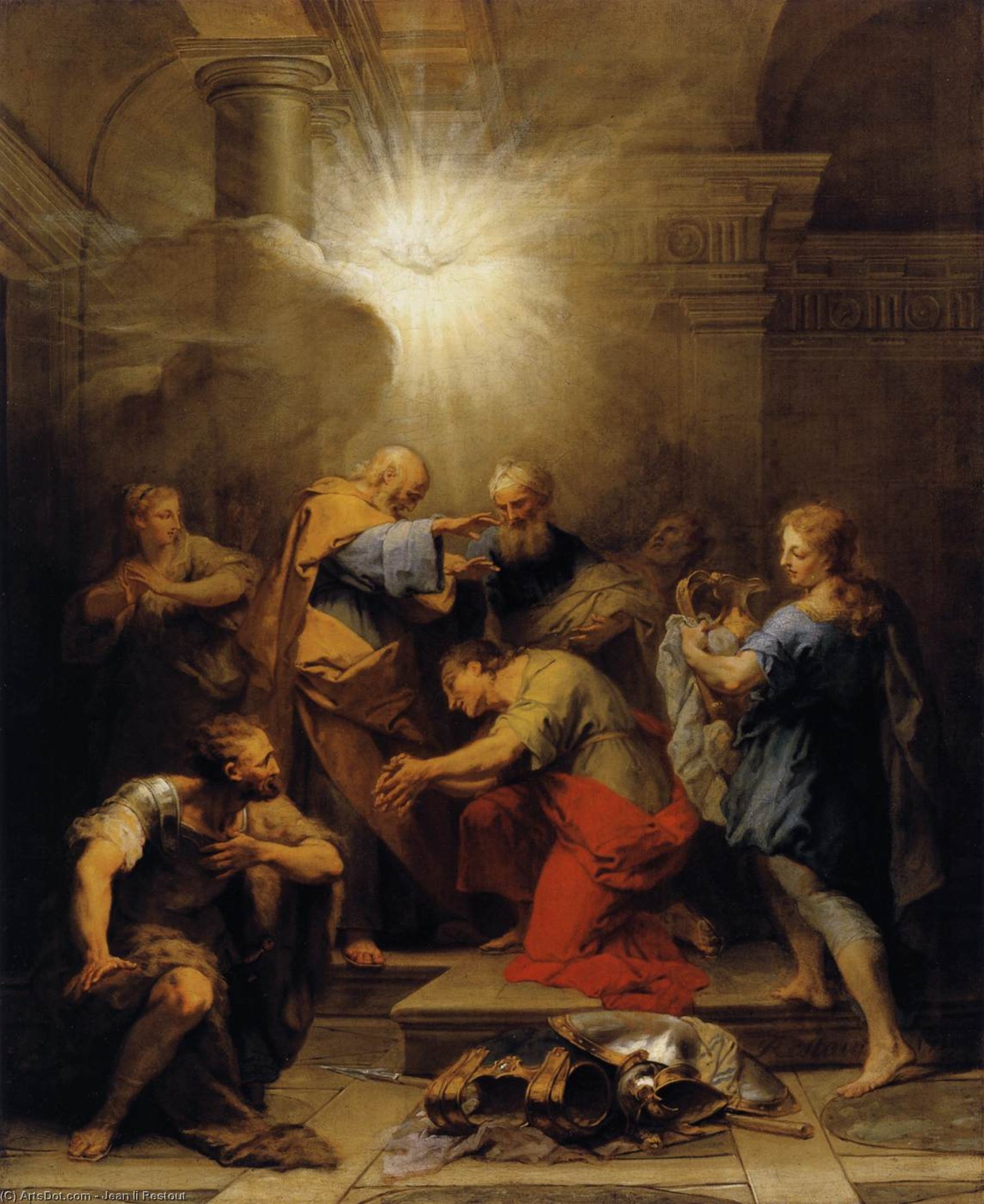
Ananias Restoring the Sight of St Paul
 Oil On Canvas
- WallArt
- Baroque Classicism
 1719
1719 90.0 x 80.0 cm
 Louvre
 Pročitaj više
Kupite digitalnu sliku visoke rezolucije i poboljšanog kvaliteta, koja je znatno superiornija od onoga što vidite u online prikazu.
Svaka datoteka je pedantno pripremljena od strane naših stručnjaka koristeći napredne alate i profesionalnu ručnu retušu. Osiguravamo da svaka slika ima izuzetnu oštrinu, preciznu reprodukciju boja i fine detalje.
Konačna datoteka se dostavlja putem e-pošte u roku od 72 sata, optimizovana za neposrednu upotrebu u profesionalnim, izdavačkim i štamparskim okruženjima. To je isti kvalitet kojem veruju vrhunski studiji dizajna, izdavači i galerije.
Digitalna slika
Preuzmite datoteku visoke rezolucije za ličnu upotrebu, štampanje i kreativne projekte. ( Kupi print Kupi ručno naslikanu sliku)
Uključeno uz svaku porudžbinu digitalne slike
Profesionalna digitalna isporuka, zagarantovana
Kada odaberete ArtsDot.com, ne dobijate samo sliku – vi primate profesionalno unapređeno digitalno umetničko delo, izrađeno sa najvećom preciznošću i uz garanciju zadovoljstva. Evo svega što automatski dolazi uz vašu porudžbinu:

Brza dostava putem e-pošte
Vaša digitalna slika visoke rezolucije biće vam poslata putem e-pošte u roku od 72 sata od poručivanja – spremna za trenutnu upotrebu.

Digitalna datoteka unapređena veštačkom inteligencijom
Vaše umetničko delo je profesionalno optimizovano korišćenjem naprednih AI alata i ručne obrade, čime se osiguravaju maksimalni detalji, oštrina i preciznost boja.

Besplatna ponovna isporuka doživotno
Slučajno ste obrisali ili izgubili svoju datoteku? Ne brinite – poslaćemo vam je ponovo u bilo kom trenutku, potpuno besplatno.

Bez troškova uvoza – zauvek
Uživajte u svojim umetničkim delima trenutno, bez carine, dažbina ili troškova dostave – digitalni download je uvek bez poreza.

Garancija vernosti boja
Uz pomoć profesionalnih alata i upravljanja bojama, osiguravamo da vaša digitalna slika što vernije odražava originalne boje.

Garancija zadovoljstva u roku od 60 dana
Ako niste zadovoljni svojom digitalnom slikom, revidirat ćemo je ili vratiti 100% novca u roku od 60 dana – bez ikakvih pitanja.

100% garancija povrata novca
Niste zadovoljni? Obezbedite pun povrat novca u roku od 60 dana od trenutka kada ste primili svoju digitalnu datoteku – bez suvišnih pitanja.

Popusti na velike porudžbine
Kupite 3 slike, uštedite 10% - Kupite 5 slika, uštedite 15% - Kupite 10+ slika, uštedite 20%. Odlično za kreativne projekte, galerije i agencije.
Opis kolekcionarskog dela
The Divine Touch: Ananias Restoring the Sight of St Paul
To stand before this depiction of Ananias Restoring the Sight of St Paul is to be enveloped in an atmosphere thick with divine intervention and profound human vulnerability. The scene, rendered by Jean II Restout in 1719, transcends a mere narrative illustration; it is a vibrant tableau vivant capturing the precise moment grace pierces through darkness. One can almost feel the palpable energy emanating from the central figure as his hands hover over the afflicted man’s eyes—a gesture that speaks volumes of faith, healing, and miraculous restoration. The composition draws the eye immediately to this nexus of action, grounding the viewer in the immediacy of the miracle.
Mastery of Late Baroque Classicism
Jean II Restout stands as a compelling example of late Baroque classicism, an artistic current that favored clarity, noble emotion, and structured grandeur over the airy frivolity of the Rococo. His dedication to this style is evident in the controlled drama of the painting. While the subject matter—a biblical miracle—allows for high emotional pitch, Restout tempers it with a classical restraint. Observe the arrangement of the figures; they are not haphazardly placed but seem orchestrated around the central act of healing. The artist utilizes deep compositional lines and rich drapery to give weight and permanence to the moment, suggesting that this divine intervention is an eternal truth.
Symbolism of Light and Sight
The symbolism within this work is deeply resonant for any collector or admirer of sacred art. Blindness, in religious iconography, has long served as a potent metaphor for spiritual ignorance or sin. Conversely, the restoration of sight represents enlightenment, divine favor, and salvation. The interplay between shadow and illumination throughout the canvas mirrors this struggle: the darkness surrounding the afflicted contrasts sharply with the implied brilliance emanating from the act of healing itself. For those decorating a space meant for contemplation or devotion, this piece offers not just decoration, but a visual meditation on spiritual awakening.
Technique and Emotional Resonance
Restout’s technique, characteristic of his period, suggests a meticulous handling of paint that allows the textures—the folds of the robes, the skin tones, the varied expressions on the faces—to breathe. The depth achieved in the painting gives it an almost three-dimensional presence, inviting close study. Emotionally, the piece is overwhelmingly uplifting. It speaks to the human yearning for redemption and the unwavering belief in benevolent forces greater than ourselves. Owning a reproduction of this work allows one to bring home not just a beautiful object, but a sustained feeling of hope and profound spiritual connection.
Srodna umetnička dela

Biografija umetnika
Jean II Restout: Life and Legacy
Jean II Restout (1692 – 1768) was a French painter who distinguished himself through his late Baroque classicism, particularly in the realm of religious altarpieces. He stood as a notable figure resisting the prevailing Rococo style of his era.
Early Life and Family Background
Born in Rouen, France, in 1692, Jean II Restout came from an artistic family. His father was Jean I Restout, also a painter. Importantly, his mother, Marie M. Jouvenet, was the sister and pupil of the well-known painter Jean Jouvenet, who would become a significant influence on young Restout’s development.
Artistic Training and Early Career
In 1717, Restout achieved an early milestone by being elected to the Académie Royale de Peinture et de Sculpture based on his work for the prestigious Prix de Rome. However, unlike many recipients, he chose to remain in Paris rather than proceeding to Italy for further study. This decision allowed him to consistently exhibit at the Salons and steadily climb the ranks within the academic hierarchy.
Artistic Style and Major Works
Restout’s artistic style is characterized by a deliberate return to classical principles, even as Rococo flourished around him. His works are marked by their solemnity, dramatic composition, and meticulous detail. He excelled in large-scale altar pieces, ceilings, and designs for the Gobelin tapestries.
- The Death of St Scholastica: Considered an “isolated achievement” that contrasted sharply with contemporary Rococo trends.
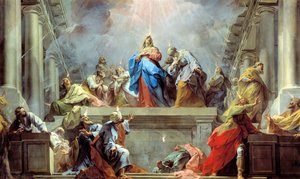
- Pentecost: A powerful depiction showcasing his mastery of composition and religious narrative.
- Ananias Restoring the Sight of St Paul: Demonstrates his skill in portraying dramatic biblical scenes.
- The Disciples at Emmaus (or Lunch at Emmaus): Another example of his talent for rendering religious subjects with emotional depth.
Influences and Artistic Development
Jean Jouvenet, his maternal uncle, was a crucial early influence on Restout’s artistic development. Jouvenet's emphasis on classical form and dramatic lighting profoundly shaped Restout’s approach to painting. Restout also studied the works of earlier masters, absorbing their techniques and principles.
Later Life and Legacy
Restout held various positions within the Académie throughout his career, demonstrating his standing in the artistic community. His son, Jean-Bernard Restout (1732–1797), also became a painter and won the Prix de Rome in 1758, though he later faced difficulties with the Academy due to disagreements over its rules.
Historical Significance
Jean II Restout occupies a unique position in French art history. While his work doesn’t possess the widespread fame of some of his contemporaries, his steadfast commitment to classical principles during the height of Rococo makes him a significant figure. He represents a resistance to fleeting trends and a dedication to enduring artistic values. His altarpieces remain important examples of late Baroque classicism in France.
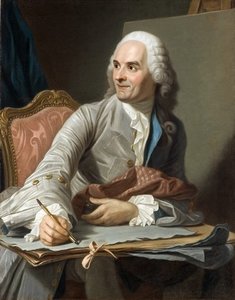
Jean II Restout
1692 - 1768

