

 Pregledaj u prostoru
 Pošalji
 Podeli
 Detalji o delu

 Преузми
 Slični predmeti
 Rendgenski snimak
 Slajdovi
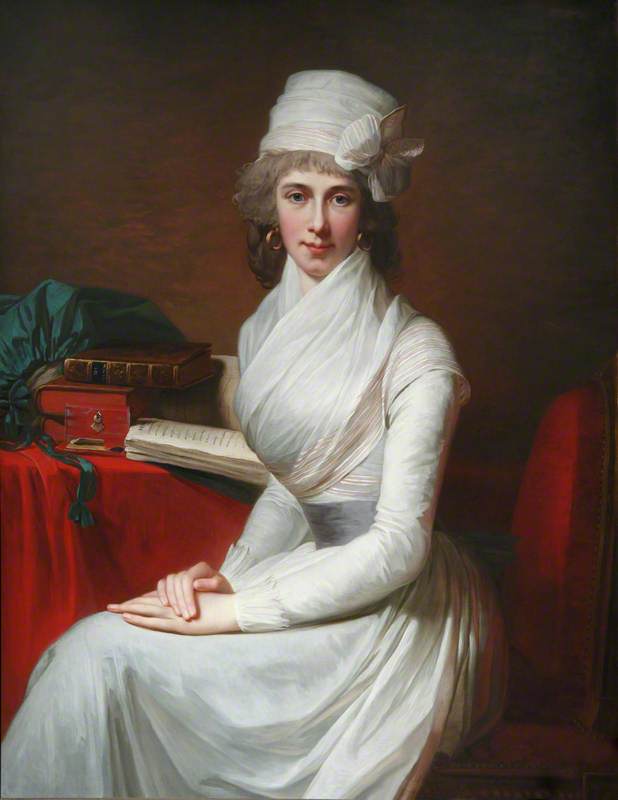
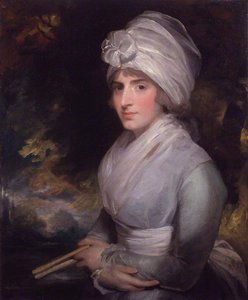
Catherine Eliza Cobbe (1761–1839), the Honourable Mrs Henry Pelham
 Acrylic On Canvas
- WallArt
- Neoclassical Portraiture
 1792
1792 115.0 x 89.0 cm
 National Trust
 Pročitaj više
Kupite digitalnu sliku visoke rezolucije i poboljšanog kvaliteta, koja je znatno superiornija od onoga što vidite u online prikazu.
Svaka datoteka je pedantno pripremljena od strane naših stručnjaka koristeći napredne alate i profesionalnu ručnu retušu. Osiguravamo da svaka slika ima izuzetnu oštrinu, preciznu reprodukciju boja i fine detalje.
Konačna datoteka se dostavlja putem e-pošte u roku od 72 sata, optimizovana za neposrednu upotrebu u profesionalnim, izdavačkim i štamparskim okruženjima. To je isti kvalitet kojem veruju vrhunski studiji dizajna, izdavači i galerije.
Digitalna slika
Preuzmite datoteku visoke rezolucije za ličnu upotrebu, štampanje i kreativne projekte. ( Kupi print Kupi ručno naslikanu sliku)
Uključeno uz svaku porudžbinu digitalne slike
Profesionalna digitalna isporuka, zagarantovana
Kada odaberete ArtsDot.com, ne dobijate samo sliku – vi primate profesionalno unapređeno digitalno umetničko delo, izrađeno sa najvećom preciznošću i uz garanciju zadovoljstva. Evo svega što automatski dolazi uz vašu porudžbinu:

Brza dostava putem e-pošte
Vaša digitalna slika visoke rezolucije biće vam poslata putem e-pošte u roku od 72 sata od poručivanja – spremna za trenutnu upotrebu.

Digitalna datoteka unapređena veštačkom inteligencijom
Vaše umetničko delo je profesionalno optimizovano korišćenjem naprednih AI alata i ručne obrade, čime se osiguravaju maksimalni detalji, oštrina i preciznost boja.

Besplatna ponovna isporuka doživotno
Slučajno ste obrisali ili izgubili svoju datoteku? Ne brinite – poslaćemo vam je ponovo u bilo kom trenutku, potpuno besplatno.

Bez troškova uvoza – zauvek
Uživajte u svojim umetničkim delima trenutno, bez carine, dažbina ili troškova dostave – digitalni download je uvek bez poreza.

Garancija vernosti boja
Uz pomoć profesionalnih alata i upravljanja bojama, osiguravamo da vaša digitalna slika što vernije odražava originalne boje.

Garancija zadovoljstva u roku od 60 dana
Ako niste zadovoljni svojom digitalnom slikom, revidirat ćemo je ili vratiti 100% novca u roku od 60 dana – bez ikakvih pitanja.

100% garancija povrata novca
Niste zadovoljni? Obezbedite pun povrat novca u roku od 60 dana od trenutka kada ste primili svoju digitalnu datoteku – bez suvišnih pitanja.

Popusti na velike porudžbine
Kupite 3 slike, uštedite 10% - Kupite 5 slika, uštedite 15% - Kupite 10+ slika, uštedite 20%. Odlično za kreativne projekte, galerije i agencije.
Catherine Eliza Cobbe (1761–1839), the Honourable Mrs Henry Pelham – A Portrait of Quiet Elegance
Jean-Laurent Mosnier’s “Catherine Eliza Cobbe,” completed in 1792, transcends mere representation; it embodies the spirit of a pivotal moment in European history—the waning days of aristocratic grandeur and the burgeoning optimism of the Napoleonic era. This portrait captures not just a woman's likeness but also an atmosphere of refined contemplation, skillfully rendered by Mosnier’s meticulous hand.
Subject Matter & Composition: The painting depicts Catherine Eliza Cobbe, wife of Henry Pelham, a prominent figure in British society during the Regency period. She is seated gracefully in a chair, positioned centrally within the frame, suggesting composure and dignity. Her gaze directs slightly upwards, hinting at introspection—perhaps absorbed in thought or reading. Two additional chairs flank her, creating a balanced visual arrangement that reinforces the sense of serenity.
Style & Technique: Mosnier’s style aligns perfectly with Neoclassical ideals prevalent during his time. He employs a restrained palette dominated by muted whites and creams—a deliberate choice reflecting the elegance and restraint characteristic of aristocratic interiors. The brushstrokes are smooth and blended, indicative of Mosnier's mastery in achieving tonal harmony and capturing subtle nuances of light and shadow. Detailed attention is paid to drapery folds and facial features, demonstrating his commitment to anatomical accuracy and conveying a sense of realism.
Historical Context: Painted just before the Napoleonic Wars erupted, “Catherine Eliza Cobbe” speaks to a period marked by significant social change. The portrait reflects the values of the upper classes—beauty, refinement, and intellectual pursuits—values that were increasingly challenged by revolutionary ideals spreading across Europe. Mosnier’s work serves as a visual testament to the stability and elegance enjoyed by those who upheld tradition amidst turbulent times.
Symbolism & Emotional Impact: The muted colors contribute to an overall feeling of tranquility, mirroring the quiet dignity of Cobbe herself. The book symbolizes knowledge and contemplation—a reflection of Cobbe’s character and aspirations. Mosnier's skillful depiction captures not only physical appearance but also inner grace, inviting viewers to appreciate the beauty of a bygone era.
Further Research: For more information on Catherine Eliza Cobbe and Jean-Laurent Mosnier, consult Art UK and explore Mosnier’s biography on Wikipedia. You can also find a detailed reproduction of the artwork at ArtsDot.
Srodna umetnička dela


Biografija umetnika
A Life Painted in Elegance: The World of Jean-Laurent Mosnier
Jean-Laurent Mosnier, a name resonating with the refined grace of 18th and early 19th century portraiture, was more than just a painter; he was a chronicler of an era. Born in Paris in 1743, his life unfolded against a backdrop of immense social and political upheaval – from the opulent reign of Louis XVI to the tumultuous years of the French Revolution and beyond. Mosnier’s artistic journey reflects this shifting landscape, marked by both aristocratic patronage and a remarkable adaptability that allowed him to flourish even amidst exile. He wasn't merely depicting faces; he was capturing the essence of a world on the brink of transformation, preserving its elegance and anxieties for posterity.From Royal Courts to Distant Shores: A Career in Transition
Mosnier’s early training followed the established path within the French academic system, honing his skills at the Académie de Saint-Luc before achieving mastery in 1766. His talent quickly garnered recognition, leading to a coveted position as *Peintre de la Reine* – court painter to Marie Antoinette in 1776. This appointment placed him squarely within the heart of French aristocratic society, and his portraits from this period exude the refined sensibilities of the Ancien Régime. He was accepted into the Académie Royale in 1788, a testament to his growing reputation. However, the storm clouds of revolution were gathering, and Mosnier’s world was about to be irrevocably altered. The French Revolution forced him to seek new horizons, embarking on a peripatetic career that took him first to London around 1790, then to Hamburg, and finally to St. Petersburg in 1801. This wasn't simply an escape; it was a testament to his resilience and artistic prowess. He didn’t abandon portraiture but rather adapted his style to suit the tastes of each new locale, demonstrating a remarkable ability to connect with diverse audiences while maintaining his signature elegance.Influences and Artistic Style: A Neoclassical Refinement
Mosnier's artistic voice was deeply rooted in the Neoclassical movement, characterized by its emphasis on clarity, balance, and meticulous detail. His compositions are harmonious, lines are precise, and his attention to texture and form is unwavering. While he absorbed influences from contemporaries like Élisabeth Louise Vigée Le Brun and Adélaïde Labille-Guiard – both celebrated portraitists in their own right – Mosnier developed a distinctive style that blended aristocratic refinement with a subtle psychological depth. His miniatures, in particular, are exquisite examples of his craftsmanship, showcasing a delicate rendering of features and an unparalleled attention to detail. He possessed a remarkable ability to capture not just the likeness but also the personality and social standing of his sitters. His self-portrait with pupils, thought to be inspired by Labille-Guiard’s work, reveals both his ambition as an artist and his dedication to passing on his skills to the next generation.A Legacy in Portraiture: Notable Works and Lasting Impact
Mosnier's oeuvre is a rich tapestry of portraits reflecting the lives of prominent individuals across Europe. His depictions of Louis XVI and Marie Antoinette stand as poignant reminders of a bygone era, capturing the royal couple before the storm of revolution engulfed them. In London, he painted numerous members of the British nobility, while in St. Petersburg, he secured commissions from leading Russian families. The portrait of Admiral George Brydges Rodney, completed in 1791, is a particularly striking example of his ability to convey power and dignity through masterful brushwork and composition. Beyond these celebrated works, Mosnier’s portraits of figures like Jean Sylvain Bailly – the first mayor of Paris – offer valuable insights into the personalities who shaped the course of history. His legacy extends beyond individual masterpieces; it lies in his ability to document a period of profound change, providing us with a visual record of the fashion, customs, and social dynamics of the 18th and early 19th centuries. He stands as a testament to the enduring power of portraiture – its capacity not only to immortalize individuals but also to illuminate the world they inhabited.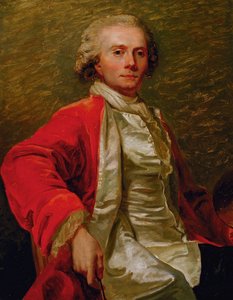
jean laurent mosnier
1743 - 1808 , France
Kratke činjenice
- Artistic Movement Or Style: Neoclassical
- Artists Who Influenced This Artist:
- Vigée Le Brun
- Labille-Guiard
- Date Of Birth: 1743
- Date Of Death: 1808
- Full Name: Jean-Laurent Mosnier
- Nationality: French
- Notable Artworks:
- Louis XVI portrait
- Marie Antoinette portrait
- Admiral Rodney portrait
- Place Of Birth: Paris, France

