

 Pregledaj u prostoru
 Pošalji
 Podeli
 Detalji o delu

 Преузми
 Slični predmeti
 Rendgenski snimak
 Slajdovi
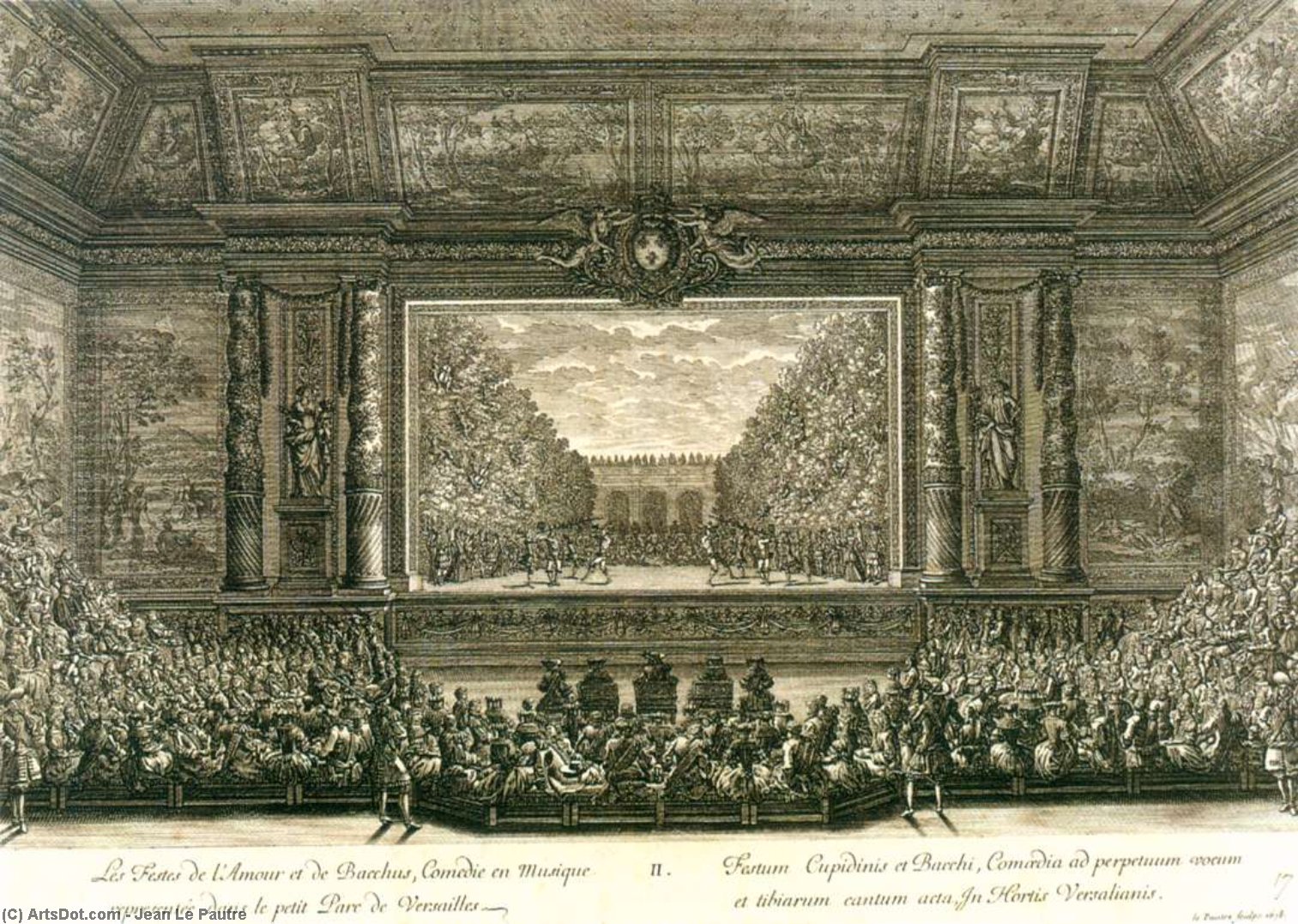
The Festivities of Cupid and Bacchus
 Engraving
- Baroque
 1678
1678- Early Modern
 305.0 x 420.0 cm
 Muzej Nacionalnog dvorca u Versaju
 Pročitaj više
Kupite digitalnu sliku visoke rezolucije i poboljšanog kvaliteta, koja je znatno superiornija od onoga što vidite u online prikazu.
Svaka datoteka je pedantno pripremljena od strane naših stručnjaka koristeći napredne alate i profesionalnu ručnu retušu. Osiguravamo da svaka slika ima izuzetnu oštrinu, preciznu reprodukciju boja i fine detalje.
Konačna datoteka se dostavlja putem e-pošte u roku od 72 sata, optimizovana za neposrednu upotrebu u profesionalnim, izdavačkim i štamparskim okruženjima. To je isti kvalitet kojem veruju vrhunski studiji dizajna, izdavači i galerije.
Digitalna slika
Preuzmite datoteku visoke rezolucije za ličnu upotrebu, štampanje i kreativne projekte. ( Kupi print Kupi ručno naslikanu sliku)
Uključeno uz svaku porudžbinu digitalne slike
Profesionalna digitalna isporuka, zagarantovana
Kada odaberete ArtsDot.com, ne dobijate samo sliku – vi primate profesionalno unapređeno digitalno umetničko delo, izrađeno sa najvećom preciznošću i uz garanciju zadovoljstva. Evo svega što automatski dolazi uz vašu porudžbinu:

Brza dostava putem e-pošte
Vaša digitalna slika visoke rezolucije biće vam poslata putem e-pošte u roku od 72 sata od poručivanja – spremna za trenutnu upotrebu.

Digitalna datoteka unapređena veštačkom inteligencijom
Vaše umetničko delo je profesionalno optimizovano korišćenjem naprednih AI alata i ručne obrade, čime se osiguravaju maksimalni detalji, oštrina i preciznost boja.

Besplatna ponovna isporuka doživotno
Slučajno ste obrisali ili izgubili svoju datoteku? Ne brinite – poslaćemo vam je ponovo u bilo kom trenutku, potpuno besplatno.

Bez troškova uvoza – zauvek
Uživajte u svojim umetničkim delima trenutno, bez carine, dažbina ili troškova dostave – digitalni download je uvek bez poreza.

Garancija vernosti boja
Uz pomoć profesionalnih alata i upravljanja bojama, osiguravamo da vaša digitalna slika što vernije odražava originalne boje.

Garancija zadovoljstva u roku od 100 dana
Ako niste zadovoljni svojom digitalnom slikom, revidirat ćemo je ili vratiti 100% novca u roku od 100 dana – bez ikakvih pitanja.

100% garancija povrata novca
Niste zadovoljni? Obezbedite pun povrat novca u roku od 100 dana od trenutka kada ste primili svoju digitalnu datoteku – bez suvišnih pitanja.

Popusti na velike porudžbine
Kupite 3 slike, uštedite 10% - Kupite 5 slika, uštedite 15% - Kupite 10+ slika, uštedite 20%. Odlično za kreativne projekte, galerije i agencije.
A Grand Spectacle of Baroque Splendor
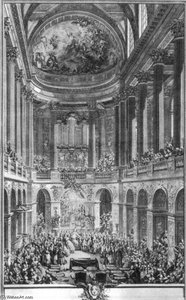
In the heart of the seventeenth century, amidst the gilded opulence of the French court, Jean Le Pautre captured a moment of unparalleled theatrical magic in his masterpiece, The Festivities of Cupid and Bacchus. This remarkable engraving, dating from 1678, serves as more than just a visual record; it is a window into the soul of the Baroque era. Through intricate lines and masterful composition, Le Pautre invites us into a grand theater scene that celebrates the divine union of love and revelry. The artwork breathes life into the historical atmosphere of Versailles, where every architectural flourish and every dramatic shadow was designed to evoke awe and reinforce the majesty of the monarchy.
The composition is a breathtaking display of depth and movement, drawing the eye from the crowded tiers of spectators toward the luminous stage. As one gazes upon the work, the sheer scale of the production becomes apparent. The ceiling, adorned with celestial motifs and swirling clouds, seems to dissolve into the heavens, while the walls are heavy with elaborate carvings and mythological narratives that whisper tales of ancient gods. This interplay between the physical structure of the theater and the ethereal themes of the performance creates a sense of infinite space, a hallmark of the Baroque desire to blur the lines between reality and the divine.
The Artistry of Light and Motion
Technically, Le Pautre demonstrates an extraordinary command over the medium of engraving. He utilizes a sophisticated approach to light and shadow—chiaroscuro—to sculpt figures out of the darkness. The stage is bathed in a brilliant, focused light that highlights the elaborate costumes of the performers, making them appear almost three-dimensional against the more muted tones of the audience. This dramatic lighting does not merely illuminate; it directs the emotional pulse of the piece, focusing our attention on the kinetic energy of the dancers and actors who embody the spirit of Cupid and Bacchus.
Every detail, from the delicate textures of the fabrics to the intricate patterns of the wall adornments, speaks to a meticulous dedication to craftsmanship. For the discerning collector or interior designer, this piece offers a profound sense of narrative richness. It is an artwork that demands attention, providing a focal point that can anchor a room with its historical weight and artistic complexity. The rhythmic arrangement of the tiered seating and the upward sweep of the architectural elements create a dynamic energy that remains captivating long after the first viewing.
A Timeless Legacy for the Modern Collector
Beyond its technical brilliance, The Festivities of Cupid and Bacchus carries a deep emotional resonance. It evokes a sense of nostalgia for an era of grand celebrations and cultural sophistication. To possess a high-quality reproduction of this work is to bring a piece of French history into the contemporary home, offering a touch of classical elegance that transcends passing trends. Whether placed in a formal study or as a centerpiece in a luxurious living space, the engraving serves as a conversation starter, reflecting a passion for the arts and an appreciation for the enduring power of storytelling.
For those seeking to inspire their surroundings, this artwork provides a masterclass in atmosphere. It embodies the very essence of theatricality—the thrill of the performance, the mystery of the shadows, and the splendor of the setting. As a testament to Jean Le Pautre’s genius, it remains a vital piece of the Baroque canon, offering timeless beauty and an unparalleled sense of grandeur to any curated collection.
Srodna umetnička dela
Biografija umetnika
Jean Le Pautre: A Sculptor of Dramatic Baroque Visions
Jean Le Pautre (1618 – 1682) stands as a pivotal figure in the French Baroque artistic landscape, embodying the grandeur and emotional intensity characteristic of the era. Born in Paris amidst the burgeoning intellectual fervor of his time, Le Pautre’s career unfolded primarily in Rome, where he established himself as one of the foremost sculptors of his generation—a testament to his exceptional talent and unwavering dedication to mastering the craft. While biographical details remain somewhat sparse compared to contemporaries like Bernini or Caravaggio, surviving documentation reveals a man deeply committed to religious patronage and driven by an ambition to convey profound spiritual narratives through monumental sculpture.- Early Life & Training: Le Pautre’s formative years were spent honing his skills under the tutelage of Nicolas Frémiet, a renowned sculptor who instilled in him a foundational understanding of classical principles alongside Baroque dynamism. This dual influence would prove crucial to shaping Le Pautre's artistic vision—a synthesis of humanist ideals and theatrical expression.
- Roman Period & Patronage: Moving to Rome around 1640, Le Pautre quickly gained recognition for his ambitious projects undertaken at the behest of influential papal clients. He collaborated extensively with the Jesuits and Dominicans, crafting breathtaking sculptures that adorned churches throughout the city—most notably the Chapel of Saint Agnes in Piazza Navona, where he executed a monumental altarpiece depicting Saint Agnes’ martyrdom.
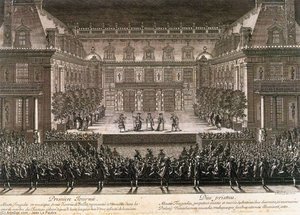
- Notable Works: Le Pautre's oeuvre is marked by an unparalleled command of sculptural technique and a masterful ability to evoke emotion. Among his most celebrated achievements are “Performance of Alceste,” a dramatic depiction of the mythological tale, showcasing exceptional anatomical accuracy and expressive dynamism—a hallmark of Baroque sculpture. Similarly impressive is "The Festivities of Cupid and Bacchus," a monumental group portraying deities engaged in exuberant celebration, demonstrating Le Pautre’s mastery of composition and sculptural virtuosity.
- Influence & Legacy: Le Pautre's influence extended beyond his immediate commissions; he served as an instructor at the Accademia di Belle Arti di Roma, nurturing the talents of subsequent generations of sculptors. His commitment to anatomical realism combined with Baroque theatricality established him as a precursor to artists like Gian Lorenzo Bernini—a sculptor who would elevate Le Pautre’s stylistic innovations to unparalleled heights.
Technique & Artistic Style: Embracing Dramatic Expression
Le Pautre's sculptural style exemplifies the core tenets of Baroque art – an obsession with dynamism, emotion, and theatrical grandeur. Unlike the idealized forms favored by Mannerism, Le Pautre prioritized conveying psychological depth and dramatic narrative through meticulously crafted figures imbued with palpable energy. He skillfully employed techniques such as contrapposto—a pose characterized by weight distribution asymmetry—to achieve a sense of movement and counterbalance within his sculptures. Furthermore, he utilized polished marble to heighten visual impact and illuminate the contours of his forms, creating surfaces that shimmered with light and accentuated sculptural detail. The artist’s meticulous attention to anatomical accuracy was particularly noteworthy, reflecting the humanist tradition championed by Renaissance scholars while simultaneously embracing Baroque theatricality.Engraving & Artistic Diffusion: Expanding Le Pautre's Reach
Beyond monumental sculpture, Jean Le Pautre achieved considerable renown as an engraver—a skill that significantly broadened his artistic reach and ensured the dissemination of his stylistic innovations throughout Europe. His engravings, often commissioned by aristocratic patrons, captured scenes from mythology and biblical narratives with remarkable precision and expressive force. These prints served not only as decorative objects but also as vehicles for disseminating Le Pautre’s sculptural aesthetic to a wider audience—contributing to the establishment of Baroque artistic conventions across continental Europe. The engraving "Brécourt," exemplifies his ability to translate sculptural concepts into print, demonstrating a masterful understanding of tonal shading and textural detail.Historical Context & Significance: Reflecting the Spirit of Louis XIV
Le Pautre’s artistic output coincided with the ascendancy of Louis XIV in France—a period characterized by opulent royal patronage and an unwavering commitment to elevating French art to unparalleled levels of grandeur. The King recognized Le Pautre's talent and commissioned numerous sculptures for Versailles, solidifying his position as one of the foremost artists of his time. His work embodies the Baroque spirit—a fervent belief in divine providence coupled with a celebration of human achievement—reflecting the broader cultural ethos of Louis XIV’s reign. Le Pautre’s legacy extends beyond individual masterpieces; he represents an enduring symbol of French Baroque artistic excellence and continues to inspire admiration for his sculptural prowess and stylistic innovation.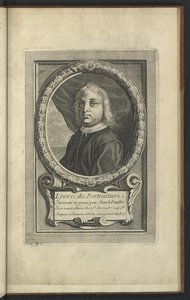
jean le pautre
1618 - 1682 , France
Kratke činjenice
- Artistic Movement Or Style: Baroque Sculpture
- Artists Or Movements Influenced By This Artist: ['Daniel Marot']
- Date Of Birth: Paris, France (1618)
- Date Of Death: 1682
- Full Name: Jean Le Pautre
- Nationality: French
- Notable Artworks:
- The Festivities of Cupid and Bacchus
- Performance of Alceste in 1674
- Place Of Birth: Paris