

 Pregledaj u prostoru
 Pošalji
 Podeli
 Detalji o delu

 Преузми
 Slični predmeti
 Rendgenski snimak
 Slajdovi
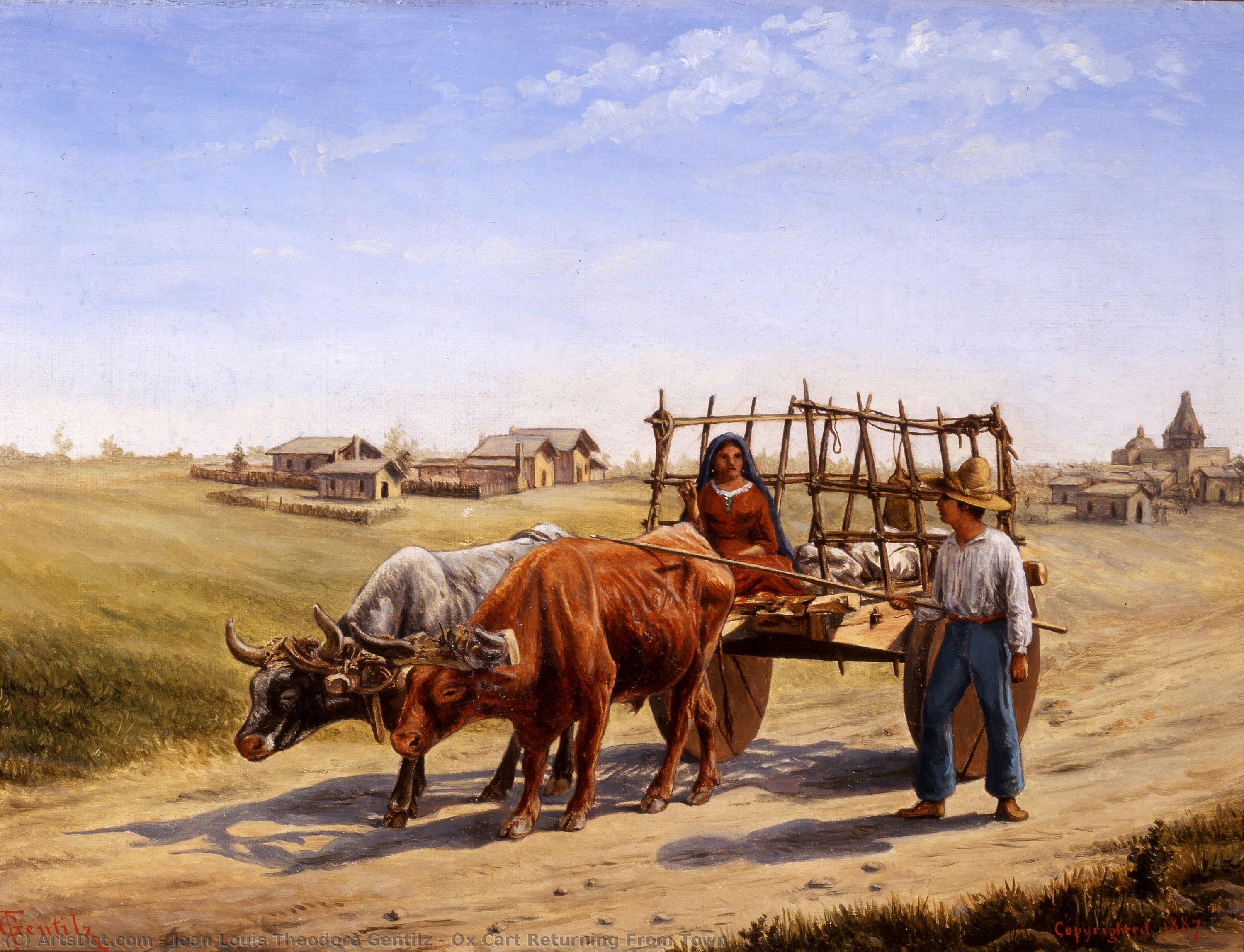
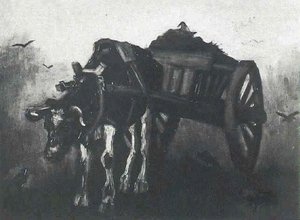
Ox Cart Returning From Town


 Pročitaj više
Giclee štampa / Umetnički otisak
Giclée štampa ili print na platnu muzejskog kvaliteta uz brzu proizvodnju i fleksibilne opcije završne obrade. ( Kupi ručno naslikanu sliku Kupi digitalnu sliku)




P118B $10

P118H $10

P118W $10

P438Z $10

P508JH $12

P508YH $12

P805H $10

P805Z $10

P919BZ $10

P919G $10

P919XJ $10

P959ZH $10

P968JZ $12

W106C $8

W218G $10

W218JH $8

W218Y $10

W307PJ $10

W316G $10

W316PJ $8

W316Y $10

W398PJ $8

W4111J $10

W500HY $15

W500JH $15

W692G $12

W849H $8

W940BG $15

W953PJ $8




Izaberite jednu od naših unapred definisanih veličina koje odgovaraju originalnim proporcijama umetničkog dela.

Možete uneti sopstvene dimenzije kako biste umetničko delo prilagodili specifičnom okviru ili prostoru. Ako odabrani format ne odgovara proporcijama originalne slike, mi ćemo ili iscrtati deo dela ili proširiti sliku pomoću ogledane ivice ili jednobojnog popunjavanja. Digitalni prikaz će vam biti poslat na odobrenje pre početka proizvodnje.
Imajte na umu da pregled na ekranu ne odražava stvarno iscrtavanje ili proširivanje. Samo će prikaz (mockup) precizno pokazati finalnu kompoziciju.
Iako su prilagođene dimenzije dostupne, preporučujemo da odaberete dimenziju sa unapred definisane liste kako biste očuvali originalne proporcije.
Dostava širom sveta () za 2 nedelje umesto uobičajenih 4/5 nedelja. (30 август)

Besplatna ekspresna dostava širom sveta

Visokokvalitetno laneno platno

Kompletno osiguranje transporta

Garancija povraćaja carine i uvoznih dažbina

Garancija vernosti boja

Politika povrata u roku od 60 dana (samo u slučaju nedostataka)

Garancija povrata novca od 100%

Popust pri grupnoj kupovini
 Opcija sa staklom dostupna je samo za dimenzije manje od 110 cm

Ox Cart Returning From Town
Giclee štampa / Umetnički otisak
Dimenzije reprodukcije
-


Konačna cena
$ 62
A Pastoral Symphony of Rural Life
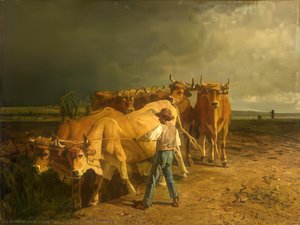
In the gentle light of a late nineteenth-century afternoon, Jean-Louis Theodore Gentilz invites us into a world defined by rhythmic simplicity and the quiet dignity of labor. Ox Cart Returning From Town is not merely a depiction of a journey; it is a window into a vanishing era of pastoral tranquility. The scene unfolds along a dusty, sun-drenched road where two robust oxen—one a deep, earthy brown and the other a striking white—pull a wooden cart with a steady, unhurried grace. As they traverse the landscape, a woman sits atop the cart, her traditional attire and headscarf suggesting a life deeply rooted in the customs of her community. Beside the path, a man pauses in conversation, his rolled sleeves and weathered hat hinting at the physical toil that sustains this rural existence. Through Gentilz’s lens, we witness a moment where time seems to slow, capturing the profound peace found in the repetitive, essential cycles of agricultural life.
The artistry of Gentilz lies in his ability to marry the precision of a surveyor with the soul of a romanticist. Having been trained to map the terrain of France and later the frontiers of Texas, his eye for topographical detail is unparalleled. In this work, every element of the landscape—from the pitched roofs of the distant village to the scattered, leafy trees—is rendered with a realistic clarity that grounds the viewer in the physical reality of the scene. The technique employs a warm, harmonious palette dominated by ochres, sienna, and soft greens, creating an atmosphere that feels bathed in the golden glow of a summer evening. This mastery of light and earth tones does more than just replicate nature; it evokes a sense of nostalgia, wrapping the viewer in a blanket of warmth and comfort.
The Intersection of History and Emotion
Beyond its aesthetic charm, this painting serves as a poignant historical document. Created in 1887, the work reflects the transition between the old world and the burgeoning modern era. While Gentilz is celebrated for his documentation of the American West, this particular piece resonates with the timeless European tradition of genre painting—the art of capturing everyday human interaction. There is a subtle symbolism in the movement of the cart; it represents the flow of commerce, the connection between the isolated farmstead and the communal town, and the enduring strength of the bond between man, animal, and earth. The conversation between the figures adds a layer of human intimacy, suggesting that even amidst labor, community and connection remain the heartbeat of society.
For the discerning collector or interior designer, Ox Cart Returning From Town offers much more than visual decoration. It provides an emotional anchor for a room, bringing a sense of stability, heritage, and serenity to any space. Whether placed in a sunlit study or a grand living area, the painting’s rustic charm and sophisticated execution invite contemplation. A high-quality reproduction of this masterpiece allows one to possess a fragment of history, a piece of art that celebrates the beauty of the mundane and the enduring spirit of the rural landscape. It is an investment in atmosphere, offering a timeless escape into a world of quiet strength and pastoral splendor.
Srodna umetnička dela
Biografija umetnika
Jean-Louis Theodore Gentilz: A French Painter’s Texan Vision
Born in Paris in 1819, Jean-Louis Theodore Gentilz, also known as Theodore Gentilz, embarked on a remarkable journey that led him from the bustling streets of France to the vast and untamed landscapes of Texas. Initially trained as a surveyor – a skill undoubtedly informing his keen observational eye – Gentilz’s true passion lay in capturing the essence of the American West through his art. His relocation to Texas in 1844 marked a pivotal moment, transforming him from a professional surveyor into a dedicated artist documenting the lives and landscapes of this burgeoning frontier territory.
Gentilz's work offers a unique window into mid-19th century Texan life. Unlike many artists who focused solely on grand vistas or heroic figures, Gentilz meticulously portrayed everyday scenes – cattle drives, Native American encampments, interactions between settlers and indigenous populations, and the simple routines of frontier existence. His paintings aren’t romanticized depictions; they are imbued with a palpable sense of realism, reflecting the hardships and challenges faced by those who carved out a life in this challenging environment. The influence of French Realism, particularly artists like Jean-Louis Ernest Meissonier, is evident in his commitment to accurate detail and his ability to convey the gritty realities of frontier life.
A Painter of People and Places
Gentilz’s artistic style evolved significantly during his time in Texas. Initially, his work leaned towards a more academic approach, reminiscent of the Salon painters of Paris. However, as he immersed himself in the Texan landscape and its inhabitants, his technique became looser and more expressive. He employed a vibrant palette, capturing the intense colors of the desert sunsets and the rich hues of the native textiles. His brushwork grew bolder, conveying movement and texture with remarkable skill.
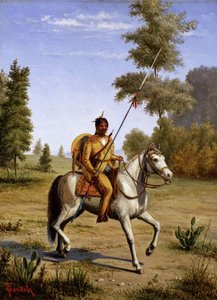
Several key works exemplify this evolution. “Ox Cart Returning From Town” offers a quintessential view of frontier life, depicting a weary ox cart making its way back to settlement after a long day’s labor. The painting's composition is carefully balanced, drawing the viewer's eye along the dusty trail and highlighting the figures struggling against the elements. Similarly, "Comanche Chief" presents a powerful portrait of an indigenous leader, capturing his dignity and bearing with impressive detail. “Camp of the Lipan” provides a glimpse into the daily routines of a Native American encampment, showcasing their clothing, tools, and interactions within their community.
Themes and Symbolism in Texan Landscapes
Beyond simply documenting scenes, Gentilz’s paintings often carry subtle symbolic weight. His depictions of Native Americans aren't merely ethnographic studies; they explore the complex dynamics between settlers and indigenous populations – a fraught relationship marked by both cooperation and conflict. The vastness of the Texas landscape itself is frequently portrayed as both beautiful and unforgiving, reflecting the challenges of survival in this remote region. The recurring motif of the ox cart symbolizes the relentless pursuit of prosperity and the enduring connection to agriculture, a cornerstone of frontier life.
Interestingly, Gentilz’s work predates the widespread romanticization of the American West often depicted in later art movements. He offered a more grounded, nuanced perspective, emphasizing the realities of hardship, resilience, and cultural exchange – elements that continue to resonate with viewers today. His paintings serve as valuable historical records, providing intimate glimpses into a formative period in Texan history.
Legacy and Historical Significance
Though largely overlooked during his lifetime, Jean-Louis Theodore Gentilz’s work has gained increasing recognition in recent years for its unique perspective on the American West. His paintings offer invaluable insights into the lives of early settlers, Native Americans, and the evolving landscape of Texas during a crucial era of expansion and transformation. ArtsDot.com is proud to offer meticulously reproduced versions of these remarkable works, allowing collectors and art enthusiasts alike to experience the artistry and historical significance of this often-forgotten French painter’s Texan vision.
Further exploration can be found in ArtsDot's database, where you can examine detailed images and learn more about his artistic process and the context surrounding his work. His legacy as a chronicler of the 19th-century American West continues to grow, solidifying his place as an important figure in both French and Texan art history.
jean louis theodore gentilz
1819 - , France
Osnovne informacije
- Artistic Movement Or Style: Texas Landscape
- Date Of Birth: 1819
- Full Name: Jean Louis Theodore Gentilz
- Nationality: French
- Notable Artworks:
- Ox Cart Returning
- Comanche Chief
- Camp of the Lipan
- Place Of Birth: Paris, France
Povezani članci

25 Remek-dela Džona Konstebla: Lepota Engleske na Platnu | ArtsDot
Uronite u svet Džona Konstebla! Otkrijte 25 remek-dela engleskog pejzaža, romantizma i seoske idile. Kupite reprodukcije slika vrhunskog kvaliteta za dekoraciju enterijera na ArtsDot.com.

Idyllic Visions: Exploring the Pastoral Scene in Art History – From Arcadia to Modern Interpretations
Explore the captivating history of pastoral art from classical Arcadia to modern masterpieces. Discover key artists like Millet & Cole at ArtsDot. Find serene landscape paintings for your home.
Idyllic Visions: Exploring the Pastoral Tradition in Western Art – Themes, Techniques & Enduring Appeal
Explore the rich history of pastoral art from classical Arcadia to contemporary interpretations. Discover key artists, themes & collecting tips at ArtsDot.
Evoking Arcadia: A Historical & Aesthetic Exploration of Rural Landscape Art
Explore the rich history of pastoral landscape art, from classical Arcadia to Impressionism & beyond. Discover key artists, movements, and how to collect serene rural scenes for your home. Expert insights at ArtsDot.

Cultivating Visions: A Historical Journey Through Rural Landscapes in Art
Explore the rich history of rural landscape painting with ArtsDot. Discover Impressionist masterpieces, key artists & movements. Find your perfect serene artwork and bring nature's beauty home.

