

 Pregledaj u prostoru
 Pošalji
 Podeli
 Detalji o delu

 Преузми
 Slični predmeti
 Rendgenski snimak
 Slajdovi
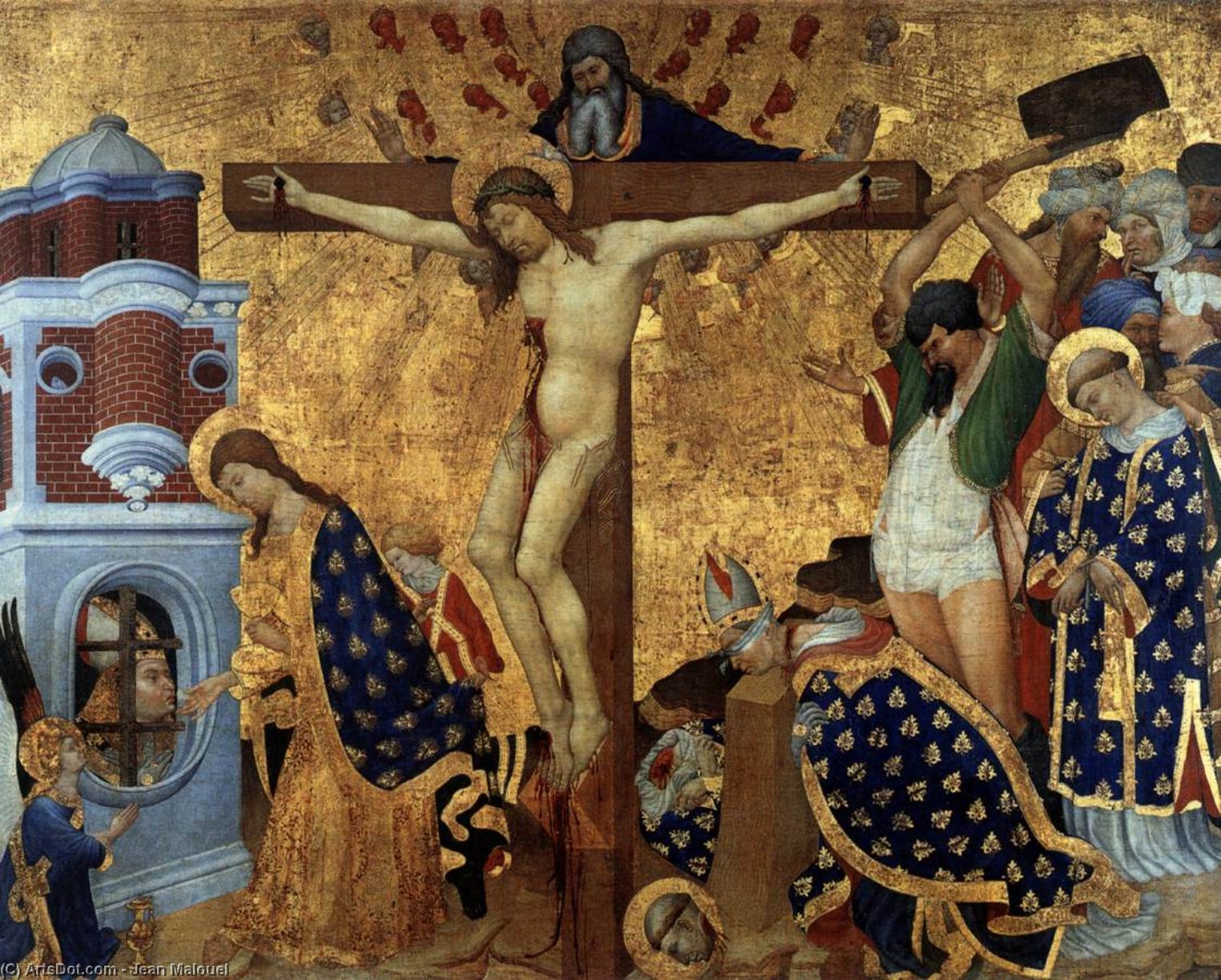
Calvary and the Martyrdom of St Denis
 Oil On Canvas
- WallArt
- International Gothic Style
 1416
1416- Late Medieval
 161.0 x 210.0 cm
 Louvre
 Pročitaj više
Kupite digitalnu sliku visoke rezolucije i poboljšanog kvaliteta, koja je znatno superiornija od onoga što vidite u online prikazu.
Svaka datoteka je pedantno pripremljena od strane naših stručnjaka koristeći napredne alate i profesionalnu ručnu retušu. Osiguravamo da svaka slika ima izuzetnu oštrinu, preciznu reprodukciju boja i fine detalje.
Konačna datoteka se dostavlja putem e-pošte u roku od 72 sata, optimizovana za neposrednu upotrebu u profesionalnim, izdavačkim i štamparskim okruženjima. To je isti kvalitet kojem veruju vrhunski studiji dizajna, izdavači i galerije.
Digitalna slika
Preuzmite datoteku visoke rezolucije za ličnu upotrebu, štampanje i kreativne projekte. ( Kupi print Kupi ručno naslikanu sliku)
Uključeno uz svaku porudžbinu digitalne slike
Profesionalna digitalna isporuka, zagarantovana
Kada odaberete ArtsDot.com, ne dobijate samo sliku – vi primate profesionalno unapređeno digitalno umetničko delo, izrađeno sa najvećom preciznošću i uz garanciju zadovoljstva. Evo svega što automatski dolazi uz vašu porudžbinu:

Brza dostava putem e-pošte
Vaša digitalna slika visoke rezolucije biće vam poslata putem e-pošte u roku od 72 sata od poručivanja – spremna za trenutnu upotrebu.

Digitalna datoteka unapređena veštačkom inteligencijom
Vaše umetničko delo je profesionalno optimizovano korišćenjem naprednih AI alata i ručne obrade, čime se osiguravaju maksimalni detalji, oštrina i preciznost boja.

Besplatna ponovna isporuka doživotno
Slučajno ste obrisali ili izgubili svoju datoteku? Ne brinite – poslaćemo vam je ponovo u bilo kom trenutku, potpuno besplatno.

Bez troškova uvoza – zauvek
Uživajte u svojim umetničkim delima trenutno, bez carine, dažbina ili troškova dostave – digitalni download je uvek bez poreza.

Garancija vernosti boja
Uz pomoć profesionalnih alata i upravljanja bojama, osiguravamo da vaša digitalna slika što vernije odražava originalne boje.

Garancija zadovoljstva u roku od 60 dana
Ako niste zadovoljni svojom digitalnom slikom, revidirat ćemo je ili vratiti 100% novca u roku od 60 dana – bez ikakvih pitanja.

100% garancija povrata novca
Niste zadovoljni? Obezbedite pun povrat novca u roku od 60 dana od trenutka kada ste primili svoju digitalnu datoteku – bez suvišnih pitanja.

Popusti na velike porudžbine
Kupite 3 slike, uštedite 10% - Kupite 5 slika, uštedite 15% - Kupite 10+ slika, uštedite 20%. Odlično za kreativne projekte, galerije i agencije.
Jean Malouel’s Calvary and the Martyrdom of St Denis: A Synthesis of Gothic Tradition and Renaissance Innovation
Jean Malouel's “Calvary and the Martyrdom of St Denis,” completed in 1416, stands as a remarkable testament to the evolving artistic landscape of Burgundy during the early fifteenth century. It’s more than just a depiction of biblical narrative; it embodies a crucial juncture between the solemn grandeur of Gothic art—characterized by elongated figures, rich ornamentation, and an emphasis on spiritual contemplation—and the burgeoning humanist ideals that would herald the arrival of the Renaissance.
- Subject Matter: The painting portrays Jesus Christ crucified alongside St Denis, the Bishop of Paris and a revered martyr for Christendom. This pairing reflects the profound religious fervor prevalent in Burgundian society at the time, where saints’ veneration was deeply ingrained within daily life and artistic expression.
- Style: Malouel skillfully blends elements of International Gothic style—known for its delicate detail and refined elegance—with emerging Renaissance principles. The elongated figures retain a gothic aesthetic while simultaneously demonstrating a greater awareness of anatomical accuracy, signaling a shift towards realism.
- Technique: Executed in oil paint on canvas, Malouel’s technique showcases meticulous layering and blending, resulting in luminous colors and subtle gradations that imbue the scene with an ethereal quality. The artist's masterful manipulation of pigment contributes to the painting’s expressive power.
Historical Context: Burgundy Under Philip the Bold
The artwork emerged during a period of significant political and cultural transformation in Burgundy, under the reign of Philip the Bold (1397-1422). Philip's patronage fueled an unprecedented artistic boom, attracting artists from across Europe—including Henri Bellechose—and establishing Dijon as a beacon of artistic innovation. This royal ambition fostered a climate receptive to experimentation and stylistic evolution.
- Royal Patronage: Philip the Bold’s unwavering commitment to commissioning monumental artworks propelled Malouel's career and solidified Burgundy’s position as a dominant force in European art. His desire to elevate Dijon’s prestige drove him to invest heavily in artistic endeavors.
- Religious Sentiment: Burgundian society was profoundly shaped by Catholicism, which permeated every facet of life—from governance to education to artistic production. The depiction of St Denis' martyrdom reflects this pervasive religious conviction and underscores the importance of saints’ veneration within the cultural ethos.
Symbolism and Emotional Resonance
"Calvary and the Martyrdom of St Denis" is replete with symbolic imagery designed to evoke profound emotional responses. The central crucifix serves as a focal point for contemplation, while the surrounding figures—angels, onlookers, and the executioner—represent various aspects of human experience—faith, suffering, judgment, and mortality.
- The Crucifix: Representing divine sacrifice and redemption, the crucifix embodies the core tenets of Christian theology. Its placement at the center of the composition underscores its significance as a symbol of spiritual transcendence.
- Angels: Appearing on either side of Christ, angels symbolize divine grace and protection—affirming faith’s unwavering belief in God's benevolence.
- Emotional Impact: The painting’s expressive dynamism—captured through meticulous attention to detail and nuanced coloration—captures the palpable tension between compassion and solemnity. It invites viewers to engage in a contemplative dialogue with themes of sacrifice, devotion, and spiritual fortitude.
A Legacy of Artistic Synthesis
Jean Malouel's “Calvary and the Martyrdom of St Denis” exemplifies the artistic synthesis that characterized Burgundy’s ascendancy as a cultural powerhouse. By harmoniously blending Gothic tradition with Renaissance innovation—demonstrating an acute awareness of anatomical accuracy alongside refined stylistic elegance—Malouel bequeathed to posterity a masterpiece that continues to inspire admiration for its beauty, intellectual depth, and enduring spiritual resonance.
Srodna umetnička dela
![Скровегни - [35] - Крвенење — Đijoto Di Bondone, Gotički](/media/artworks/images-thumb/cf/93/cf934c5f25029370a72ef279c00495b1.jpg)

Biografija umetnika
A Life at the Burgundian Court
Jean Malouel, or Jan Maelwael as he was known in his native Netherlands, occupies a fascinating, pivotal position in the transition from Gothic to Renaissance art. Born around 1375 in Nijmegen, a city then part of the Duchy of Guelders, his life unfolded against the backdrop of burgeoning artistic patronage and shifting cultural currents. He wasn’t merely a painter; he was a courtier, an innovator, and a key figure in establishing the Burgundian court as a center of artistic excellence. The seeds of his artistry were sown within a family tradition – both his father, Willem Maelwael, and an uncle practiced the craft, providing young Jan with early training and exposure to the workshop environment. By 1382, records indicate he was already actively working as an artist, demonstrating a precocious talent that would soon draw him into the orbit of powerful patrons.From Paris to Dijon: Ascending Through Royal Circles
Malouel’s career took its first significant turn in 1396-97 when he found himself working in Paris, tasked with painting armorial decorations for Isabelle of Bavaria, the Queen of France. This commission wasn't simply about heraldry; it was an introduction to the world of royal commissions and a demonstration of his skill in detailed, decorative work. However, it was his move to Dijon in 1397 that truly cemented his destiny. He succeeded Jean de Beaumetz as court painter to Philip the Bold, Duke of Burgundy, a position he held with distinction until his death. This appointment wasn’t merely a job; it came with the prestigious rank of *valet de chambre*, signifying his close proximity to the Duke and his importance within the Burgundian household. His salary reflected this esteem, exceeding that of even renowned sculptors like Claus Sluter, underscoring the value Philip placed on Malouel's artistic abilities. A brief return to Nijmegen in 1405 allowed him to marry Heilwig van Redinchaven before he resumed his duties at the Burgundian court, a testament to his commitment to both family and patronage.Master of Innovation: Style and Major Works
Malouel’s artistic style is firmly rooted in the International Gothic tradition – characterized by elegant figures, rich colors, and meticulous detail. Yet, within this framework, he demonstrated a forward-thinking approach, particularly in his adoption of glazing techniques that foreshadowed the innovations of oil painting pioneered later by Jan van Eyck. His most celebrated work, the Pietà Tondo (Louvre), is considered a landmark achievement – arguably the first true tondo of the Renaissance. This circular composition, with its depiction of the Virgin Mary cradling the body of Christ, blends Northern European and Sienese artistic influences into a harmonious whole. The use of glazing lends a remarkable luminosity to the scene, enhancing its emotional impact. Other significant works attributed to him include the Martyrdom of St Denis Altarpiece (Louvre), though authorship is debated, with some scholars believing Henri Bellechose completed it after Malouel’s death. The *Portrait of Philip the Bold*, while only surviving in later copies, was highly esteemed during its time and served as a model for subsequent depictions of the Duke. His Virgin and Child (Berlin Gemäldegalerie), believed to be part of a diptych with a portrait of John the Fearless, represents an early example of this increasingly popular format.A Lasting Legacy: Bridging Eras
Jean Malouel’s influence extended beyond his own paintings. He played a crucial role in introducing the Limbourg brothers – Herman, Paul, and Johan – to Philip the Bold's service around 1400. This introduction proved transformative for the brothers, launching their careers as celebrated manuscript illuminators and significantly impacting the artistic landscape of the Burgundian court. Malouel’s commissions within the palaces were numerous, and his work on projects like the Well of Moses, sculpted by Claus Sluter, demonstrated his collaborative spirit and mastery of decorative techniques. He wasn't simply executing designs; he was actively shaping the visual identity of the Burgundian court. While uncertainties surrounding attribution continue to fuel scholarly debate regarding the full extent of his *oeuvre*, Malouel’s contributions to the artistic landscape of the late Middle Ages are undeniable. He stands as a pivotal figure, bridging the gap between the refined elegance of Gothic art and the burgeoning naturalism that would define the Renaissance, leaving an indelible mark on the history of European painting.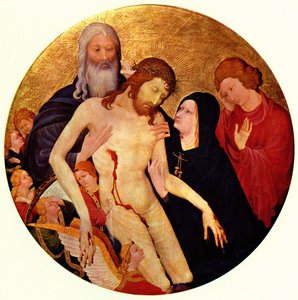
Jean Malouel
1375 - 1415

