

 Pregledaj u prostoru
 Pošalji
 Podeli
 Detalji o delu

 Преузми
 Slični predmeti
 Rendgenski snimak
 Slajdovi
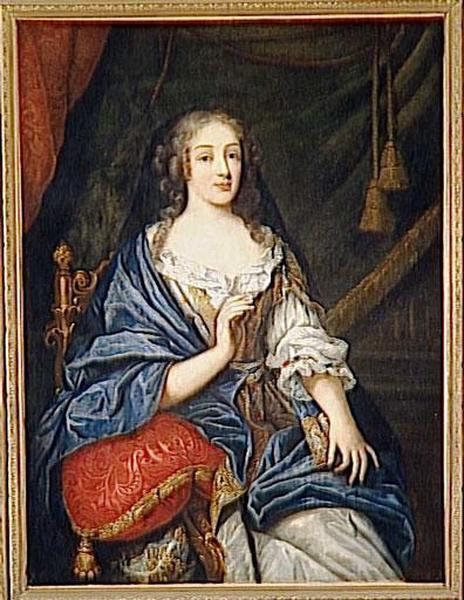
LOUISE FRANCOISE DE LA BAUME LE BLANC, DUCHESSE DE LA VALLIERE ET DE VAUJOURS (1644 1710)
 Pročitaj više
Ručno rađena uljana reprodukcija
Ručno oslikano uljanim bojama na platnu u dimenzijama i okviru po vašem izboru, izrađeno po porudžbini od strane naših umetnika. ( Kupi print Kupi digitalnu sliku)




































Izaberite jednu od naših unapred definisanih veličina koje odgovaraju originalnim proporcijama umetničkog dela.

Можете унети сопствене димензије како бисте прилагодили дело одређеном оквиру или простору. Ако одабрана величина не одговара пропорцијама оригинала, слика ће бити исечена или проширена додатним елементима који се ручно насликавају. Дигитални prikaz ће вам бити послат на одобрење пре почетка производње.
Имајте на уму да преглед на екрану не одражава стварно исецање или проширење. Само приказ (mockup) ће тачно приказати коначну композицију.
Иако су доступне прилагођене величине, препоручујемо да одаберете димензију из дефинисане листе како бисте сачували оригиналне пропорције.
Nakon narudžbine, tim ArtsDot.com će klijentu putem e-pošte poslati uputstva i dostaviti prikaz predloženog rešenja
Isporuka širom sveta () za 3/4 nedelje umesto uobičajenih 5 nedelja. (29 август). Bez kompromisa po pitanju kvaliteta.

Besplatna ekspresna dostava širom sveta

Visokokvalitetno laneno platno

Kompletno osiguranje transporta

Garancija povraćaja carine i uvoznih dažbina

Garancija vernosti boja

Politika povrata u roku od 60 dana (samo u slučaju nedostataka)

Garancija povrata novca od 100%

Popust pri grupnoj kupovini
 Opcija sa staklom dostupna je samo za dimenzije manje od 110 cm

LOUISE FRANCOISE DE LA BAUME LE BLANC, DUCHESSE DE LA VALLIERE ET DE VAUJOURS (1644 1710)
Tehnika reprodukcije
Dimenzije reprodukcije
-


Konačna cena
$ 263
Srodna umetnička dela









Biografija umetnika
Salvator Rosa: A Rebel of the Italian Baroque
Salvator Rosa (1615 – 15 March 1673) stands as a singular and profoundly influential figure within the tumultuous landscape of 17th-century Italian art. More than simply a painter, he was a poet, satirist, actor, musician, and printmaker—a true Renaissance man whose life was as vibrant and unconventional as his artwork. Born in Arenella, near Naples, Rosa’s trajectory defied easy categorization, oscillating between the formal training of the Baroque and a fiercely independent spirit that ultimately defined his artistic legacy. His work, particularly his dramatic landscapes imbued with a sense of wildness and untamed nature, exerted an unexpected yet powerful influence on the burgeoning Romantic movement centuries later.Early Life and Artistic Training
Rosa’s early life was marked by instability and hardship. He received limited formal training, initially apprenticed to the painter Francesco Napione in Naples. However, it was his encounter with the established Neapolitan artist, Giuseppe Carafa, that proved pivotal. Carafa recognized Rosa's raw talent and encouraged him to embrace a more expressive and less rigidly academic approach. This mentorship fostered a distinctive style characterized by bold brushstrokes, dramatic lighting, and an intense emotionality—a departure from the polished elegance favored by many of his contemporaries. Rosa’s early works often depicted scenes of battle, mythological subjects, and portraits, reflecting the artistic trends of Naples at the time. Yet, even in these initial pieces, a rebellious streak began to emerge, foreshadowing his later rejection of conventional artistic norms.Rome: Scandal and Innovation
In 1639, Rosa moved to Rome, a city teeming with artistic competition and intellectual ferment. It was here that he truly established himself as a controversial figure. His satirical poems and prints, often sharply critical of the Papal court and its artists—particularly the celebrated Gian Lorenzo Bernini—earned him powerful enemies. Rosa’s outspokenness led to periods of exile and forced relocation throughout his career, yet it also fueled his artistic innovation. He sought out obscure and challenging subjects – forgotten biblical tales, esoteric philosophical concepts, and scenes of witchcraft – often rendering them with a visceral intensity that was both unsettling and captivating. His frescoes for the Palazzo Pamphili in Valmontone, depicting scenes from Virgil’s *Aeneid*, are prime examples of this approach: grand historical narratives presented through a lens of rugged wilderness and dramatic emotion.The Landscape as Revelation
Rosa's most enduring contribution to art lies in his revolutionary landscapes. Unlike the idealized, harmonious vistas championed by artists like Claude Lorrain, Rosa’s scenes were imbued with a sense of primal power and untamed beauty. He depicted towering cliffs, gnarled trees, stormy skies, and treacherous rivers—elements that evoked both awe and terror. These weren't picturesque views designed for tranquil contemplation; they were representations of nature in its rawest, most formidable state. Rosa’s landscapes anticipated the Romantic sensibility by prioritizing emotional response over rational observation, capturing a world where humanity was dwarfed by the overwhelming forces of nature. His work challenged the established conventions of landscape painting and paved the way for future generations of artists who sought to capture the sublime in their art.Legacy and Influence
Despite facing periods of obscurity during his lifetime, Salvator Rosa’s influence grew steadily over the centuries. In 18th-century England, his work was embraced by Romantic poets like James Thomson and William Wordsworth, who celebrated his depiction of wild nature as a symbol of freedom and rebellion. Rosa became a cult figure, his life embellished with tales of banditry and wanderlust—a romanticized persona that mirrored the spirit of his art. Today, Rosa is recognized as a pivotal figure in the transition from Baroque to Romanticism, a master of dramatic composition, and an artist who dared to challenge artistic conventions with unwavering conviction. His paintings continue to resonate with viewers today, offering a powerful reminder of the enduring allure of untamed beauty and the transformative power of artistic rebellion.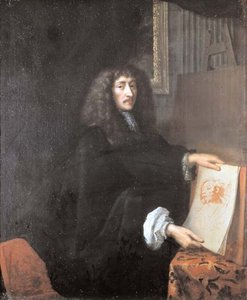
jean nocret
1615 - 1672 , France
Osnovne informacije
- Artistic Movement Or Style: Baroque, Romanticism
- Artists Or Movements Influenced By This Artist: ['Romanticism']
- Artists Who Influenced This Artist: ['Nicolas Poussin']
- Date Of Birth: June 20, 1615
- Date Of Death: March 15, 1673
- Full Name: Salvator Rosa
- Nationality: Italian
- Notable Artworks:
- Sacrifice of Abraham
- River Landscape with Apollo
- Place Of Birth: Arenella, near Naples

