

 Pošalji
 Podeli
 Detalji o delu

 Преузми
 Slični predmeti
 Slajdovi
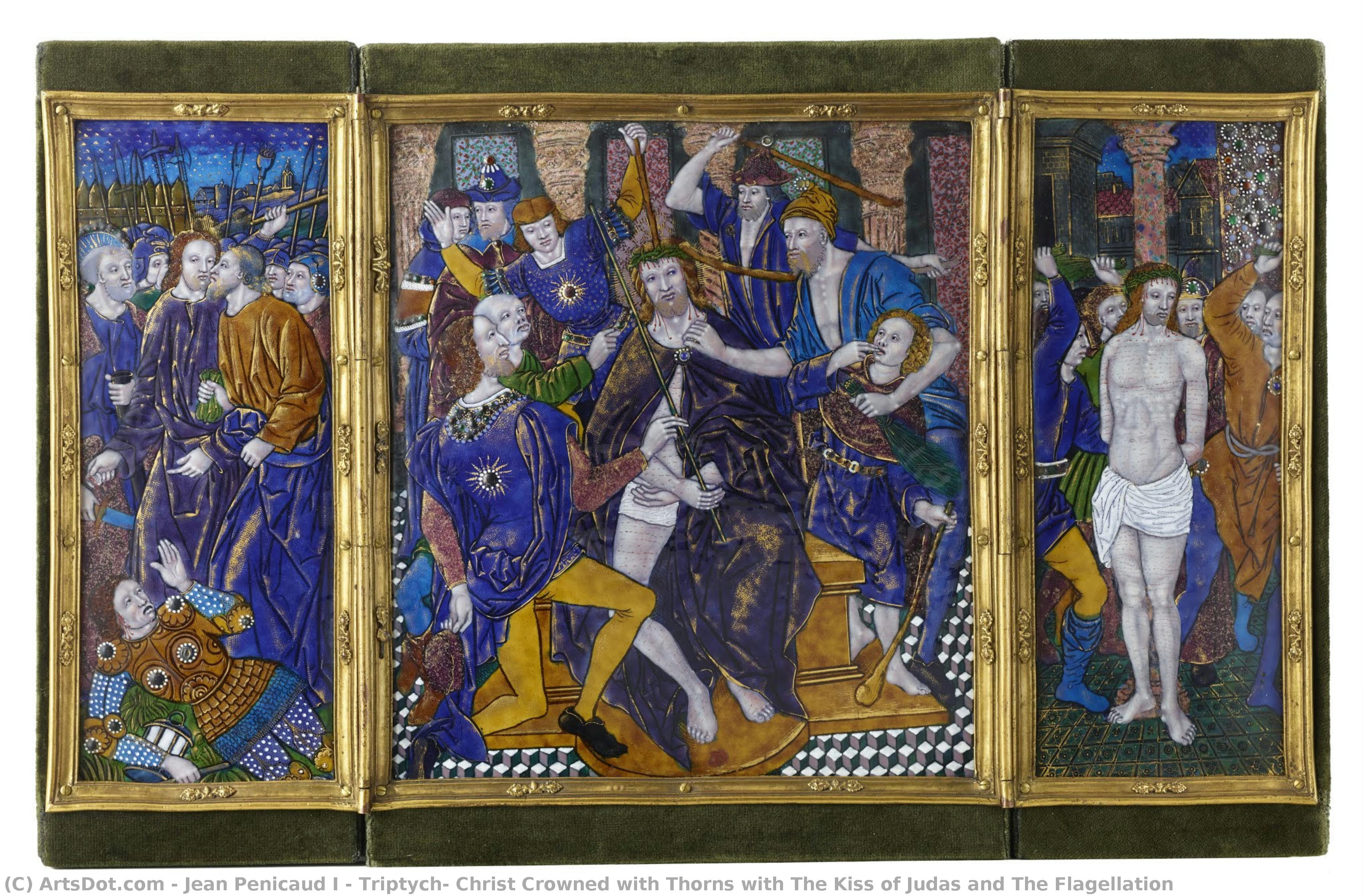
Triptych: Christ Crowned with Thorns with The Kiss of Judas and The Flagellation
 Enamel
- Decor
- Gothic Internationalism
 1525
1525- Renaissance
 53.0 x 33.0 cm
 The Frick Collection
 Pročitaj više
Kupite digitalnu sliku visoke rezolucije i poboljšanog kvaliteta, koja je znatno superiornija od onoga što vidite u online prikazu.
Svaka datoteka je pedantno pripremljena od strane naših stručnjaka koristeći napredne alate i profesionalnu ručnu retušu. Osiguravamo da svaka slika ima izuzetnu oštrinu, preciznu reprodukciju boja i fine detalje.
Konačna datoteka se dostavlja putem e-pošte u roku od 72 sata, optimizovana za neposrednu upotrebu u profesionalnim, izdavačkim i štamparskim okruženjima. To je isti kvalitet kojem veruju vrhunski studiji dizajna, izdavači i galerije.
Digitalna slika
Preuzmite datoteku visoke rezolucije za ličnu upotrebu, štampanje i kreativne projekte. ( Kupi print Kupi ručno naslikanu sliku)
Uključeno uz svaku porudžbinu digitalne slike
Profesionalna digitalna isporuka, zagarantovana
Kada odaberete ArtsDot.com, ne dobijate samo sliku – vi primate profesionalno unapređeno digitalno umetničko delo, izrađeno sa najvećom preciznošću i uz garanciju zadovoljstva. Evo svega što automatski dolazi uz vašu porudžbinu:

Brza dostava putem e-pošte
Vaša digitalna slika visoke rezolucije biće vam poslata putem e-pošte u roku od 72 sata od poručivanja – spremna za trenutnu upotrebu.

Digitalna datoteka unapređena veštačkom inteligencijom
Vaše umetničko delo je profesionalno optimizovano korišćenjem naprednih AI alata i ručne obrade, čime se osiguravaju maksimalni detalji, oštrina i preciznost boja.

Besplatna ponovna isporuka doživotno
Slučajno ste obrisali ili izgubili svoju datoteku? Ne brinite – poslaćemo vam je ponovo u bilo kom trenutku, potpuno besplatno.

Bez troškova uvoza – zauvek
Uživajte u svojim umetničkim delima trenutno, bez carine, dažbina ili troškova dostave – digitalni download je uvek bez poreza.

Garancija vernosti boja
Uz pomoć profesionalnih alata i upravljanja bojama, osiguravamo da vaša digitalna slika što vernije odražava originalne boje.

Garancija zadovoljstva u roku od 60 dana
Ako niste zadovoljni svojom digitalnom slikom, revidirat ćemo je ili vratiti 100% novca u roku od 60 dana – bez ikakvih pitanja.

100% garancija povrata novca
Niste zadovoljni? Obezbedite pun povrat novca u roku od 60 dana od trenutka kada ste primili svoju digitalnu datoteku – bez suvišnih pitanja.

Popusti na velike porudžbine
Kupite 3 slike, uštedite 10% - Kupite 5 slika, uštedite 15% - Kupite 10+ slika, uštedite 20%. Odlično za kreativne projekte, galerije i agencije.
Opis kolekcionarskog dela
A Divine Narrative in Enamel: The Passion Unfolded
In the quiet intensity of this 1525 triptych, the viewer is transported into the heart of a profound religious drama. Attributed to the master enameler Jean Pénicaud I, this three-paneled masterpiece serves as a window into the sacred suffering of Christ. The central panel presents the harrowing moment of the Crowning with Thorns, flanked by the betrayal of the Kiss of Judas and the physical torment of the Flagellation. Each scene is meticulously composed to draw the eye inward, creating an immersive experience that transcends time. The artwork does not merely depict history; it invites a meditative encounter with the divine, making it a breathtaking centerpiece for any collection dedicated to the spiritual depth of the Renaissance.
The stylistic essence of this work lies in its beautiful tension between Gothic Internationalism and the emerging influences of the Italian Renaissance. While the figures possess an elongated, graceful elegance reminiscent of late medieval traditions, there is a burgeoning sense of structural modernity present in the background. Pénicault cleverly integrates classical elements—such as marble insets and stately columns—alongside a geometric tiled floor that suggests a more structured, perspectival world. This fusion of styles creates a visual language that is both ancient and sophisticated, offering a rich tapestry of textures and forms that captivate the modern eye.
Mastery of Color and Technique
To behold this triptych is to witness the brilliance of 16th-century French craftsmanship. The technique, likely involving a sophisticated application of tempera or oil-based pigments on wood, achieves a luminous quality that feels almost ethereal. Pénicaud utilizes a high-keyed palette where vibrant blues, deep reds, and lush greens dance against the subtle shimmer of gold leaf. Through the meticulous layering of glazes and scumbling, the artist creates a sense of volume and weight in the drapery, making the heavy folds of the garments feel tangible. The dramatic use of light and shadow—chiaroscuro in its early, evocative form—emphasizes the emotional gravity of each gesture, from the cruel press of the thorns to the deceptive intimacy of Judas’s kiss.
For the discerning collector or interior designer, this piece offers more than just aesthetic beauty; it provides a profound emotional resonance. The interplay of light and shadow creates a dynamic energy that changes with the ambient lighting of a room, offering a sense of movement within its static panels. Whether placed in a sunlit gallery or a moody, library-style study, the triptych acts as an anchor of solemnity and piety. It is a work of immense character, perfect for those seeking to infuse their surroundings with the storied elegance of the French Renaissance and the timeless power of sacred art.
Srodna umetnička dela
Biografija umetnika
Leonardo da Vinci: A Renaissance Polymath
Leonardo da Vinci, born April 15, 1452, in Anchiano, near Vinci, Italy, remains one of the most iconic and endlessly fascinating figures in Western history. More than simply a painter, he was a true polymath – an artist, scientist, inventor, anatomist, architect, engineer, geologist, cartographer, botanist, and musician. His life spanned nearly 67 years, during which he relentlessly pursued knowledge across a staggering array of disciplines, leaving behind a legacy that continues to inspire awe and wonder centuries later. His work embodies the very essence of the Renaissance ideal – a boundless curiosity and an unwavering commitment to understanding the world through observation and experimentation.
Leonardo’s early life was relatively modest. He received some rudimentary artistic training from his father, a notary, and then apprenticed under Andrea del Verrocchio in Florence. This formative period exposed him to the techniques of painting, sculpture, and drafting, but it was also during this time that he began to develop his own unique approach – one characterized by meticulous detail, scientific observation, and an innovative use of perspective and light. Verrocchio’s workshop provided a crucial foundation, yet Leonardo quickly surpassed his master, demonstrating a remarkable talent for capturing human emotion and rendering complex forms with unparalleled realism.
The Artistic Masterpieces
While Leonardo produced numerous sketches, studies, and unfinished works, only a handful of paintings are universally recognized as masterpieces. The Mona Lisa (c. 1503-1517), arguably the most famous painting in the world, is renowned for its enigmatic smile and revolutionary use of sfumato – a subtle blurring technique that creates an ethereal quality. Its subject’s gaze seems to follow the viewer, drawing them into a captivating dialogue.
Another iconic work is The Last Supper (c. 1495-1498), painted on the wall of the refectory of Santa Maria delle Grazie in Milan. This monumental fresco depicts Jesus’s final meal with his disciples, capturing a dramatic moment of revelation and betrayal. Leonardo's innovative use of perspective and psychological realism profoundly influenced subsequent generations of artists. He also created Virgin of the Rocks (c. 1483-1486), showcasing his mastery of atmospheric perspective and composition, and Annunciation (c. 1472-1475) which demonstrates his early development of sfumato.
Scientific Inquiry and Engineering Innovations
Leonardo’s artistic pursuits were inextricably linked to his scientific investigations. He meticulously studied human anatomy through dissections – a practice considered controversial at the time – producing remarkably accurate drawings that revolutionized our understanding of the musculoskeletal system. His anatomical studies informed not only his paintings but also his engineering designs, allowing him to create more realistic and dynamic representations of the human form.
Beyond anatomy, Leonardo was deeply interested in optics, hydraulics, mechanics, and geology. He designed flying machines, tanks, bridges, canals, and other ingenious inventions that were centuries ahead of their time. His notebooks are filled with sketches and diagrams illustrating his ideas for a self-propelled cart, a diving suit, and various military devices – testament to his boundless creativity and inventive spirit. His work on water flow and irrigation systems demonstrated a profound understanding of natural principles.
Legacy and Historical Significance
Leonardo da Vinci’s influence extends far beyond the realm of art. He represents the epitome of the Renaissance ideal – a universal man who sought to understand all aspects of the world through observation, experimentation, and artistic expression. His meticulous approach to detail, his innovative use of perspective and light, and his profound understanding of human anatomy have had a lasting impact on Western art and science.
Although many of his projects remained unfinished during his lifetime, Leonardo’s legacy endures as a symbol of intellectual curiosity, artistic genius, and the boundless potential of the human mind. He is celebrated not only for his individual achievements but also for embodying the spirit of the Renaissance – a period of unprecedented creativity, innovation, and cultural transformation. His work continues to be studied, analyzed, and admired by scholars, artists, and enthusiasts around the world.
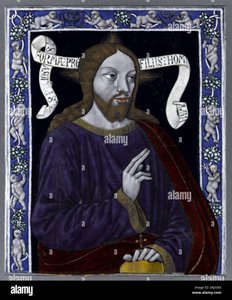
jean penicaud i
1500 - 1550 , France
Kratke činjenice
- Artistic Movement Or Style: High Renaissance
- Artists Or Movements Influenced By This Artist: ['Da Vinci family']
- Artists Who Influenced This Artist: ['Andrea del Verrocchio']
- Date Of Birth: April 15, 1452
- Date Of Death: May 2, 1519
- Full Name: Leonardo di ser Piero da Vinci
- Nationality: Italian
- Notable Artworks:
- Mona Lisa
- The Last Supper
- Vitruvian Man
- Place Of Birth: Vinci, Italy

