

 Pregledaj u prostoru
 Pošalji
 Podeli
 Detalji o delu

 Преузми
 Slični predmeti
 Rendgenski snimak
 Slajdovi
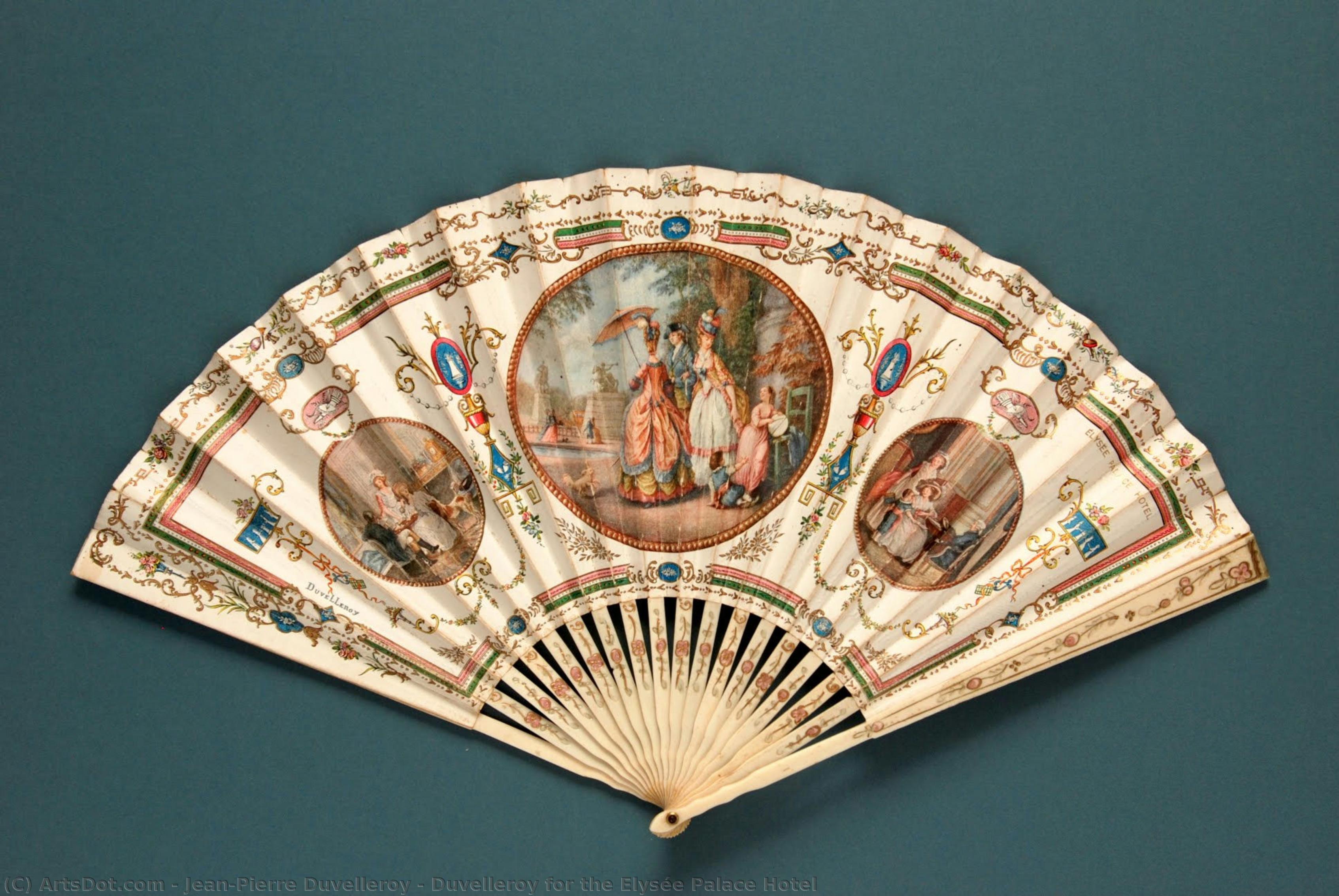
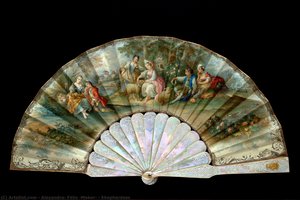
Duvelleroy for the Elysée Palace Hotel


 Pročitaj više
Ručno rađena uljana reprodukcija
Ručno oslikano uljanim bojama na platnu u dimenzijama i okviru po vašem izboru, izrađeno po porudžbini od strane naših umetnika. ( Kupi print Kupi digitalnu sliku)




































Izaberite jednu od naših unapred definisanih veličina koje odgovaraju originalnim proporcijama umetničkog dela.

Можете унети сопствене димензије како бисте прилагодили дело одређеном оквиру или простору. Ако одабрана величина не одговара пропорцијама оригинала, слика ће бити исечена или проширена додатним елементима који се ручно насликавају. Дигитални prikaz ће вам бити послат на одобрење пре почетка производње.
Имајте на уму да преглед на екрану не одражава стварно исецање или проширење. Само приказ (mockup) ће тачно приказати коначну композицију.
Иако су доступне прилагођене величине, препоручујемо да одаберете димензију из дефинисане листе како бисте сачували оригиналне пропорције.
Nakon narudžbine, tim ArtsDot.com će klijentu putem e-pošte poslati uputstva i dostaviti prikaz predloženog rešenja
Isporuka širom sveta () za 3/4 nedelje umesto uobičajenih 5 nedelja. (21 август). Bez kompromisa po pitanju kvaliteta.

Besplatna ekspresna dostava širom sveta

Visokokvalitetno laneno platno

Kompletno osiguranje transporta

Garancija povraćaja carine i uvoznih dažbina

Garancija vernosti boja

Politika povrata u roku od 60 dana (samo u slučaju nedostataka)

Garancija povrata novca od 100%

Popust pri grupnoj kupovini
 Opcija sa staklom dostupna je samo za dimenzije manje od 110 cm

Duvelleroy for the Elysée Palace Hotel
Tehnika reprodukcije
Dimenzije reprodukcije
-


Konačna cena
$ 363
Opis umetničkog dela
Srodna umetnička dela
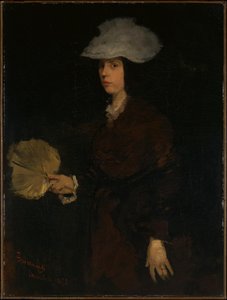
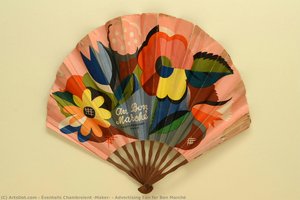
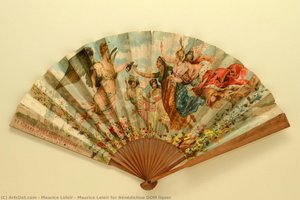
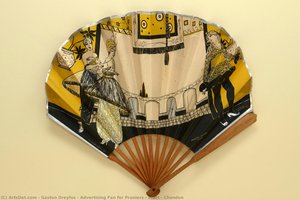
Biografija umetnika
George Romney: The Painter of Society
George Romney, born on December 26th, 1734, in the small village of Beckside near Barrow-in-Furness, Lancashire, was a figure who profoundly shaped the visual landscape of Georgian England. He wasn’t a formally trained academic artist; instead, his talent blossomed through a combination of innate ability and a keen observation of human nature – particularly as it manifested within the vibrant world of London society. Romney's life story is one of remarkable transformation, moving from humble beginnings as the son of a cabinet maker to becoming the most fashionable painter of his day, capturing the elegance and social intricacies of an era. His legacy rests not just on technical skill but on his ability to portray individuals with a captivating sense of realism and charm, making him a pivotal figure in the development of British portraiture.Early Life and Artistic Beginnings
Romney’s early years were far removed from the world he would later depict. Raised in a modest cottage – now known as Romney Cottage – he received an informal education, largely through self-directed study and the tutelage of local artisans like John Williamson, a watchmaker who recognized his artistic potential. At the age of eleven, he was apprenticed to his father’s cabinet making business, a pragmatic decision that temporarily halted his artistic pursuits. However, this didn't extinguish his passion; he continued to draw in secret, honing his skills and developing an eye for detail. A pivotal moment arrived when, at twenty-one, he journeyed to Kendal, seeking formal training under Christopher Steele, a respected portraitist who had once studied with the renowned French artist Carle Vanloo. This apprenticeship, though ultimately dissolved due to Romney’s desire for independence, provided him with crucial technical foundations and exposed him to established artistic conventions. His early life was marked by a quiet determination, fueled by an ambition to escape his provincial origins and establish himself as a recognized artist in London.London and the Rise of a Society Painter
In 1757, Romney embarked on what would become a defining chapter of his career – a move to London. He quickly established himself within the fashionable circles of the city, attracting commissions from wealthy patrons eager to have their likenesses captured by this rising star. Unlike many artists who relied solely on aristocratic patronage, Romney cultivated relationships with a broader range of clients, including merchants, lawyers, and even members of the theatre world. This diverse clientele allowed him to gain a comprehensive understanding of London society – its manners, customs, and social dynamics. His most enduring association was undoubtedly with Emma Hamilton, a captivating beauty who became his muse and mistress. Their relationship, documented in numerous paintings, provided Romney with unparalleled access to the heart of Georgian high society, offering him a unique insight into the lives and personalities of his subjects. He wasn’t merely painting portraits; he was documenting an entire social world.Technique and Style
Romney's artistic style is characterized by its remarkable naturalism and psychological depth. He eschewed the stiff formality often associated with portraiture, instead favoring a relaxed and engaging approach. His subjects are depicted in informal settings – at their desks, playing musical instruments, or engaged in everyday activities – capturing their personalities with subtle gestures and expressions. Romney’s use of light and shadow is particularly noteworthy, creating a sense of atmosphere and revealing the textures of clothing and skin. He was a master of capturing fleeting moments, imbuing his paintings with a vibrant energy and immediacy. His brushwork is loose and expressive, contributing to the overall feeling of spontaneity and realism. While influenced by the prevailing artistic trends of the time, Romney developed a distinctly individual style that prioritized observation and human connection over rigid academic rules.Legacy and Influence
George Romney’s impact on British art is considerable. He elevated portraiture to a new level of social significance, transforming it from a formal exercise in representation into a means of capturing the essence of individual character and social status. His paintings offer invaluable insights into Georgian society, providing a vivid glimpse into the lives and customs of an era. His influence can be seen in the work of subsequent generations of British artists, including Edwin Henry Landseer, who admired Romney’s ability to depict animals with remarkable realism and emotional sensitivity. Romney's legacy extends beyond his artistic achievements; he is remembered as a pioneering figure who challenged conventional notions of artistry and demonstrated the power of observation and empathy in creating compelling works of art. His paintings continue to be celebrated for their beauty, charm, and enduring appeal, ensuring that George Romney’s contribution to British art history remains firmly secure.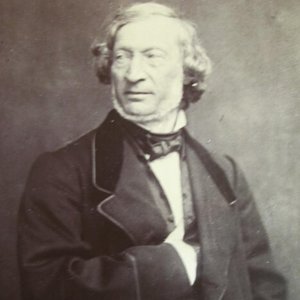
jean-pierre duvelleroy
1802 - 1889 , France
Osnovne informacije
- Artistic Movement Or Style: Romanticism, Animal Painting
- Artists Or Movements Influenced By This Artist:
- George Romney
- Victorian Painting
- Artists Who Influenced This Artist:
- Carle Vanloo
- Edward Dayes
- Date Of Birth: 7 March 1802
- Date Of Death: 1 October 1873
- Full Name: Edwin Henry Landseer
- Nationality: English
- Notable Artworks:
- The Old Shepherd's Chief Mourner
- Dignity and Impudence
- The Monarch of the Glen
- Place Of Birth: London, England
Povezani članci

Rokoko: 10 Remek Dela Koja Su Definisala Eleganciju i Ukus
Otkrijte 10 remek dela koja su definisala rokoko umetnost! Uronite u svet Boucher-a, Watteau-a i Fragonarda. Istorija, stil i inspiracija za vaš dom. Kvalitetne reprodukcije i kuratorski odabiri na ArtsDot.com!

The Rococo Aesthetic: Opulence, Rebellion & the Pursuit of Pleasure in 18th-Century Art
Explore the opulent world of Rococo art! Discover its origins, key artists like Watteau & Boucher, and lasting influence on design. Expert insights for collectors & enthusiasts.

Savremeni uspon anime platna: Od digitalnih snova do opipljivih blaga
Otkrijte svet anime umetnosti sa ArtsDot! Kvalitetne reprodukcije, personalizovani portreti i kolekcionarska dela. Investirajte u jedinstvene slike inspirisane japanskom animacijom. Besplatna dostava!
The Allure of Elegance in Art: A Historical & Aesthetic Exploration of Refinement & Grace
Explore the exquisite world of Rococo art! Discover its history, masters (Watteau, Boucher & more), and defining elegance. Expert insights for collectors seeking museum-quality reproductions & custom portraits.
Echoes of Time: Nostalgia, Technique & Cultural Significance in Vintage Paintings
Explore the captivating world of vintage paintings! Discover key styles, cultural significance & collecting tips from art experts at ArtsDot. Find authentic reproductions and elevate your home décor.

