

 Pregledaj u prostoru
 Pošalji
 Podeli
 Detalji o delu

 Преузми
 Slični predmeti
 Rendgenski snimak
 Slajdovi
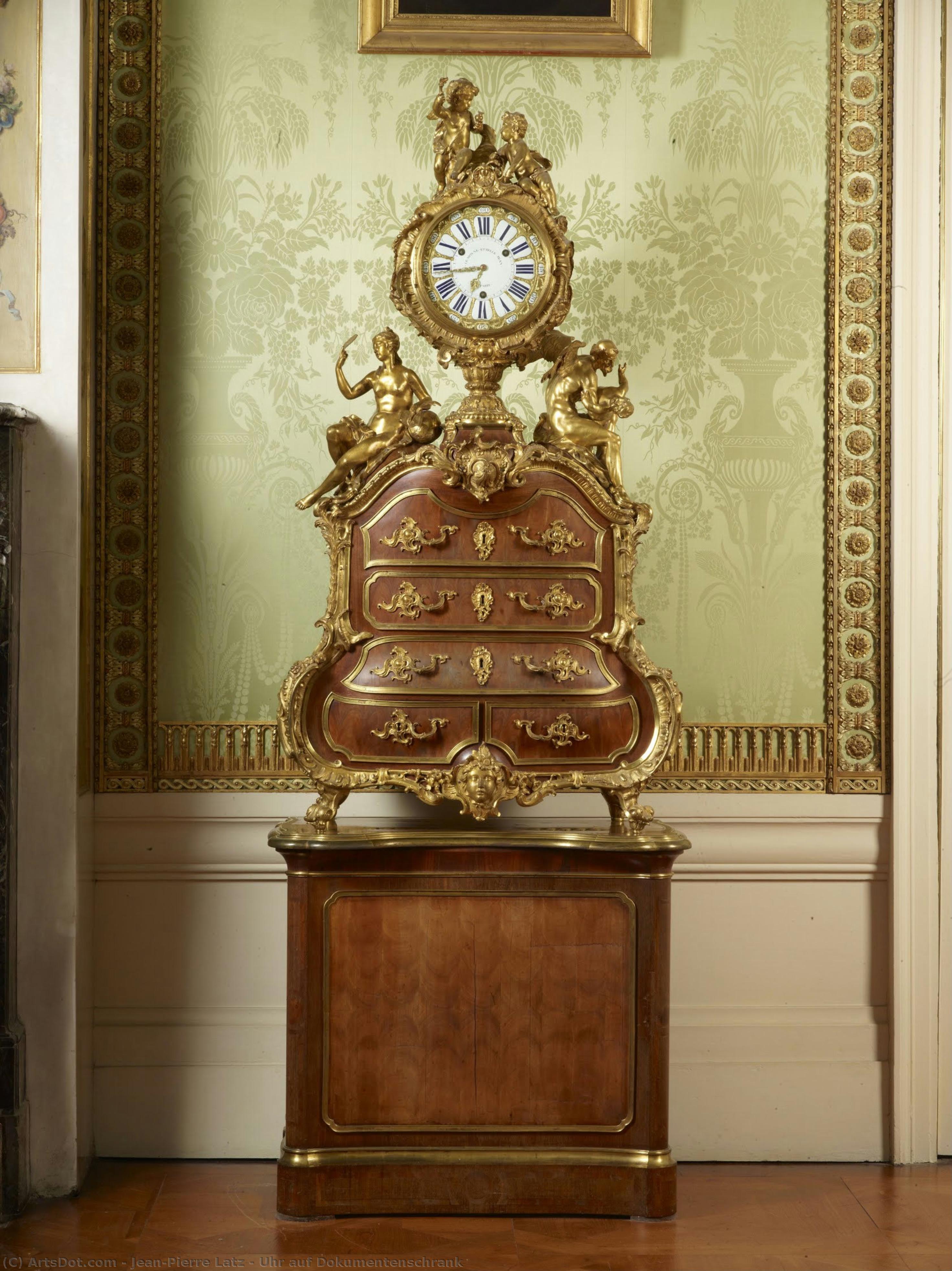
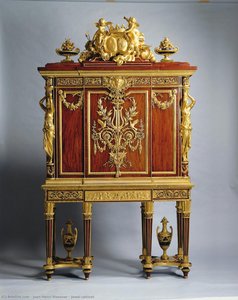
Uhr auf Dokumentenschrank
 Acrylic
- WallArt
- Rococo
 1746
1746 245.0 x 90.0 cm
 Dvorac Sanssuci
 Pročitaj više
Ručno rađena uljana reprodukcija
Ručno oslikano uljanim bojama na platnu u dimenzijama i okviru po vašem izboru, izrađeno po porudžbini od strane naših umetnika. ( Kupi print Kupi digitalnu sliku)




P118B $10

P118H $10

P118W $10

P438Z $10

P508JH $12

P508YH $12

P805H $10

P805Z $10

P919BZ $10

P919G $10

P919XJ $10

P959ZH $10

P968JZ $12

W106C $8

W218G $10

W218JH $8

W218Y $10

W307PJ $10

W316G $10

W316PJ $8

W316Y $10

W398PJ $8

W4111J $10

W500HY $15

W500JH $15

W692G $12

W849H $8

W940BG $15

W953PJ $8




Izaberite jednu od naših unapred definisanih veličina koje odgovaraju originalnim proporcijama umetničkog dela.

Можете унети сопствене димензије како бисте прилагодили дело одређеном оквиру или простору. Ако одабрана величина не одговара пропорцијама оригинала, слика ће бити исечена или проширена додатним елементима који се ручно насликавају. Дигитални prikaz ће вам бити послат на одобрење пре почетка производње.
Имајте на уму да преглед на екрану не одражава стварно исецање или проширење. Само приказ (mockup) ће тачно приказати коначну композицију.
Иако су доступне прилагођене величине, препоручујемо да одаберете димензију из дефинисане листе како бисте сачували оригиналне пропорције.
Nakon narudžbine, tim ArtsDot.com će klijentu putem e-pošte poslati uputstva i dostaviti prikaz predloženog rešenja
Isporuka širom sveta () za 3/4 nedelje umesto uobičajenih 5 nedelja. (20 август). Bez kompromisa po pitanju kvaliteta.

Besplatna ekspresna dostava širom sveta

Visokokvalitetno laneno platno

Kompletno osiguranje transporta

Garancija povraćaja carine i uvoznih dažbina

Garancija vernosti boja

Politika povrata u roku od 60 dana (samo u slučaju nedostataka)

Garancija povrata novca od 100%

Popust pri grupnoj kupovini
 Opcija sa staklom dostupna je samo za dimenzije manje od 110 cm

Uhr auf Dokumentenschrank
Tehnika reprodukcije
Dimenzije reprodukcije
-


Konačna cena
$ 263
Opis umetničkog dela
Srodna umetnička dela
![Three Studies Of A Woman's Head And A Study Of Hands [recto], — Žan Antoan Vato, Rococo Style](/media/artworks/images/thumbnails/de/cd/decd4d141ba2488f8ef518c83414b9f9.jpg)
Biografija umetnika
The Sculptor of Parisian Rococo Elegance
Jean-Pierre Latz stands as a pivotal figure in the history of French furniture craftsmanship during the reign of Louis XV, embodying the zenith of Rococo style and demonstrating unparalleled technical skill. Born near Cologne, Germany, around 1691, his early life remains shrouded in relative obscurity, yet he swiftly ascended to prominence within Paris’s vibrant artisan community. He established himself as one of the most celebrated ébénistes—royal cabinetmakers—of his era, leaving a legacy that endures not merely for the beauty of his creations but also for his role in shaping the very trends of the decorative arts.
Latz’s formative years were spent honing his craft in Cologne, where he received training as a cabinetmaker, a profession deeply rooted in Germanic tradition. Driven by ambition and the allure of opportunity, he relocated to Paris around 1719, immersing himself in the cosmopolitan atmosphere of the French capital and joining the prestigious guild of artisans. This decisive move proved instrumental in propelling his career forward, allowing him to collaborate with influential patrons and gain access to innovative materials and techniques. Within a decade, Latz had secured a position as ébéniste privilégié du roi—a royal appointment granting him exclusive privileges—underscoring the immense esteem accorded to his artistry by the French court.
A Master of Material and Motion
The furniture produced by Latz is instantly recognizable for its distinctive Rococo aesthetic, characterized by exuberant ornamentation and a masterful fusion of sculptural form and delicate inlay work. Unlike earlier styles that prioritized rigid functionality, Latz embraced the Rococo impulse toward theatricality and sensory delight. He skillfully employed richly figured tropical veneers—such as satinwood, rosewood, ebony, tulipwood, amarante, and purpleheart—to create surfaces that seemed to dance with light. His technique often featured distinctive end-grain cuts, adding a layer of complex texture to his marquetry.
What truly elevated Latz's work was his ability to treat wood as if it were malleable sculpture. He combined these exotic veneers with meticulously crafted gilt-bronze mounts that served both as structural reinforcement and as breathtaking ornamentation. These bold, sculptural bronze elements often depicted flowing floral motifs and leafy sprays, complementing the intricate marquetry patterns. His mastery extended beyond traditional cabinetry into the creation of lacquered pieces and even extraordinary musical furniture, such as his renowned marquetry organ, which demonstrated his ability to marry complex mechanical engineering with high art.
A Royal Legacy and Historical Significance
The historical significance of Jean-Pierre Latz lies in his ability to translate the shifting tastes of the Enlightenment into tangible, luxurious objects. His work was not merely decorative; it was a statement of status and a window into the refined sensibilities of the 18th-century elite. One of his most legendary achievements is the Bureau Plat, often referred to as the French desk of Frederick II, King of Prussia. Created around 1745, this exquisite piece serves as a profound link to a monarch's personal space and remains a testament to the refined tastes that bridged the gap between the French and Prussian courts.
Throughout his career, Latz’s influence resonated through the halls of European palaces, from the splendor of Versailles to the intimate chambers of Sanssouci. His contributions can be summarized by several key pillars of his artistry:
- Technical Innovation: The seamless integration of heavy gilt-bronze mounts with delicate tropical wood veneers.
- Stylistic Mastery: The perfection of the Rococo aesthetic, characterized by asymmetry, flowing curves, and organic motifs.
- Royal Patronage: His status as a preferred craftsman for the most powerful monarchs in Europe, including Louis XV and Frederick the Great.
- Material Artistry: The pioneering use of exotic woods like amarante and tulipwood to create depth and movement in furniture surfaces.
By the time of his death in Paris on August 4, 1754, Latz had left an indelible mark on the history of decorative arts. He transformed the role of the cabinetmaker from a mere craftsman into a true artist, ensuring that the furniture of the Rococo era would be remembered as a pinnacle of human creativity and elegance.
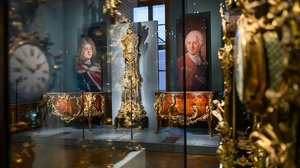
Jean-Pierre Latz
1754 , Germany
Osnovne informacije
- Artistic Movement Or Style: Rococo
- Artists Or Movements Influenced By This Artist: ['François Boucher']
- Date Of Birth: c. 1691
- Date Of Death: 1754
- Full Name: Jean-Pierre Latz
- Nationality: German
- Notable Artworks:
- Uhr auf Dokumentenschrank
- Regal Parlor Organ
- Französischer Schreibtisch Friedrichs des Großen
- Place Of Birth: Cologne, Germany
Povezani članci

Pierre-Auguste Renoir: 25 Remek-Dela Impresionizma za Vaš Dom | ArtsDot
Uronite u svet Pierre-Auguste Renoara! Otkrijte 25 remek-dela impresionizma, priče iza slika i tehničke detalje. Reprodukcije vrhunskog kvaliteta za vaš dom dostupne na ArtsDot.com. Istražite celu kolekciju online!

Rokoko: 10 Remek Dela Koja Su Definisala Eleganciju i Ukus
Otkrijte 10 remek dela koja su definisala rokoko umetnost! Uronite u svet Boucher-a, Watteau-a i Fragonarda. Istorija, stil i inspiracija za vaš dom. Kvalitetne reprodukcije i kuratorski odabiri na ArtsDot.com!

The Rococo Aesthetic: Opulence, Rebellion & the Pursuit of Pleasure in 18th-Century Art
Explore the opulent world of Rococo art! Discover its origins, key artists like Watteau & Boucher, and lasting influence on design. Expert insights for collectors & enthusiasts.
Jean-Baptiste Pater: Rococo Charm & Ephemeral Beauty of 18th-Century France
Explore the captivating world of Jean-Baptiste Pater, a master of Rococo painting. Discover his elegant *fête galante* scenes and shimmering portraits – a glimpse into 18th-century French aristocracy. Learn about his legacy & find high-quality reproductions.
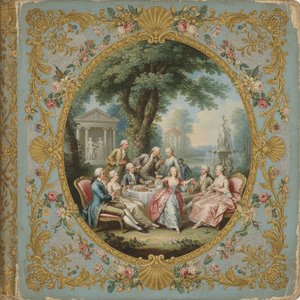
The Rococo Style: Aristocratic Leisure & the Pursuit of Delight in 18th-Century Art
Explore the opulent world of Rococo art! Discover Watteau, Boucher & Nattier's masterpieces. Expert insights for collectors seeking museum-quality reproductions and custom portraits at ArtsDot.

