

 Pregledaj u prostoru
 Pošalji
 Podeli
 Detalji o delu

 Преузми
 Slični predmeti
 Rendgenski snimak
 Slajdovi
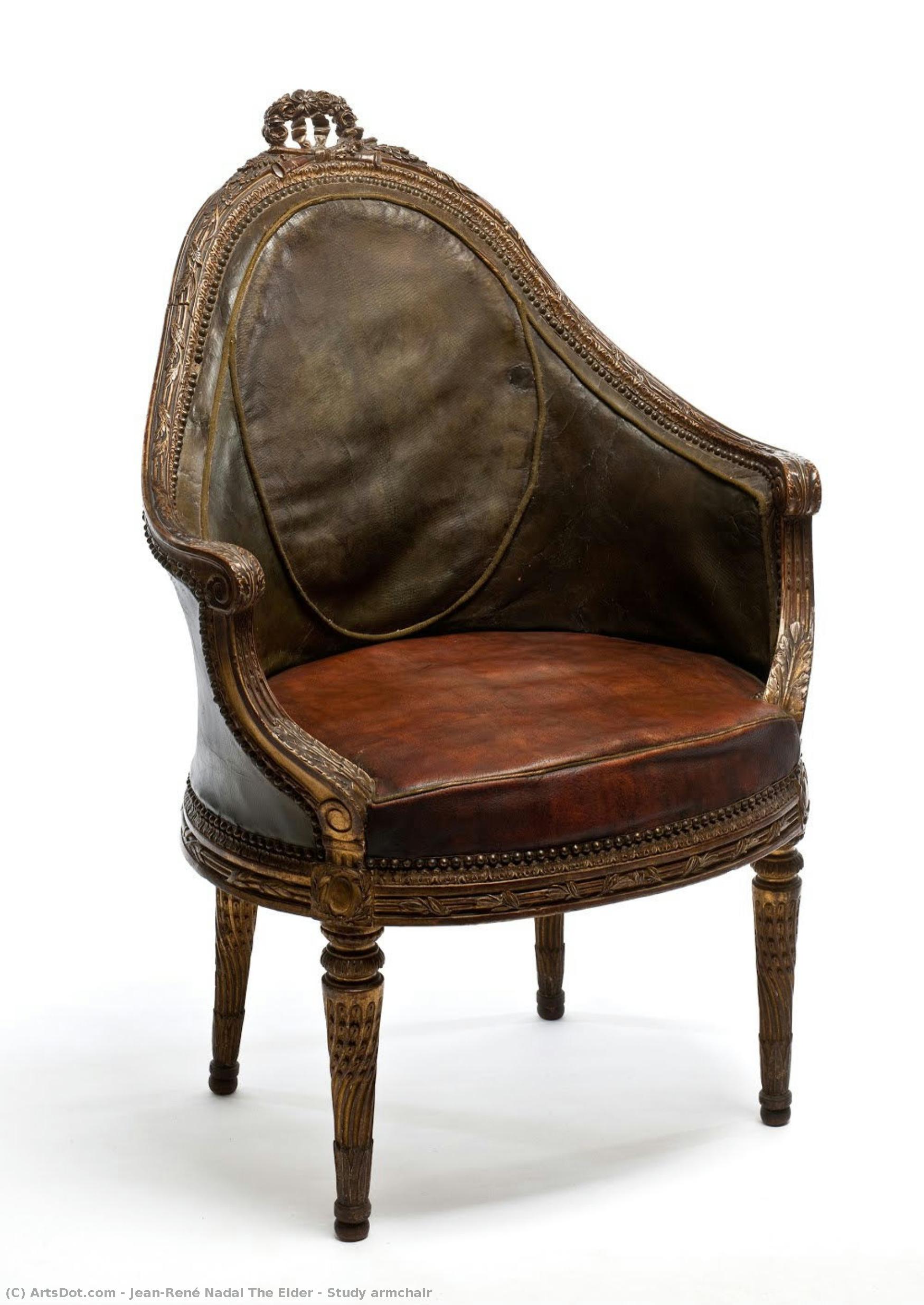
Study armchair


 Pročitaj više
Ručno rađena uljana reprodukcija
Ručno oslikano uljanim bojama na platnu u dimenzijama i okviru po vašem izboru, izrađeno po porudžbini od strane naših umetnika. ( Kupi print Kupi digitalnu sliku)




































Izaberite jednu od naših unapred definisanih veličina koje odgovaraju originalnim proporcijama umetničkog dela.

Можете унети сопствене димензије како бисте прилагодили дело одређеном оквиру или простору. Ако одабрана величина не одговара пропорцијама оригинала, слика ће бити исечена или проширена додатним елементима који се ручно насликавају. Дигитални prikaz ће вам бити послат на одобрење пре почетка производње.
Имајте на уму да преглед на екрану не одражава стварно исецање или проширење. Само приказ (mockup) ће тачно приказати коначну композицију.
Иако су доступне прилагођене величине, препоручујемо да одаберете димензију из дефинисане листе како бисте сачували оригиналне пропорције.
Nakon narudžbine, tim ArtsDot.com će klijentu putem e-pošte poslati uputstva i dostaviti prikaz predloženog rešenja
Isporuka širom sveta () za 3/4 nedelje umesto uobičajenih 5 nedelja. (30 август). Bez kompromisa po pitanju kvaliteta.

Besplatna ekspresna dostava širom sveta

Visokokvalitetno laneno platno

Kompletno osiguranje transporta

Garancija povraćaja carine i uvoznih dažbina

Garancija vernosti boja

Politika povrata u roku od 60 dana (samo u slučaju nedostataka)

Garancija povrata novca od 100%

Popust pri grupnoj kupovini
 Opcija sa staklom dostupna je samo za dimenzije manje od 110 cm

Study armchair
Tehnika reprodukcije
Dimenzije reprodukcije
-


Konačna cena
$ 263
Srodna umetnička dela
![Three Studies Of A Woman's Head And A Study Of Hands [recto], — Žan Antoan Vato, Rococo Style](/media/artworks/images-thumb/65/73/65730255a762c06e3235059db7ffcb5f.jpg)
Biografija umetnika
A Dual Legacy: The Artistry and Athleticism of Jean-René Nadal the Elder
In the vibrant cultural tapestry of 18th-century France, few figures possess a legacy as strikingly multifaceted as Jean-René Nadal the Elder. Born in Paris in 1733, during the opulent reign of Louis XV, Nadal occupied a unique space in European history, simultaneously commanding respect as a master of the decorative arts and achieving renown as one of the most formidable tennis players of his era. To study his life is to witness the intersection of physical prowess and meticulous craftsmanship, a duality that mirrors the Enlightenment's fascination with both the natural vigor of man and the refined elegance of human creation.
Nadal’s artistic journey was deeply rooted in the prestigious workshops of Paris, where the air was thick with the scent of fine wood and the pursuit of aesthetic perfection. It is widely believed that he underwent a transformative apprenticeship under Jean Bérain the Elder, a legendary designer whose influence shaped the very essence of French decorative style. Under Bérain’s tutelage, Nadal absorbed the principles of classical form, learning to manipulate materials with a precision that would later define his career as an ébéniste. This training instilled in him a profound reverence for symmetry and detail, providing the technical foundation necessary to navigate the complex demands of the Rococo movement.
The Elegance of Rococo: Mastery in Wood and Ornament
As a furniture maker, Nadal’s work became a definitive expression of the Rococo aesthetic. His creations were not merely functional objects but sculptural triumphs characterized by an embrace of playful asymmetry, flowing curvilinear lines, and a delicate palette of pastel hues. He possessed an unparalleled command over carving and upholstery, often integrating intricate floral motifs and gilded accents that breathed life into heavy hardwoods. His ability to balance the weight of structural design with the lightness of ornamental flourish allowed his pieces to embody the very spirit of 18th-century French luxury.
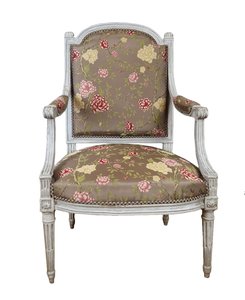
One of the most breathtaking examples of his skill is the Study Armchair, a masterpiece dating from approximately 1775. This piece serves as a testament to his ability to serve the highest echelons of society; it was crafted specifically for the apartments of the Comte d’Artois at the Château de Versailles. The chair features:
- An exquisite curved back adorned with an oval medallion, intricately topped by a garland of flowers and musical instruments.
- Spiral-patterned legs that demonstrate his mastery of complex woodturning.
- Luxurious upholstery in morocco, reflecting the era's penchant for rich, tactile textures.
The provenance of such works often links Nadal directly to the royal court, as his pieces were frequently branded with the marks of the garde-meuble of the French monarchy. This connection underscores his significance not just as a craftsman, but as an architect of the visual environment inhabited by the French aristocracy.
Historical Significance and Lasting Impression
Though his life was relatively short, ending in 1783, the impact of Jean-René Nadal the Elder resonates through the centuries. He represents a period when the boundaries between different forms of excellence—be it the athletic discipline of the tennis court or the delicate chisel work of the workshop—were fluid and celebrated. His ability to navigate the transition from the exuberant Rococo to the more structured influences of his time ensures his place in the annals of design history.
Today, collectors and historians look back at Nadal’s oeuvre as a window into the soul of Enlightenment France. His work remains a vital touchstone for understanding the evolution of French furniture design and the sophisticated craftsmanship that defined an age of unparalleled elegance. Through his hands, wood was transformed into poetry, leaving behind a legacy of beauty that continues to captivate the modern imagination.
jean-rené nadal the elder
1733 - 1783 , France
Osnovne informacije
- Artistic Movement Or Style: Rococo
- Artists Or Movements Influenced By This Artist: ['Symbolist Art France']
- Artists Who Influenced This Artist: ['Jean Bérain the Elder']
- Date Of Birth: 1733
- Date Of Death: 1783
- Full Name: Jean René Nadal the Elder
- Nationality: French
- Notable Artworks: ['Study Armchair']
- Place Of Birth: Paris, France
Povezani članci

The Rococo Aesthetic: Opulence, Rebellion & the Pursuit of Pleasure in 18th-Century Art
Explore the opulent world of Rococo art! Discover its origins, key artists like Watteau & Boucher, and lasting influence on design. Expert insights for collectors & enthusiasts.

Rokoko: 10 Remek Dela Koja Su Definisala Eleganciju i Ukus
Otkrijte 10 remek dela koja su definisala rokoko umetnost! Uronite u svet Boucher-a, Watteau-a i Fragonarda. Istorija, stil i inspiracija za vaš dom. Kvalitetne reprodukcije i kuratorski odabiri na ArtsDot.com!

Charles-André van Loo: A Study in Rococo Portraiture & the French Court's Artistic Dynamics
Explore the elegant world of Charles-André van Loo, a master of Rococo portraiture at the French court. Discover his life, techniques, and enduring influence on 18th-century art. Hand-painted reproductions available.

Illuminating the Enlightenment: A Comprehensive Exploration of 18th-Century Painting
Explore the captivating world of 18th-century painting! Discover Rococo's playful elegance & Neoclassicism’s Enlightenment ideals with expert insights into Fragonard, David, and more. A comprehensive guide for art enthusiasts.

The Allure of Elegance in Art: A Historical & Aesthetic Exploration of Refinement & Grace
Explore the exquisite world of Rococo art! Discover its history, masters (Watteau, Boucher & more), and defining elegance. Expert insights for collectors seeking museum-quality reproductions & custom portraits.

