

 Pregledaj u prostoru
 Pošalji
 Podeli
 Detalji o delu

 Преузми
 Slični predmeti
 Rendgenski snimak
 Slajdovi
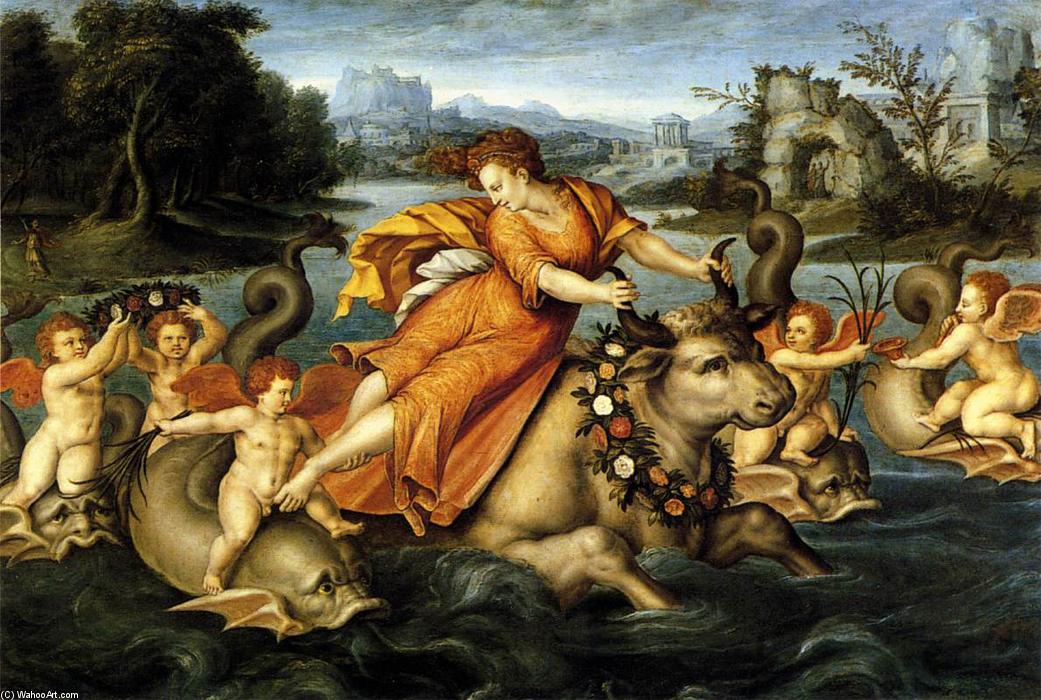
The Rape of Europa
 1550
1550 88.0 x 140.0 cm
 Musée du Château
 Pročitaj više
Kupite digitalnu sliku visoke rezolucije i poboljšanog kvaliteta, koja je znatno superiornija od onoga što vidite u online prikazu.
Svaka datoteka je pedantno pripremljena od strane naših stručnjaka koristeći napredne alate i profesionalnu ručnu retušu. Osiguravamo da svaka slika ima izuzetnu oštrinu, preciznu reprodukciju boja i fine detalje.
Konačna datoteka se dostavlja putem e-pošte u roku od 72 sata, optimizovana za neposrednu upotrebu u profesionalnim, izdavačkim i štamparskim okruženjima. To je isti kvalitet kojem veruju vrhunski studiji dizajna, izdavači i galerije.
Digitalna slika
Preuzmite datoteku visoke rezolucije za ličnu upotrebu, štampanje i kreativne projekte. ( Kupi print Kupi ručno naslikanu sliku)
Uključeno uz svaku porudžbinu digitalne slike
Profesionalna digitalna isporuka, zagarantovana
Kada odaberete ArtsDot.com, ne dobijate samo sliku – vi primate profesionalno unapređeno digitalno umetničko delo, izrađeno sa najvećom preciznošću i uz garanciju zadovoljstva. Evo svega što automatski dolazi uz vašu porudžbinu:

Brza dostava putem e-pošte
Vaša digitalna slika visoke rezolucije biće vam poslata putem e-pošte u roku od 72 sata od poručivanja – spremna za trenutnu upotrebu.

Digitalna datoteka unapređena veštačkom inteligencijom
Vaše umetničko delo je profesionalno optimizovano korišćenjem naprednih AI alata i ručne obrade, čime se osiguravaju maksimalni detalji, oštrina i preciznost boja.

Besplatna ponovna isporuka doživotno
Slučajno ste obrisali ili izgubili svoju datoteku? Ne brinite – poslaćemo vam je ponovo u bilo kom trenutku, potpuno besplatno.

Bez troškova uvoza – zauvek
Uživajte u svojim umetničkim delima trenutno, bez carine, dažbina ili troškova dostave – digitalni download je uvek bez poreza.

Garancija vernosti boja
Uz pomoć profesionalnih alata i upravljanja bojama, osiguravamo da vaša digitalna slika što vernije odražava originalne boje.

Garancija zadovoljstva u roku od 60 dana
Ako niste zadovoljni svojom digitalnom slikom, revidirat ćemo je ili vratiti 100% novca u roku od 60 dana – bez ikakvih pitanja.

100% garancija povrata novca
Niste zadovoljni? Obezbedite pun povrat novca u roku od 60 dana od trenutka kada ste primili svoju digitalnu datoteku – bez suvišnih pitanja.

Popusti na velike porudžbine
Kupite 3 slike, uštedite 10% - Kupite 5 slika, uštedite 15% - Kupite 10+ slika, uštedite 20%. Odlično za kreativne projekte, galerije i agencije.
Artistic Style and Composition
The composition of The Rape of Europa is characterized by a sense of movement and energy, with the central figure of Europa being carried off by a bull, symbolizing Zeus in disguise. The woman's attire and long brown hair are meticulously detailed, while the bull's muscular build and calm demeanor add to the classical aesthetic of the painting. Surrounding these figures are several cherubs or putti, which contribute to the sense of activity and dynamism. Key Features of the painting include:- The use of earth tones with some blues and greens, creating a somber mood
- The depiction of a landscape in the background, featuring trees, buildings, and mountains
- The presence of symbolic elements, such as the floral garland around the bull's neck
Artistic Significance and Context
Jean The Elder Cousin's work is part of a larger collection of paintings at the Musée du Château, which includes works by other renowned artists such as Jean-François Millet. To learn more about the masterpieces at the Musée du Château, visit Discovering the Masterpieces of Musée du Château (Blois, France). For a deeper understanding of Jean The Elder Cousin's style and technique, explore his other works, such as The Rape of Europa.The world of art is replete with masterpieces that capture the essence of human emotion and expression. The Rape of Europa by Jean The Elder Cousin is a testament to the artist's skill in capturing the subtleties of classical mythology, making it a must-see for art enthusiasts and historians alike.
Srodna umetnička dela







Biografija umetnika
Jean Cousin the Elder: A Renaissance Master of Anatomy and Perspective
Jean Cousin the Elder (ca. 1490–ca. 1560) stands as a pivotal figure in French Renaissance art, largely overshadowed by his son Jean Cousin the Younger but nonetheless recognized for his profound contribution to humanist ideals and artistic innovation. Born in Sens, France, he emerged from a family steeped in artistic tradition—his father, Jean Cousin the Elder, was himself a celebrated sculptor and painter who established a lasting connection with Albrecht Dürer, marking him as one of the foremost artists of his time. This familial legacy instilled within Jean Cousin the Younger an unwavering dedication to mastering both disegno (drawing) and geometria (mathematics), disciplines considered essential for achieving artistic excellence during the Renaissance.- Early Life & Training: Cousin’s formative years were spent honing his skills in Sens Cathedral, where he meticulously crafted stained-glass windows embodying biblical narratives—a testament to the burgeoning influence of humanist scholarship and theological contemplation. Simultaneously, he pursued rigorous mathematical studies, preparing for a career as a surveyor and demonstrating an intellectual curiosity that would permeate his artistic endeavors.
- Sens Cathedral Windows: The Sainte-Chapelle windows in Sens represent Cousin’s earliest masterpiece, showcasing his mastery of color and composition while adhering to the principles of linear perspective—a technique championed by Dürer and rapidly disseminated throughout Europe. These works exemplify the humanist impulse to depict religious subjects with anatomical accuracy and emotional depth.
- Parisian Career & Patronage: Moving to Paris around 1530, Cousin secured commissions from influential patrons – including Henry II – furthering his artistic reputation and establishing himself as a prominent figure in the Parisian art scene. He continued his work as a glass painter, creating stunning windows for Vincennes Cathedral, and skillfully blended classical influences with Northern European traditions.
- Notable Achievements: Cousin’s legacy rests primarily on two monumental achievements: “The Last Judgment” (Paris, Louvre) and the “Bible” illuminated by Le Clerc (1566 & 1571). The Last Judgement is considered one of the first French paintings to employ perspective with remarkable sophistication, capturing a dramatic scene with meticulous detail. His illustrations for Ovid’s Metamorphoses and Epistles demonstrated his exceptional draughtsmanship and artistic sensibility.
Jean Cousin the Younger: Continuing Tradition & Artistic Synthesis
Jean Cousin the Younger (ca. 1522–1595) inherited his father's artistic talent and established a workshop that flourished throughout the latter half of the sixteenth century, maintaining a stylistic continuity that captivated contemporaries. Despite scholarly debate regarding attribution—primarily due to the scarcity of surviving artworks—Cousin’s son undeniably absorbed and refined his father’s techniques, producing works characterized by elegance, subtlety, and an unwavering commitment to anatomical realism.- University Education & Artistic Style: Cousin the Younger studied at the University of Paris, reflecting the intellectual climate of the era—a period marked by humanist scholarship and a renewed interest in classical art. His artistic style mirrored his father’s, prioritizing meticulous observation of human anatomy and employing perspective with masterful precision.
- The Last Judgment Revisited: Cousin the Younger's rendition of “The Last Judgement” – rediscovered in 1872—stands as a cornerstone of French Renaissance painting. Its dramatic composition and nuanced portrayal of figures convey profound emotional resonance, cementing Cousin’s reputation as one of the foremost artists of his generation.
- Illustrations & Patronage: Like his father, Cousin the Younger served prominent patrons – including Henry III – undertaking commissions for illuminated manuscripts and decorative panels. His illustrations for Ovid's Metamorphoses exemplify his artistic prowess and underscore his dedication to conveying complex narratives with visual eloquence.
Influence & Legacy: Perspective & Anatomical Illustration
Jean Cousin’s influence extended far beyond his immediate contemporaries, shaping the trajectory of French Renaissance art and establishing him as a pioneer in anatomical illustration—a field that would soon gain prominence thanks to his son's groundbreaking work. His meticulous attention to detail—particularly in depicting human musculature—anticipated developments in scientific observation and artistic representation that would resonate throughout subsequent centuries.- Livre de Pourtraicture: Cousin’s magnum opus, “Livre de Pourtraicture” (1571), represents a seminal contribution to the burgeoning field of anatomical illustration. Published shortly after his death, this book meticulously documented human anatomy with unprecedented accuracy—a testament to Cousin's intellectual curiosity and artistic ambition.
- Rediscovery & Recognition: The rediscovery of “The Last Judgment” in 1872 propelled Cousin’s reputation back into the spotlight, prompting renewed scholarly scrutiny and reaffirming his place among the titans of Renaissance art.
Concluding Remarks: A Harmonious Synthesis
Jean Cousin the Elder and Jean Cousin the Younger's intertwined careers exemplify the harmonious synthesis of disegno and geometria—a hallmark of Renaissance artistic thought. Their collaborative legacy continues to inspire artists today, reminding us that true artistic excellence resides in a profound understanding of both form and substance—a testament to their enduring contribution to European art history.
jean the elder cousin
1522 - 1595

