

 Pregledaj u prostoru
 Pošalji
 Podeli
 Detalji o delu

 Преузми
 Slični predmeti
 Rendgenski snimak
 Slajdovi
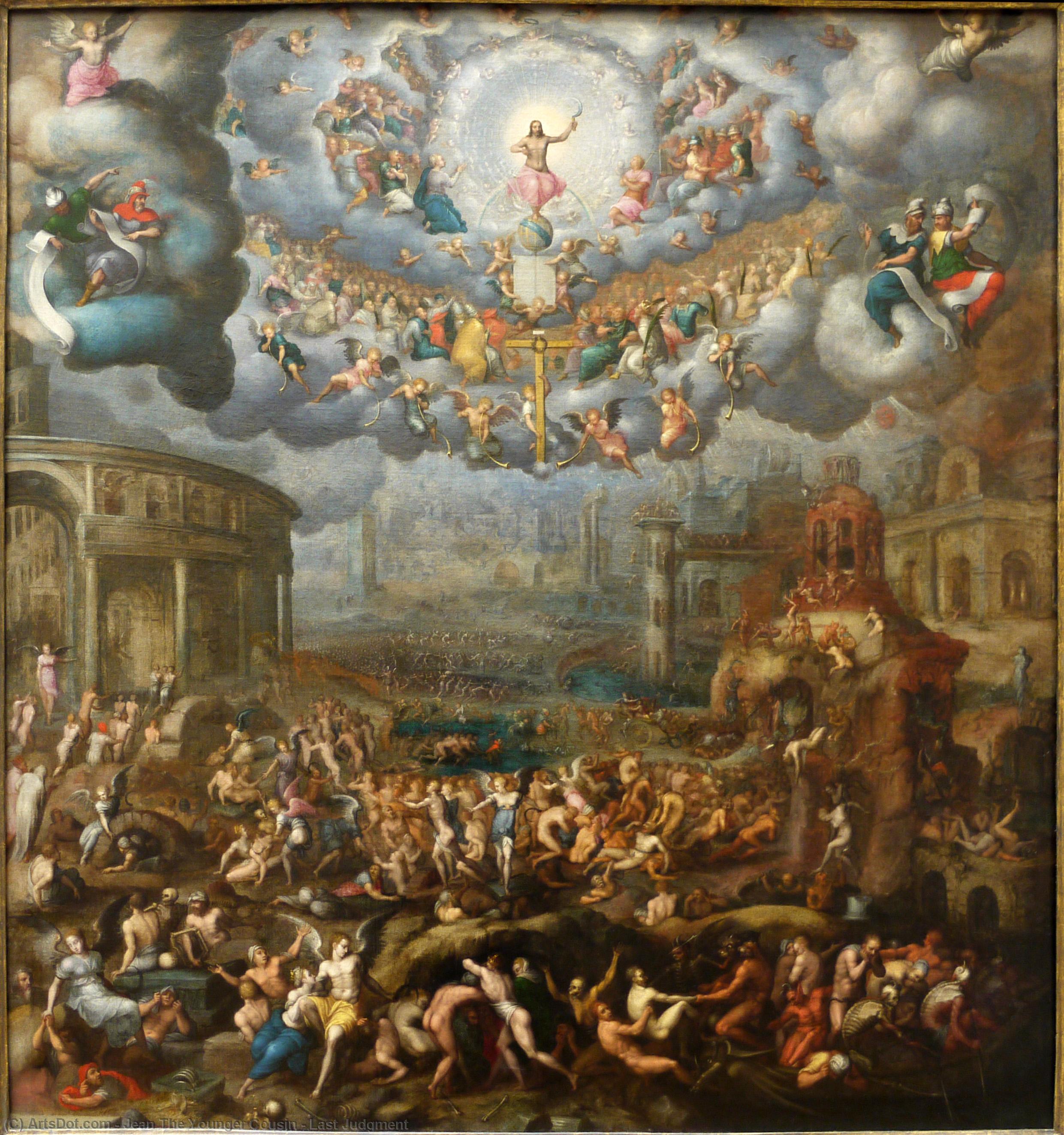
Last Judgment
 Oil On Canvas
- WallArt
- Renaissance Mannerism
 1585
1585- Renaissance
 145.0 x 142.0 cm
 Louvre
 Pročitaj više
Kupite digitalnu sliku visoke rezolucije i poboljšanog kvaliteta, koja je znatno superiornija od onoga što vidite u online prikazu.
Svaka datoteka je pedantno pripremljena od strane naših stručnjaka koristeći napredne alate i profesionalnu ručnu retušu. Osiguravamo da svaka slika ima izuzetnu oštrinu, preciznu reprodukciju boja i fine detalje.
Konačna datoteka se dostavlja putem e-pošte u roku od 72 sata, optimizovana za neposrednu upotrebu u profesionalnim, izdavačkim i štamparskim okruženjima. To je isti kvalitet kojem veruju vrhunski studiji dizajna, izdavači i galerije.
Digitalna slika
Preuzmite datoteku visoke rezolucije za ličnu upotrebu, štampanje i kreativne projekte. ( Kupi print Kupi ručno naslikanu sliku)
Uključeno uz svaku porudžbinu digitalne slike
Profesionalna digitalna isporuka, zagarantovana
Kada odaberete ArtsDot.com, ne dobijate samo sliku – vi primate profesionalno unapređeno digitalno umetničko delo, izrađeno sa najvećom preciznošću i uz garanciju zadovoljstva. Evo svega što automatski dolazi uz vašu porudžbinu:

Brza dostava putem e-pošte
Vaša digitalna slika visoke rezolucije biće vam poslata putem e-pošte u roku od 72 sata od poručivanja – spremna za trenutnu upotrebu.

Digitalna datoteka unapređena veštačkom inteligencijom
Vaše umetničko delo je profesionalno optimizovano korišćenjem naprednih AI alata i ručne obrade, čime se osiguravaju maksimalni detalji, oštrina i preciznost boja.

Besplatna ponovna isporuka doživotno
Slučajno ste obrisali ili izgubili svoju datoteku? Ne brinite – poslaćemo vam je ponovo u bilo kom trenutku, potpuno besplatno.

Bez troškova uvoza – zauvek
Uživajte u svojim umetničkim delima trenutno, bez carine, dažbina ili troškova dostave – digitalni download je uvek bez poreza.

Garancija vernosti boja
Uz pomoć profesionalnih alata i upravljanja bojama, osiguravamo da vaša digitalna slika što vernije odražava originalne boje.

Garancija zadovoljstva u roku od 60 dana
Ako niste zadovoljni svojom digitalnom slikom, revidirat ćemo je ili vratiti 100% novca u roku od 60 dana – bez ikakvih pitanja.

100% garancija povrata novca
Niste zadovoljni? Obezbedite pun povrat novca u roku od 60 dana od trenutka kada ste primili svoju digitalnu datoteku – bez suvišnih pitanja.

Popusti na velike porudžbine
Kupite 3 slike, uštedite 10% - Kupite 5 slika, uštedite 15% - Kupite 10+ slika, uštedite 20%. Odlično za kreativne projekte, galerije i agencije.
Opis kolekcionarskog dela
Jean Cousin the Younger: A Renaissance Master of Anatomy and Symbolism
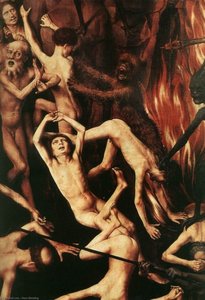
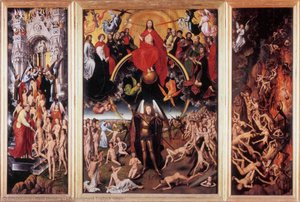
Jean Cousin the Younger (ca. 1522–1595) stands as a pivotal figure in French Renaissance art, largely overshadowed by his father, Jean Cousin the Elder, yet possessing an artistic vision that cemented his place among the foremost painters and craftsmen of his era. Born in Sens, France, around 1522, he descended from a lineage steeped in artistic tradition—his father’s renown as sculptor and painter established a legacy of meticulous observation and expressive technique that profoundly shaped Jean’s own creative trajectory. Unlike many artists of his time who sought to emulate the grandeur of Florence or Rome, Cousin cultivated a distinctive style rooted in humanist principles and infused with subtle symbolism, reflecting the intellectual ferment of the period. Early Training and Artistic Influences Jean Cousin’s artistic education commenced under the watchful eye of Jean Cousin the Elder, whose workshop served as a crucible for honing anatomical precision and mastering the art of illusionistic painting—a technique championed by artists like Albrecht Dürer. This familial influence instilled in Jean a dedication to meticulous detail and an unwavering commitment to capturing the human form with unparalleled accuracy, mirroring the burgeoning interest in scientific observation that characterized Renaissance Europe. The Elder’s masterful use of perspective and chiaroscuro served as a blueprint for Cousin's own artistic endeavors, shaping his approach to composition and color palettes. The Last Judgment: A Symphony of Detail and Emotion Jean Cousin the Younger’s magnum opus, “The Last Judgment,” completed around 1585, exemplifies this stylistic fusion with breathtaking grandeur. Executed on canvas measuring 145 x 142 cm, the painting depicts a monumental scene from Christian theology—the divine reckoning at the end of time—with an astonishing level of realism and expressive dynamism. Cousin skillfully employs a complex interplay of perspective and shading to create a palpable sense of depth and atmosphere, transporting viewers into the tumultuous realm of judgment and salvation. A Palette of Subtle Colors and Anatomical Mastery The painting’s color scheme is remarkably restrained, favoring muted hues—primarily ochre, crimson, and ultramarine—that contribute to its solemn mood and heighten the dramatic impact of the composition. Cousin's meticulous anatomical rendering is equally noteworthy; figures are depicted with painstaking accuracy, capturing subtle musculature and skeletal structure—a testament to his profound understanding of human anatomy. The central figure of Jesus Christ dominates the scene, radiating divine authority amidst a swirling vortex of angels and saints, while earthly souls await their fate in the fiery abyss of Hell. Symbolic Resonance and Artistic Legacy Beyond its technical brilliance, “The Last Judgment” resonates with layers of symbolic meaning—a hallmark of Renaissance art—reflecting humanist ideals and theological contemplation. The depiction of the Harrowing of Hell underscores the universality of human suffering and redemption, prompting viewers to confront existential questions about mortality and divine justice. Cousin’s contribution to the artistic landscape is undeniable; he stands as a beacon of humanist artistry, demonstrating how observation, intellect, and emotion could converge to produce masterpieces that continue to inspire awe and contemplation centuries later. His legacy persists in reproductions like those offered by ArtsDot.com, allowing audiences worldwide to experience the profound beauty and intellectual depth of this iconic Renaissance painting.- Artist: Jean Cousin the Younger
- Birth Year: 1522
- Death Year: 1595
- Birth City: Senlis
- Birth Country: France
Additional Research:
You can explore Jean Cousin the Younger’s work further at ArtsDot.com, where a detailed reproduction of “The Last Judgment” is available.
Discover more about Jean Cousin the Younger’s artistic journey and his father's influential contribution to sculpture and painting at Artists Database.
Delve into the stylistic innovations of Jean Cousin the Elder, particularly his groundbreaking “Livre de Pourtraicture,” a seminal work in anatomical illustration: Jean the Elder Cousin Artists Database
Gain insights into the artistic context surrounding Jean Cousin’s oeuvre through this comprehensive exploration of Renaissance painting and sculpture:Last Judgment by COUSIN, Jean the Younger
Explore a high-resolution image of “The Last Judgment” on Wikimedia Commons:Wikimedia Commons File
Srodna umetnička dela

Biografija umetnika
A Renaissance Visionary: The Legacy of Jean Cousin the Younger
In the vibrant intellectual landscape of 16th-century France, few artists captured the intersection of scientific inquiry and spiritual allegory as profoundly as Jean Cousin the Younger. Born around 1522 in the historic environs of Senlis, his life was inextricably linked to the burgeoning humanist movement that sought to reconcile the physical truths of the natural world with the profound mysteries of the divine. As a scion of an established artistic lineage, Jean did not merely inherit a craft; he inherited a way of seeing. His early years were spent immersed in the workshop of his father, Jean Cousin the Empreinte, a master whose reputation for sculpture and perspective drawing provided the foundational bedrock for the younger artist's development. This period of apprenticeship was more than a technical training ground; it was an immersion into the very essence of disegno, where the precision of line and the structural integrity of form became the primary languages through which he would later communicate complex theological and mythological narratives.
The artistic evolution of Jean Cousin the Younger is marked by a remarkable transition from the rigid dictates of classical training to a more fluid, expressive mastery of anatomical detail. While his father’s influence instilled a rigorous devotion to proportion and the mathematical beauty found in works like the Livre de Perspective, the younger Cousin expanded this vocabulary to include a visceral, almost tactile sense of human anatomy. He possessed an uncanny ability to render the musculature and skeletal structure of the human form with a scientific accuracy that mirrored the era's growing fascination with biological observation. Yet, this anatomical precision was never purely clinical; it was always imbued with a deeper symbolic resonance. In his hands, a flexed muscle or a twisted limb became a vessel for expressing agony, ecstasy, or the weight of divine judgment, bridging the gap between the empirical and the ethereal.
Mastery of Symbolism and the Last Judgment
The zenith of Cousin’s creative output is perhaps most poignantly realized in his monumental approach to religious narrative, most notably seen in his celebrated Last Judgment. In this work, the artist transcends mere illustration to create a cosmic drama that unfolds across the canvas with breathtaking intensity. The composition serves as a profound exploration of the human condition, utilizing the dramatic interplay of light and shadow to guide the viewer through a landscape of salvation and perdition. Here, the anatomical mastery honed in his youth finds its ultimate purpose; the bodies of the saved and the damned are not merely figures in a scene, but embodiments of moral consequence. The meticulous detail with which he renders every sinew and expression allows for a psychological depth that invites the observer to contemplate their own place within the grand design of the universe.
Beyond his religious commissions, Cousin’s work remains a testament to the interconnectedness of art, science, and myth during the French Renaissance. His ability to weave together classical motifs with contemporary anatomical knowledge allowed him to create a visual language that was both intellectually stimulating and emotionally arresting. His significance lies not only in the beauty of his individual compositions but in his role as a bridge between the structured traditions of the early Renaissance and the more expressive, complex sensibilities that would define the centuries to follow. Through his dedication to the truth of the human form and the power of symbolic storytelling, Jean Cousin the Younger secured his place as a master who could capture both the fleeting breath of life and the eternal weight of the soul.
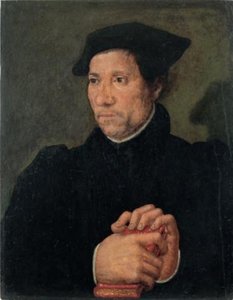
jean the younger cousin
1522 - 1595


