

 Pregledaj u prostoru
 Pošalji
 Podeli
 Detalji o delu

 Преузми
 Slični predmeti
 Rendgenski snimak
 Slajdovi
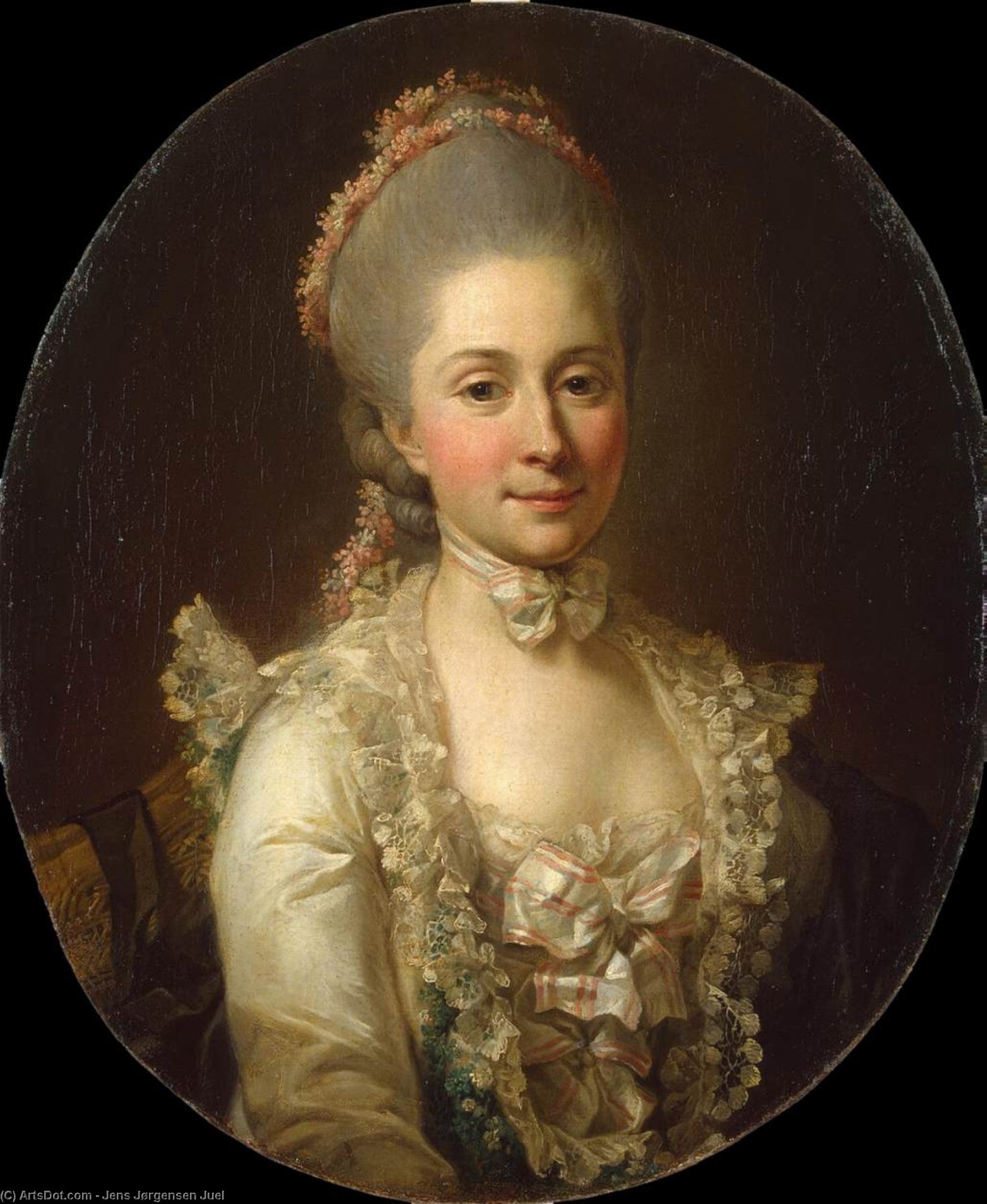
Portrait of a Woman
 Oil On Canvas
- WallArt
- Neoclassical Portraiture
 1773
1773 64.0 x 55.0 cm
 Hermitage Museum
 Pročitaj više
Kupite digitalnu sliku visoke rezolucije i poboljšanog kvaliteta, koja je znatno superiornija od onoga što vidite u online prikazu.
Svaka datoteka je pedantno pripremljena od strane naših stručnjaka koristeći napredne alate i profesionalnu ručnu retušu. Osiguravamo da svaka slika ima izuzetnu oštrinu, preciznu reprodukciju boja i fine detalje.
Konačna datoteka se dostavlja putem e-pošte u roku od 72 sata, optimizovana za neposrednu upotrebu u profesionalnim, izdavačkim i štamparskim okruženjima. To je isti kvalitet kojem veruju vrhunski studiji dizajna, izdavači i galerije.
Digitalna slika
Preuzmite datoteku visoke rezolucije za ličnu upotrebu, štampanje i kreativne projekte. ( Kupi print Kupi ručno naslikanu sliku)
Uključeno uz svaku porudžbinu digitalne slike
Profesionalna digitalna isporuka, zagarantovana
Kada odaberete ArtsDot.com, ne dobijate samo sliku – vi primate profesionalno unapređeno digitalno umetničko delo, izrađeno sa najvećom preciznošću i uz garanciju zadovoljstva. Evo svega što automatski dolazi uz vašu porudžbinu:

Brza dostava putem e-pošte
Vaša digitalna slika visoke rezolucije biće vam poslata putem e-pošte u roku od 72 sata od poručivanja – spremna za trenutnu upotrebu.

Digitalna datoteka unapređena veštačkom inteligencijom
Vaše umetničko delo je profesionalno optimizovano korišćenjem naprednih AI alata i ručne obrade, čime se osiguravaju maksimalni detalji, oštrina i preciznost boja.

Besplatna ponovna isporuka doživotno
Slučajno ste obrisali ili izgubili svoju datoteku? Ne brinite – poslaćemo vam je ponovo u bilo kom trenutku, potpuno besplatno.

Bez troškova uvoza – zauvek
Uživajte u svojim umetničkim delima trenutno, bez carine, dažbina ili troškova dostave – digitalni download je uvek bez poreza.

Garancija vernosti boja
Uz pomoć profesionalnih alata i upravljanja bojama, osiguravamo da vaša digitalna slika što vernije odražava originalne boje.

Garancija zadovoljstva u roku od 60 dana
Ako niste zadovoljni svojom digitalnom slikom, revidirat ćemo je ili vratiti 100% novca u roku od 60 dana – bez ikakvih pitanja.

100% garancija povrata novca
Niste zadovoljni? Obezbedite pun povrat novca u roku od 60 dana od trenutka kada ste primili svoju digitalnu datoteku – bez suvišnih pitanja.

Popusti na velike porudžbine
Kupite 3 slike, uštedite 10% - Kupite 5 slika, uštedite 15% - Kupite 10+ slika, uštedite 20%. Odlično za kreativne projekte, galerije i agencije.
A Portrait of Grace: Jens Juel’s “Portrait of a Woman”
Jens Juel's "Portrait of a Woman," painted in 1773, is more than just a likeness; it’s a carefully constructed tableau of elegance and quiet contemplation. This exquisite work, currently residing within the hallowed halls of the Hermitage Museum in St. Petersburg, offers a glimpse into the refined world of Danish aristocracy during the late 18th century. The painting immediately draws the eye to its subject – a woman radiating an understated beauty, her gaze direct yet subtly distant, inviting the viewer into a private moment.
Juel’s mastery lies in his ability to capture not merely physical appearance but also the very essence of his sitter. He achieves this through a masterful deployment of light and shadow, a technique deeply rooted in the Neoclassical style that dominated Danish art at the time. The soft illumination highlights her delicate features – the curve of her cheekbone, the gentle slope of her nose, the subtle blush on her lips – while the darker tones create a sense of depth and volume, lending a tangible quality to the fabric of her dress. Notice how he uses chiaroscuro not just for dramatic effect, but to subtly shape the form and draw attention to key elements of the composition.
The Artist: A Quintessential Danish Portraitist
Jens Juel (1745-1802) stands as a monumental figure in Danish art history, universally recognized as the foremost portrait painter of his era. Born in Falskær, Denmark, he embarked on an artistic journey fueled by relentless dedication and a profound understanding of human character. His prolific output—spanning landscapes and genre scenes alongside an astonishing array of royal and aristocratic portraits—established him as a cornerstone of Neoclassical style and cemented his legacy as a master craftsman dedicated to capturing the dignity and nuance of human expression. Juel’s early training in Hamburg instilled within him a rigorous approach to observation and technique, while his subsequent studies in Rome and Paris exposed him to the artistic currents shaping Europe at the time.
His biography reveals a man deeply committed to his craft, meticulously documenting his process and striving for an unparalleled level of realism. He wasn’t simply reproducing appearances; he was attempting to distill the very spirit of his subjects onto canvas. This dedication is evident in every brushstroke, every carefully considered detail.
A Window into 18th-Century Danish Society
“Portrait of a Woman” offers a fascinating window into the social and cultural landscape of 18th-century Denmark. The sitter’s attire – a flowing white dress adorned with a delicate pink bow – speaks to the prevailing fashion trends of the period, reflecting an emphasis on elegance and refinement. The floral print on her gown hints at a connection to nature, a recurring theme in Neoclassical art that celebrated beauty and harmony. The inclusion of a prominent family crest (though not explicitly visible in all reproductions) would have further contextualized the portrait within the sitter’s social standing and lineage.
Furthermore, the painting's placement within the Hermitage Museum—a collection renowned for its European art treasures—underscores its significance as a masterpiece of Danish artistic heritage. It represents a pivotal moment in Juel’s career, showcasing his growing confidence and technical skill.
Symbolism and Emotional Resonance
Beyond its aesthetic qualities, “Portrait of a Woman” is imbued with subtle symbolism. The woman's direct gaze invites the viewer to engage with her on an emotional level, suggesting a quiet strength and inner resilience. Her posture—relaxed yet poised—conveys a sense of self-assurance without arrogance. The painting’s overall mood is one of serene contemplation, inviting us to pause and reflect alongside the subject.
Reproductions of this captivating portrait offer an exceptional opportunity to bring this exquisite work into your home or office. The meticulous detail and masterful technique are faithfully reproduced, allowing you to appreciate the artistry of Jens Juel for generations to come. Consider it not merely a decoration, but a testament to Danish artistic excellence—a timeless symbol of grace, elegance, and quiet beauty.
Srodna umetnička dela
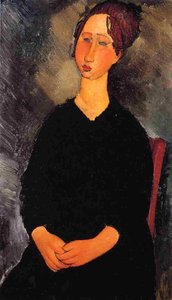
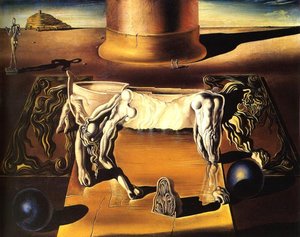
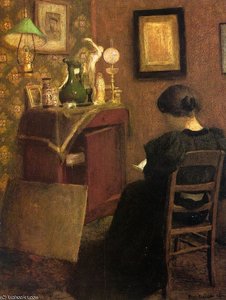
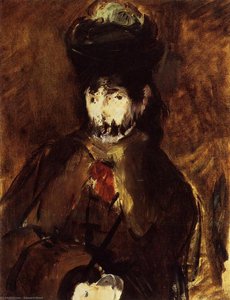
Biografija umetnika
The Master of Danish Elegance: The Life and Legacy of Jens Juel
In the golden age of Danish Neoclassicism, few names command as much reverence as Jens Juel. A painter whose brush possessed the rare ability to capture not just the physical likeness, but the very soul and social standing of his subjects, Juel stands as the preeminent portraitist of his era. Born in 1745 in Falskær, Denmark, his journey from modest beginnings to the heights of royal patronage is a testament to an extraordinary talent shaped by rigorous discipline and an insatiable curiosity for the world around him.
Juel’s artistic foundation was built upon a meticulous apprenticeship under Johann Michael Gehrman in Hamburg. It was here, amidst the bustling atmosphere of a major European trading hub, that he first mastered the delicate interplay of light and shadow, developing a technical precision that would become his hallmark. This early immersion in landscape painting provided him with a profound understanding of naturalism, an element that would later breathe life into his more formal portraiture, lending his subjects an air of organic vitality and grace.
A Journey Through the Heart of Europe
The trajectory of Juel’s career was marked by a seriesed of transformative travels that expanded his artistic vocabulary far beyond the borders of Denmark. His enrollment at the Royal Danish Academy of Art in Copenhagen served as a formal validation of his genius, where he earned prestigious accolades such as the Great Gold Medal for his biblical compositions. These early successes signaled the arrival of a master who could navigate both the sacred and the secular with equal virtuosity.
However, it was his pilgrimage to Rome in 1772 that truly ignited his creative spirit. Immersed in the timeless grandeur of the Roman Baroque and the emerging Neoclassical movements, Juel worked alongside luminaries like Nicolai Abildgaard. This period of intense exploration allowed him to absorb the classical ideals of proportion and dignity, which he would later weave into the fabric of Danish portraiture. His subsequent time in Paris further refined his ability to capture the sophisticated nuances of fashion, etiquette, and the burgeoning Enlightenment spirit, making him a bridge between Northern European sensibilities and the broader European artistic currents.
The Art of Character and Composition
While Juel is most celebrated for his portraits of the Danish nobility and royalty, his oeuvre is far more diverse than a single genre. He was a versatile storyteller who moved seamlessly between the intimate scale of a Portrait of a Woman and the expansive vistas of his landscapes, such as the evocative View over the Lesser Belt. His work is characterized by a remarkable balance of technical perfection and emotional resonance.
In his portraiture, one finds a masterful use of:
- Luminosity: A sophisticated handling of light that illuminates the textures of silk, lace, and skin.
- Psychological Depth: An uncanny ability to convey the inner character and social poise of his sitters.
- Neoclassical Precision: A commitment to clarity, balance, and the idealized beauty of the classical tradition.
Ultimately, the historical significance of Jens Juel lies in his role as the visual chronicler of a transformative period in Danish history. Through his canvases, the dignity of the 18th-century aristocracy is preserved for eternity, rendered with a realism and elegance that continue to captivate art lovers today. He remains not merely a painter of faces, but a master of the human narrative.
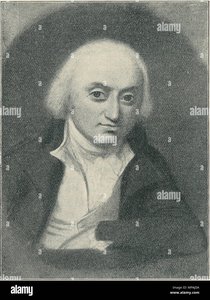
jens jørgensen juel
1745 - 1802

