

 Pregledaj u prostoru
 Pošalji
 Podeli
 Detalji o delu

 Преузми
 Slični predmeti
 Rendgenski snimak
 Slajdovi
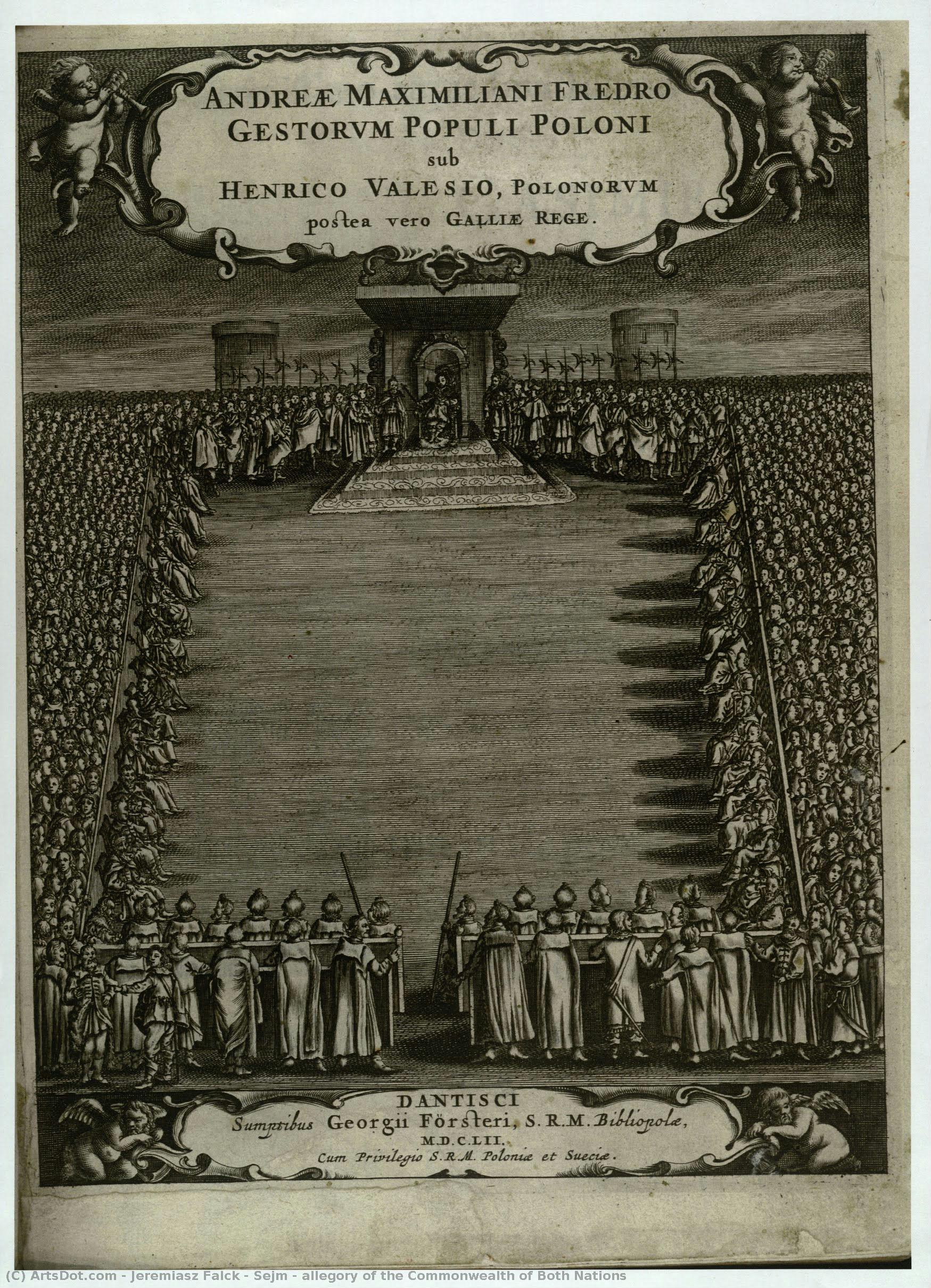
Sejm - allegory of the Commonwealth of Both Nations


 Pročitaj više
Ručno rađena uljana reprodukcija
Ručno oslikano uljanim bojama na platnu u dimenzijama i okviru po vašem izboru, izrađeno po porudžbini od strane naših umetnika. ( Kupi print Kupi digitalnu sliku)




































Izaberite jednu od naših unapred definisanih veličina koje odgovaraju originalnim proporcijama umetničkog dela.

Можете унети сопствене димензије како бисте прилагодили дело одређеном оквиру или простору. Ако одабрана величина не одговара пропорцијама оригинала, слика ће бити исечена или проширена додатним елементима који се ручно насликавају. Дигитални prikaz ће вам бити послат на одобрење пре почетка производње.
Имајте на уму да преглед на екрану не одражава стварно исецање или проширење. Само приказ (mockup) ће тачно приказати коначну композицију.
Иако су доступне прилагођене величине, препоручујемо да одаберете димензију из дефинисане листе како бисте сачували оригиналне пропорције.
Nakon narudžbine, tim ArtsDot.com će klijentu putem e-pošte poslati uputstva i dostaviti prikaz predloženog rešenja
Isporuka širom sveta () za 3/4 nedelje umesto uobičajenih 5 nedelja. (6 септембар). Bez kompromisa po pitanju kvaliteta.

Besplatna ekspresna dostava širom sveta

Visokokvalitetno laneno platno

Kompletno osiguranje transporta

Garancija povraćaja carine i uvoznih dažbina

Garancija vernosti boja

Politika povrata u roku od 100 dana (samo u slučaju nedostataka)

Garancija povrata novca od 100%

Popust pri grupnoj kupovini
 Opcija sa staklom dostupna je samo za dimenzije manje od 110 cm

Sejm - allegory of the Commonwealth of Both Nations
Tehnika reprodukcije
Dimenzije reprodukcije
-


Konačna cena
$ 263
Srodna umetnička dela







Biografija umetnika
Michelangelo Merisi da Caravaggio: A Revolutionary of Light and Shadow
Michelangelo Merisi, more famously known as Caravaggio, remains one of the most enigmatic and influential figures in art history. Born in Milan in 1571, his life was a whirlwind of dramatic events—a volatile temper, fleeting successes, and ultimately, premature death at the age of thirty-nine. His impact on painting transcends mere technique; he fundamentally altered the way artists approached representation, ushering in an era of unprecedented realism and emotional intensity. Caravaggio’s legacy lies not just in his individual masterpieces but also in the countless artists who were profoundly shaped by his revolutionary methods.Caravaggio's early career unfolded against the backdrop of a vibrant artistic scene in Rome. He began as a still-life painter, diligently crafting arrangements of fruits and flowers for wealthy patrons – a far cry from the turbulent life that awaited him. However, it was his foray into narrative painting, particularly with works like *The Boy Bitten by a Lizard* (1594), that truly ignited his fame. This seemingly simple depiction of a young boy’s reaction to a snake bite possessed an astonishing immediacy and psychological depth, achieved through the masterful use of chiaroscuro – the dramatic contrast between light and dark. This technique, borrowed from Venetian painters but pushed to its absolute limit, became the hallmark of his style, creating a sense of theatrical drama and imbuing his figures with a palpable sense of life.
The Rome Years: Controversy and Innovation
Caravaggio’s arrival in Rome coincided with a period of intense artistic competition. He quickly gained recognition for his innovative approach to religious subjects, eschewing the idealized forms and serene expressions favored by many of his contemporaries. Instead, he depicted biblical scenes featuring ordinary people—fishermen, thieves, beggars – rendered with unflinching realism and imbued with raw emotion. His *Calling of Saint Matthew* (1599-1600) exemplifies this shift; a humble tax collector is roused from his slumber by the divine summons, his face etched with surprise and disbelief. The scene unfolds within a dimly lit room, illuminated by a single, powerful light source that dramatically highlights the figures and creates an atmosphere of intense drama. This wasn’t simply about accurately portraying biblical events; it was about bringing them to life in a way that resonated deeply with contemporary viewers.A Turbulent Life: Violence and Exile
Caravaggio's artistic genius was tragically intertwined with a volatile personality. He was known for his impulsive temper, engaging in frequent brawls and acts of violence. The most infamous incident occurred in 1606 when he fatally stabbed a young man during an argument – an event that led to his arrest and subsequent flight from Rome. Rather than face justice, Caravaggio chose exile, wandering through Naples, Malta, and Sicily, continuing to paint prolifically despite the constant threat of capture. In Malta, he secured patronage from the Knights of St. John, receiving a commission for *The Beheading of Saint John the Baptist* (1607-1608), a work that cemented his reputation as a master of dramatic composition and intense emotion. However, his temper flared again, leading to another altercation and eventual expulsion from the order.Legacy and Influence
Caravaggio’s journey ended in Sicily in 1610, where he succumbed to an illness – possibly a fever brought on by a wound sustained during a brawl. Despite his short life, Caravaggio's influence was immense and enduring. His innovations in painting—particularly the use of chiaroscuro, his preference for realistic figures, and his ability to evoke profound emotion—inspired generations of artists. The “Caravaggisti,” or followers of Caravaggio, spread his style throughout Europe, influencing painters such as Rembrandt van Rijn, Georges de La Tour, and Diego Velázquez. His techniques continue to be studied and emulated today, solidifying his place as one of the most important and revolutionary figures in Western art history. His work reminds us that art can be both a reflection of its time and a powerful force capable of transforming our understanding of the human condition.Further Resources
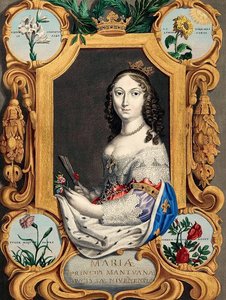
jeremiasz falck
1610 - 1677 , Poland
Osnovne informacije
- Artistic Movement Or Style: Caravaggism
- Artists Or Movements Influenced By This Artist: ['Baroque']
- Artists Who Influenced This Artist:
- Leonardo da Vinci
- Michelangelo
- Date Of Birth: September 29, 1571
- Date Of Death: July 18, 1610
- Full Name: Michelangelo Merisi da Caravaggio
- Nationality: Italian
- Notable Artworks:
- The Calling of Saint Matthew
- Supper at Emmaus
- David and Goliath
- Death of the Virgin
- Place Of Birth: Milan, Lombardy