

 Pregledaj u prostoru
 Pošalji
 Podeli
 Detalji o delu

 Преузми
 Slični predmeti
 Rendgenski snimak
 Slajdovi
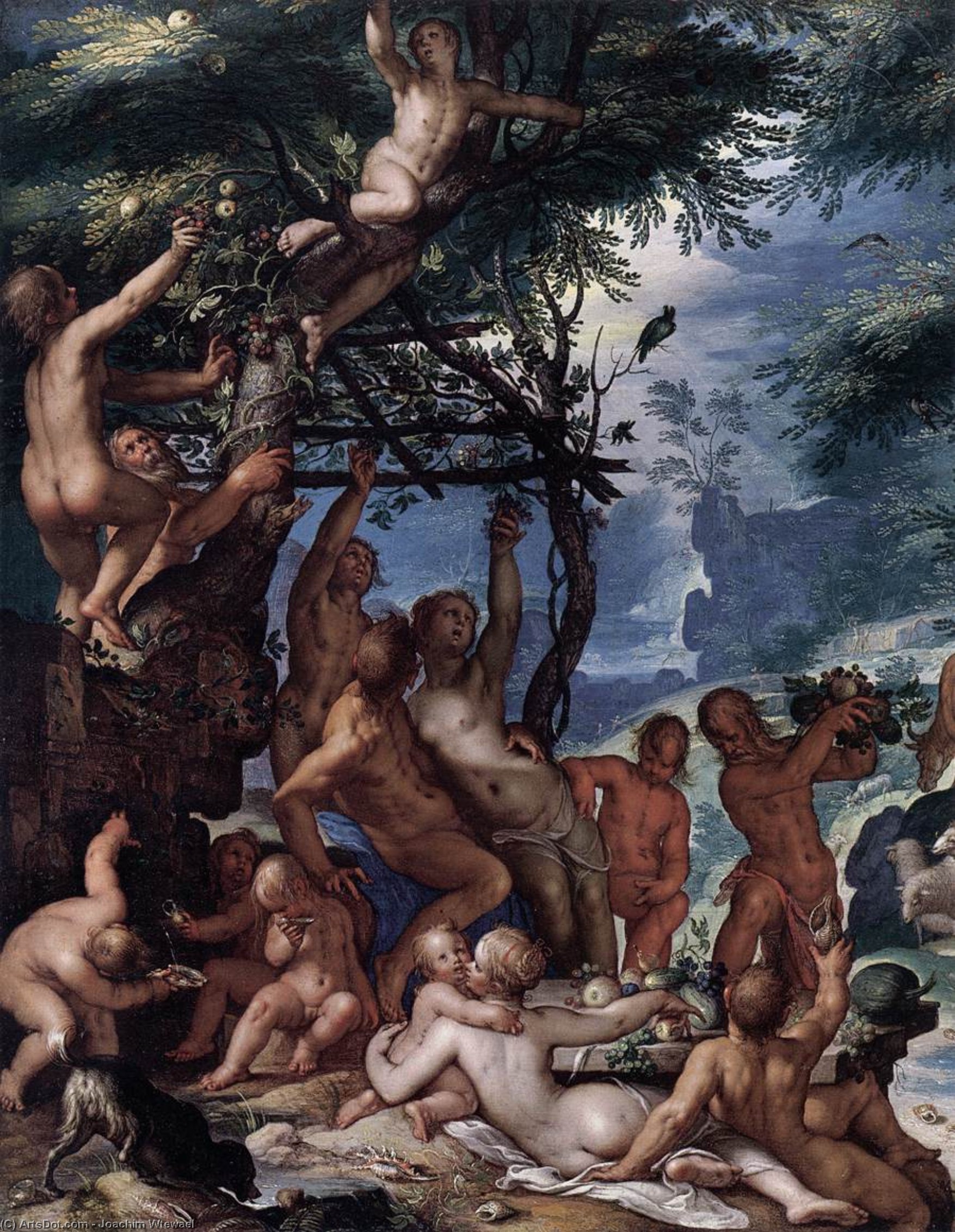
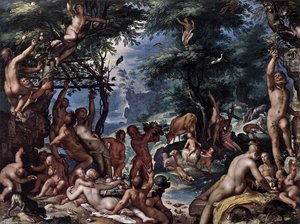
The Golden Age (detail)


 Pročitaj više
Ručno rađena uljana reprodukcija
Ručno oslikano uljanim bojama na platnu u dimenzijama i okviru po vašem izboru, izrađeno po porudžbini od strane naših umetnika. ( Kupi print Kupi digitalnu sliku)




P118B $10

P118H $10

P118W $10

P438Z $10

P508JH $12

P508YH $12

P805H $10

P805Z $10

P919BZ $10

P919G $10

P919XJ $10

P959ZH $10

P968JZ $12

W106C $8

W218G $10

W218JH $8

W218Y $10

W307PJ $10

W316G $10

W316PJ $8

W316Y $10

W398PJ $8

W4111J $10

W500HY $15

W500JH $15

W692G $12

W849H $8

W940BG $15

W953PJ $8




Izaberite jednu od naših unapred definisanih veličina koje odgovaraju originalnim proporcijama umetničkog dela.

Можете унети сопствене димензије како бисте прилагодили дело одређеном оквиру или простору. Ако одабрана величина не одговара пропорцијама оригинала, слика ће бити исечена или проширена додатним елементима који се ручно насликавају. Дигитални prikaz ће вам бити послат на одобрење пре почетка производње.
Имајте на уму да преглед на екрану не одражава стварно исецање или проширење. Само приказ (mockup) ће тачно приказати коначну композицију.
Иако су доступне прилагођене величине, препоручујемо да одаберете димензију из дефинисане листе како бисте сачували оригиналне пропорције.
Nakon narudžbine, tim ArtsDot.com će klijentu putem e-pošte poslati uputstva i dostaviti prikaz predloženog rešenja
Isporuka širom sveta () za 3/4 nedelje umesto uobičajenih 5 nedelja. (26 август). Bez kompromisa po pitanju kvaliteta.

Besplatna ekspresna dostava širom sveta

Visokokvalitetno laneno platno

Kompletno osiguranje transporta

Garancija povraćaja carine i uvoznih dažbina

Garancija vernosti boja

Politika povrata u roku od 60 dana (samo u slučaju nedostataka)

Garancija povrata novca od 100%

Popust pri grupnoj kupovini
 Opcija sa staklom dostupna je samo za dimenzije manje od 110 cm

The Golden Age (detail)
Tehnika reprodukcije
Dimenzije reprodukcije
-


Konačna cena
$ 438
Opis umetničkog dela
The Golden Age: A Dutch Masterpiece of Mythic Revelry
Joachim Anthonisz Wtewael’s “The Golden Age,” painted in 1605, isn't merely a depiction of a mythological scene; it’s an immersive experience—a vibrant, intoxicating glimpse into the heart of Renaissance pleasure and abundance. Housed within the Metropolitan Museum of Art, this oil on copper painting transcends its physical dimensions to transport the viewer into a world brimming with sensual delight, theatrical drama, and a profound sense of timeless celebration. Wtewael, a key figure in Dutch Mannerism, masterfully captures the spirit of his era, blending classical themes with a distinctly Northern European sensibility that’s both opulent and subtly unsettling.
The painting centers on a chaotic yet exquisitely ordered gathering of nude figures engaged in a dizzying array of activities. We see them feasting, dancing, drinking from overflowing goblets, climbing through the branches of a bountiful tree laden with fruit – a visual symphony of indulgence. The setting is fantastical: a lush landscape punctuated by a cascading waterfall and dramatic rocky cliffs, hinting at an otherworldly realm where earthly pleasures are amplified. This isn’t a straightforward narrative; it's a carefully constructed tableau designed to evoke a specific emotional response—a feeling of ecstatic abandon and unrestrained joy.
A Dance of Mannerism: Style and Technique
Wtewael’s style is immediately recognizable as belonging to the Dutch Mannerist tradition. Unlike the more naturalistic tendencies emerging at the time, he revels in elongated figures, exaggerated poses, and a deliberate distortion of perspective. The bodies are not rendered with anatomical precision but rather sculpted into dynamic, almost theatrical shapes—a hallmark of Mannerism’s emphasis on emotional expression over strict realism. Notice how limbs stretch and twist, creating a sense of movement and instability that mirrors the painting's overall feeling of exuberance. The artist employs a meticulous technique, layering thin glazes of oil paint to build up rich colors and textures. The use of *scumbling*, where pigment is applied in a broken, irregular manner, adds depth and luminosity to the scene, particularly evident in the dappled sunlight filtering through the foliage.
The choice of copper as the support for this painting is significant. Copper’s reflective qualities allowed Wtewael to achieve an unparalleled level of detail and brilliance—a characteristic that lends the work a remarkable vibrancy even today. The meticulous rendering of skin tones, fabrics, and fruit highlights his mastery of oil paint and his dedication to capturing subtle nuances of light and shadow.
Symbolism and Mythological Allusion
“The Golden Age” is deeply rooted in classical mythology, specifically referencing the story of Pomona, the Roman goddess of fruit trees. The abundance of fruit depicted—pears, grapes, apples, and pomegranates—is a potent symbol of fertility, prosperity, and the pleasures of the senses. However, Wtewael doesn’t simply present a straightforward depiction of Pomona's revelry; he layers in multiple mythological references. The presence of figures like Cupid and Psyche, engaged in their own romantic drama, adds another layer of complexity to the scene. The inclusion of elements such as the wedding feasts of Peleus and Thetis, combined with the Judgment of Paris, suggests a celebration of love, beauty, and the cyclical nature of life.
Furthermore, the painting’s overall atmosphere—a blend of sensual indulgence and theatrical drama—reflects the broader cultural context of 17th-century Netherlands. It was a time of burgeoning wealth, artistic innovation, and a fascination with classical antiquity. Wtewael's work captures this spirit perfectly, offering a glimpse into a world where pleasure, beauty, and mythology intertwined to create an unforgettable visual experience.
A Legacy of Opulence: Reproduction and Inspiration
“The Golden Age” remains one of Joachim Wtewael’s most celebrated works, admired for its technical brilliance, evocative imagery, and profound sense of atmosphere. Reproductions of this masterpiece offer a remarkable opportunity to bring this extraordinary painting into your home or office—a chance to immerse yourself in the world of Dutch Mannerism and experience the enduring power of classical mythology. Whether you’re an art collector, an interior designer seeking a touch of opulence, or simply someone who appreciates exquisite beauty, “The Golden Age” is sure to captivate and inspire.
Srodna umetnička dela

Biografija umetnika
The Enduring Polish of a Mannerist Master
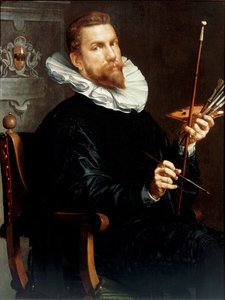
Joachim Anthonisz Wtewael, a name whispered among connoisseurs of the Dutch Golden Age, remains a captivating figure whose art defies easy categorization. Born in 1566 and passing away in 1638, his life was as multifaceted as his canvases. While his artistic genius shone brightly, it is equally notable that he was also a successful flax merchant and an active town councillor of Utrecht. This dual existence—the meticulous artisan alongside the pillar of civic society—suggests a man whose life demanded both worldly acumen and profound creative focus. Wtewael’s signature style, however, possessed a remarkable consistency; it remained largely untouched by the sweeping naturalistic currents that were reshaping art across Europe during his lifetime.
A Journey Through Style and Influence
Wtewael's early training rooted him deeply in the sophisticated vocabulary of late 16th-century Haarlem Mannerism. His initial professional life saw him working as a glassmaker and engraver within his father’s workshop, an apprenticeship that undoubtedly honed his hand for intricate detail. A pivotal period arrived when he embarked on travels through Italy and France starting in 1586. These sojourns were crucial, exposing him to the rich artistic currents of the Second School of Fontainebleau. Yet, despite these influences, Wtewael possessed a unique internal compass. His work is characterized by figures that are masterfully drawn, possessing an almost porcelain-like polish, often arranged in poses that feel wonderfully capricious and dramatically charged.
Thematic Depth: Myth Meets Devotion
The body of his surviving work—comprising around one hundred paintings, alongside numerous drawings and stained glass designs—reveals a fascinating thematic duality. He was equally at home depicting profound religious narratives as he was celebrating the lush drama of classical mythology. Consider works such as Adoration of the Shepherds juxtaposed with Venus and Mars Surprised by Vulcan. These pieces showcase his remarkable ability to weave together conventional sacred subjects with pagan lore, often imbuing both realms with a palpable, sometimes strong erotic undercurrent that draws the viewer into its narrative embrace. His attention to detail is breathtaking; in works like Perseus and Andromeda, housed notably at the Mauritshuis museum in Utrecht, one can trace his unparalleled skill.
Historical Significance and Legacy
What makes Wtewael’s contribution so significant is precisely that resistance to change. While naturalism beckoned artists toward greater realism, Wtewael held fast to a polished, idealized aesthetic, creating a body of work that feels both historically situated and eternally vibrant. His cabinet paintings, executed on copper plates, are particularly distinctive and numerous, offering intimate glimpses into his artistic process. Though the final decade of his life saw him retreat from painting—a period possibly marked by personal sorrow following the passing of his wife—the impact of his vision endures. He gifted art history a style that remains both highly polished and wonderfully unpredictable.
joachim anthonisz wtewael
1566 - 1638
Osnovne informacije
- Artistic Movement Or Style: Mannerism
- Artists Who Influenced This Artist: ['Second school of Fontainebleau']
- Date Of Birth: 1566
- Date Of Death: 1638
- Full Name: Joachim Anthonisz Wtewael
- Nationality: Dutch
- Notable Artworks:
- Adoration of the Shepherds
- Venus and Mars surprised by Vulcan
Povezani članci

Zlatno doba Holandske umetnosti: Top 10 remek dela za vaš dom
Otkrijte remek dela Holandskog zlatnog doba! Uronite u svet Rembrandta, Vermeera i drugih majstora. 10 ikoničnih slika koje su definisale umetnost. Inspiracija za vaš dom i kolekciju - ekskluzivne reprodukcije na ArtsDot.com!

Golden Age Reflections: Dutch Baroque Painting & Cultural Innovation
Explore the Dutch Golden Age of painting! Discover key artists like Vermeer & ter Borch, their innovative techniques, and the rich cultural context behind these Baroque masterpieces. Learn about collecting & appreciating this iconic art period.

The Enduring Legacy of Oil on Canvas: Technique, History & Aesthetic Impact
Explore the rich history & techniques of oil painting – from Renaissance masters to Impressionism. Discover pigments, layering methods, and why this timeless medium endures. Expert insights for artists & art enthusiasts.
Golden Light & Dutch Skies: Bringing the Magic of Dutch Golden Age Landscapes into Your Home
Transform your home with the breathtaking light of Dutch Golden Age landscapes. Discover how hand-painted oil reproductions of masterworks like Ruisdael and Vermeer bring timeless elegance, atmosphere, and soulful texture to modern interiors. Elevate your space with museum-quality art.

Illuminating Innovation: Exploring the Dutch Golden Age of Painting
Explore the Dutch Golden Age of painting with ArtsDot. Discover Rembrandt, Vermeer & other Masters. Learn about key characteristics, iconic artworks, and lasting influence. Expert insights for collectors & enthusiasts.

