

 Pregledaj u prostoru
 Pošalji
 Podeli
 Detalji o delu

 Преузми
 Slični predmeti
 Rendgenski snimak
 Slajdovi
Mars and Venus Surprised by Vulcan
 Acrylic On Canvas
- WallArt
- Mannerist Painting
 1601
1601 20.0 x 15.0 cm
 Мауритшhuis
 Pročitaj više
Ručno rađena uljana reprodukcija
Ručno oslikano uljanim bojama na platnu u dimenzijama i okviru po vašem izboru, izrađeno po porudžbini od strane naših umetnika. ( Kupi print Kupi digitalnu sliku)




P118B $10

P118H $10

P118W $10

P438Z $10

P508JH $12

P508YH $12

P805H $10

P805Z $10

P919BZ $10

P919G $10

P919XJ $10

P959ZH $10

P968JZ $12

W106C $8

W218G $10

W218JH $8

W218Y $10

W307PJ $10

W316G $10

W316PJ $8

W316Y $10

W398PJ $8

W4111J $10

W500HY $15

W500JH $15

W692G $12

W849H $8

W940BG $15

W953PJ $8




Izaberite jednu od naših unapred definisanih veličina koje odgovaraju originalnim proporcijama umetničkog dela.

Можете унети сопствене димензије како бисте прилагодили дело одређеном оквиру или простору. Ако одабрана величина не одговара пропорцијама оригинала, слика ће бити исечена или проширена додатним елементима који се ручно насликавају. Дигитални prikaz ће вам бити послат на одобрење пре почетка производње.
Имајте на уму да преглед на екрану не одражава стварно исецање или проширење. Само приказ (mockup) ће тачно приказати коначну композицију.
Иако су доступне прилагођене величине, препоручујемо да одаберете димензију из дефинисане листе како бисте сачували оригиналне пропорције.
Nakon narudžbine, tim ArtsDot.com će klijentu putem e-pošte poslati uputstva i dostaviti prikaz predloženog rešenja
Isporuka širom sveta () za 3/4 nedelje umesto uobičajenih 5 nedelja. (31 август). Bez kompromisa po pitanju kvaliteta.

Besplatna ekspresna dostava širom sveta

Visokokvalitetno laneno platno

Kompletno osiguranje transporta

Garancija povraćaja carine i uvoznih dažbina

Garancija vernosti boja

Politika povrata u roku od 60 dana (samo u slučaju nedostataka)

Garancija povrata novca od 100%

Popust pri grupnoj kupovini
 Opcija sa staklom dostupna je samo za dimenzije manje od 110 cm

Mars and Venus Surprised by Vulcan
Tehnika reprodukcije
Dimenzije reprodukcije
-


Konačna cena
$ 263
A Moment of Olympian Discord: Joachim Wtewael’s “Mars and Venus Surprised by Vulcan”
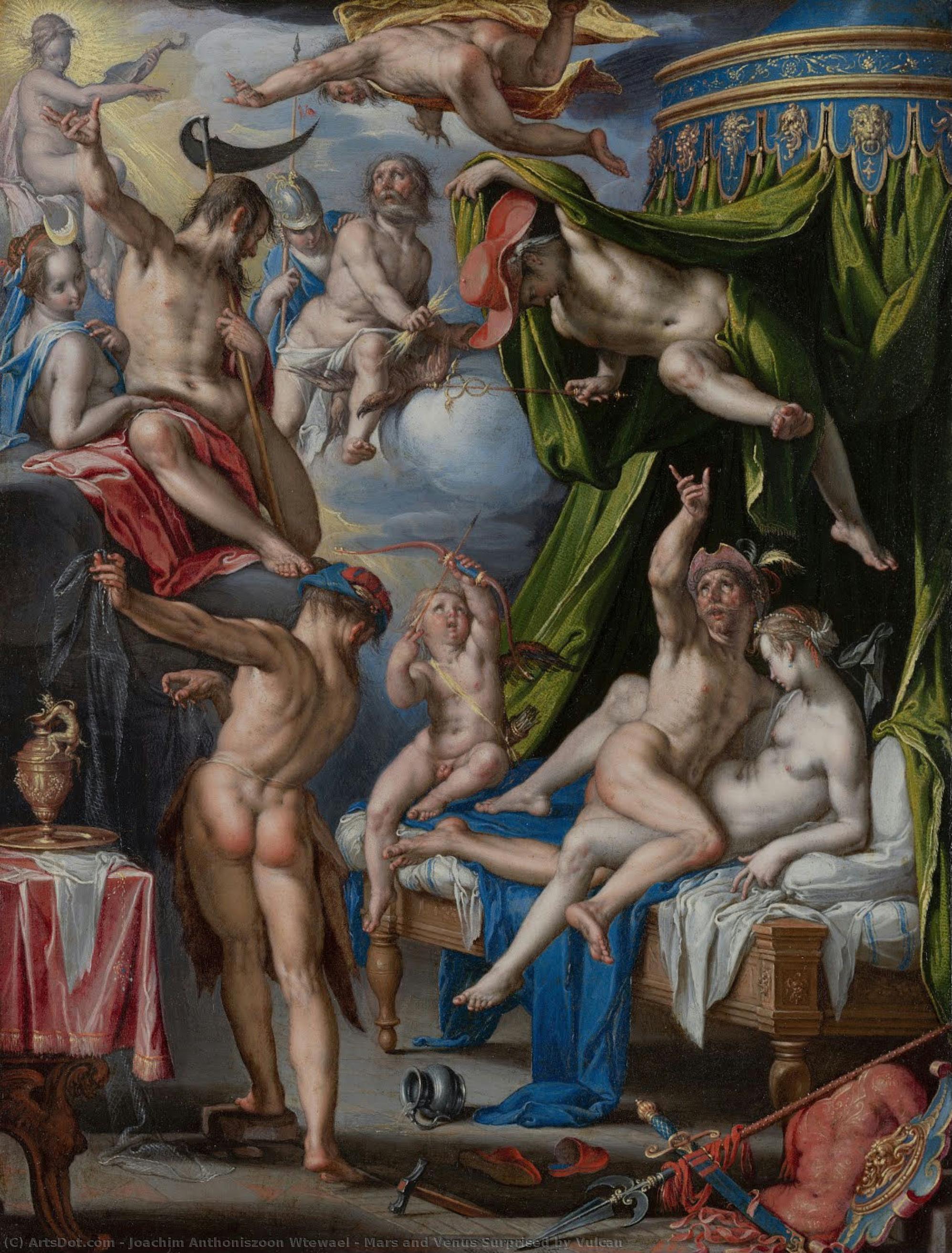
Joachim Anthoniszoon Wtewael's "Mars and Venus Surprised by Vulcan," painted in 1601, is not merely a depiction of infidelity; it’s a meticulously crafted tableau vivant—a frozen moment brimming with the tension, drama, and subtle eroticism characteristic of Northern Mannerism. This intimate copper panel, measuring just 20 x 15 centimeters, offers a captivating glimpse into the world of ancient mythology, filtered through the discerning eye of a master artist deeply attuned to both artistic convention and personal expression. Wtewael’s work transcends simple narrative, becoming a complex meditation on deception, divine intervention, and the precarious nature of marital fidelity within the opulent setting of Olympus. The painting's diminutive scale belies its profound impact, inviting viewers into an intensely private scene that unfolds with remarkable detail and psychological depth.The Mannerist Palette: Style and Technique
Wtewael’s style firmly anchors this piece within the Northern Mannerist tradition—a movement known for its elongated figures, complex poses, and a deliberate avoidance of the naturalism gaining prominence elsewhere in Europe. Unlike the burgeoning realism of his contemporaries, Wtewael prioritized elegance, refinement, and an almost sculptural quality to his forms. The figures are rendered with painstaking precision, their bodies meticulously sculpted and draped in luxurious fabrics—a testament to the artist’s mastery of copper panel painting. Notice the subtle use of light and shadow, creating a sense of depth and volume that elevates the scene beyond a simple illustration. The smooth, polished surface of the copper itself contributes significantly to the work's luminous quality, reflecting light with an almost jewel-like intensity. The artist’s signature is discreetly placed in one corner, a subtle acknowledgement of his hand within this carefully constructed world.Mythological Intrigue: A Story of Betrayal and Divine Justice
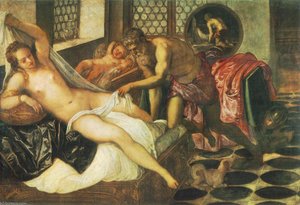
The narrative depicted is rooted in classical mythology—the adulterous affair between Venus (Aphrodite), Mars (Ares), and Vulcan (Hephaestus). The scene captures the immediate aftermath of their clandestine encounter, as Vulcan, alerted by Apollo, discovers his wife’s infidelity. His reaction – a mixture of fury, embarrassment, and a touch of bewildered dismay—is brilliantly conveyed through his posture and expression. The surprised Venus, caught in the act, attempts to conceal her shame, while Mars desperately tries to maintain a semblance of composure. The presence of Jupiter, Saturn, Diana, and Cupid adds layers of complexity to the drama, suggesting a gathering of gods to witness and judge this transgression. It’s a scene ripe with symbolism—a microcosm of human relationships mirrored within the divine realm.Symbolism and Emotional Resonance
Beyond the straightforward narrative, “Mars and Venus Surprised by Vulcan” is laden with symbolic meaning. The copper panel itself, a material prized for its durability and reflective qualities, represents both the enduring nature of the mythological tale and the artist’s own commitment to his craft. The luxurious fabrics worn by the figures speak to their status as deities, while the bed—a symbol of domesticity and intimacy—becomes a stage for illicit passion. The dog, often associated with loyalty and fidelity, stands as a silent witness to the betrayal. Most powerfully, the painting evokes a sense of vulnerability and emotional turmoil—the shock, humiliation, and regret experienced by all involved. Wtewael masterfully captures not just the physical act of discovery but also the psychological impact of this moment of Olympian discord.A Timeless Masterpiece: Reproduction and Artistic Legacy
Joachim Anthoniszoon Wtewael’s “Mars and Venus Surprised by Vulcan” remains a captivating work of art, offering a rare glimpse into the world of Northern Mannerism. Its intricate detail, psychological depth, and symbolic richness continue to resonate with viewers centuries after its creation. Reproductions of this exquisite panel provide an opportunity to appreciate Wtewael’s artistic genius and bring this compelling narrative into any interior space. Consider framing the reproduction in a manner that complements the painting's rich copper tones—a dark wood frame would enhance the sense of drama, while a lighter tone could create a more intimate atmosphere. This artwork is not simply a depiction of myth; it’s an invitation to contemplate themes of love, betrayal, and the complexities of human nature – a timeless treasure for art lovers and collectors alike.Srodna umetnička dela
Biografija umetnika
A Master of Mannerism: The Enigmatic World of Joachim Anthoniszoon Wtewael
Joachim Anthoniszoon Wtewael, a name perhaps less instantly recognizable than some of his Dutch Golden Age contemporaries, nevertheless occupies a fascinating and pivotal position in the history of 17th-century art. Born in Utrecht in 1566, Wtewael was a man of intriguing contrasts – a highly successful flax merchant and town councillor who simultaneously cultivated a career as a painter deeply rooted in the stylistic conventions of Mannerism. This duality is reflected in his work, which possesses a refined elegance and meticulous detail that sets it apart from the burgeoning naturalism that would soon dominate Dutch painting. He wasn’t swept up by the revolutionary currents shifting through the art world; instead, he remained steadfastly committed to an aesthetic characterized by elongated figures, graceful poses, and often, a subtle undercurrent of eroticism.Early Life and Artistic Formation
Wtewael's artistic journey began within his family workshop. His father, Anthonis Jansz Wtewael, was a glass painter in Utrecht, providing Joachim with an initial grounding in the visual arts. However, it was his subsequent training in Haarlem, specifically under the influence of late Mannerist painters, that truly shaped his aesthetic sensibilities. This period instilled in him a love for intricate compositions, polished surfaces, and the dramatic use of light and shadow – hallmarks of Northern Mannerism. Unlike many artists who embraced the evolving trends towards realism, Wtewael consciously chose to preserve this earlier style, creating a body of work that feels both timeless and distinctly individual. His dedication to his craft was balanced by astute business acumen; he prospered as a flax merchant, allowing him financial independence and the freedom to pursue his artistic passions without relying solely on commissions. This economic stability also enabled him to participate actively in civic life as a town councillor, further demonstrating his multifaceted nature.Themes and Techniques: A World of Myth and Sensuality
Wtewael’s oeuvre encompasses approximately one hundred paintings, drawings, and stained glass designs, revealing a remarkable versatility within the confines of his chosen style. He worked across various scales, from large-format canvases intended for public display to exquisitely detailed cabinet paintings on copper plates – the latter being particularly characteristic of his work. His subject matter is equally diverse, ranging from conventional religious scenes like the *Adoration of the Shepherds* (a motif he revisited multiple times) to elaborate mythological narratives. It’s within these mythological depictions that Wtewael truly shines, often imbuing them with a playful sensuality and a penchant for dramatic storytelling. Works such as *Mars and Venus Surprised by Vulcan*, *The Feast of the Gods*, and scenes from the Cupid and Psyche cycle demonstrate his mastery of complex compositions and his ability to populate them with elegantly rendered figures. Even when tackling biblical subjects, like *Lot and His Daughters*, Wtewael doesn’t shy away from exploring the more provocative aspects of the narrative.Legacy and Lasting Influence
Despite remaining somewhat outside the mainstream of Dutch Golden Age painting, Joachim Anthoniszoon Wtewael left a significant mark on his contemporaries and subsequent generations. His unique blend of Mannerist refinement and entrepreneurial spirit continues to captivate art enthusiasts today. While he didn’t found a large school of followers, his influence can be detected in the work of other Utrecht Caravaggisti – artists who embraced the dramatic chiaroscuro of Caravaggio but retained elements of Wtewael's sophisticated draftsmanship. Today, his paintings are held in prominent museum collections worldwide, including the Museum Catharijneconvent in Utrecht and the Centraal Museum, offering viewers a glimpse into the captivating world he created. His enduring appeal lies not only in the technical brilliance of his work but also in its ability to transport us to a realm where beauty, mythology, and sensuality intertwine – a testament to the power of an artist who dared to remain true to his own distinctive vision. Wtewael’s legacy is one of elegant defiance, a reminder that artistic innovation doesn't always require embracing the latest trends but can also be found in the masterful refinement of established traditions.Exploring Wtewael’s World Today
For those seeking to delve deeper into the art of Joachim Anthoniszoon Wtewael, numerous resources are available. Online databases such as ArtsDot.com offer a comprehensive collection of his works, allowing viewers to explore his paintings in detail and learn more about his life and artistic development. Museum visits, particularly to institutions like the Museum Catharijneconvent in Utrecht, provide an opportunity to experience the impact of his art firsthand. Wtewael’s cabinet paintings on copper are especially rewarding to view up close, revealing the astonishing level of detail and artistry he brought to these intimate works. Furthermore, scholarly articles and online resources like Wikipedia and the National Gallery of Art website offer valuable insights into his historical context and artistic significance. By engaging with these resources, art lovers can gain a deeper appreciation for this often-overlooked master of Dutch Mannerism and discover the enduring beauty of his enigmatic world.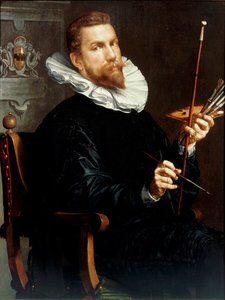
Joachim Anthoniszoon Wtewael
1566 - 1638 , Netherlands
Osnovne informacije
- Artistic Movement Or Style: Northern Mannerism
- Artists Who Influenced This Artist: ['Haarlem Mannerism artists']
- Date Of Birth: 1566
- Date Of Death: 1638
- Full Name: Joachim Anthoniszoon Wtewael
- Nationality: Dutch
- Notable Artworks:
- Mars and Venus Surprised by Vulcan
- The Adoration of the Shepherds
- Lot and his daughters
- Place Of Birth: Utrecht, Netherlands
Povezani članci
Mannerism: Bridging Renaissance Harmony & Baroque Drama – A Study of Style & Affectation
Explore the fascinating world of Mannerism! Discover its key characteristics, pioneering artists like Pontormo & Bronzino, and its pivotal role in bridging Renaissance harmony to Baroque drama. A comprehensive guide for art enthusiasts.
Sandro Botticelli: 25 Remek-dela Renesansnog Majstora za Vaš Dom | ArtsDot
Uronite u svet Sandro Botticellija! Otkrijte 25 remek-dela renesansnog majstora – od Venere do Primavera. Istorija umetnosti, tehnike i inspiracija za dekoraciju enterijera. Kvalitetne reprodukcije slika na ArtsDot.com.
Mars Black Masterpieces: 10 Iconic Paintings & Timeless Art Decor Ideas
Delve into the power of 'Mars Black' with 10 iconic paintings by masters like Rembrandt & Caravaggio. Explore dramatic chiaroscuro, gothic art, and timeless beauty. Find museum-quality reproductions & elevate your home decor on .
Mannerism's Masters: 10 Artworks That Redefined Renaissance Style | ArtsDot
Explore 10 defining Mannerism masterpieces – from Pontormo to El Greco. Discover the stories behind these Renaissance paintings, their unique style & symbolism. Find museum-quality art reproductions at ArtsDot.com and elevate your home decor.
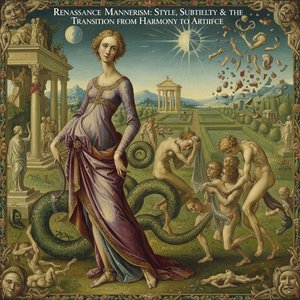
Renaissance Mannerism: Style, Subtlety & the Transition from Harmony to Artifice
Explore the captivating world of Renaissance Mannerism! Discover its key characteristics, pioneering artists like Pontormo & Bronzino, and its pivotal role in art history. Expert insights & museum-quality reproductions at ArtsDot.

