

 Pregledaj u prostoru
 Pošalji
 Podeli
 Detalji o delu

 Преузми
 Slični predmeti
 Rendgenski snimak
 Slajdovi
 Stats
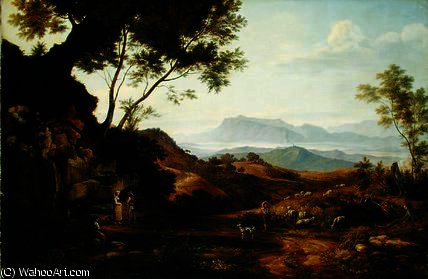
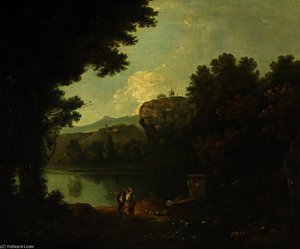
StatsItalian landscape_2
 Pročitaj više
Ručno rađena uljana reprodukcija
Ručno oslikano uljanim bojama na platnu u dimenzijama i okviru po vašem izboru, izrađeno po porudžbini od strane naših umetnika. ( Switch to Print Switch to Digital Image)




































Izaberite jednu od naših unapred definisanih veličina koje odgovaraju originalnim proporcijama umetničkog dela.

Можете унети сопствене димензије како бисте прилагодили дело одређеном оквиру или простору. Ако одабрана величина не одговара пропорцијама оригинала, слика ће бити исечена или проширена додатним елементима који се ручно насликавају. Дигитални prikaz ће вам бити послат на одобрење пре почетка производње.
Имајте на уму да преглед на екрану не одражава стварно исецање или проширење. Само приказ (mockup) ће тачно приказати коначну композицију.
Иако су доступне прилагођене величине, препоручујемо да одаберете димензију из дефинисане листе како бисте сачували оригиналне пропорције.
Nakon narudžbine, tim ArtsDot.com će klijentu putem e-pošte poslati uputstva i dostaviti prikaz predloženog rešenja
Isporuka širom sveta () za 3/4 nedelje umesto uobičajenih 5 nedelja. (8 септембар). Bez kompromisa po pitanju kvaliteta.

Besplatna ekspresna dostava širom sveta

Visokokvalitetno laneno platno

Kompletno osiguranje transporta

Garancija povraćaja carine i uvoznih dažbina

Garancija vernosti boja

Politika povraćaja u roku od 100 dana (isključivo u slučaju nedostataka)

Garancija povrata novca od 100%

Popust pri grupnoj kupovini
 Opcija sa staklom dostupna je samo za dimenzije manje od 110 cm

Italian landscape_2
Tehnika reprodukcije
Dimenzije reprodukcije
-


Konačna cena
$ 263
Srodna umetnička dela
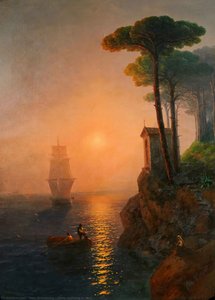
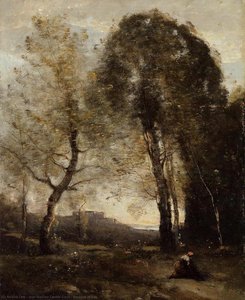
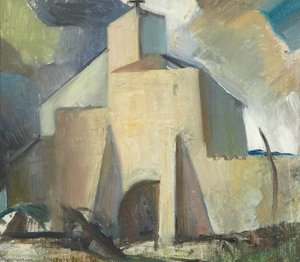
Biografija umetnika
The Soul of the Italian Landscape: The Artistry of Joachim Faber
In the annals of German Romanticism, few artists captured the profound intersection of geological grandeur and spiritual tranquility as poignantly as Joachim Faber. Born in the maritime atmosphere of Hamburg in 1778, Faber’s early artistic identity was rooted in the rigorous traditions of historical and religious painting. His formative years were marked by a disciplined pursuit of narrative clarity, exemplified by his poignant altar-piece for St. Catharine’s Church in Hamburg, titled Suffer Little Children to come unto Me. This early mastery of complex composition and sacred motifs provided the technical foundation upon which he would later build a much more expansive, atmospheric vision of the natural world.
The true metamorphosis of Faber’s style occurred not in the studios of Germany, but under the radiant, transformative light of the Italian sun. Embarking on a seminal journey through Italy alongside fellow artists J.A. Claude Koch and Reinhardt, Faber underwent a profound aesthetic shift. The structured narratives of his youth gave way to an obsession with the sublime—the raw, untamed beauty of the Mediterranean landscape. This period of travel allowed him to move beyond mere representation, as he began to embrace the emotional weight of the scenery, finding deep inspiration in the rugged cliffs and sun-drenched vistas of regions such as Sorrento and the environs of Naples.
A Mastery of Light and Atmosphere
Faber’s mature work is characterized by a remarkable ability to manipulate light and perspective to evoke a sense of awe. Influenced heavily by the dramatic landscape traditions of Claude Joseph Vernet and the evocative shadows of Alessandro Magnasco, he developed a technique that utilized atmospheric haze and subtle tonal gradations to create depth. His paintings do not merely depict a place; they invite the viewer to breathe its air and feel its temperature. Whether working in oil on canvas or the delicate precision of graphite and wash, Faber possessed an uncanny knack for capturing the way light dissolves edges and softens distant mountains.
His repertoire of subjects reflects a deep intimacy with the Italian terrain, ranging from the monumental to the intimate:
- The Majesty of the Coast: Works such as Cliffs Overhanging a River Gorge near Sorrento demonstrate his ability to render the terrifying beauty of precipitous heights and rushing waters.
- Architectural Harmony: In pieces like The Terrace of Capucins, he masterfully integrates man-made structures with the organic flow of nature, showcasing the peaceful coexistence of civilization and the wild.
- Classical Remnants: His explorations of ruins, such as the Temple of Minerva Medica in Rome, serve as poignant meditations on the passage of time and the enduring strength of history.
Legacy and Historical Significance
As a pioneer of the Romantic landscape movement, Joachim Faber bridged the gap between the structured academicism of the late 18th century and the emotive, nature-centric philosophy of the 19th century. His transition from historical subject matter to the pure expression of landscape marks him as a vital figure in the evolution of German art. By translating the dramatic essence of the Italian landscape into a language understood by Northern European sensibilities, he helped cultivate a widespread fascination with the "sublime" that would define an entire era.
Today, Faber’s legacy survives through his presence in prestigious collections such as the National Gallery of Art and the Alte Nationalgalerie Berlin. His works remain essential touchstones for anyone seeking to understand the Romantic quest to find the divine within the natural world. Through his meticulous detail and atmospheric depth, Faber continues to remind us that a landscape is never just a view, but a profound emotional experience etched in light and shadow.

Joachim Faber
1778 - 1846 , Germany
Osnovne informacije
- Artistic Movement Or Style: Romanticism
- Artists Or Movements Influenced By This Artist: ['Romanticism']
- Artists Who Influenced This Artist: ['Caspar David Friedrich']
- Date Of Birth: April 12, 1778
- Date Of Death: August 2, 1846
- Full Name: Johann Joachim Faber
- Nationality: German
- Notable Artworks:
- The Terrace Of The Capucins In Sorrento,
- Landscape at Olevano Romano
- Place Of Birth: Hamburg, Germany