

 Pregledaj u prostoru
 Pošalji
 Podeli
 Detalji o delu

 Преузми
 Slični predmeti
 Rendgenski snimak
 Slajdovi
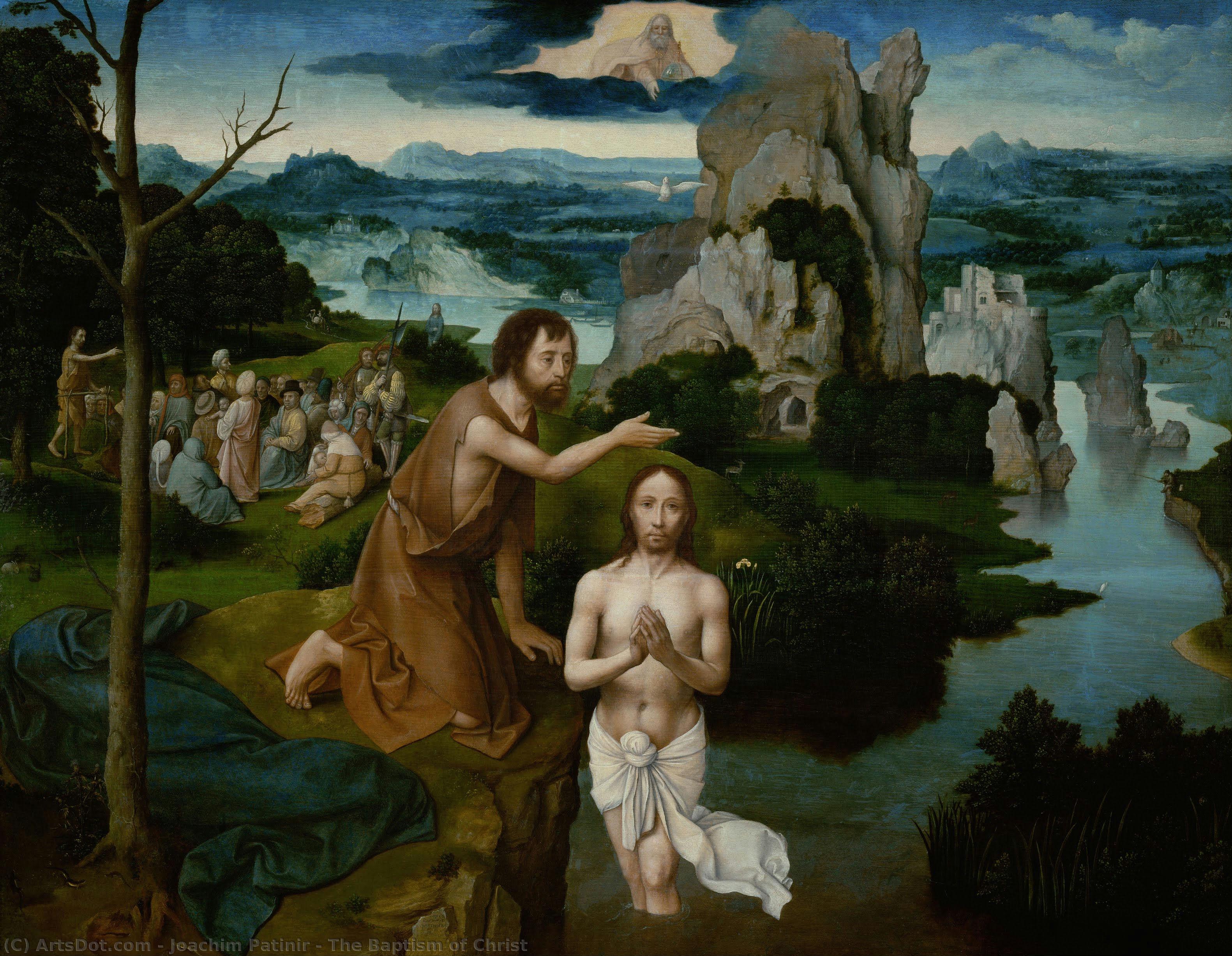
The Baptism of Christ
 Oil On Canvas
- WallArt
- Northern Renaissance Landscape
 1520
1520 763.0 x 597.0 cm
 Kunsthistorisches Museum
 Pročitaj više
Kupite digitalnu sliku visoke rezolucije i poboljšanog kvaliteta, koja je znatno superiornija od onoga što vidite u online prikazu.
Svaka datoteka je pedantno pripremljena od strane naših stručnjaka koristeći napredne alate i profesionalnu ručnu retušu. Osiguravamo da svaka slika ima izuzetnu oštrinu, preciznu reprodukciju boja i fine detalje.
Konačna datoteka se dostavlja putem e-pošte u roku od 72 sata, optimizovana za neposrednu upotrebu u profesionalnim, izdavačkim i štamparskim okruženjima. To je isti kvalitet kojem veruju vrhunski studiji dizajna, izdavači i galerije.
Digitalna slika
Preuzmite datoteku visoke rezolucije za ličnu upotrebu, štampanje i kreativne projekte. ( Kupi print Kupi ručno naslikanu sliku)
Uključeno uz svaku porudžbinu digitalne slike
Profesionalna digitalna isporuka, zagarantovana
Kada odaberete ArtsDot.com, ne dobijate samo sliku – vi primate profesionalno unapređeno digitalno umetničko delo, izrađeno sa najvećom preciznošću i uz garanciju zadovoljstva. Evo svega što automatski dolazi uz vašu porudžbinu:

Brza dostava putem e-pošte
Vaša digitalna slika visoke rezolucije biće vam poslata putem e-pošte u roku od 72 sata od poručivanja – spremna za trenutnu upotrebu.

Digitalna datoteka unapređena veštačkom inteligencijom
Vaše umetničko delo je profesionalno optimizovano korišćenjem naprednih AI alata i ručne obrade, čime se osiguravaju maksimalni detalji, oštrina i preciznost boja.

Besplatna ponovna isporuka doživotno
Slučajno ste obrisali ili izgubili svoju datoteku? Ne brinite – poslaćemo vam je ponovo u bilo kom trenutku, potpuno besplatno.

Bez troškova uvoza – zauvek
Uživajte u svojim umetničkim delima trenutno, bez carine, dažbina ili troškova dostave – digitalni download je uvek bez poreza.

Garancija vernosti boja
Uz pomoć profesionalnih alata i upravljanja bojama, osiguravamo da vaša digitalna slika što vernije odražava originalne boje.

Garancija zadovoljstva u roku od 60 dana
Ako niste zadovoljni svojom digitalnom slikom, revidirat ćemo je ili vratiti 100% novca u roku od 60 dana – bez ikakvih pitanja.

100% garancija povrata novca
Niste zadovoljni? Obezbedite pun povrat novca u roku od 60 dana od trenutka kada ste primili svoju digitalnu datoteku – bez suvišnih pitanja.

Popusti na velike porudžbine
Kupite 3 slike, uštedite 10% - Kupite 5 slika, uštedite 15% - Kupite 10+ slika, uštedite 20%. Odlično za kreativne projekte, galerije i agencije.
Opis kolekcionarskog dela
A Visionary Fusion: Joachim Patinir’s Bold Embrace of Landscape
Joachim Patinir stands as a singular figure in the artistic landscape of Renaissance Flanders, recognized not merely for his portraits but fundamentally for his groundbreaking approach to painting – specifically, his unwavering dedication to depicting expansive landscapes alongside human figures. Unlike many of his contemporaries who prioritized realistic representation, Patinir deliberately eschewed naturalism, opting instead for compositions characterized by unsettling cliff formations and a cool palette that conveyed an atmosphere of profound solemnity. This distinctive stylistic choice wasn’t simply aesthetic preference; it represented a pivotal moment in the evolution of Western art, establishing what would become known as “the world landscape.”- Early Influences & Recognition: Albrecht Dürer's admiration for Patinir during their collaborative journey to Bruges solidified his reputation as a landscape innovator. Dürer’s diary entry documented this pivotal encounter, marking the first recorded use of "landscape painter" in German north of the Alps – an acknowledgement of Patinir’s pioneering role.
- Workshop Collaboration & Artistic Dialogue: Patinir's partnership with Quentin Metsys exemplifies the vibrant artistic milieu of Antwerp during his time. Their collaborative effort on “The Temptation of Saint Anthony” vividly illustrates Patinir’s technique – Metsys skillfully added figures to Patinir’s meticulously crafted landscape, demonstrating a harmonious blend of styles.
- Formal Composition & Symbolism: The Baptism of Christ exemplifies Patinir's masterful use of axial structure, mirroring the conventions established by artists like Gerard David and Dürer. God the Father dominates the upper register, flanked by the Dove of the Holy Spirit, while Jesus Christ occupies the central space, bathed in serene blue – a deliberate choice reflecting the biblical narrative’s spiritual significance.
The Landscape as Spiritual Reflection
Patinir's landscapes aren’t mere scenic backgrounds; they are active participants in conveying theological ideas. The bizarre cliff formations and improbable geological features serve not to deceive but to heighten the viewer’s sense of awe and wonder, mirroring the grandeur of God’s creation. This stylistic decision wasn’t accidental—it reflects a broader trend toward elevating landscape painting beyond mere visual pleasure, transforming it into a vehicle for spiritual contemplation. The cool coloration contributes to this contemplative mood, fostering an atmosphere of solemn reverence.Influence & Legacy
Patinir's influence extended far beyond his immediate successors, notably Herri met de Bles, who continued Patinir’s tradition of panoramic landscapes in Antwerp. His work foreshadowed the stylistic developments that would characterize later generations of Flemish painters, establishing a precedent for prioritizing atmospheric perspective and conveying profound emotional resonance. The Baptism of Christ stands as testament to this enduring legacy—a masterpiece that continues to inspire artists and captivate audiences with its innovative blend of landscape and figure painting.A Window into Renaissance Spirituality
The Kunsthistorisches Museum’s meticulous reproduction captures the essence of Patinir's vision, allowing viewers to appreciate not only the technical brilliance of his brushstrokes but also the profound spiritual depth embedded within this iconic artwork. It serves as a poignant reminder that art can transcend mere representation, communicating timeless truths about faith and wonder—a legacy that continues to resonate powerfully today.Srodna umetnička dela


Biografija umetnika
A Pioneer of the Northern Renaissance Landscape
Joachim Patinir, a name often whispered alongside that of Albrecht Altdorfer as a foundational figure in landscape painting, emerged from the artistic milieu of the Low Countries during the early 16th century. Born around 1480, likely in either Bouvignes or Dinant – towns nestled within present-day Belgium’s Wallonia region – Patinir's life remains shrouded in a degree of mystery. What is certain is that he established himself as a prominent artist in Antwerp by 1515, becoming a member of the Guild of Saint Luke and dedicating his career to a genre previously relegated to background detail. He died before October 5th, 1524, leaving behind a legacy that would fundamentally alter the course of Western art. Patinir wasn’t merely depicting landscapes; he was inventing a way of *seeing* them, imbuing them with narrative power and symbolic depth previously unseen.Early Influences and Artistic Development
The artistic currents flowing through the Low Countries at the turn of the 16th century profoundly shaped Patinir's early development. While concrete details about his training are scarce, scholars suggest a possible apprenticeship under Gerard David in Bruges. David’s meticulous realism and attention to detail undoubtedly left an impression on the young artist. However, it was the fantastical world-building of Hieronymus Bosch that arguably exerted the most significant influence. Patinir absorbed Bosch's penchant for imaginative landscapes populated with peculiar creatures and symbolic motifs, but he steered away from the moralizing allegories that characterized Bosch’s work. Instead, Patinir began to explore landscape as an independent entity, capable of conveying meaning in its own right. His early works demonstrate a clear understanding of naturalistic detail, combined with a growing lyrical fantasy—a unique blend that would become his signature style. A journey to Genoa in 1511 alongside David and Adrien Ysenbrandt likely broadened his artistic horizons, exposing him to different visual traditions and further refining his observational skills.Collaboration and the Birth of the “World Landscape”
Patinir’s career flourished within a collaborative environment. He forged close relationships with other leading Antwerp painters, most notably Quentin Metsys. Their joint masterpiece, *The Temptation of St Anthony* (c. 1520-1524), exemplifies their working dynamic: Patinir crafted the expansive and dramatic landscape, while Metsys populated it with figures depicting the saint’s trials. This collaboration highlights a common practice in the Low Countries at the time—the specialization of artistic skills. However, Patinir's contribution transcended mere technical execution; he was actively shaping the narrative through his landscapes. It was during this period that he truly pioneered what Ludwig von Baldass later termed the “Weltlandschaft,” or "world landscape." This style is characterized by panoramic vistas, high viewpoints offering a sweeping perspective, and an intricate layering of natural elements—mountains, forests, rivers, and plains—creating a sense of boundless space. The larger scale of his works, reminiscent of those by Bosch, further emphasized the immersive quality of these landscapes.Symbolism and the Pilgrimage of Life
Patinir’s landscapes were not simply representations of physical places; they were imbued with profound symbolic meaning. While often featuring religious subjects—the Flight into Egypt, the Baptism of Christ, the Penance of Saint Jerome—these narratives were frequently dwarfed by the grandeur of the surrounding environment. Scholars have interpreted these vast vistas as allegories of life’s pilgrimage, drawing parallels to biblical passages that describe humanity as wanderers on Earth, seeking spiritual communion with God. The steep mountains might represent obstacles and challenges, while winding rivers symbolize the journey itself. The distant horizons evoke a sense of longing for an ultimate destination—a heavenly realm beyond earthly concerns. This subtle yet powerful symbolism elevates Patinir’s landscapes beyond mere scenery, transforming them into meditations on faith, mortality, and the human condition. His use of color also played a crucial role; brown tones in the foreground suggest immediacy and physicality, while blues and greens recede into the distance, creating an illusion of depth and vastness.Legacy and Historical Significance
Joachim Patinir’s impact on the development of landscape painting is undeniable. He was the first Netherlandish artist to prioritize landscape as a primary subject, effectively establishing it as an independent genre. His innovative techniques—the high viewpoint, panoramic vistas, and symbolic use of natural elements—would influence generations of artists. Albrecht Dürer, who visited Patinir in 1521 and painted his portrait, famously dubbed him “der gute landschaftsmaler” (“the good painter of landscapes”), a testament to his growing reputation. Patinir’s work also paved the way for other landscape pioneers, such as Herri met de Bles, who further refined the world landscape style. While his career was relatively short, Patinir left an indelible mark on the art world, transforming the way artists and viewers perceived the natural environment. He wasn't just painting landscapes; he was creating a new visual language—a language that continues to resonate with audiences today, inviting us to contemplate the beauty, mystery, and spiritual significance of the world around us.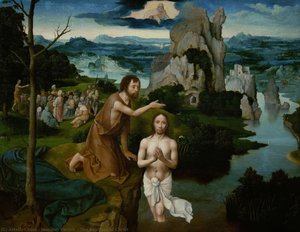
joachim patinir
1483 - 1524
Kratke činjenice
- Artistic Movement Or Style: Renaissance Landscape
- Artists Or Movements Influenced By This Artist:
- Albrecht Altdorfer
- Herri met de Bles
- Artists Who Influenced This Artist:
- Gerard David
- Hieronymus Bosch
- Date Of Birth: c. 1480
- Date Of Death: 5 October 1524
- Full Name: Joachim Patinir
- Nationality: Flemish
- Notable Artworks:
- The Temptation of St Anthony
- Landscape with the Flight into Egypt
- St. Christopher
- The Penitence of Saint Jerome
- Place Of Birth: Dinant, Belgium

