

 Pregledaj u prostoru
 Pošalji
 Podeli
 Detalji o delu

 Преузми
 Slični predmeti
 Rendgenski snimak
 Slajdovi
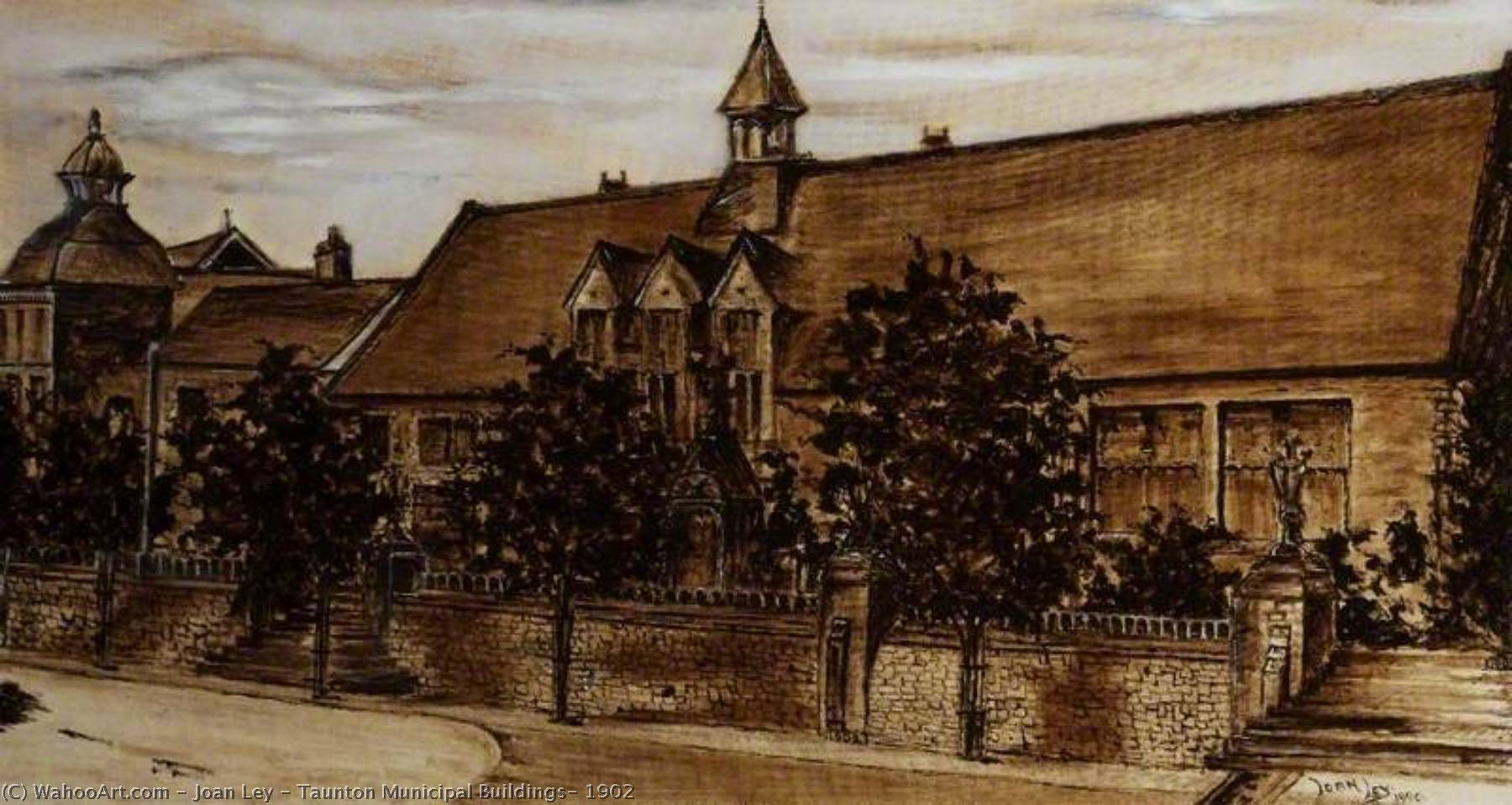
Taunton Municipal Buildings, 1902
 1990
1990 41.0 x 76.0 cm
 Pročitaj više
Giclee štampa / Umetnički otisak
Giclée štampa ili print na platnu muzejskog kvaliteta uz brzu proizvodnju i fleksibilne opcije završne obrade. ( Kupi ručno naslikanu sliku Kupi digitalnu sliku)




































Izaberite jednu od naših unapred definisanih veličina koje odgovaraju originalnim proporcijama umetničkog dela.

Možete uneti sopstvene dimenzije kako biste umetničko delo prilagodili specifičnom okviru ili prostoru. Ako odabrani format ne odgovara proporcijama originalne slike, mi ćemo ili iscrtati deo dela ili proširiti sliku pomoću ogledane ivice ili jednobojnog popunjavanja. Digitalni prikaz će vam biti poslat na odobrenje pre početka proizvodnje.
Imajte na umu da pregled na ekranu ne odražava stvarno iscrtavanje ili proširivanje. Samo će prikaz (mockup) precizno pokazati finalnu kompoziciju.
Iako su prilagođene dimenzije dostupne, preporučujemo da odaberete dimenziju sa unapred definisane liste kako biste očuvali originalne proporcije.
Dostava širom sveta () za 2 nedelje umesto uobičajenih 4/5 nedelja. (30 август)

Besplatna ekspresna dostava širom sveta

Visokokvalitetno laneno platno

Kompletno osiguranje transporta

Garancija povraćaja carine i uvoznih dažbina

Garancija vernosti boja

Politika povrata u roku od 60 dana (samo u slučaju nedostataka)

Garancija povrata novca od 100%

Popust pri grupnoj kupovini
 Opcija sa staklom dostupna je samo za dimenzije manje od 110 cm

Taunton Municipal Buildings, 1902
Giclee štampa / Umetnički otisak
Dimenzije reprodukcije
-


Konačna cena
$ 62
Srodna umetnička dela








Biografija umetnika
Joan Ley: A Visionary Observer of Scottish Landscapes
Joan Ley stands as a singular figure in British landscape painting, celebrated for her meticulous depictions of Scottish architecture and rural vistas imbued with profound symbolic resonance. Born in the quietude of Taunton, Somerset, Ley’s artistic journey began amidst the gentle beauty of Devonshire, an environment that fostered an enduring fascination with the rugged grandeur of Scotland's Highlands and Islands. Her distinctive style—characterized by precise draughtsmanship combined with a subtle tonal palette—captures not merely visual appearances but also the emotional essence of her subjects, inviting the viewer into a world where stillness and history converge.
The foundations of Ley’s aesthetic were laid during her formative years, shaped by an early exposure to the Impressionist masters. The works of Claude Monet and Pierre-Auguste Renoir instilled in her a deep appreciation for capturing fleeting moments of light and color, yet her sensibilities were equally informed by more structured philosophies. She found profound inspiration in the writings of John Ruskin, particularly his explorations of Victorian morality and the concept of the sublime. For Ley, art was not merely a way to document the world but a means to elevate the spirit, a principle that would guide her hand through decades of dedicated observation.
Technical Mastery and Formal Training
To refine her innate talent, Ley pursued rigorous formal training at the prestigious Slade School of Fine Art in London. It was within this academic environment that she honed her technical skills under renowned instructors, immersing herself in the burgeoning modernist movement of the era. This period of intense study solidified her commitment to meticulous rendering and structural integrity, principles that would become the hallmarks of her oeuvre. Her ability to balance the delicate nuances of atmospheric light with the solid, unyielding presence of stone architecture remains one of her most significant technical achievements.
Her artistic output is notably focused on architectural drawings—primarily churches—and landscapes reflecting the Scottish Highlands. Her detailed renderings of buildings such as St Mary's Cathedral in Inverness and Auchtermuchty Parish Church reveal an unwavering dedication to capturing structural truth and conveying a sense of solemn grandeur. These works are more than mere blueprints of stone; they are meditations on permanence and the passage of time.
The Soul of the Highlands
Beyond the structured lines of her architectural studies, Ley’s paintings portray expansive vistas of Glencoe, Loch Lomond, and Trossachs National Park. These landscapes are rendered with remarkable sensitivity to atmospheric conditions and subtle tonal variations, capturing the mist-laden mornings and the shifting shadows of the mountains. Her landscapes serve as more than scenic representations; they act as meditative spaces where the viewer can experience the quiet majesty of the natural world.
The historical significance of Ley’s work lies in her ability to bridge the gap between traditional observation and a deeply personal, symbolic interpretation of the British landscape. Through her eyes, the rugged terrain of Scotland is transformed into a poetic dialogue between light and earth. Her legacy continues to resonate through her ability to find the extraordinary within the ordinary, leaving behind a body of work that remains a timeless testament to the beauty of the natural and built environments.
joan ley
1919 -
Osnovne informacije
- Artistic Movement Or Style: Scottish Landscape Art
- Artists Or Movements Influenced By This Artist: ['Fundació Joan Miró']
- Artists Who Influenced This Artist: ['']
- Date Of Birth: 1919
- Date Of Death: Living
- Full Name: Joan Ley
- Nationality: British
- Notable Artworks:
- The Leper Hospital
- Cheddar Gorge
- Taunton Almshouse
- Place Of Birth: Taunton, England

