

 Pregledaj u prostoru
 Pošalji
 Podeli
 Detalji o delu

 Преузми
 Slični predmeti
 Rendgenski snimak
 Slajdovi
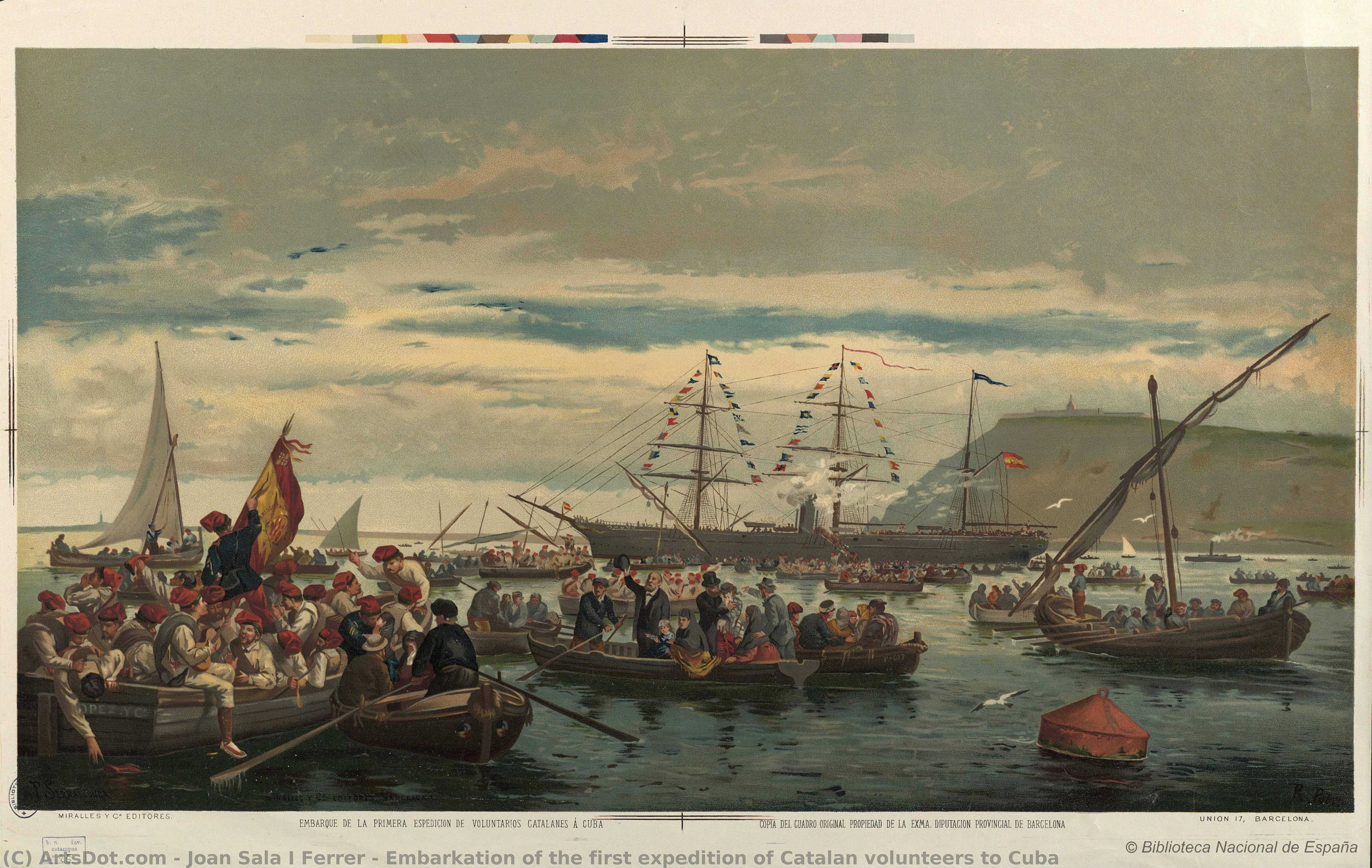
Embarkation of the first expedition of Catalan volunteers to Cuba

 Pročitaj više
Giclee štampa / Umetnički otisak
Giclée štampa ili print na platnu muzejskog kvaliteta uz brzu proizvodnju i fleksibilne opcije završne obrade. ( Kupi ručno naslikanu sliku Kupi digitalnu sliku)




































Izaberite jednu od naših unapred definisanih veličina koje odgovaraju originalnim proporcijama umetničkog dela.

Možete uneti sopstvene dimenzije kako biste umetničko delo prilagodili specifičnom okviru ili prostoru. Ako odabrani format ne odgovara proporcijama originalne slike, mi ćemo ili iscrtati deo dela ili proširiti sliku pomoću ogledane ivice ili jednobojnog popunjavanja. Digitalni prikaz će vam biti poslat na odobrenje pre početka proizvodnje.
Imajte na umu da pregled na ekranu ne odražava stvarno iscrtavanje ili proširivanje. Samo će prikaz (mockup) precizno pokazati finalnu kompoziciju.
Iako su prilagođene dimenzije dostupne, preporučujemo da odaberete dimenziju sa unapred definisane liste kako biste očuvali originalne proporcije.
Dostava širom sveta () za 2 nedelje umesto uobičajenih 4/5 nedelja. (3 септембар)

Besplatna ekspresna dostava širom sveta

Visokokvalitetno laneno platno

Kompletno osiguranje transporta

Garancija povraćaja carine i uvoznih dažbina

Garancija vernosti boja

Politika povrata u roku od 60 dana (samo u slučaju nedostataka)

Garancija povrata novca od 100%

Popust pri grupnoj kupovini
 Opcija sa staklom dostupna je samo za dimenzije manje od 110 cm

Embarkation of the first expedition of Catalan volunteers to Cuba
Giclee štampa / Umetnički otisak
Dimenzije reprodukcije
-


Konačna cena
$ 62
Srodna umetnička dela










Biografija umetnika
Joan Sala i Ferrer: The Shadow of the Sierra Guillerías
Joan Sala i Ferrer, known as Serrallonga, was more than just a bandit; he embodied Catalan folklore and became an enduring symbol of defiance against oppression during the turbulent 17th century. Born in Vila-rodona, Spain, around 1594, his life unfolded amidst the rugged landscapes of Les Guillerías mountains, shaping him into a legend whispered through generations. Little is known about his early years beyond familial connections and humble beginnings—a stark contrast to the notoriety that would soon define his existence.A Bandit's Rise Amidst Socioeconomic Turmoil
The context of Serrallonga’s life was inextricably linked to the socio-economic hardships plaguing Catalonia at the time. The Habsburg monarchy imposed heavy taxes, exacerbating poverty and fueling discontent amongst rural communities. This environment fostered an atmosphere ripe for rebellion, providing fertile ground for individuals like Sala to exploit vulnerabilities and amass considerable wealth through daring raids—primarily targeting estates and monasteries. His exploits captivated the imagination of locals who saw him as a champion against injustice.The Legend Takes Shape: Skillful Robbery and Mythical Tales
Serrallonga’s reputation grew exponentially thanks to his remarkable ability to evade capture by authorities, cementing his status as “the last bandit” in Catalonia. Accounts describe him as possessing exceptional agility and cunning—traits that allowed him to navigate treacherous terrain and outsmart pursuers with ease. Beyond mere criminality, Serrallonga's actions fueled the creation of elaborate myths and tales passed down orally, portraying him as a charismatic leader who rallied followers and instilled a spirit of resistance. These narratives embellished his exploits, transforming him into a figure akin to Robin Hood—a rebellious hero admired for his defiance of authority and generosity towards the oppressed.Notable Achievements & Artistic Legacy
While Serrallonga’s life was tragically cut short in Barcelona in 1634 following an arrest attempt, his legacy endured beyond the confines of legal records. He became a celebrated subject in Catalan literature and art—particularly during the Romantic era—where he served as inspiration for poets and painters alike. Artists sought to capture the essence of Serrallonga’s rebellious spirit and portray him as a symbol of Catalan identity. His image appeared prominently on canvases depicting dramatic landscapes and heroic figures, reflecting the artistic sensibilities of the time.Influence & Historical Significance
Joan Sala i Ferrer's story transcends mere biographical details; it encapsulates the anxieties and aspirations of Catalonia during its formative years. He represents a potent emblem of rural defiance against centralized power—a narrative that resonated deeply with Catalan nationalism in subsequent centuries. Serrallonga’s legend continues to inspire artistic interpretations today, demonstrating the enduring fascination with figures who embody courage, autonomy, and resistance—elements that remain central to Catalan cultural heritage. His tale serves as a reminder of Catalonia's turbulent past and its unwavering commitment to preserving its traditions and folklore.
joan sala i ferrer
1594 - 1634 , Spain
Osnovne informacije
- Artistic Movement Or Style: Romanticism
- Artists Or Movements Influenced By This Artist: ['Romanticism']
- Artists Who Influenced This Artist: ['Francisco Ribalta']
- Date Of Birth: April 1594
- Date Of Death: 1634
- Full Name: Joan Sala i Ferrer
- Nationality: Catalan
- Notable Artworks: ['The Sierra de las Guillerías']
- Place Of Birth: Vila-rodona, Spain

