

 Pregledaj u prostoru
 Pošalji
 Podeli
 Detalji o delu

 Преузми
 Slični predmeti
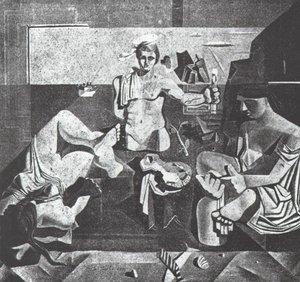
 Rendgenski snimak
 Slajdovi
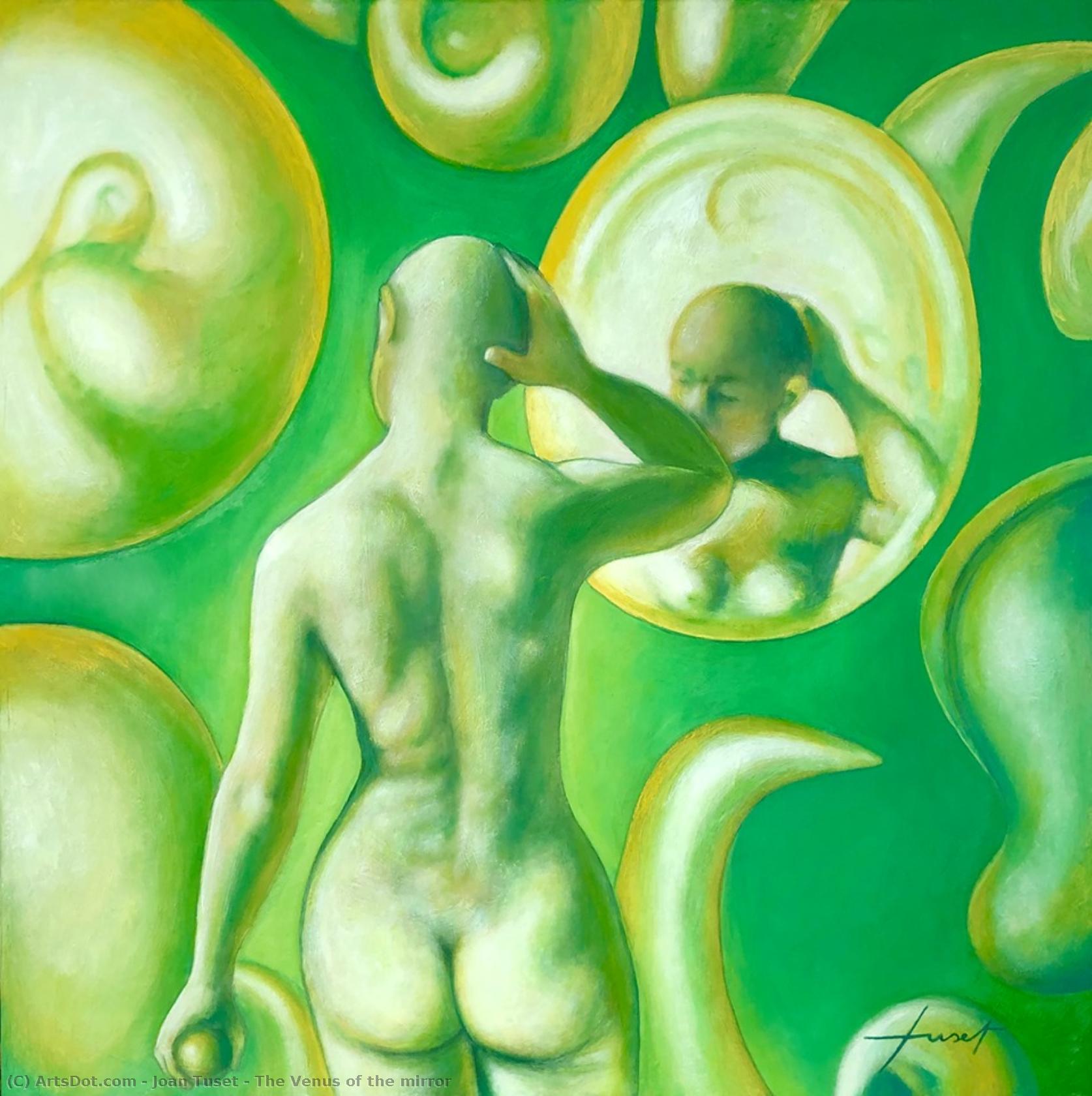
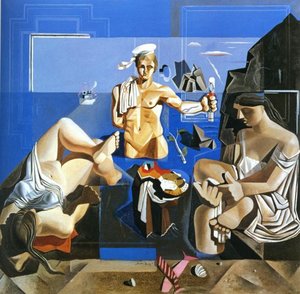
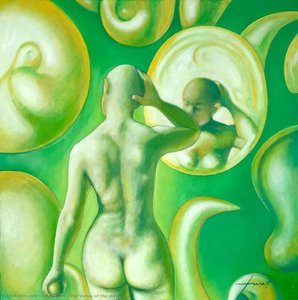
The Venus of the mirror
 Neo Figurative Art
 2019
2019 50.0 x 50.0 cm
 Pročitaj više
Kupite digitalnu sliku visoke rezolucije i poboljšanog kvaliteta, koja je znatno superiornija od onoga što vidite u online prikazu.
Svaka datoteka je pedantno pripremljena od strane naših stručnjaka koristeći napredne alate i profesionalnu ručnu retušu. Osiguravamo da svaka slika ima izuzetnu oštrinu, preciznu reprodukciju boja i fine detalje.
Konačna datoteka se dostavlja putem e-pošte u roku od 72 sata, optimizovana za neposrednu upotrebu u profesionalnim, izdavačkim i štamparskim okruženjima. To je isti kvalitet kojem veruju vrhunski studiji dizajna, izdavači i galerije.
Digitalna slika
Preuzmite datoteku visoke rezolucije za ličnu upotrebu, štampanje i kreativne projekte. ( Kupi print Kupi ručno naslikanu sliku)
Uključeno uz svaku porudžbinu digitalne slike
Profesionalna digitalna isporuka, zagarantovana
Kada odaberete ArtsDot.com, ne dobijate samo sliku – vi primate profesionalno unapređeno digitalno umetničko delo, izrađeno sa najvećom preciznošću i uz garanciju zadovoljstva. Evo svega što automatski dolazi uz vašu porudžbinu:

Brza dostava putem e-pošte
Vaša digitalna slika visoke rezolucije biće vam poslata putem e-pošte u roku od 72 sata od poručivanja – spremna za trenutnu upotrebu.

Digitalna datoteka unapređena veštačkom inteligencijom
Vaše umetničko delo je profesionalno optimizovano korišćenjem naprednih AI alata i ručne obrade, čime se osiguravaju maksimalni detalji, oštrina i preciznost boja.

Besplatna ponovna isporuka doživotno
Slučajno ste obrisali ili izgubili svoju datoteku? Ne brinite – poslaćemo vam je ponovo u bilo kom trenutku, potpuno besplatno.

Bez troškova uvoza – zauvek
Uživajte u svojim umetničkim delima trenutno, bez carine, dažbina ili troškova dostave – digitalni download je uvek bez poreza.

Garancija vernosti boja
Uz pomoć profesionalnih alata i upravljanja bojama, osiguravamo da vaša digitalna slika što vernije odražava originalne boje.

Garancija zadovoljstva u roku od 100 dana
Ako niste zadovoljni svojom digitalnom slikom, revidirat ćemo je ili vratiti 100% novca u roku od 100 dana – bez ikakvih pitanja.

100% garancija povrata novca
Niste zadovoljni? Obezbedite pun povrat novca u roku od 100 dana od trenutka kada ste primili svoju digitalnu datoteku – bez suvišnih pitanja.

Popusti na velike porudžbine
Kupite 3 slike, uštedite 10% - Kupite 5 slika, uštedite 15% - Kupite 10+ slika, uštedite 20%. Odlično za kreativne projekte, galerije i agencije.
Srodna umetnička dela


Biografija umetnika
Early Life and Formation
Joan Tuset i Suau, born December 19, 1957, in the Catalan town of l'Arboç, Tarragona, embarked on a journey into the world of art that would seamlessly blend classical rigor with avant-garde sensibilities. His formative years were steeped in artistic training, initially at the Schools of Fine Arts in Tarragona and later in Barcelona. These foundational studies provided him with a robust technical base—a mastery of form and composition that would become a hallmark of his style. However, Tuset’s early exploration wasn't confined to academic exercises; even then, a desire for expressive freedom and a unique artistic voice was evident.
The 1980s proved pivotal as Tuset ventured beyond the borders of Spain, taking up residency in Canada. This six-year period in Montreal became a crucible where his talent truly began to coalesce. He exhibited extensively within the city’s vibrant art scene, securing representation at prestigious galleries like Edimage, J. Yahouda Meir, and Cultard. These early exhibitions weren't merely displays of skill; they were declarations of an emerging artist grappling with new perspectives and forging a distinct path.
International Exposure and Stylistic Evolution
Tuset’s time in North America culminated in significant milestones—participation at the School of the Art Institute of Chicago and, crucially, his presence at the renowned FIAC 87 art fair held at the Grand Palais in Paris. This exposure to a wider international audience was transformative. It wasn't simply about showcasing his work; it was about engaging with the currents of contemporary art on a global scale. The experience catalyzed a shift in his artistic approach, moving him towards a figurative style that would become synonymous with his name.
In 1989, Tuset relocated to Paris, establishing a deeper connection with the European art world through collaboration with Galerie Vision Quai. This period marked a turning point—a conscious effort to synthesize the values of classicism he’d diligently studied with the expressive freedom championed by the avant-garde. His work began to exhibit a distinctive voice, characterized by a rigorous fidelity to the human figure yet imbued with subtle distortion and emotional depth. Returning to Catalonia in later years, Tuset established his studio between L'Arboç and Barcelona, solidifying his presence both nationally and internationally.
Themes and Techniques
At the heart of Joan Tuset’s artistic universe lies a profound fascination with the human figure—not merely as an anatomical subject but as a vessel for emotional states, symbolic narratives, and existential questioning. His paintings are populated by characters often situated within allegorical spaces, inviting viewers to contemplate realities beyond the superficial. The artist doesn't seek to replicate life; he aims to reveal its hidden layers, its unspoken yearnings, and its inherent contradictions.
Tuset’s technical prowess is equally compelling. He demonstrates a masterful command of both drawing and color, employing a bright palette that enhances the dramatic force of his compositions. His approach isn't about meticulous detail but about capturing essence—the fleeting gestures, subtle expressions, and underlying tensions that define the human condition. Alongside painting, sculpture has always been an integral part of Tuset’s practice, showcasing versatility in materials like terracotta, plaster, and bronze. From small-scale works to monumental public sculptures—such as the iconic Monument to the Lacemaker of l'Arboç (2005)—he exhibits a remarkable ability to translate his vision into three dimensions.
Legacy and Historical Significance
Joan Tuset’s work occupies a unique space within contemporary art. He doesn’t adhere rigidly to any single school or movement; instead, he synthesizes diverse influences—classical academicism, the expressive power of the avant-garde, and a deeply personal exploration of human emotion. His paintings and sculptures are not simply objects of aesthetic beauty; they are invitations to introspection, prompting viewers to confront their own vulnerabilities and question the nature of reality.
Critics have often noted the duality inherent in Tuset’s work—the harmonious coexistence of rigor and distortion, tradition and innovation. As critic Josep Maria Cadena points out, his interest in the human figure transcends mere formal mimesis to become a vehicle for emotional honesty. This ability to imbue form with meaning, to create works that are both visually captivating and intellectually stimulating, has cemented Tuset’s position as a significant voice in contemporary Catalan art and beyond. His ongoing exploration of the human condition continues to resonate with audiences worldwide, ensuring his legacy as an artist who dares to disrupt the normality of facts and things.
Kratke činjenice
- Artistic Movement Or Style: Figurative, Classicism & Vanguard
- Date Of Birth: December 19, 1957
- Full Name: Joan Tuset i Suau
- Nationality: Catalan/Spanish
- Notable Artworks:
- Cupid Asleep
- The Abduction of Europa
- Place Of Birth: L'Arboç, Spain