

 Pregledaj u prostoru
 Pošalji
 Podeli
 Detalji o delu

 Преузми
 Slični predmeti
 Rendgenski snimak
 Slajdovi
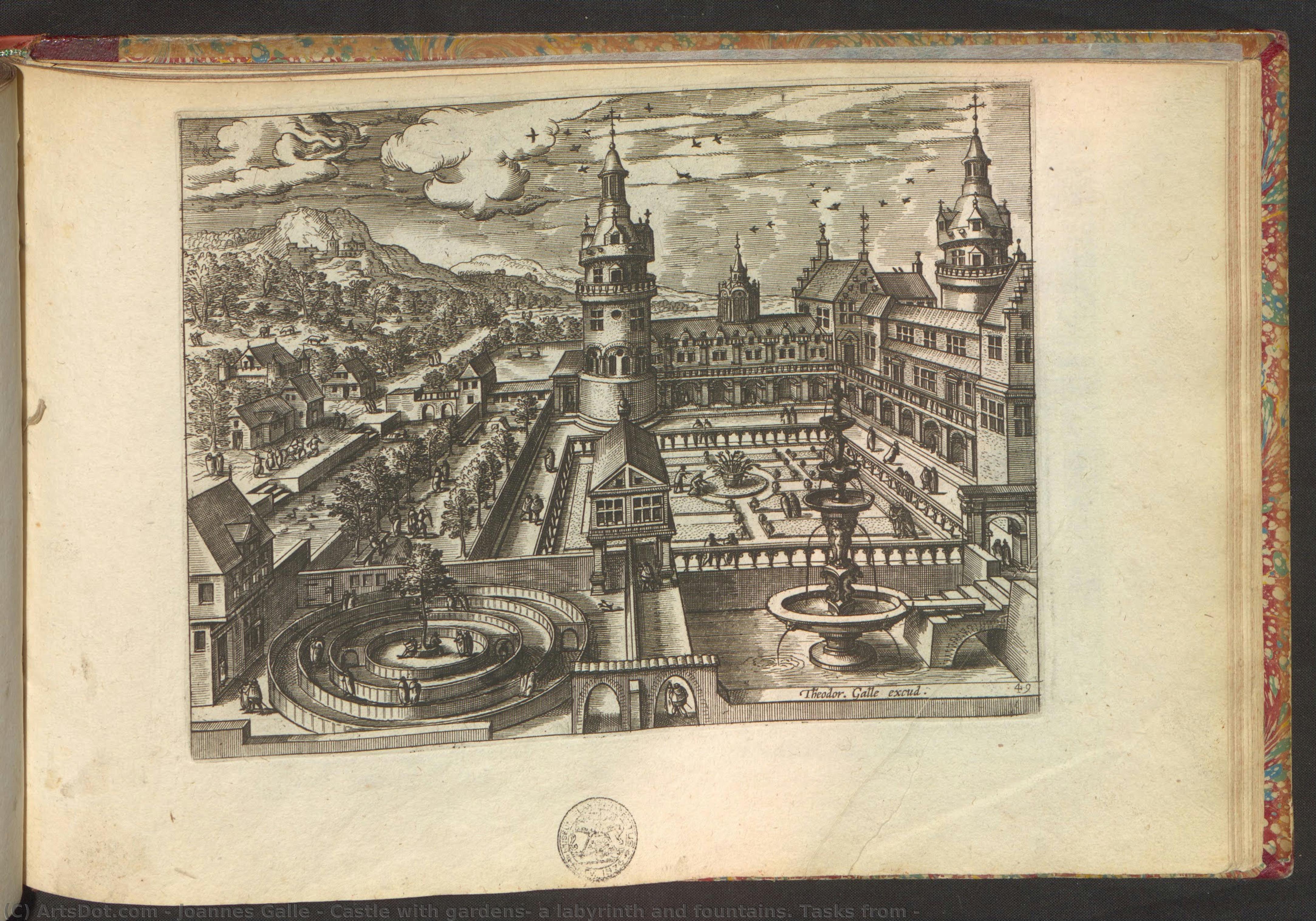
Castle with gardens, a labyrinth and fountains. Tasks from


 Pročitaj više
Ručno rađena uljana reprodukcija
Ručno oslikano uljanim bojama na platnu u dimenzijama i okviru po vašem izboru, izrađeno po porudžbini od strane naših umetnika. ( Kupi print Kupi digitalnu sliku)




































Izaberite jednu od naših unapred definisanih veličina koje odgovaraju originalnim proporcijama umetničkog dela.

Можете унети сопствене димензије како бисте прилагодили дело одређеном оквиру или простору. Ако одабрана величина не одговара пропорцијама оригинала, слика ће бити исечена или проширена додатним елементима који се ручно насликавају. Дигитални prikaz ће вам бити послат на одобрење пре почетка производње.
Имајте на уму да преглед на екрану не одражава стварно исецање или проширење. Само приказ (mockup) ће тачно приказати коначну композицију.
Иако су доступне прилагођене величине, препоручујемо да одаберете димензију из дефинисане листе како бисте сачували оригиналне пропорције.
Nakon narudžbine, tim ArtsDot.com će klijentu putem e-pošte poslati uputstva i dostaviti prikaz predloženog rešenja
Isporuka širom sveta () za 3/4 nedelje umesto uobičajenih 5 nedelja. (29 август). Bez kompromisa po pitanju kvaliteta.

Besplatna ekspresna dostava širom sveta

Visokokvalitetno laneno platno

Kompletno osiguranje transporta

Garancija povraćaja carine i uvoznih dažbina

Garancija vernosti boja

Politika povrata u roku od 60 dana (samo u slučaju nedostataka)

Garancija povrata novca od 100%

Popust pri grupnoj kupovini
 Opcija sa staklom dostupna je samo za dimenzije manje od 110 cm

Castle with gardens, a labyrinth and fountains. Tasks from
Tehnika reprodukcije
Dimenzije reprodukcije
-


Konačna cena
$ 263
A Window into the Baroque Grandeur
In the delicate, monochromatic lines of Joannes Galle’s 1640 etching, Castle with gardens, a labyrinth and fountains, we are transported to an era of architectural splendor and meticulously manicured nature. This masterful print serves as more than just a topographical record; it is a window into the soul of the Flemish Baroque period. The scene unfolds with a breathtaking sense of scale, where the imposing silhouette of a castle dominates the horizon, its intricate masonry suggesting a world of power, stability, and enduring legacy. Through Galle’s expert use of etching, the viewer is invited to wander through a landscape that balances the structured geometry of human design with the fluid vitality of life.
The composition is a masterclass in depth and perspective. As the eye travels across the estate, it encounters the rhythmic beauty of fountains that dance amidst the greenery, their presence adding a sense of movement to the otherwise still atmosphere. The labyrinth, a symbol of both intellectual complexity and the journey of life, winds through the gardens, offering a visual metaphor for the mysteries hidden within the grandeur of the aristocracy. Scattered throughout this sprawling estate are tiny, spirited figures—people engaged in the quiet rhythms of daily existence, whether strolling near the water or tending to the grounds. These small details breathe life into the etching, transforming a structural study into a living, breathing narrative of a bygone age.
The Mastery of the Flemish Line
Joannes Galle, a scion of the illustrious Antwerp printmaking tradition, utilizes the etching technique to achieve a level of detail that is nothing short of extraordinary. Every stroke of his needle carries weight and intention, creating a rich tapestry of textures—from the rugged stone of the castle walls to the soft, ephemeral spray of the fountains. The absence of color allows the viewer to focus entirely on the interplay of light and shadow, or chiaroscuro, which lends the piece its profound emotional depth. This monochromatic palette emphasizes the structural integrity of the architecture while imbuing the gardens with a dreamlike, almost nostalgic quality.
For the discerning collector or interior designer, this artwork offers a timeless elegance that transcends modern trends. The etching’s ability to evoke a sense of serene movement and historical weight makes it an ideal centerpiece for a sophisticated study, a classic library, or a grand hallway. As a high-quality reproduction, this piece brings the intellectual rigor of 17th-century Flemish art into the contemporary home, providing a focal point that invites contemplation and conversation. It is not merely a decoration; it is an invitation to step back in time and experience the quiet majesty of a world where every garden path and fountain held a story of its own.
Srodna umetnička dela

Biografija umetnika
The Master of the Flemish Line: The Life and Legacy of Joannes Galle
In the vibrant, bustling heart of seventeenth-century Antwerp, a period defined by unparalleled artistic flourishing, the name Joannes Galle resonated as a symbol of technical precision and Baroque grandeur. Born in 1600 into a lineage deeply embedded in the prestigious printmaking traditions of Flanders, Galle was more than just an engraver; he was a custodian of a visual language that sought to capture both the divine and the earthly with equal fervor. As the son and devoted pupil of the renowned Theodoor Galle, his early years were shaped by the rigorous discipline of the workshop, where the rhythmic scratch of the burin against copper became the soundtrack to his artistic awakening. This apprenticeship did not merely impart the mechanics of etching and engraving but also provided him with a profound understanding of the commercial and intellectual currents that drove the Antwerp art market.
Galle’s artistic development was characterized by an extraordinary ability to synthesize the influences of his predecessors into a style that was uniquely his own. He drew deep inspiration from the dramatic chiaroscuro and psychological intensity found in the works of Hendrick Goltzius, as well as the narrative complexity of Maerten de Vos. His mastery lay in his capacity to translate these grander painterly visions into the delicate, monochromatic realm of print. Through painstaking hatching and meticulous shading, he breathed life into static metal, creating textures that ranged from the rugged, weathered stone of architectural ruins to the soft, ephemeral spray of a garden fountain. His work often functioned as a window into a meticulously constructed world, where illusionistic perspective invited the viewer to step beyond the frame and wander through landscapes of both immense scale and intimate detail.
Narrative Depth and Symbolic Grandeur
The breadth of Galle’s subject matter reflects the multifaceted intellectual landscape of the Flemish Baroque. His oeuvre is a tapestry woven from biblical narratives, mythological allegories, and topographical studies, each plate serving as a meditation on the human condition. In his engravings based on the works of Pieter Bruegel the Elder, such as The fat Cook and the thin Cook, Galle captured the earthy, often satirical vitality of Flemish life, blending humor with a keen observation of social types. Conversely, his religious plates, including depictions of the Old Testament History or Christ surrounded by the Instruments of His Passion, utilized the dramatic tension of the era to evoke profound spiritual contemplation. In these works, the interplay of light and shadow does not merely define form; it serves a symbolic purpose, illuminating the divine presence amidst the darkness of mortal struggle.
Beyond the purely religious or mythological, Galle possessed a remarkable talent for capturing the architectural and natural splendor of his era. His 1640 etching, Castle with gardens, a labyrinth and fountains, stands as a testament to his ability to render the structured geometry of human design alongside the fluid vitality of nature. In this piece, the labyrinth serves as a poignant metaphor for the complexities of life, while the imposing silhouette of the castle suggests a sense of enduring legacy and power. Through these works, Galle achieved a level of atmospheric depth that transformed simple topographical records into immersive, living narratives, allowing his audience to experience the theatricality and grandeur that defined the seventeenth-century Flemish soul.
A Lasting Impression on the Printmaking Tradition
The historical significance of Joannes Galle extends far beyond the individual beauty of his prints. As a pivotal figure in the Antwerp artistic landscape, he acted as a vital link in the chain of Flemish printmaking, bridging the gap between the late Renaissance masters and the subsequent generations of engravers who would carry the Baroque torch across Europe. His dedication to the craft ensured that the technical innovations of his father’s generation were preserved and refined, contributing to the enduring reputation of Antwerp as a global center for high-quality print production. His ability to navigate the commercial realities of the trade while maintaining an uncompromising commitment to artistic excellence allowed his work to reach a wide audience, from scholarly collectors to the burgeoning middle class.
Ultimately, the legacy of Joannes Galle is found in the enduring power of his line. Even centuries after his death in 1676, his engravings continue to captivate viewers with their remarkable clarity and emotional resonance. He remains a master of the fine detail, an artist who understood that within the smallest stroke of a needle lay the potential to evoke entire worlds. His life’s work stands as a monumental achievement of the Flemish Baroque, a testament to a period when art, intellect, and technical mastery converged to create some of the most enduring visual legacies in Western history.
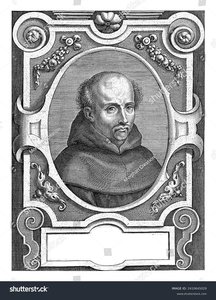
joannes galle
1600 - 1676 , Belgium
Osnovne informacije
- Artistic Movement Or Style: Baroque
- Artists Who Influenced This Artist:
- Marten de Vos
- Hendrick Goltzius
- Pieter Brueghel the Elder
- Date Of Birth: 1600 Antwerp Belgium
- Date Of Death: 1676 Antwerp Belgium
- Full Name: Joannes Galle
- Nationality: Flemish
- Notable Artworks:
- The Wise and Foolish Virgins
- Twelve Plates of Old Testament History
- Christ Surrounded by the Instruments of His Passion
- The Fat Cook and the Thin Cook
- Lubricitas Vitae Humanae
- Judith Giving the Head of Holofernes
- Place Of Birth: Antwerp Belgium
Povezani članci
Etching Masters: 10 Legendary Prints That Revolutionized Art | ArtsDot
Journey through 10 legendary etching masterpieces by Rembrandt, Dürer & Goya. Explore the history of printmaking and discover timeless art for your home. Find museum-quality reproductions at ArtsDot.com.
Etching: A Historical Survey of Technique, Aesthetic Qualities & Enduring Artistic Significance
Explore the rich history of etching, from its origins to Rembrandt's masterful innovations. Discover the technique, aesthetic qualities & enduring legacy of this captivating art form. Expert insights for collectors and enthusiasts.
Cultivating Paradise: A Historical & Artistic Exploration of Gardens in Painting
Explore the rich history of gardens in painting! Discover masterpieces from Renaissance to Impressionism & beyond. Learn about symbolism, artists like Monet & Klimt, and find your perfect artwork at ArtsDot.
The Intricate World of Etching: A Historical Survey of Technique, Aesthetic Evolution, and Enduring Artistic Impact
Explore the rich history of etching, from its origins to modern practice. Discover techniques, key artists like Rembrandt, and insights for collectors. A comprehensive guide by ArtsDot.

Барокна драма: Уношење величине и емоција у савремене ентеријере
Откријте барокну драму и унесите величину у ваш ентеријер! ArtsDot нуди ручно насликане репродукције, персонализоване портрете и стручне консултације за љубитеље класичне уметности. Потражите савршено дело већ данас!

