

 Pregledaj u prostoru
 Pošalji
 Podeli
 Detalji o delu

 Преузми
 Slični predmeti
 Rendgenski snimak
 Slajdovi
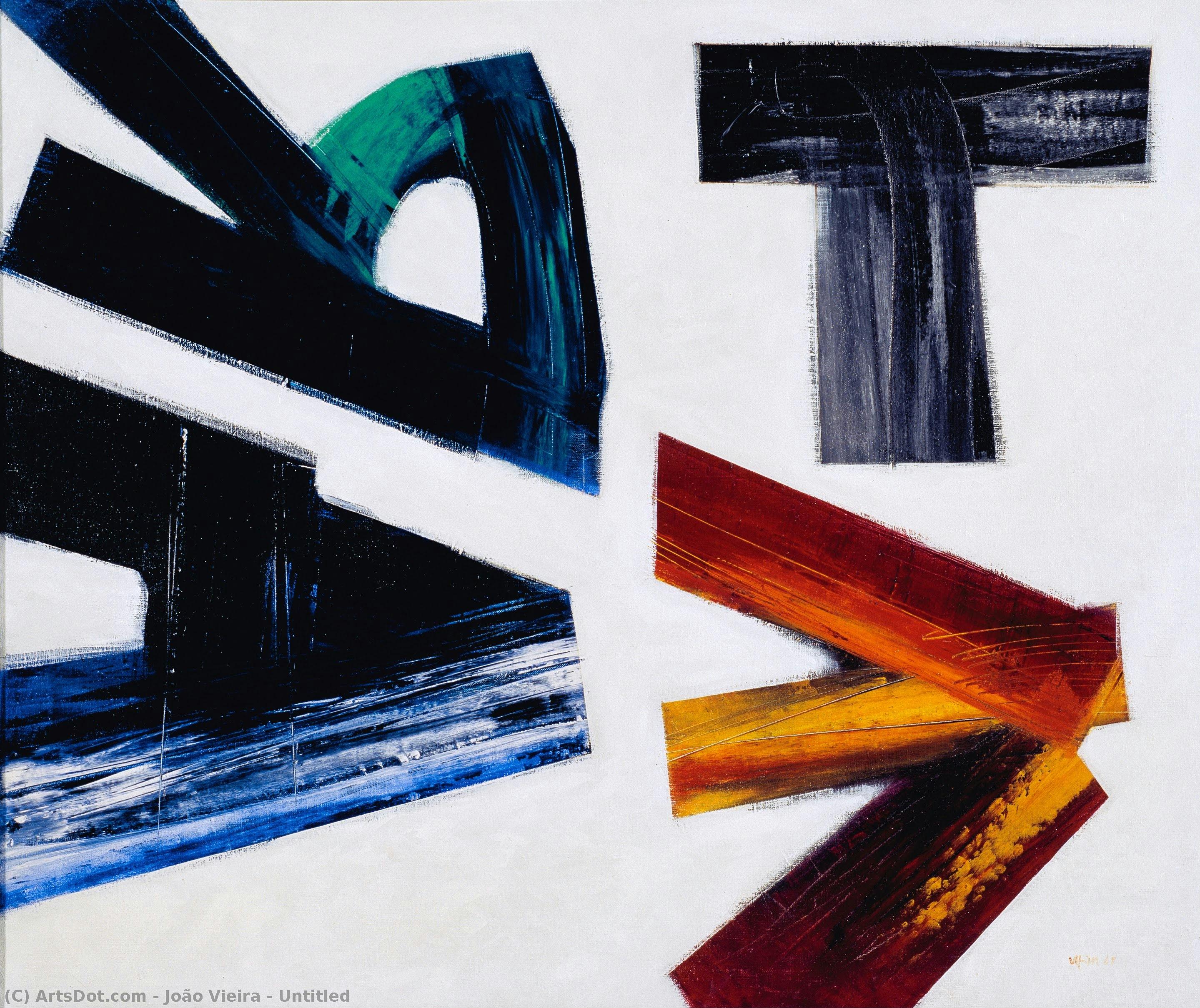
Untitled
 Abstract Expressionism
 1969
1969 100.0 x 120.0 cm
 Culturgest - Fundação Caixa Geral de Depósitos
 Pročitaj više
Giclee štampa / Umetnički otisak
Giclée štampa ili print na platnu muzejskog kvaliteta uz brzu proizvodnju i fleksibilne opcije završne obrade. ( Kupi ručno naslikanu sliku Kupi digitalnu sliku)




































Izaberite jednu od naših unapred definisanih veličina koje odgovaraju originalnim proporcijama umetničkog dela.

Možete uneti sopstvene dimenzije kako biste umetničko delo prilagodili specifičnom okviru ili prostoru. Ako odabrani format ne odgovara proporcijama originalne slike, mi ćemo ili iscrtati deo dela ili proširiti sliku pomoću ogledane ivice ili jednobojnog popunjavanja. Digitalni prikaz će vam biti poslat na odobrenje pre početka proizvodnje.
Imajte na umu da pregled na ekranu ne odražava stvarno iscrtavanje ili proširivanje. Samo će prikaz (mockup) precizno pokazati finalnu kompoziciju.
Iako su prilagođene dimenzije dostupne, preporučujemo da odaberete dimenziju sa unapred definisane liste kako biste očuvali originalne proporcije.
Dostava širom sveta () za 2 nedelje umesto uobičajenih 4/5 nedelja. (7 септембар)

Besplatna ekspresna dostava širom sveta

Visokokvalitetno laneno platno

Kompletno osiguranje transporta

Garancija povraćaja carine i uvoznih dažbina

Garancija vernosti boja

Politika povrata u roku od 100 dana (samo u slučaju nedostataka)

Garancija povrata novca od 100%

Popust pri grupnoj kupovini
 Opcija sa staklom dostupna je samo za dimenzije manje od 110 cm

Untitled
Giclee štampa / Umetnički otisak
Dimenzije reprodukcije
-


Konačna cena
$ 62
Srodna umetnička dela
Biografija umetnika
João Vieira: A Painter of Inversion and Erotic Poetry
João Vieira (1934-2009) remains a profoundly enigmatic figure in Portuguese art, an artist whose work defies easy categorization yet consistently pulsates with a raw, visceral energy. Born in Vidago, Portugal, in 1934, his life was marked by a restless exploration of artistic mediums and philosophical concepts, culminating in a unique visual language that blended Lettrism, abstraction, and a deeply personal engagement with the world. Vieira’s trajectory wasn't one of conventional academic training; instead, he forged his path through experimentation, political activism, and a relentless pursuit of challenging established artistic norms. His career spanned six decades, encompassing painting, sculpture, performance art, and literary illustration, each medium serving as a vehicle for exploring themes of inversion, eroticism, and the very nature of perception.Early Years and the Rise of Grupo do Café Gelo
Vieira’s artistic awakening occurred in the mid-1950s, coinciding with the burgeoning Lettrist movement in Europe. This avant-garde group, centered around Tristan Tzara and Georges Bataille, sought to liberate language from its traditional constraints, using it as a primary tool for artistic expression. Inspired by this radical approach, Vieira joined forces with other young artists in Lisbon to form Grupo do Café Gelo (The Ice Café Group) in 1956. This collective, operating out of a modest café above the city’s main square, became a crucible for experimentation and political dissent. The group's name itself – “Gelo” (Ice) – alluded to their desire to break through the frozen conventions of established art and culture. Within Grupo do Café Gelo, Vieira began to develop his distinctive style, characterized by bold colors, gestural brushwork, and a deliberate manipulation of language and typography. His early works, such as “Amor à Italiana” (1969), exemplify this period, employing layered color fields and fragmented letters to create visually arresting compositions that explored themes of inversion and eroticism – concepts he would continually revisit throughout his career.The Influence of Paris and the KWY Group
In 1958, Vieira relocated to Paris, a pivotal moment in his artistic development. The city’s vibrant art scene offered him access to a wider range of influences and techniques. He studied at Henri Goetz's renowned drawing school, absorbing the lessons of artists like Dubuffet, whose use of raw materials and gestural painting profoundly impacted Vieira’s approach. Crucially, he also encountered members of the Spanish Lettrist group *El Paso*, further expanding his artistic vocabulary. However, it was the formation of the KWY Group (Kwy Yndo – “Kwy Indo”) in 1958 that truly defined his Parisian period. This collective, comprised of Vieira himself, Lourdes Castro, Christo, and Jan Voss, pushed the boundaries of experimental art, creating installations, performances, and literary illustrations that challenged conventional notions of artistic creation. The KWY Group’s work was characterized by a playful disregard for established rules, embracing chance, improvisation, and a radical redefinition of the artist's role.Return to Portugal and the Exploration of Spatiality
Returning to Lisbon in 1964, Vieira continued his exploration of spatiality and materiality, moving beyond the purely visual realm. He began incorporating unconventional materials – rigid polyurethane, flexible foams, and car paint – into his work, creating assemblages and environments that engaged with the viewer on a more visceral level. His 1969 painting “Untitled” is a prime example of this shift, featuring bold letters arranged in dynamic forms that evoke a sense of disorientation and intrigue. This period also saw Vieira’s involvement in theatre as a set designer and director, further blurring the boundaries between art forms. He viewed these diverse activities not as separate disciplines but as interconnected explorations of human experience.Legacy and Historical Significance
João Vieira's legacy is one of profound originality and artistic courage. He was a key figure in the Portuguese Lettrist movement, pushing the boundaries of art and challenging established conventions. His work remains remarkably relevant today, offering a powerful commentary on themes of identity, language, and perception. Despite his relative obscurity during much of his career, Vieira’s influence can be seen in the work of numerous contemporary artists who continue to explore experimental approaches to visual communication. His exploration of inversion and eroticism, often intertwined with political critique, provides a unique lens through which to understand the complexities of the human condition. João Vieira died in Lisbon in 2009, leaving behind a body of work that continues to provoke, challenge, and inspire. His paintings are now housed in major museums across Portugal and beyond, ensuring that his singular vision will continue to resonate with audiences for generations to come.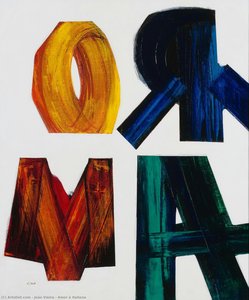
joão vieira
Portugal
Osnovne informacije
- Artistic Movement Or Style: Lettrism
- Artists Or Movements Influenced By This Artist: ['KWY Group']
- Artists Who Influenced This Artist: ['Dubuffet']
- Date Of Birth: October 4, 1934
- Date Of Death: September 15, 2009
- Full Name: João Rodrigues Vieira
- Nationality: Portuguese
- Notable Artworks:
- Amor à Italiana
- Untitled
- Place Of Birth: Vidago, Portugal
Povezani članci
Abstraktni Ekspresionizam: 10 Remek Dela Koja Su Definisala Pokret
Otkrijte 10 remek dela koja su definisala apstraktni ekspresionizam! Istražite dela Pola Krausa, Džejson Poloka i drugih. Saznajte priče iza umetnosti i inspirisanje za dekoraciju doma. Eksplorirajte kolekciju na ArtsDot.com!
Kandinsky's Masterpieces: 25 Paintings That Define Abstract Art | ArtsDot
Journey through Wassily Kandinsky's 25 most iconic abstract paintings. Explore his revolutionary use of color, form & spiritual expressionism. Find museum-quality Kandinsky reproductions and elevate your home decor with ArtsDot.com. Discover all masterpieces on ArtsDot.com!

Top 10 dela geometrijske apstrakcije koje morate videti | ArtsDot.com
Istražite 10 remek-dela geometrijske apstrakcije – Mondrian, Malevič i Kandinski. Otkrijte priče iza ovih ikoničnih slika i pronađite inspiraciju za dekoraciju enterijera sa ArtsDot.com! Reprodukcije vrhunskog kvaliteta.
Beyond Representation: Exploring the Emotional Landscape of Abstract Expressionism
Explore the profound emotional world of Abstract Expressionism with ArtsDot. Discover key artists like Pollock & Rothko, learn about collecting, and find museum-quality reproductions to inspire your space.
Navigating Abstract Expression: A Guide to Contemporary Movements for Emotional Resonance in Art Selection
Explore the evolution of Abstract Expressionism & discover contemporary movements for emotional resonance. Expert guidance for discerning art collectors seeking lasting value. ArtsDot.