

 Pregledaj u prostoru
 Pošalji
 Podeli
 Detalji o delu

 Преузми
 Slični predmeti
 Rendgenski snimak
 Slajdovi
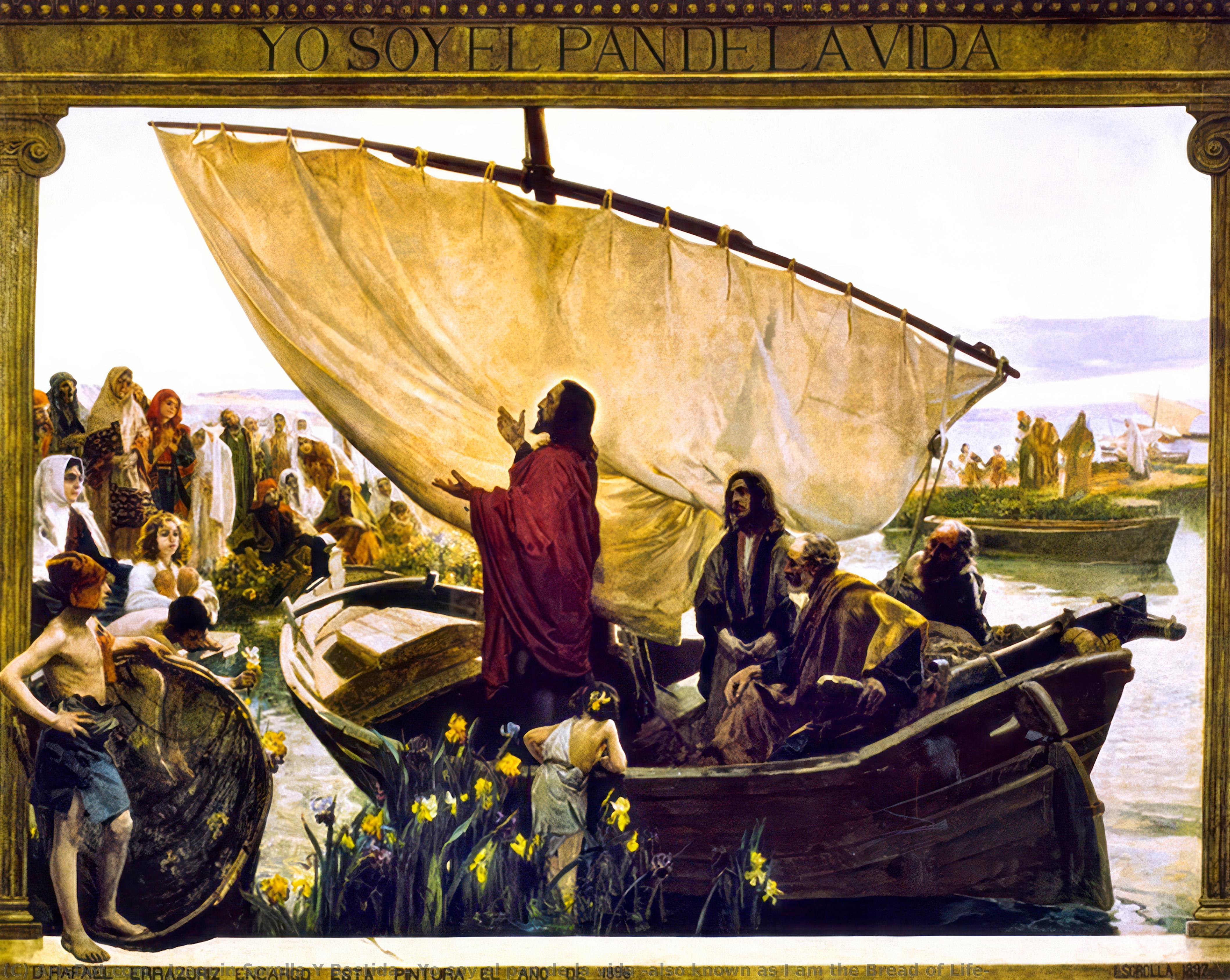
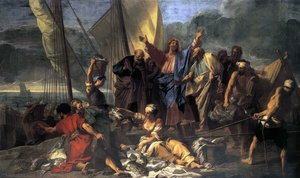
Yo soy el pan de la vida (also known as I am the Bread of Life)
 Oil On Canvas
- WallArt
- Mannerism (Late Renaissance)
 1897
1897 415.0 x 533.0 cm
 Pročitaj više
Kupite digitalnu sliku visoke rezolucije i poboljšanog kvaliteta, koja je znatno superiornija od onoga što vidite u online prikazu.
Svaka datoteka je pedantno pripremljena od strane naših stručnjaka koristeći napredne alate i profesionalnu ručnu retušu. Osiguravamo da svaka slika ima izuzetnu oštrinu, preciznu reprodukciju boja i fine detalje.
Konačna datoteka se dostavlja putem e-pošte u roku od 72 sata, optimizovana za neposrednu upotrebu u profesionalnim, izdavačkim i štamparskim okruženjima. To je isti kvalitet kojem veruju vrhunski studiji dizajna, izdavači i galerije.
Digitalna slika
Preuzmite datoteku visoke rezolucije za ličnu upotrebu, štampanje i kreativne projekte. ( Kupi print Kupi ručno naslikanu sliku)
Uključeno uz svaku porudžbinu digitalne slike
Profesionalna digitalna isporuka, zagarantovana
Kada odaberete ArtsDot.com, ne dobijate samo sliku – vi primate profesionalno unapređeno digitalno umetničko delo, izrađeno sa najvećom preciznošću i uz garanciju zadovoljstva. Evo svega što automatski dolazi uz vašu porudžbinu:

Brza dostava putem e-pošte
Vaša digitalna slika visoke rezolucije biće vam poslata putem e-pošte u roku od 72 sata od poručivanja – spremna za trenutnu upotrebu.

Digitalna datoteka unapređena veštačkom inteligencijom
Vaše umetničko delo je profesionalno optimizovano korišćenjem naprednih AI alata i ručne obrade, čime se osiguravaju maksimalni detalji, oštrina i preciznost boja.

Besplatna ponovna isporuka doživotno
Slučajno ste obrisali ili izgubili svoju datoteku? Ne brinite – poslaćemo vam je ponovo u bilo kom trenutku, potpuno besplatno.

Bez troškova uvoza – zauvek
Uživajte u svojim umetničkim delima trenutno, bez carine, dažbina ili troškova dostave – digitalni download je uvek bez poreza.

Garancija vernosti boja
Uz pomoć profesionalnih alata i upravljanja bojama, osiguravamo da vaša digitalna slika što vernije odražava originalne boje.

Garancija zadovoljstva u roku od 60 dana
Ako niste zadovoljni svojom digitalnom slikom, revidirat ćemo je ili vratiti 100% novca u roku od 60 dana – bez ikakvih pitanja.

100% garancija povrata novca
Niste zadovoljni? Obezbedite pun povrat novca u roku od 60 dana od trenutka kada ste primili svoju digitalnu datoteku – bez suvišnih pitanja.

Popusti na velike porudžbine
Kupite 3 slike, uštedite 10% - Kupite 5 slika, uštedite 15% - Kupite 10+ slika, uštedite 20%. Odlično za kreativne projekte, galerije i agencije.
Opis kolekcionarskog dela
Subject and Composition of "Yo soy el pan de la vida"
Joaquín Sorolla y Bastida's "Yo soy el pan de la vida," also known as "I am the Bread of Life," is a monumental oil on canvas painting completed in 1897. Measuring an impressive 415 x 533 cm, this artwork depicts a pivotal moment from the New Testament – Jesus Christ addressing a large crowd near the Sea of Galilee. The scene is dynamic and bustling, filled with numerous figures rendered with Sorolla's characteristic vibrancy. Jesus stands prominently, gesturing towards a small boat laden with daffodils, a powerful symbolic representation of spiritual nourishment. Several boats populate the water, and onlookers line the shore, creating a sense of depth and scale. A horizontal band at the top displays the title in bold lettering.
Artistic Style and Technique
"Yo soy el pan de la vida" exemplifies Sorolla's mastery of Spanish Impressionism and Realism. He skillfully captures the effects of sunlight on water and skin, creating a luminous and almost palpable atmosphere. The brushwork is loose and expressive, particularly evident in the depiction of waves and fabric. While rooted in the Mannerism (Late Renaissance) Art Movement, Sorolla departs from its rigid formality, embracing a more naturalistic and emotionally charged approach. The painting showcases his ability to blend observation with artistic interpretation, resulting in a work that feels both realistic and imbued with spiritual significance. The technique is oil on canvas, allowing for rich color blending and subtle gradations of light.
Historical Context and Symbolism
Created during a period of significant religious revival in Spain, "Yo soy el pan de la vida" reflects the era's fascination with biblical narratives. Sorolla’s choice to depict this specific passage—Jesus declaring himself as the “bread of life” (John 6:35)—underscores its central message of spiritual sustenance and salvation. The daffodils within the boat are a key symbolic element, representing nourishment for the soul, mirroring Jesus's words. The crowd signifies humanity seeking guidance and understanding. The painting was initially exhibited at the National Exhibition of Fine Arts in Madrid in 1897, where it garnered considerable attention and praise. It is currently housed in the Museo del Pariarca in Valencia, Spain.
Emotional Impact and Legacy
The emotional impact of "Yo soy el pan de la vida" lies in its ability to convey a sense of awe and reverence. Sorolla’s masterful use of light and color creates an atmosphere of warmth and hope, drawing the viewer into the scene. The painting's scale further amplifies its impact, immersing the audience in the biblical narrative. Sorolla’s work continues to resonate with audiences today, celebrated for its technical brilliance and profound spiritual message. It stands as a testament to his artistic skill and his ability to capture the essence of human faith and experience.
Additional Information
- Artist: Joaquín Sorolla y Bastida
- Birth Year: 1863
- Death Year: 1923
- Medium: Oil on Canvas
- Dimensions: 415 x 533 cm
Srodna umetnička dela

Biografija umetnika
Joaquín Sorolla y Bastida – A Life Bathed in Light
Joaquín Sorolla y Bastida, a name synonymous with the radiant light and vibrant energy of Spain, was more than just a painter; he was a chronicler of his nation’s soul. Born in Valencia in 1863, Sorolla's early life was marked by tragedy. Orphaned at the tender age of two following a cholera epidemic that claimed both parents, young Joaquín and his sister were raised by their maternal aunt and uncle. This early experience with loss perhaps instilled within him a profound appreciation for the fleeting beauty of life – a sentiment that would permeate his art. Though hardship shadowed his beginnings, it did not dim the spark of artistic talent that quickly became apparent. He received initial instruction in Valencia, demonstrating an aptitude that led to studies under established artists like Cayetano Capuz and José Benlliure, eventually culminating in a four-year grant to study in Rome. It was there, amidst the classical grandeur of Italy, that Sorolla began to forge his unique artistic path, absorbing influences while simultaneously developing a style distinctly his own.Early Life and Influences
Joaquín Sorolla’s formative years instilled within him a deep sensitivity to loss – an experience profoundly shaping his artistic vision. Born on February 27, 1863, in Valencia, Spain, he was the eldest child of Joaquín Sorolla Bastida, a tradesman, and Concepción Bastida. Tragically, both parents succumbed to cholera just two years later, leaving him and his sister under the care of their maternal aunt and uncle. This early exposure to sorrow undoubtedly fueled his desire to capture moments of beauty before they vanished—a preoccupation that would become central to his oeuvre. Recognizing his exceptional talent at a young age, Sorolla pursued formal artistic training in Valencia, studying under prominent figures like Cayetano Capuz and José Benlliure. His dedication to mastering technique was further solidified by a scholarship enabling him to embark on a four-year journey of artistic exploration in Rome, Italy—a pivotal moment that exposed him to the stylistic innovations of Impressionism and Luminism. The influence of artists such as Francisco Pradilla Ortiz and Jules Bastien-Lepage proved particularly formative, shaping Sorolla’s approach to composition and color palettes.Rome and Artistic Development
Sorolla's time in Rome marked a decisive turning point in his artistic evolution. He enrolled at the Spanish Academy, immersing himself in the study of classical sculpture and painting—a deliberate effort to absorb the stylistic heritage of antiquity while simultaneously experimenting with new techniques. The atmosphere of the Italian capital fostered an openness to experimentation that would characterize his subsequent work. Sorolla’s fascination with Impressionism was palpable; he meticulously observed the effects of sunlight on surfaces, striving to reproduce its shimmering brilliance and transient nuances. This pursuit of luminosity—a hallmark of Luminism—became a defining element of his artistic style. He diligently copied works by masters like Velázquez and Rembrandt, honing his observational skills and refining his understanding of tonal gradation. Furthermore, Sorolla’s engagement with Parisian art circles exposed him to the avant-garde currents circulating at the time, broadening his artistic horizons and enriching his stylistic repertoire.The Valencian Coast: A Celebration of Light
Sorolla's artistic sensibilities found their most compelling expression in his depictions of the Valencian coast—a landscape he regarded as a source of endless inspiration. Unlike many artists of his era who favored studio settings, Sorolla championed *plein air* painting—working outdoors directly confronted with the challenges and rewards of capturing fleeting light conditions. This commitment to observation resulted in canvases brimming with vitality and immediacy—images infused with the warmth of Mediterranean sunshine and the dynamism of coastal life. His iconic beach scenes—such as Children on the Seashore and Sewing the Sail—are not merely picturesque representations; they are profound meditations on beauty, joy, and the ephemeral nature of existence. Sorolla’s technique—characterized by loose, energetic brushstrokes—was revolutionary for its time. He employed a bold palette dominated by yellows, oranges, and blues—colors he skillfully manipulated to convey the illusion of shimmering light and atmospheric haze. The resulting canvases possess an unparalleled sense of spontaneity and emotional depth—a testament to Sorolla’s mastery of Luminism and his unwavering devotion to capturing the essence of his beloved homeland.Legacy and Recognition
Joaquín Sorolla y Bastida achieved international renown during his lifetime, becoming one of Spain's most celebrated artists. His prolific output encompassed portraits, landscapes, historical narratives, and monumental murals—each infused with a distinctive stylistic signature. He exhibited extensively throughout Europe and the United States, garnering critical acclaim and securing commissions from prominent patrons. Sorolla’s magnum opus, Vision of Spain—a series of fourteen canvases commissioned by Archer Milton Huntington—stands as an enduring monument to his artistic vision and technical prowess. Completed posthumously, these murals captured the spirit of Spain's diverse regional cultures—celebrating its traditions, costumes, and landscapes with breathtaking grandeur. Sorolla’s influence extended far beyond his own era, inspiring generations of artists who embraced Luminism and sought to emulate his masterful technique. Today, Sorolla’s paintings reside in major museums worldwide—including the Museo Sorolla in Madrid—where they continue to captivate audiences with their luminous beauty and emotional resonance—affirming his place as one of Spain's greatest artistic treasures.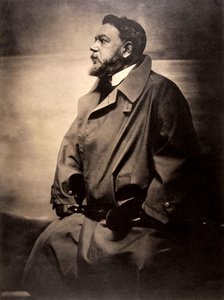
Joaquin Sorolla
1863 - 1923 , Испанија
Kratke činjenice
- Artistic Movement Or Style: Реализам, Луминизм, Импрессионизм
- Artists Who Influenced This Artist:
- Франсиско Прадила
- Жуль Бастиен-Лепаж
- АдОльф фон Мenzel
- Date Of Birth: 27 фебруара 1863.
- Date Of Death: 10 августа 1923.
- Full Name: Joaquín Sorolla y Bastida
- Nationality: Шпанија
- Notable Artworks:
- Италијанка са цвећењем
- Време купања
- Трагедија наслеђа
- Типични Соролиански
- Деца на обали
- Place Of Birth: Валенсија, Шпанија

