

 Pregledaj u prostoru
 Pošalji
 Podeli
 Detalji o delu

 Преузми
 Slični predmeti
 Rendgenski snimak
 Slajdovi
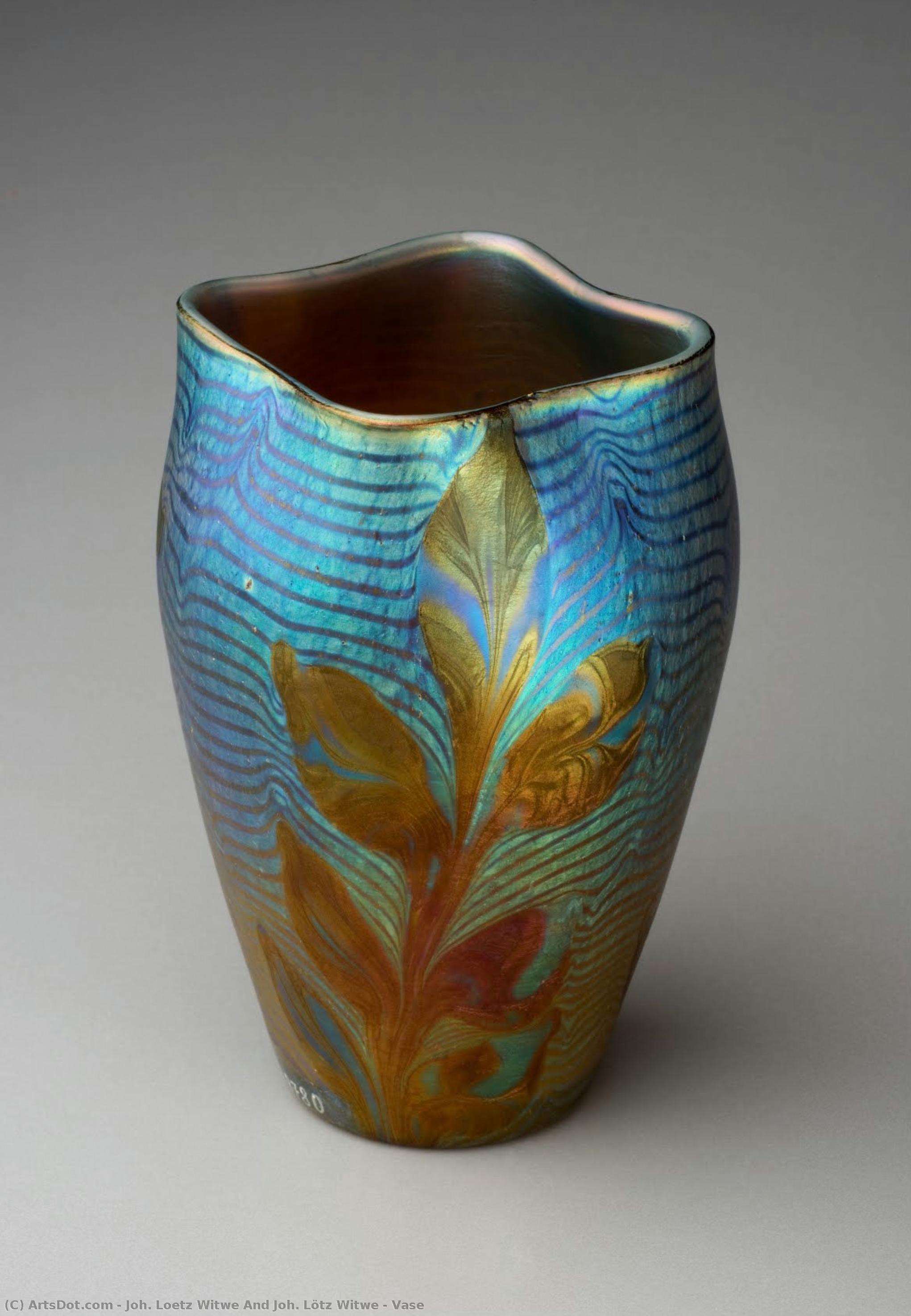
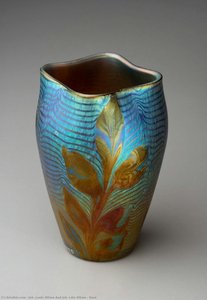
Vase

 Pročitaj više
Kupite digitalnu sliku visoke rezolucije i poboljšanog kvaliteta, koja je znatno superiornija od onoga što vidite u online prikazu.
Svaka datoteka je pedantno pripremljena od strane naših stručnjaka koristeći napredne alate i profesionalnu ručnu retušu. Osiguravamo da svaka slika ima izuzetnu oštrinu, preciznu reprodukciju boja i fine detalje.
Konačna datoteka se dostavlja putem e-pošte u roku od 72 sata, optimizovana za neposrednu upotrebu u profesionalnim, izdavačkim i štamparskim okruženjima. To je isti kvalitet kojem veruju vrhunski studiji dizajna, izdavači i galerije.
Digitalna slika
Preuzmite datoteku visoke rezolucije za ličnu upotrebu, štampanje i kreativne projekte. ( Kupi print Kupi ručno naslikanu sliku)
Uključeno uz svaku porudžbinu digitalne slike
Profesionalna digitalna isporuka, zagarantovana
Kada odaberete ArtsDot.com, ne dobijate samo sliku – vi primate profesionalno unapređeno digitalno umetničko delo, izrađeno sa najvećom preciznošću i uz garanciju zadovoljstva. Evo svega što automatski dolazi uz vašu porudžbinu:

Brza dostava putem e-pošte
Vaša digitalna slika visoke rezolucije biće vam poslata putem e-pošte u roku od 72 sata od poručivanja – spremna za trenutnu upotrebu.

Digitalna datoteka unapređena veštačkom inteligencijom
Vaše umetničko delo je profesionalno optimizovano korišćenjem naprednih AI alata i ručne obrade, čime se osiguravaju maksimalni detalji, oštrina i preciznost boja.

Besplatna ponovna isporuka doživotno
Slučajno ste obrisali ili izgubili svoju datoteku? Ne brinite – poslaćemo vam je ponovo u bilo kom trenutku, potpuno besplatno.

Bez troškova uvoza – zauvek
Uživajte u svojim umetničkim delima trenutno, bez carine, dažbina ili troškova dostave – digitalni download je uvek bez poreza.

Garancija vernosti boja
Uz pomoć profesionalnih alata i upravljanja bojama, osiguravamo da vaša digitalna slika što vernije odražava originalne boje.

Garancija zadovoljstva u roku od 60 dana
Ako niste zadovoljni svojom digitalnom slikom, revidirat ćemo je ili vratiti 100% novca u roku od 60 dana – bez ikakvih pitanja.

100% garancija povrata novca
Niste zadovoljni? Obezbedite pun povrat novca u roku od 60 dana od trenutka kada ste primili svoju digitalnu datoteku – bez suvišnih pitanja.

Popusti na velike porudžbine
Kupite 3 slike, uštedite 10% - Kupite 5 slika, uštedite 15% - Kupite 10+ slika, uštedite 20%. Odlično za kreativne projekte, galerije i agencije.
Srodna umetnička dela







Biografija umetnika
A Bohemian Legacy of Art Nouveau Glass
The story of Johann Loetz Witwe is not merely the history of a factory, but a luminous chronicle of innovation that defined the golden age of Bohemian glassmaking. Nestled in the heart of the Šumava Mountains in Klostermühle, this illustrious glassworks emerged as a beacon of creativity during the late 19th century. While its foundations were laid by the industrious Johann Eisner in 1865, the soul of the company was truly forged through the visionary leadership of Susanna Lötz. As the widow of the founder, she steered the enterprise with an unparalleled entrepreneurial spirit, transforming a regional manufacturer into a globally recognized name synonymous with the ethereal beauty of the Art Nouveau movement.
The artistry of Loetz glass is characterized by its ability to capture light and mimic the organic wonders of the natural world. The workshop became legendary for its mastery of iridescent and opalescent techniques, creating pieces that seemed to glow from within. One of the most breathtaking achievements of this era was the introduction of the Phänomen edition in 1898. These masterpieces featured intricate glass trails wrapped around the body in rhythmic spirals, often combed while hot into symmetrical or free-form compositions. This technique, combined with colored underlay glass, allowed the artisans to create a sense of movement and depth that captivated collectors from Vienna to London.
Innovation through Collaboration and Technique
The evolution of Loetz glass was driven by a relentless pursuit of technical perfection and a willingness to experiment with the very boundaries of the medium. A pivotal moment in the company's history was the partnership between the management and talented designers such as Eduard Prochaska. Together, they pushed the limits of what glass could achieve, developing groundbreaking processes like intarsia and the mesmerizing octopus glass. Their collaborative efforts led to the creation of marbled, or marmorisierte, glass, which artfully imitated the luxurious textures of semi-precious stones such as onyx, carnelian, malachite, and lapis lazuli.
The factory's technical prowess extended beyond mere decoration; it was a center of industrial excellence. The workshops were equipped with significant grinding facilities capable of producing heavily cut crystal and sophisticated enameled flashing glass. This versatility allowed the company to serve a diverse range of markets, from providing raw high-purity glass for North Bohemian refineries to crafting bespoke luxury items for the European aristocracy. The sheer variety of their output—ranging from delicate vases to complex baroque-style objects with applied decorations—ensured that Loetz remained at the forefront of the decorative arts.
Global Recognition and Historical Significance
The prestige of Johann Loetz Witwe was cemented on the world stage through a series of triumphant appearances at the most prestigious international exhibitions. The company’s presence in Brussels, Munich, and Vienna garnered immense critical acclaim, and their success reached a pinnacle during the 1899 Paris Exposition Universelle, where their work was honored with high distinction. This global reach was supported by an expansive network of sample warehouses located in major cultural hubs including Berlin, Hamburg, Paris, London, Brussels, Milan, and Madrid, ensuring that the brilliance of Bohemian craftsmanship could be admired in the finest salons of Europe.
As the 20th century progressed, the legacy of the Loetz glassworks continued through generations, notably under the stewardship of Max Ritter von Spaun, a grandson of Johann Lötz. Though the era of grand Art Nouveau production eventually transitioned, the historical significance of their work remains undiminished. Today, pieces from the Loetz collection are revered as quintessential examples of the Belle Époque, representing a period when glass was transformed from a functional material into a medium of pure, poetic expression. Their contribution to the history of art lies in their ability to marry industrial innovation with an almost spiritual devotion to aesthetic beauty.
joh. loetz witwe and joh. lötz witwe
Czech Republic
Kratke činjenice
- Artistic Movement Or Style: Art Nouveau
- Artists Or Movements Influenced By This Artist:
- Marie Kirschner
- Franz Hofstotter
- Artists Who Influenced This Artist: ['Eduard Prochaska']
- Date Of Birth: (Living)
- Full Name: Johann Loetz Witwe
- Nationality: Czech
- Notable Artworks:
- Plant-form vase
- Vase
- Place Of Birth: Klostermühle, Czech Republic

