

 Pregledaj u prostoru
 Pošalji
 Podeli
 Detalji o delu

 Преузми
 Slični predmeti
 Rendgenski snimak
 Slajdovi
 Stats
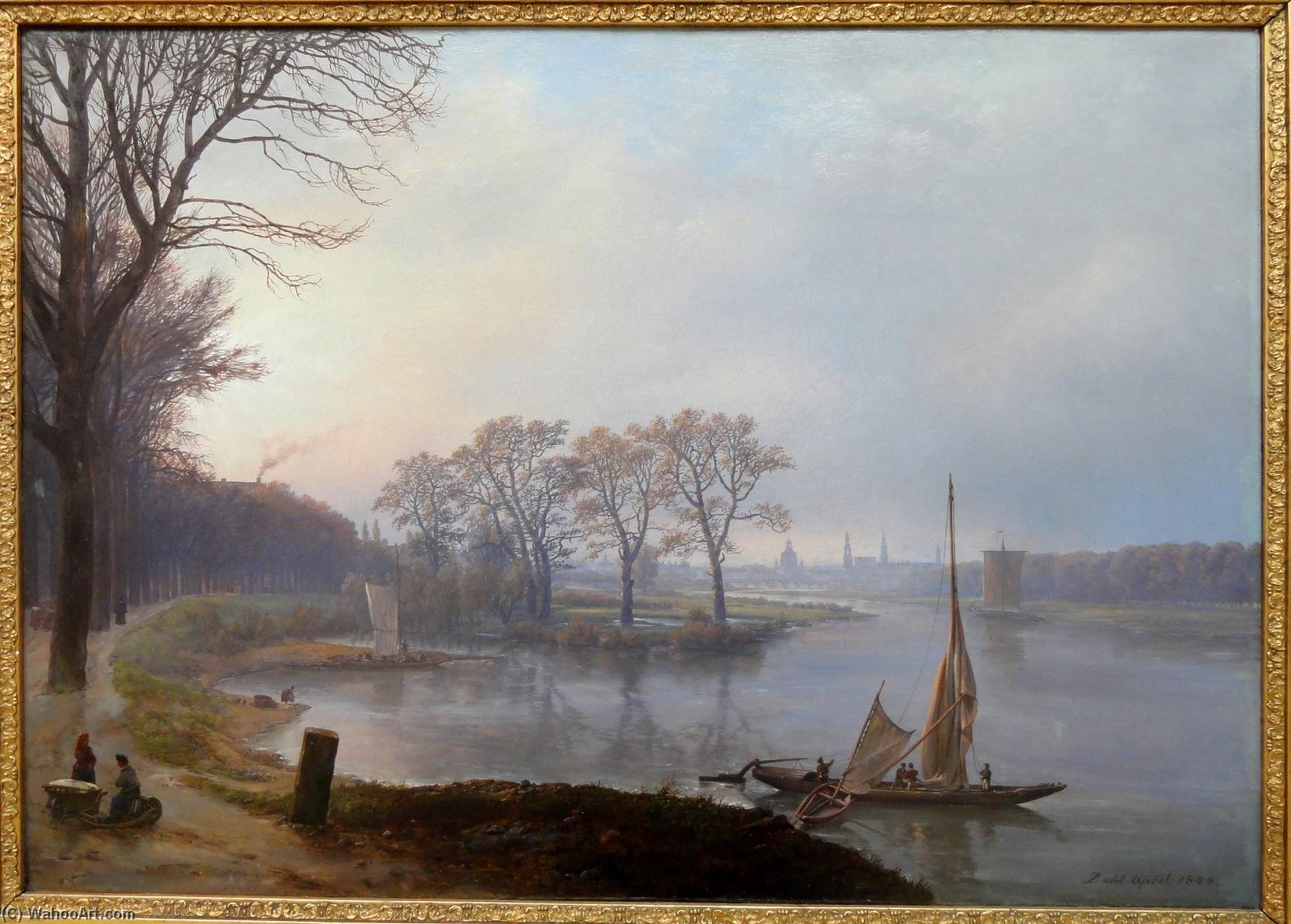
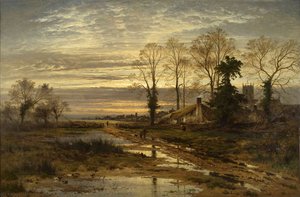
StatsProspect of Dresden Seen from Pieschen, March Haze
 Acrylic On Canvas
- WallArt
- Romanticism
 1844
1844 54.0 x 75.0 cm
 Ny Carlsberg Glyptotek
 Pročitaj više
Giclee štampa / Umetnički otisak
Giclée štampa ili print na platnu muzejskog kvaliteta uz brzu proizvodnju i fleksibilne opcije završne obrade. ( Kupi ručno naslikanu sliku Switch to Digital Image)




P118B $10

P118H $10

P118W $10

P438Z $10

P508JH $12

P508YH $12

P805H $10

P805Z $10

P919BZ $10

P919G $10

P919XJ $10

P959ZH $10

P968JZ $12

W106C $8

W218G $10

W218JH $8

W218Y $10

W307PJ $10

W316G $10

W316PJ $8

W316Y $10

W398PJ $8

W4111J $10

W500HY $15

W500JH $15

W692G $12

W849H $8

W940BG $15

W953PJ $8




Izaberite jednu od naših unapred definisanih veličina koje odgovaraju originalnim proporcijama umetničkog dela.

Možete uneti sopstvene dimenzije kako biste umetničko delo prilagodili specifičnom okviru ili prostoru. Ako odabrani format ne odgovara proporcijama originalne slike, mi ćemo ili iscrtati deo dela ili proširiti sliku pomoću ogledane ivice ili jednobojnog popunjavanja. Digitalni prikaz će vam biti poslat na odobrenje pre početka proizvodnje.
Imajte na umu da pregled na ekranu ne odražava stvarno iscrtavanje ili proširivanje. Samo će prikaz (mockup) precizno pokazati finalnu kompoziciju.
Iako su prilagođene dimenzije dostupne, preporučujemo da odaberete dimenziju sa unapred definisane liste kako biste očuvali originalne proporcije.
Dostava širom sveta () za 2 nedelje umesto uobičajenih 4/5 nedelja. (8 септембар)

Besplatna ekspresna dostava širom sveta

Visokokvalitetno laneno platno

Kompletno osiguranje transporta

Garancija povraćaja carine i uvoznih dažbina

Garancija vernosti boja

Politika povraćaja u roku od 100 dana (isključivo u slučaju nedostataka)

Garancija povrata novca od 100%

Popust pri grupnoj kupovini
 Opcija sa staklom dostupna je samo za dimenzije manje od 110 cm

Prospect of Dresden Seen from Pieschen, March Haze
Giclee štampa / Umetnički otisak
Dimenzije reprodukcije
-


Konačna cena
$ 62
A Frozen Moment of Serenity: Exploring Dahl’s “Prospect of Dresden Seen from Pieschen”
Johan Christian Claussen Dahl's "Prospect of Dresden Seen from Pieschen, March Haze" (1844) isn’t merely a landscape painting; it’s a carefully constructed distillation of Romanticism’s core tenets – a profound meditation on nature, memory, and the melancholic beauty of the fleeting moment. Painted during a period of intense artistic evolution in Norway, this work stands as a pivotal example of Dahl's unique style, blending meticulous observation with deeply felt emotion. The scene unfolds along the Elbe River near Dresden, capturing not just a visual representation but an atmosphere saturated with both the chill of approaching spring and the lingering vestiges of winter’s grip.
Dahl, often hailed as “the father of Norwegian landscape painting,” was profoundly influenced by the artistic currents sweeping through Europe. He absorbed the dramatic lighting and emotional intensity of German Romanticism – particularly the works of Caspar David Friedrich – while simultaneously forging a distinctly Scandinavian sensibility. This is evident in the painting’s muted palette dominated by greys, blues, and browns, creating a sense of subdued grandeur rather than vibrant spectacle. The hazy atmosphere, achieved through delicate layering of paint and subtle shifts in tone, evokes a feeling of distance and introspection, inviting the viewer to step into the scene and contemplate its quiet beauty.
The Techniques of Romantic Detail
Dahl’s technical mastery is immediately apparent in the painting's remarkable detail. He employed a technique known as ‘pointillé,’ meticulously applying tiny dots of paint to build up texture and create an illusion of depth and atmosphere. This method, reminiscent of Japanese woodblock prints, adds a subtle shimmering quality to the water and snow-covered trees, imbuing the landscape with a tactile realism. The artist’s use of light is particularly noteworthy; it's not harsh or dramatic but rather diffused and atmospheric, casting long shadows and highlighting the delicate details of the winter foliage. The composition itself is carefully balanced, drawing the eye along the riverbank towards the distant cityscape of Dresden, creating a sense of spatial depth and inviting the viewer to lose themselves in the scene.
Symbolism Within the Landscape
Beyond its purely visual appeal, “Prospect of Dresden Seen from Pieschen” is rich with symbolic meaning. The painting’s title explicitly references "Pieschen," a suburb of Dresden, suggesting a connection between the natural world and the urban landscape. The hazy March weather itself symbolizes transition – the end of winter and the beginning of spring, representing both loss and renewal. The boats on the river evoke themes of travel, commerce, and human interaction within the vastness of nature. The solitary figure in the foreground, partially obscured by the mist, could be interpreted as a symbol of introspection or perhaps a longing for connection with the natural world.
A Legacy of Romantic Vision
“Prospect of Dresden Seen from Pieschen” is more than just a beautiful painting; it’s a testament to Dahl's artistic vision and his profound understanding of the relationship between humanity and nature. It exemplifies the core values of the Romantic movement – an emphasis on emotion, imagination, and the sublime power of the natural world. Dahl’s work continues to resonate with viewers today, offering a glimpse into a bygone era while simultaneously reminding us of the enduring beauty and mystery of the landscape. Reproductions of this iconic painting provide a tangible connection to this pivotal moment in art history, allowing us to experience the emotional depth and technical brilliance of one of Norway's greatest artistic figures.
Srodna umetnička dela


Biografija umetnika
Рани живот и каријера
Јохан Кристијан Клаусен Дал, данско-норвешки уметник, рођен је 24. фебруара 1788. године у Норвешкој. Широко се сматра првим великим романтичарским сликаром у Норвешкој и оснивачем ‘златног доба’ норвешког сликарства. Дал је одрастао у Бергену, окружен суровом лепотом норвешке природе која ће касније доминирати њедовим делима. Његов рани таленат за цртање био је очигледан, и добио је подршку своје породице да се посвети уметности. Након почетног образовања код локалних мајстора, Дал је путовао у Копенхаген 1811. године како би студировао на Краљевској академији лепих уметности. Овде је стекао чврсту основу у традиционалној техници сликања, али га је посебно привукла идеја да се пренесе емоција и атмосфера кроз пејзаж.Уметнички развој и карактеристике стила
Дал је брзо развио свој препознатљив стил који је био у корак са растућим романтичарским покретом у Европи, али га је истовремено обележила изразита норвешка осећајност. Његова рана дела често су приказивала мирне пејзаже и градске призоре, али се касније окренуо дивљим и узбудљивим сценама норвешке природе – планинама, фиордовима, бујицама и олујама. Дал је био мајстор светла и сенке, користио је богату палету боја да би створио драматичне ефекте и пренео осећај величине и моћи природе. Његова техника сликања била је карактеристична по слојевитостима глатких четканица које су стварале дубину и текстуру, а посебан акцент је стављао на реалистичан приказ атмосфере и временских услова.Најзначанија дела и њихово значење
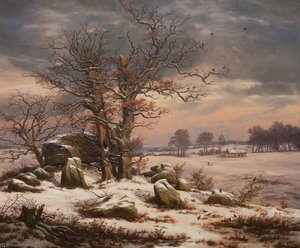
Дал је током своје каријере створио велики број ремек-дела која су постала симболи норвешког романтичарског сликарства. Зимски пејзаж у близини Вордингборга, Данска, сликана око 1827. године, је пример његове способности да захвати суптилну лепоту зимске природе и пренесе осећај тишине и самоће. Друга значајна дела укључују Црква Харнхам у близини Солсберија, где се види његова вештина балансирања светлости и боје, као и способност да створи атмосферу мистике и духовности. Дал је такође познат по својим пејзажима са планинама и фиордовима, који су постали симболи норвешког националног идентитета. Његов приказ вулкана Везувија, настао током његововог боравка у Италији, показује његову способност да се позабави драматичним и узбудљивим темама.Утицај и наслеђе
Дал је имао огроман утицај на развој норвешког сликарства и сматра се оцем норвешког пејзажног сликарства. Његова дела су инспирисала многе касније генерације норвешких уметника, а његов стил је постао основа за ‘златно доба’ норвешког сликарства. Дал је био и важан педагог и ментор, подучавао је младе уметнике и подстицао их да се окрену норвешкој природи као извору инспирације. Поред свог уметничког рада, Дал је био и активан учесник културног живота Норвешке. Био је кључна фигура у оснивању Националне галерије (Осло), институције посвећене очувању и промоцији норвечке и међународне уметности, чиме је трајно допринео развоју културног наслеђа земље. Његов рад се упоређује са радовима других романтичарских сликара као што су Џон Констебл и Каспар Давид Фридрих, али је Дал развио свој уникатни стил који га издваја као пионира норвешког пејзажног сликарства.Закључак
Јохан Кристијан Клаусен Дал је оставио неизбрисив траг у историји норвешке и европске уметности. Његова дела су надахнула многе генерације уметника и љубитеља уметности, а његов допринос развоју норвешког сликарства је непроцењив. Истражите више његових радова и свет романтичарског покрета на ArtsDot. Посетите страницу Јохана Кристијана Клаусена Дала за свеобухватан преглед његовог опуса, као и Националну галерију (Осло) како бисте упознали музеј који је он суосновао и његову богату збирку.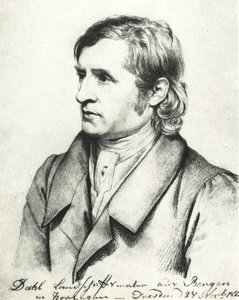
Јохан Кристијан Дал
1788 - 1857 , Србија
Osnovne informacije
- Artistic Movement Or Style: Romantizam
- Artists Or Movements Influenced By This Artist: ['Knud Baade']
- Artists Who Influenced This Artist:
- John Constable
- Caspar David Friedrich
- Date Of Birth: 24. februar 1788.
- Date Of Death: 14. oktobar 1857.
- Full Name: Johan Christian Claussen Dahl
- Nationality: Norveški
- Notable Artworks:
- Zimski pejzaž kod Vordingborga
- Crkva Harnham, blizu Salisburija
- Place Of Birth (City And Country): Bergen, Norveška
Povezani članci

25 Remek-dela Džona Konstebla: Lepota Engleske na Platnu | ArtsDot
Uronite u svet Džona Konstebla! Otkrijte 25 remek-dela engleskog pejzaža, romantizma i seoske idile. Kupite reprodukcije slika vrhunskog kvaliteta za dekoraciju enterijera na ArtsDot.com.
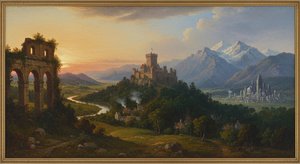
Evocations of Place: A Historical Journey Through Landscape Art
Explore the rich history of landscape art with ArtsDot. Discover renowned artists, movements like Impressionism & tonalism, and expert guidance for collecting timeless pieces. Find your perfect serene escape today!

Glavna dela koja su definisala Romantični pejzaž: 10 remek-dela za vaš dom
Otkrijte 10 remek-dela romantičnog pejzažnog slikarstva! Uronite u svet Claude Lorraina, Caspara David Friedricha i Turnera. Ispričane priče umetnosti, inspiracija za dekoraciju doma. Kvalitetne reprodukcije na ArtsDot.com – istražite celu kolekciju online!

Evocations of Place: A Historical Journey Through Landscape Art
Explore the rich history of landscape art with ArtsDot. Discover renowned artists, movements like Impressionism & Romanticism, and expert guidance for collecting timeless pieces. Find your perfect serene escape today!
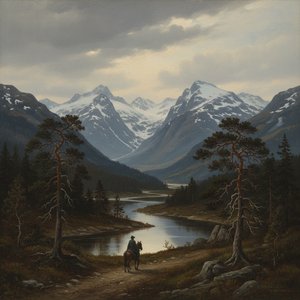
Johan Christian Dahl: Pioneering Norwegian Romantic Landscape Painting
Explore the life & art of Johan Christian Dahl, Norway's first great Romantic painter. Discover his iconic landscapes, cultural impact, and lasting legacy with ArtsDot.