

 Pregledaj u prostoru
 Pošalji
 Podeli
 Detalji o delu

 Преузми
 Slični predmeti
 Rendgenski snimak
 Slajdovi
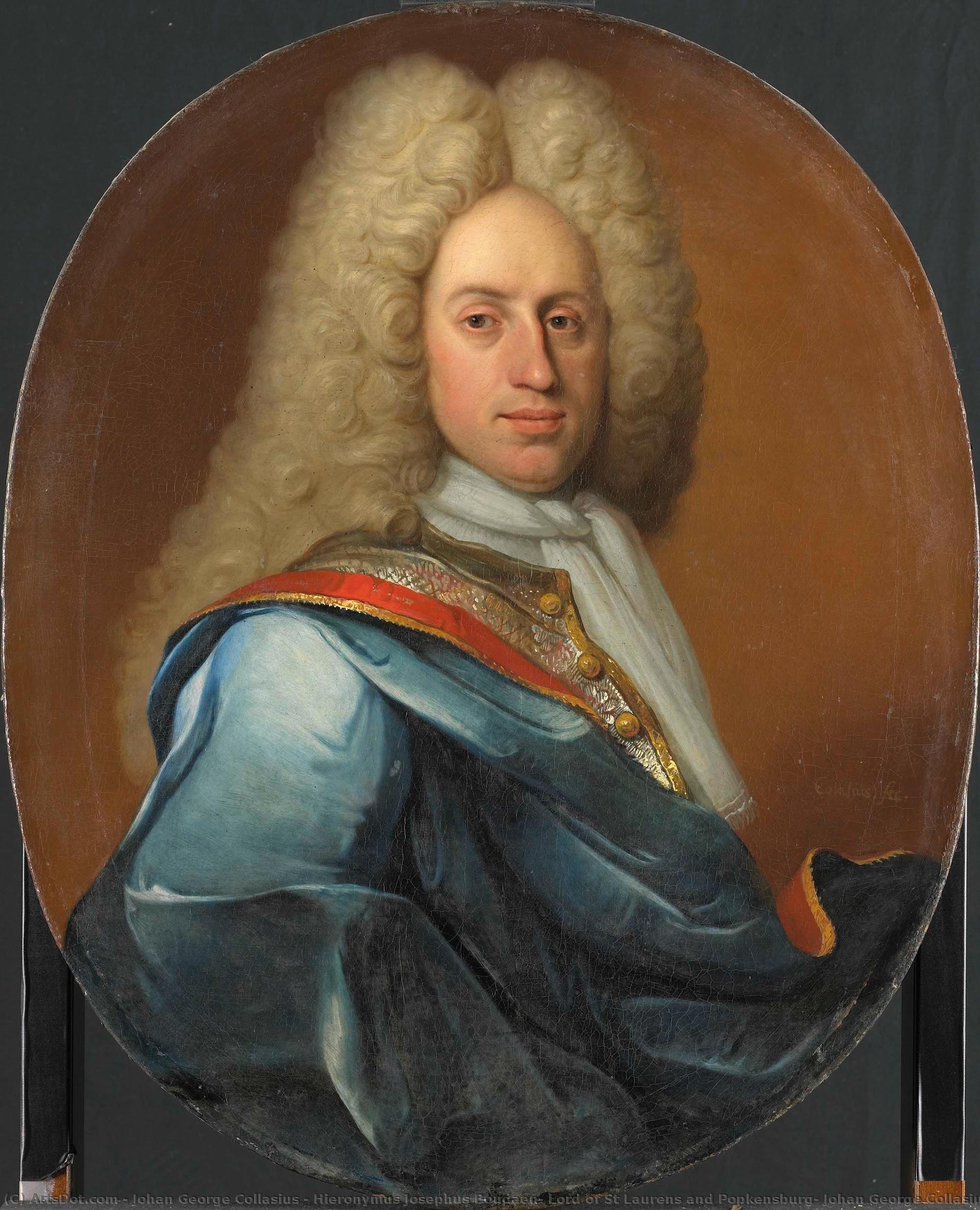
Hieronymus Josephus Boudaen, Lord of St Laurens and Popkensburg, Johan George Collasius, 1700 - 1750


 Pročitaj više
Giclee štampa / Umetnički otisak
Giclée štampa ili print na platnu muzejskog kvaliteta uz brzu proizvodnju i fleksibilne opcije završne obrade. ( Kupi ručno naslikanu sliku Kupi digitalnu sliku)




































Izaberite jednu od naših unapred definisanih veličina koje odgovaraju originalnim proporcijama umetničkog dela.

Možete uneti sopstvene dimenzije kako biste umetničko delo prilagodili specifičnom okviru ili prostoru. Ako odabrani format ne odgovara proporcijama originalne slike, mi ćemo ili iscrtati deo dela ili proširiti sliku pomoću ogledane ivice ili jednobojnog popunjavanja. Digitalni prikaz će vam biti poslat na odobrenje pre početka proizvodnje.
Imajte na umu da pregled na ekranu ne odražava stvarno iscrtavanje ili proširivanje. Samo će prikaz (mockup) precizno pokazati finalnu kompoziciju.
Iako su prilagođene dimenzije dostupne, preporučujemo da odaberete dimenziju sa unapred definisane liste kako biste očuvali originalne proporcije.
Dostava širom sveta () za 2 nedelje umesto uobičajenih 4/5 nedelja. (5 септембар)

Besplatna ekspresna dostava širom sveta

Visokokvalitetno laneno platno

Kompletno osiguranje transporta

Garancija povraćaja carine i uvoznih dažbina

Garancija vernosti boja

Politika povrata u roku od 60 dana (samo u slučaju nedostataka)

Garancija povrata novca od 100%

Popust pri grupnoj kupovini
 Opcija sa staklom dostupna je samo za dimenzije manje od 110 cm

Hieronymus Josephus Boudaen, Lord of St Laurens and Popkensburg, Johan George Collasius, 1700 - 1750
Giclee štampa / Umetnički otisak
Dimenzije reprodukcije
-


Konačna cena
$ 62
Srodna umetnička dela

Biografija umetnika
The Refined Elegance of Johan George Collasius
In the luminous tapestry of the Dutch Golden Age, few artists captured the delicate transition between classical restraint and the burgeoning opulence of the Rococo era as gracefully as Johan George Collasius. Born in Utrecht in 1698, Collasius emerged during a period when the somber, Protestant-driven realism of earlier Dutch masters was beginning to dance with the more decorative, aristocratic flourishes sweeping across Europe. His life and work serve as a window into an era of profound social change, where portraiture became not merely a record of a face, but a sophisticated language of status, texture, and light.
While the early chapters of his biography remain shrouded in the mists of time, the technical sophistication of his hand suggests a rigorous and prestigious education. It is believed that Collasius sought refinement in Haarlem, a vibrant epicenter of Dutch creativity, where he studied under the guidance of masters such as Willem van Gouda and Cornelis van Asselen. These mentors provided him with a foundation rooted in classical ideals, yet they also introduced him to the emerging Rococo tendencies that would later define his signature style. This unique pedagogical blend allowed Collasius to master the art of capturing anatomical precision while simultaneously embracing the ornamental splendor that characterized the eighteenth-century aesthetic.
A Mastery of Texture and Light
The true brilliance of Collasius lies in his ability to marry unflinching realism with a sense of theatrical grandeur. His technique, primarily centered on the use of oil on canvas, was nothing short of masterful. He possessed an uncanny ability to manipulate light to create luminous textures that seemed to breathe upon the surface of the canvas. To gaze upon a Collasius portrait is to experience the tactile reality of the subject's world; he did not merely paint fabric, he rendered the heavy weight of velvet, the shimmering translucence of silk, and the intricate, cold glint of fine jewelry.
This meticulous attention to detail extended far beyond the human form. Collasius utilized architectural settings and atmospheric backgrounds to imbue his subjects with a sense of permanence and nobility. His brushwork was disciplined yet capable of great delicacy, allowing him to capture the subtle nuances of an expression—a fleeting glance or a dignified repose—that conveyed the inner character of his sitters. This marriage of technical precision and decorative flourish made him a preferred choice for the era's elite, who sought portraits that functioned as both intimate psychological studies and grand social statements.
Legacy and Historical Significance
The historical significance of Johan George Collasius is most profoundly felt in his role as a chronicler of the European aristocracy. His commissions were more than mere artistic endeavors; they were vital instruments of visual commemoration for wealthy families and dignitaries. Through his work, we gain insight into the fashion, the social hierarchies, and the aesthetic aspirations of the 18th century. One of his most enduring achievements remains the monumental portrait of Hieronymus Josephus Boudaen, Lord of St Laurens and Popkensburg. In this piece, one can observe the pinnacle of his skill, where the subject's commanding presence is bolstered by the exquisite Rococo embellishments that define the period.
Though his life was relatively short, ending in 1736, Collasius left an indelible mark on the trajectory of Dutch portraiture. He stood at the crossroads of history, bridging the gap between the grounded traditions of his Dutch heritage and the airy, ornamental elegance of the French-influenced Rococo movement. His ability to synthesize these two seemingly disparate worlds ensures that his work remains a captivating study in the art of prestige, reminding us of a time when every brushstroke was an act of celebrating both the individual and the era's magnificent splendor.
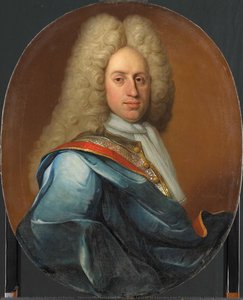
johan george collasius
1698 - 1736 , Netherlands
Osnovne informacije
- Artistic Movement Or Style: Rococo
- Date Of Birth: Dutch, Netherlands (1698)
- Date Of Death: 1736
- Full Name: Johan George Collasius
- Nationality: Dutch
- Notable Artworks: ['Hieronymus Josephus Boudaen, Lord of St Laurens and Popkensburg']
- Place Of Birth: Netherlands
Povezani članci

The Rococo Aesthetic: Opulence, Rebellion & the Pursuit of Pleasure in 18th-Century Art
Explore the opulent world of Rococo art! Discover its origins, key artists like Watteau & Boucher, and lasting influence on design. Expert insights for collectors & enthusiasts.
The Rococo Style: Aristocratic Leisure & the Pursuit of Delight in 18th-Century Art
Explore the opulent world of Rococo art! Discover Watteau, Boucher & Nattier's masterpieces. Expert insights for collectors seeking museum-quality reproductions and custom portraits at ArtsDot.

Rokoko: 10 Remek Dela Koja Su Definisala Eleganciju i Ukus
Otkrijte 10 remek dela koja su definisala rokoko umetnost! Uronite u svet Boucher-a, Watteau-a i Fragonarda. Istorija, stil i inspiracija za vaš dom. Kvalitetne reprodukcije i kuratorski odabiri na ArtsDot.com!
The Allure of Elegance in Art: A Historical & Aesthetic Exploration of Refinement & Grace
Explore the exquisite world of Rococo art! Discover its history, masters (Watteau, Boucher & more), and defining elegance. Expert insights for collectors seeking museum-quality reproductions & custom portraits.

The Enduring Legacy of Oil on Canvas: Technique, History & Aesthetic Impact
Explore the rich history & techniques of oil painting – from Renaissance masters to Impressionism. Discover pigments, layering methods, and why this timeless medium endures. Expert insights for artists & art enthusiasts.

