

 Pregledaj u prostoru
 Pošalji
 Podeli
 Detalji o delu

 Преузми
 Slični predmeti
 Rendgenski snimak
 Slajdovi
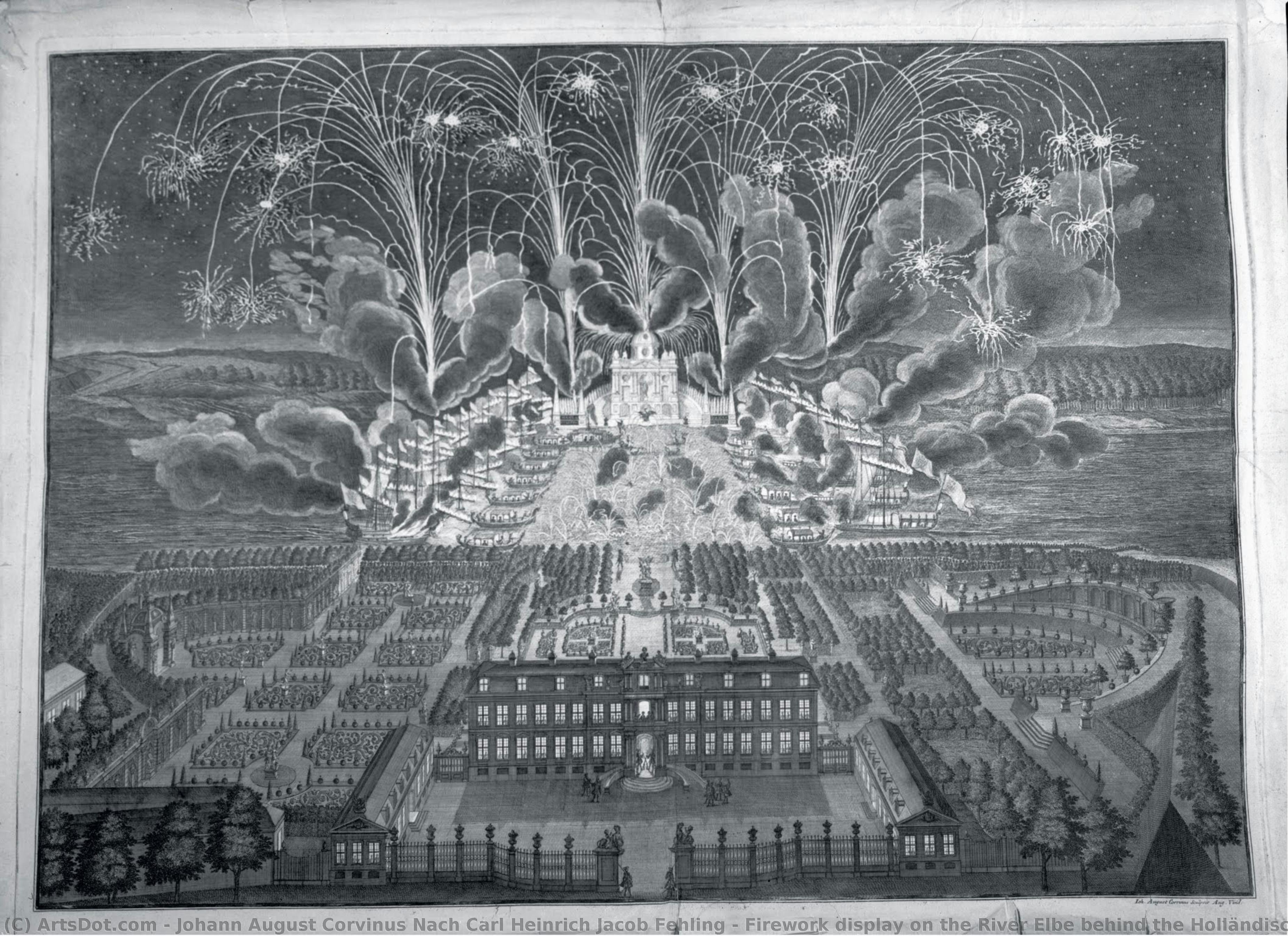
Firework display on the River Elbe behind the Holländisches Palais on 10 September 1719
 Baroque
 1738
1738 855.0 x 625.0 cm
 Kupferstich-Kabinett
 Pročitaj više
Giclee štampa / Umetnički otisak
Giclée štampa ili print na platnu muzejskog kvaliteta uz brzu proizvodnju i fleksibilne opcije završne obrade. ( Kupi ručno naslikanu sliku Kupi digitalnu sliku)




































Izaberite jednu od naših unapred definisanih veličina koje odgovaraju originalnim proporcijama umetničkog dela.

Možete uneti sopstvene dimenzije kako biste umetničko delo prilagodili specifičnom okviru ili prostoru. Ako odabrani format ne odgovara proporcijama originalne slike, mi ćemo ili iscrtati deo dela ili proširiti sliku pomoću ogledane ivice ili jednobojnog popunjavanja. Digitalni prikaz će vam biti poslat na odobrenje pre početka proizvodnje.
Imajte na umu da pregled na ekranu ne odražava stvarno iscrtavanje ili proširivanje. Samo će prikaz (mockup) precizno pokazati finalnu kompoziciju.
Iako su prilagođene dimenzije dostupne, preporučujemo da odaberete dimenziju sa unapred definisane liste kako biste očuvali originalne proporcije.
Dostava širom sveta () za 2 nedelje umesto uobičajenih 4/5 nedelja. (28 август)

Besplatna ekspresna dostava širom sveta

Visokokvalitetno laneno platno

Kompletno osiguranje transporta

Garancija povraćaja carine i uvoznih dažbina

Garancija vernosti boja

Politika povrata u roku od 60 dana (samo u slučaju nedostataka)

Garancija povrata novca od 100%

Popust pri grupnoj kupovini
 Opcija sa staklom dostupna je samo za dimenzije manje od 110 cm

Firework display on the River Elbe behind the Holländisches Palais on 10 September 1719
Giclee štampa / Umetnički otisak
Dimenzije reprodukcije
-


Konačna cena
$ 62
Srodna umetnička dela
Biografija umetnika
John Michael Wright: A Renaissance Englishman in a Baroque World
Born in London around 1617, John Michael Wright’s life was a tapestry woven from threads of Scottish heritage, Roman artistic influence, and the tumultuous politics of 17th-century England. While often overshadowed by his more flamboyant contemporaries like Sir Peter Lely, Wright stands as a significant figure in British art – a painter who bridged the gap between the classical ideals of Rome and the evolving tastes of his native land. His career, spanning over half a century, reveals a remarkable adaptability and a quiet mastery of portraiture that continues to intrigue scholars today.
Wright’s early artistic training began in Edinburgh under the tutelage of George Jamesone, a Scottish painter who instilled in him a foundational understanding of composition and technique. However, it was his subsequent sojourn in Rome – a period he frequently identified as ‘Scotus’ – that truly shaped his artistic vision. Admitted to the prestigious Accademia di San Luca, Wright immersed himself in the vibrant art scene of the Italian capital, absorbing the techniques of Caravaggio, Guido Reni, and other masters of the Baroque. This Roman experience wasn't merely a period of study; it profoundly altered his perspective, influencing his approach to light, shadow, and the portrayal of human emotion.
Upon returning to England in 1656, Wright quickly established himself as a sought-after portraitist. He benefited greatly from the political climate following the English Civil War and the subsequent Restoration. His aristocratic clientele included figures like Charles II and James II, affording him access to the wealthiest and most influential circles of society. Wright’s portraits weren't simply likenesses; they were carefully constructed narratives, imbued with a sense of dignity, intelligence, and often, subtle melancholy. He possessed an uncanny ability to capture not just physical appearance but also the inner character of his subjects – a skill that set him apart from many of his contemporaries.
The Influence of Rome and the Baroque Style
Wright’s artistic development is inextricably linked to his Roman period. The influence of the Baroque style—characterized by dramatic lighting, dynamic compositions, and an emphasis on emotional intensity—is readily apparent in his work. However, Wright didn't simply mimic Italian techniques; he adapted them to suit the English context, creating a distinctly British interpretation of the Baroque aesthetic. His use of chiaroscuro – the interplay of light and dark – is particularly noteworthy, lending depth and drama to his portraits.
Furthermore, Wright’s exposure to classical art in Rome instilled in him a deep appreciation for anatomical accuracy and idealized beauty. He meticulously studied the human form, striving for a level of realism that was both technically proficient and aesthetically pleasing. This commitment to detail is evident in his rendering of drapery, hands, and facial features – elements that he treated with remarkable precision.
Notable Works and Patronage
While many of Wright’s portraits remain in private collections, several notable works have survived, offering valuable insights into his artistic style and the tastes of his patrons. The portrait of Mrs. Salesbury with her Grandchildren Edward and Elizabeth Bagot, now housed at Castle Musuem in Nottingham, exemplifies his ability to capture a sense of familial warmth and intimacy. His portraits of members of the Stuart court—including Charles II and James II—are particularly significant, providing a glimpse into the personalities and ambitions of these powerful figures.
Wright’s success as a portraitist was largely due to his astute understanding of his patrons' desires. He skillfully navigated the complex political landscape of Restoration England, cultivating relationships with influential individuals who could provide him with commissions and access to prestigious circles. His ability to cater to the tastes of both royalty and aristocracy solidified his position as one of the most sought-after artists of his generation.
A Legacy of Realism and Quiet Dignity
Despite a period of relative obscurity following his death in 1694, John Michael Wright’s work has experienced a resurgence of critical appreciation in recent decades. Scholars now recognize him as one of the leading indigenous British painters of the 17th century – a painter who defied convention and forged a unique artistic identity. Wright's portraits are distinguished by their realism, psychological depth, and understated elegance. He eschewed the flamboyant theatricality favored by some of his contemporaries, opting instead for a more subtle and nuanced approach to portraiture.
His legacy lies not in grand, sweeping compositions but in the quiet dignity and penetrating gaze of his subjects – individuals who seem to possess a profound understanding of themselves and the world around them. John Michael Wright’s paintings offer a valuable window into the social and political landscape of 17th-century England, revealing the complexities of power, ambition, and human emotion.
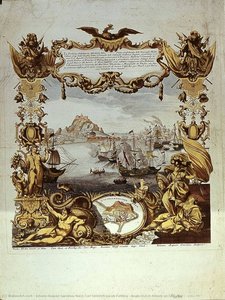
johann august corvinus nach carl heinrich jacob fehling
1694 - 1761 , Germany
Osnovne informacije
- Artistic Movement Or Style: Baroque portraiture
- Artists Or Movements Influenced By This Artist: ['None known']
- Artists Who Influenced This Artist: ['George Jamesone']
- Date Of Birth: May 1617
- Date Of Death: July 1694
- Full Name: John Michael Wright
- Nationality: English
- Notable Artworks: ['Portrait of Mrs Salesbury']
- Place Of Birth: London, England
Povezani članci
Engraving's Golden Age: 10 Masterpieces That Redefined Art | ArtsDot
Journey through art history with our Top 10 Legendary Engravings! Explore masterpieces by Dürer, Rembrandt & Goya. Discover the stories behind these iconic prints and find museum-quality reproductions for your home at ArtsDot.com.
Engraving: A Historical Survey of Technique, Artistic Expression & Enduring Legacy
Explore the rich history of engraving with ArtsDot. Discover techniques, iconic artists like Dürer & Callot, collecting tips, and expert guidance for preserving your art investment. Learn about intaglio printing & more!

Барокна драма: Уношење величине и емоција у савремене ентеријере
Откријте барокну драму и унесите величину у ваш ентеријер! ArtsDot нуди ручно насликане репродукције, персонализоване портрете и стручне консултације за љубитеље класичне уметности. Потражите савршено дело већ данас!

The Dramatic Flourish: Exploring the Baroque Movement's Enduring Legacy in Art History
Explore the dramatic world of Baroque art! Discover iconic artists like Caravaggio & Rubens, defining techniques, and its lasting impact on art history. Expert insights for collectors & enthusiasts at ArtsDot.
The Intricate World of Engraving: A Historical Survey of Technique, Artistic Expression & Enduring Legacy
Explore the rich history of engraving with ArtsDot. Discover techniques, iconic artists like Dürer & Callot, collecting tips, and expert guidance for preserving your art investment. Learn about intaglio printing & more!

