

 Pregledaj u prostoru
 Pošalji
 Podeli
 Detalji o delu

 Преузми
 Slični predmeti
 Rendgenski snimak
 Slajdovi
 Stats
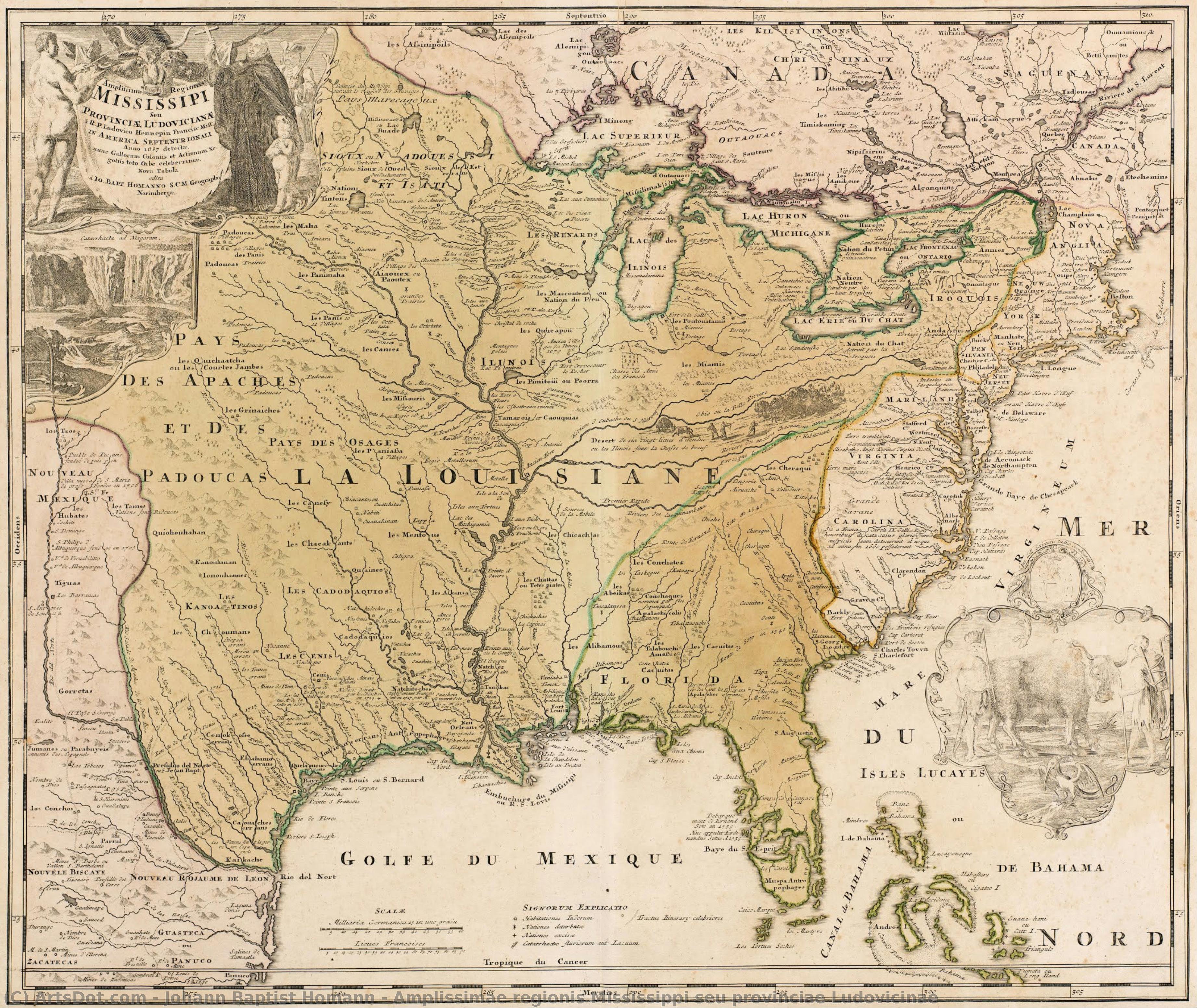
StatsAmplissimae regionis Mississippi seu provinciae Ludovicinae


 Pročitaj više
Kupite digitalnu sliku visoke rezolucije i poboljšanog kvaliteta, koja je znatno superiornija od onoga što vidite u online prikazu.
Svaka datoteka je pedantno pripremljena od strane naših stručnjaka koristeći napredne alate i profesionalnu ručnu retušu. Osiguravamo da svaka slika ima izuzetnu oštrinu, preciznu reprodukciju boja i fine detalje.
Konačna datoteka se dostavlja putem e-pošte u roku od 72 sata, optimizovana za neposrednu upotrebu u profesionalnim, izdavačkim i štamparskim okruženjima. To je isti kvalitet kojem veruju vrhunski studiji dizajna, izdavači i galerije.
Digitalna slika
Preuzmite datoteku visoke rezolucije za ličnu upotrebu, štampanje i kreativne projekte. ( Switch to Print Kupi ručno naslikanu sliku)
Uključeno uz svaku porudžbinu digitalne slike
Profesionalna digitalna isporuka, zagarantovana
Kada odaberete ArtsDot.com, ne dobijate samo sliku – vi primate profesionalno unapređeno digitalno umetničko delo, izrađeno sa najvećom preciznošću i uz garanciju zadovoljstva. Evo svega što automatski dolazi uz vašu porudžbinu:

Brza dostava putem e-pošte
Vaša digitalna slika visoke rezolucije biće vam poslata putem e-pošte u roku od 72 sata od poručivanja – spremna za trenutnu upotrebu.

Digitalna datoteka unapređena veštačkom inteligencijom
Vaše umetničko delo je profesionalno optimizovano korišćenjem naprednih AI alata i ručne obrade, čime se osiguravaju maksimalni detalji, oštrina i preciznost boja.

Besplatna ponovna isporuka doživotno
Slučajno ste obrisali ili izgubili svoju datoteku? Ne brinite – poslaćemo vam je ponovo u bilo kom trenutku, potpuno besplatno.

Bez troškova uvoza – zauvek
Uživajte u svojim umetničkim delima trenutno, bez carine, dažbina ili troškova dostave – digitalni download je uvek bez poreza.

Garancija vernosti boja
Uz pomoć profesionalnih alata i upravljanja bojama, osiguravamo da vaša digitalna slika što vernije odražava originalne boje.

Garancija zadovoljstva od 100 dana
Ako niste zadovoljni svojom digitalnom slikom, izvršićemo reviziju ili ćemo vam vratiti 100% novca u roku od 100 dana – bez ikakvih pitanja.

100% garancija povrata novca
Niste zadovoljni? Dobijte puni povraćaj novca u roku od 100 dana od prijema digitalne datoteke – bez suvišnih pitanja.

Popusti na velike porudžbine
Kupite 3 slike, uštedite 10% - Kupite 5 slika, uštedite 15% - Kupite 10+ slika, uštedite 20%. Odlično za kreativne projekte, galerije i agencije.
Srodna umetnička dela
Biografija umetnika
Rachel Ruysch: A Pioneer of Still Life
Rachel Ruysch (1664 – 1750) stands as a monumental figure in the history of art, particularly recognized for her groundbreaking contributions to the genre of still life painting. Born in The Hague, Netherlands, into a family deeply rooted in scientific and artistic pursuits—her father was a botanist, physician, and anatomist—Ruysch’s early life provided an exceptional foundation for her future career. Her upbringing within a household that valued both meticulous observation and artistic expression profoundly shaped her distinctive style and approach to painting. She began her training with Willem van Aelst, a renowned still-life painter in Amsterdam, absorbing his techniques and developing a keen eye for detail and composition. However, Ruysch’s career trajectory diverged significantly from the established norms of the time, as she became one of the first female artists to achieve significant recognition and professional success within the male-dominated art world. Ruysch's artistic journey truly blossomed in the 1680s, influenced by Otto Marseus van Schriek, a master of dark forest flora, insects, and lizards. Van Schriek’s meticulous depictions of natural subjects, emphasizing texture and detail, undoubtedly impacted Ruysch’s own approach to portraying delicate botanical specimens. She quickly established herself as a leading still-life painter in The Hague from 1701 to 1708, earning the distinction of being the first female member of the Confrerie Pictura, an influential artist's society. Her talent and dedication led her to become court painter to the Elector Palatine, Johan Willem, in Düsseldorf, where she created a series of stunning works between 1708 and 1716. This period marked a significant elevation in her status and provided access to a wider audience for her art. Ruysch’s paintings were not merely decorative; they were scientific studies rendered with extraordinary artistry, showcasing the intricate beauty of nature with unparalleled precision.Technique and Innovation
Ruysch's artistic prowess lay in her remarkable ability to capture the ephemeral qualities of life—the delicate veins of a leaf, the glistening surface of a beetle’s shell, the subtle textures of decaying fruit. She employed a unique technique that involved painting directly onto wet paper, often using a mixture of watercolor and ink. This method allowed for incredible detail and luminosity, creating an almost photographic effect. Crucially, Ruysch pioneered the use of *monotypes*, or single-image prints, a revolutionary technique at the time. By applying paint to a plate and then printing it once, she produced unique artworks that were impossible to replicate exactly. This innovation demonstrated her experimental spirit and her willingness to challenge conventional artistic practices. Her works are characterized by their dramatic lighting, often utilizing chiaroscuro—the contrast between light and dark—to highlight the textures and forms of her subjects.Subjects and Symbolism
Ruysch’s still lifes were remarkably diverse, encompassing a wide range of subjects beyond traditional floral arrangements. She frequently depicted insects in their natural habitats, showcasing their intricate anatomy with astonishing realism. She also painted scenes of animal dissections, reflecting her family's scientific background and offering a rare glimpse into the world of anatomical study. Perhaps most famously, Ruysch created numerous depictions of Noah’s Ark, each brimming with an extraordinary array of animals—a testament to her artistic skill and her ability to capture both the beauty and the chaos of nature. Beyond their aesthetic appeal, Ruysch's paintings often carried symbolic weight, reflecting themes of mortality, decay, and the interconnectedness of life.Legacy and Historical Significance
Rachel Ruysch’s impact on the art world is profound and enduring. She defied societal expectations and established herself as one of the most celebrated still-life painters of her era. Her innovative techniques—particularly monotyping—influenced generations of artists, and her meticulous depictions of nature continue to captivate viewers today. Ruysch's story serves as a powerful reminder of the challenges faced by women in the art world and the importance of recognizing and celebrating their contributions. She remains an icon for female artists and a testament to the power of observation, skill, and artistic vision. Her work is held in prestigious collections worldwide, including the National Gallery in London, ensuring that her legacy will continue to inspire and educate for years to come.
johann baptist homann
1664 - 1724 , Germany
Kratke činjenice
- Artistic Movement Or Style: Baroque, Genoese School
- Artists Or Movements Influenced By This Artist: ['Giovanni Battista Paggi']
- Artists Who Influenced This Artist:
- Anthony van Dyck
- Peter Paul Rubens
- Date Of Birth: 1609
- Date Of Death: 1664
- Full Name: Giovanni Benedetto Castiglione
- Nationality: Italian
- Notable Artworks:
- Noah's Ark
- Old Testament scenes
- Place Of Birth: Genoa, Italy