

 Pregledaj u prostoru
 Pošalji
 Podeli
 Detalji o delu

 Преузми
 Slični predmeti
 Rendgenski snimak
 Slajdovi
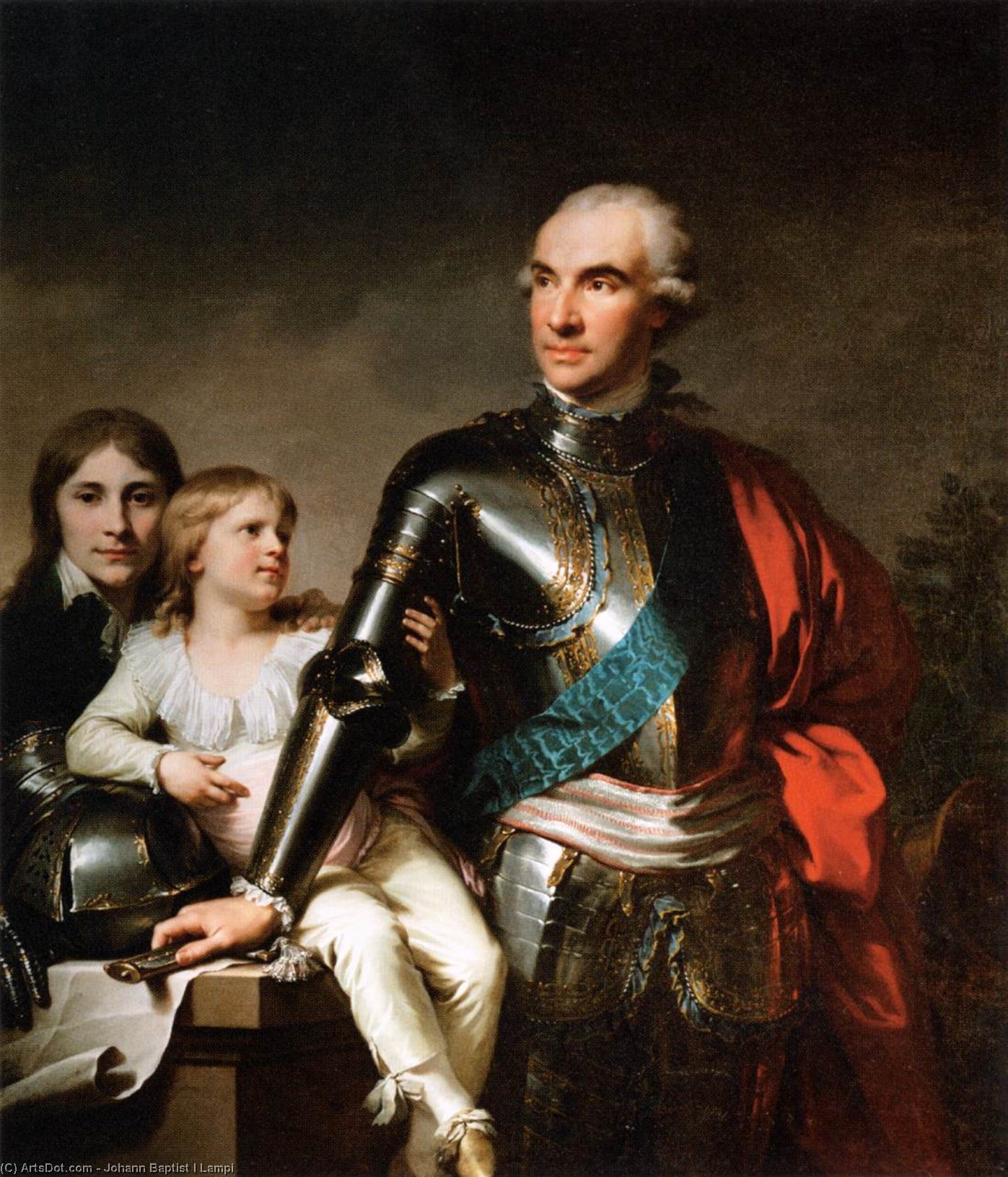
Count Stanislas Felix Potocki and his Two Sons
 Oil On Canvas
- WallArt
- Neoclassical
 1789
1789- Early Modern
 138.0 x 119.0 cm
 Louvre
 Pročitaj više
Giclee štampa / Umetnički otisak
Giclée štampa ili print na platnu muzejskog kvaliteta uz brzu proizvodnju i fleksibilne opcije završne obrade. ( Kupi ručno naslikanu sliku Kupi digitalnu sliku)




P118B $10

P118H $10

P118W $10

P438Z $10

P508JH $12

P508YH $12

P805H $10

P805Z $10

P919BZ $10

P919G $10

P919XJ $10

P959ZH $10

P968JZ $12

W106C $8

W218G $10

W218JH $8

W218Y $10

W307PJ $10

W316G $10

W316PJ $8

W316Y $10

W398PJ $8

W4111J $10

W500HY $15

W500JH $15

W692G $12

W849H $8

W940BG $15

W953PJ $8




Izaberite jednu od naših unapred definisanih veličina koje odgovaraju originalnim proporcijama umetničkog dela.

Možete uneti sopstvene dimenzije kako biste umetničko delo prilagodili specifičnom okviru ili prostoru. Ako odabrani format ne odgovara proporcijama originalne slike, mi ćemo ili iscrtati deo dela ili proširiti sliku pomoću ogledane ivice ili jednobojnog popunjavanja. Digitalni prikaz će vam biti poslat na odobrenje pre početka proizvodnje.
Imajte na umu da pregled na ekranu ne odražava stvarno iscrtavanje ili proširivanje. Samo će prikaz (mockup) precizno pokazati finalnu kompoziciju.
Iako su prilagođene dimenzije dostupne, preporučujemo da odaberete dimenziju sa unapred definisane liste kako biste očuvali originalne proporcije.
Dostava širom sveta () za 2 nedelje umesto uobičajenih 4/5 nedelja. (29 август)

Besplatna ekspresna dostava širom sveta

Visokokvalitetno laneno platno

Kompletno osiguranje transporta

Garancija povraćaja carine i uvoznih dažbina

Garancija vernosti boja

Politika povrata u roku od 60 dana (samo u slučaju nedostataka)

Garancija povrata novca od 100%

Popust pri grupnoj kupovini
 Opcija sa staklom dostupna je samo za dimenzije manje od 110 cm

Count Stanislas Felix Potocki and his Two Sons
Giclee štampa / Umetnički otisak
Dimenzije reprodukcije
-


Konačna cena
$ 62
A Portrait of Nobility Anchored in Tradition: Johann Baptist II Lampi’s Masterpiece
Johann Baptist II Lampi (1751-1830) stands as a pivotal figure in Austrian Baroque portraiture, embodying the grandeur and refinement characteristic of his era. Born into an artistic lineage – his father, Matteo Lampi, was celebrated for monumental frescoes – Lampi honed his craft under Salzburg’s influential tutelage before establishing himself in Vienna, where he secured a prestigious professorship at the Academy and captivated Emperor Joseph II with his talent. This article delves into the intricacies of “Count Stanislas Felix Potocki and his Two Sons,” examining its stylistic brilliance, technical mastery, and enduring legacy as a testament to Lampi’s artistic vision.Stylistic Influences & Compositional Harmony
Lampi's oeuvre is deeply rooted in classicizing principles, reflecting the broader artistic currents of Enlightenment Vienna. He skillfully employed chiaroscuro—the dramatic interplay of light and shadow—to sculpt the figures within the canvas, creating a palpable sense of depth and realism. The composition itself is meticulously balanced; Count Potocki dominates the central space, flanked by his two sons, establishing a hierarchy that speaks to the social conventions of the time. Notably, Lampi’s gaze directs towards the viewer, fostering an intimate connection between subject and observer—a hallmark of aristocratic portraiture intended to convey status and dignity. The subtle inclusion of a clock serves as a poignant reminder of temporal passage, subtly reinforcing the painting's contemplative mood.Technique & Material Considerations
Lampi’s technique demonstrates exceptional skill in capturing texture and detail. He achieved this through painstaking layering of thin glazes—a hallmark of Baroque oil painting—allowing for nuanced tonal variations and luminous effects. The artist meticulously rendered fabrics, particularly Potocki's suit and waistcoat, demonstrating an acute understanding of drapery and its ability to convey movement and form. Furthermore, the use of a warm earth pigment palette contributes to the painting’s overall atmosphere, evoking warmth and solidity—qualities associated with noble lineage and enduring values. The canvas itself was stretched taut and primed with gesso, ensuring optimal adhesion for the paint layers and preserving the artwork's integrity over centuries.Historical Context & Symbolic Significance
“Count Stanislas Felix Potocki and his Two Sons” emerged during a period of significant artistic patronage in Vienna—the Habsburg court actively commissioned artworks to bolster its prestige and solidify its cultural influence. The portrait reflects the aristocratic preoccupation with lineage, virtue, and social standing—themes prevalent throughout Baroque art. Count Potocki’s attire—a costume or armor—symbolizes military prowess and nobility, highlighting his position within the Austro-Hungarian aristocracy. The presence of the two sons underscores familial continuity and reinforces the importance of heritage. Moreover, the painting's serene setting—the interior of a stately home—contrasts sharply with the turbulent political landscape of Poland at the time, encapsulating a moment of stability amidst broader societal upheaval.Emotional Resonance & Legacy
Beyond its formal qualities, “Count Stanislas Felix Potocki and his Two Sons” possesses an undeniable emotional resonance. Lampi’s masterful depiction captures not only physical likeness but also psychological character—revealing Potocki's composure and paternal affection. The painting transcends mere representation; it embodies the ideals of aristocratic culture—honor, duty, and familial devotion. Today, reproductions of this masterpiece continue to inspire admiration for its artistic excellence and offer a glimpse into the opulent world of 18th-century Habsburg Vienna. Its enduring appeal testifies to Lampi’s ability to distill complex ideas into a visually compelling narrative that resonates across time.Srodna umetnička dela





Biografija umetnika
Johann Baptist II Lampi: Life and Legacy
Early Life and Artistic Training
- Johann Baptist II Lampi was born on December 31, 1751, in Romeno, Tyrol (modern-day Italy/Austria).
- He came from a family of artists; his father, Matteo (Mattia) Lampi, was a decorative painter known for frescoes.
- Lampi initially studied art under his father in Verona and later continued his education in Salzburg.
- In 1773, he moved to Trento where he honed his skills as a portraitist working with canvases and miniatures.
Career Development & Vienna
- Lampi traveled through Innsbruck and eventually settled in Vienna in 1786.
- His talent was recognized, and Emperor Joseph II appointed him a professor at the Vienna Academy.
- That same year, he received an invitation to work for King Stanisław II Augustus in Warsaw, marking a significant turning point in his career.
Warsaw & The Russian Empire
- Lampi flourished in Warsaw until the partitions of Poland disrupted artistic life there.
- In 1791, he relocated to St. Petersburg, Russia, where Empress Catherine II bestowed upon him a hereditary knighthood.
- This move proved incredibly lucrative; Lampi became highly sought after for his portraiture skills among the Russian nobility.
- He painted prominent figures including Empress Catherine II and Empress Maria Feodorovna.
Return to Vienna & Later Life
- Lampi returned to Vienna in 1797, becoming an honorary citizen of the city in 1799.
- He received a pension in 1822 and passed away on February 11, 1830, in Vienna.
Artistic Style & Influences
- Lampi’s style is characterized by realistic portraiture with attention to detail and a refined elegance.
- He was influenced by his father's decorative painting skills and the prevailing artistic trends of the late 18th century, including Neoclassicism.
- His work often reflects the grandeur and status of his aristocratic sitters.
Family Legacy & Sons
- Both of Lampi’s sons followed in his footsteps as accomplished painters.
- Johann Baptist III Lampi spent time with his father in Russia, continuing the family tradition there.
- Francesco (Franz Xaver) Lampi settled in Warsaw and became known as Franciszek Ksawery Lampi, establishing himself as a prominent artist in Poland.
Major Achievements & Historical Significance
- Lampi’s portraits provide valuable insights into the lives and appearances of European nobility during a period of significant political and social change.
- His success in both Vienna, Warsaw, and St. Petersburg demonstrates his adaptability and artistic skill.
- He played a key role in establishing portraiture as a prestigious art form within the Russian Imperial court.
- His work remains an important part of the artistic heritage of Austria, Poland, and Russia.

Johann Baptist II Lampi
1751 - 1830 , Austria
Osnovne informacije
- Birth Date: 1751-12-31
- Birth Place: Romeno, Tyrol
- Death Date: 1830-02-11
- Influenced:
- Johann Baptist III Lampi
- Francesco (Franz Xaver) Lampi
- Influenced By: Matteo (Mattia) Lampi
- Movement: Historical painting, Portraiture
- Name: Johann Baptist II Lampi
- Nationality: Austrian-Italian
- Notable Works:
- Portrait of Catherine II
- Count Stanislas Felix Potocki and his Two Sons
Povezani članci

Barok Majstor dela: Top 10 Umjetničkih Remeka za Vaš Dom
Otkrijte 10 remek dela koja su definisala baroknu umetnost! Karavagio, Bernini i više – istražite priče iza ovih ikoničnih slika. Inspiracija za vaš dom? Pogledajte kolekciju na ArtsDot.com!

Превазилазећи границе репродукције: Дигитална уметност и портрети као персонализовани израз креативности
Откријте свет дигиталне уметности и персонализованих портрета! Квалитетне репродукције слика, ручни рад, стручна консултација. Учините свој дом уникатним уз ArtsDot.

From Initial Sketch to Enduring Legacy: A Comprehensive Exploration of the Oil Painting Reproduction Process
Discover the art of museum-quality oil painting reproduction. Explore our expert process, skilled artists & authentic replicas. Elevate your home with timeless beauty – handcrafted and customized to your vision.

Барокна драма: Уношење величине и емоција у савремене ентеријере
Откријте барокну драму и унесите величину у ваш ентеријер! ArtsDot нуди ручно насликане репродукције, персонализоване портрете и стручне консултације за љубитеље класичне уметности. Потражите савршено дело већ данас!
Umjetnost ponovno oživljena: Vodič kroz tehnike reprodukcije uljanih slika, platna i papira
Otkrijte svijet vrhunskih reprodukcija uljanih slika ručnog rada! ArtsDot nudi personalizirane portrete, platna i papir. Kvalitetni materijali, stručni umjetnici & 100% garancija zadovoljstva. Naručite svoju umjetnost danas!

