

 Pregledaj u prostoru
 Pošalji
 Podeli
 Detalji o delu

 Преузми
 Slični predmeti
 Rendgenski snimak
 Slajdovi
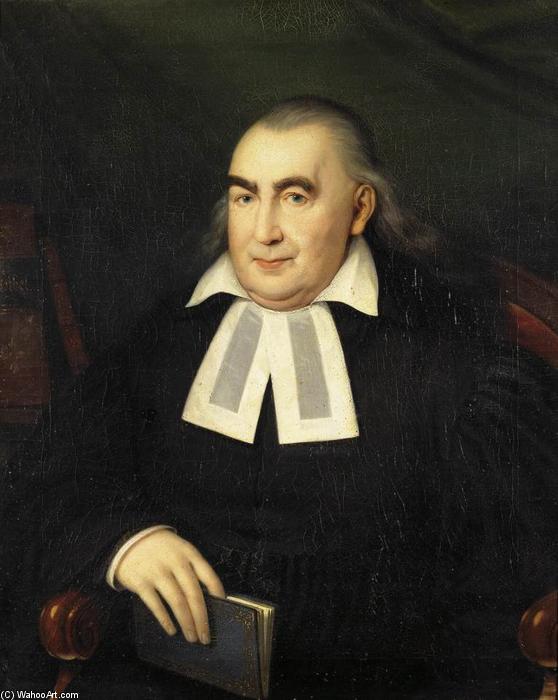
Portrait of a Pastor
 Oil
Oil- WallArt
- Romantic Portraiture
 19th Century
 80.0 x 65.0 cm
 Hermitage Museum
 Pročitaj više
Giclee štampa / Umetnički otisak
Giclée štampa ili print na platnu muzejskog kvaliteta uz brzu proizvodnju i fleksibilne opcije završne obrade. ( Kupi ručno naslikanu sliku Kupi digitalnu sliku)




P118B $10

P118H $10

P118W $10

P438Z $10

P508JH $12

P508YH $12

P805H $10

P805Z $10

P919BZ $10

P919G $10

P919XJ $10

P959ZH $10

P968JZ $12

W106C $8

W218G $10

W218JH $8

W218Y $10

W307PJ $10

W316G $10

W316PJ $8

W316Y $10

W398PJ $8

W4111J $10

W500HY $15

W500JH $15

W692G $12

W849H $8

W940BG $15

W953PJ $8




Izaberite jednu od naših unapred definisanih veličina koje odgovaraju originalnim proporcijama umetničkog dela.

Možete uneti sopstvene dimenzije kako biste umetničko delo prilagodili specifičnom okviru ili prostoru. Ako odabrani format ne odgovara proporcijama originalne slike, mi ćemo ili iscrtati deo dela ili proširiti sliku pomoću ogledane ivice ili jednobojnog popunjavanja. Digitalni prikaz će vam biti poslat na odobrenje pre početka proizvodnje.
Imajte na umu da pregled na ekranu ne odražava stvarno iscrtavanje ili proširivanje. Samo će prikaz (mockup) precizno pokazati finalnu kompoziciju.
Iako su prilagođene dimenzije dostupne, preporučujemo da odaberete dimenziju sa unapred definisane liste kako biste očuvali originalne proporcije.
Dostava širom sveta () za 2 nedelje umesto uobičajenih 4/5 nedelja. (29 август)

Besplatna ekspresna dostava širom sveta

Visokokvalitetno laneno platno

Kompletno osiguranje transporta

Garancija povraćaja carine i uvoznih dažbina

Garancija vernosti boja

Politika povrata u roku od 60 dana (samo u slučaju nedostataka)

Garancija povrata novca od 100%

Popust pri grupnoj kupovini
 Opcija sa staklom dostupna je samo za dimenzije manje od 110 cm

Portrait of a Pastor
Giclee štampa / Umetnički otisak
Dimenzije reprodukcije
-


Konačna cena
$ 62
A Moment of Divine Contemplation
In the quietude of this masterful portrait, we encounter a figure that transcends time, inviting the viewer into a space of profound spiritual stillness. Johann Baptist II Lampi, a virtuoso of the late 18th and early 19th centuries, captures not merely the likeness of a clergyman, but the very essence of a life dedicated to faith. The subject, a pastor of mature years, sits enveloped in a soft, atmospheric shadow that allows his presence to emerge with striking clarity. His attire—a stark, crisp white collar set against the deep, somber tones of a black coat—serves as a visual metaphor for the purity and solemnity of his calling. As he holds an open book, likely a sacred text, the light catches the edges of the pages, suggesting that the wisdom contained within is being actively meditated upon in this very moment.
The emotional resonance of the piece lies in the subtle interplay between the subject's gaze and his expression. There is no performative grandeur here; instead, Lampi employs a delicate touch to render a slight, serene smile and eyes that meet the observer with an intimate, knowing warmth. This creates a psychological bridge between the historical figure and the modern collector, transforming the painting from a mere historical document into a living presence. For those looking to curate a space of reflection, such as a private library, study, or a sophisticated lounge, this portrait offers a sense of groundedness and intellectual depth that only a classical masterpiece can provide.
Mastery of Light and Neoclassical Grace
Technically, the work is a testament to Lampi’s rigorous training under the traditions of the Vienna Academy. The artist utilizes a sophisticated chiaroscuro technique, where the dramatic contrast between light and dark directs the eye toward the most vital elements: the weathered texture of the man's skin, the silvered strands of his hair, and the luminous white of his clerical collar. Every brushstroke serves to build volume and dimension, giving the subject a sculptural quality that feels remarkably tactile. The fine detailing in the facial features—the gentle creases around the eyes and the well-groomed beard—demonstrates a level of precision that speaks to the high standards of portraiture during the transition from the Rococo to the more disciplined Neoclassical era.
Beyond its technical brilliance, the painting functions as a cornerstone for interior design, offering a timeless elegance that complements both traditional and contemporary settings. The dark, muted palette allows it to integrate seamlessly into richly textured rooms featuring heavy velvets, dark woods, or even minimalist modern galleries where a single, powerful focal point is desired. To possess a reproduction of this caliber is to bring a piece of European history into the home, evoking an era of profound dignity and quiet strength. It is an invitation to slow down, to breathe, and to find beauty in the silent, contemplative moments of life.
Srodna umetnička dela
Biografija umetnika
Johann Baptist II Lampi: Life and Legacy
Early Life and Artistic Training
- Johann Baptist II Lampi was born on December 31, 1751, in Romeno, Tyrol (modern-day Italy/Austria).
- He came from a family of artists; his father, Matteo (Mattia) Lampi, was a decorative painter known for frescoes.
- Lampi initially studied art under his father in Verona and later continued his education in Salzburg.
- In 1773, he moved to Trento where he honed his skills as a portraitist working with canvases and miniatures.
Career Development & Vienna
- Lampi traveled through Innsbruck and eventually settled in Vienna in 1786.
- His talent was recognized, and Emperor Joseph II appointed him a professor at the Vienna Academy.
- That same year, he received an invitation to work for King Stanisław II Augustus in Warsaw, marking a significant turning point in his career.
Warsaw & The Russian Empire
- Lampi flourished in Warsaw until the partitions of Poland disrupted artistic life there.
- In 1791, he relocated to St. Petersburg, Russia, where Empress Catherine II bestowed upon him a hereditary knighthood.
- This move proved incredibly lucrative; Lampi became highly sought after for his portraiture skills among the Russian nobility.
- He painted prominent figures including Empress Catherine II and Empress Maria Feodorovna.
Return to Vienna & Later Life
- Lampi returned to Vienna in 1797, becoming an honorary citizen of the city in 1799.
- He received a pension in 1822 and passed away on February 11, 1830, in Vienna.
Artistic Style & Influences
- Lampi’s style is characterized by realistic portraiture with attention to detail and a refined elegance.
- He was influenced by his father's decorative painting skills and the prevailing artistic trends of the late 18th century, including Neoclassicism.
- His work often reflects the grandeur and status of his aristocratic sitters.
Family Legacy & Sons
- Both of Lampi’s sons followed in his footsteps as accomplished painters.
- Johann Baptist III Lampi spent time with his father in Russia, continuing the family tradition there.
- Francesco (Franz Xaver) Lampi settled in Warsaw and became known as Franciszek Ksawery Lampi, establishing himself as a prominent artist in Poland.
Major Achievements & Historical Significance
- Lampi’s portraits provide valuable insights into the lives and appearances of European nobility during a period of significant political and social change.
- His success in both Vienna, Warsaw, and St. Petersburg demonstrates his adaptability and artistic skill.
- He played a key role in establishing portraiture as a prestigious art form within the Russian Imperial court.
- His work remains an important part of the artistic heritage of Austria, Poland, and Russia.

Johann Baptist II Lampi
1751 - 1830 , Austria
Osnovne informacije
- Birth Date: 1751-12-31
- Birth Place: Romeno, Tyrol
- Death Date: 1830-02-11
- Influenced:
- Johann Baptist III Lampi
- Francesco (Franz Xaver) Lampi
- Influenced By: Matteo (Mattia) Lampi
- Movement: Historical painting, Portraiture
- Name: Johann Baptist II Lampi
- Nationality: Austrian-Italian
- Notable Works:
- Portrait of Catherine II
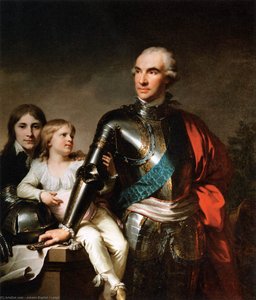
- Count Stanislas Felix Potocki and his Two Sons
Povezani članci
Idyllic Visions: Exploring the Pastoral Tradition in Western Art – Themes, Techniques & Enduring Appeal
Explore the rich history of pastoral art from classical Arcadia to contemporary interpretations. Discover key artists, themes & collecting tips at ArtsDot.
Idyllic Visions: Exploring the Pastoral Scene in Art History – From Arcadia to Modern Interpretations
Explore the captivating history of pastoral art from classical Arcadia to modern masterpieces. Discover key artists like Millet & Cole at ArtsDot. Find serene landscape paintings for your home.
Jean-Baptiste Pater: Rococo Charm & Ephemeral Beauty of 18th-Century France
Explore the captivating world of Jean-Baptiste Pater, a master of Rococo painting. Discover his elegant *fête galante* scenes and shimmering portraits – a glimpse into 18th-century French aristocracy. Learn about his legacy & find high-quality reproductions.

18th Century Masters: 10 Artworks That Define an Era | ArtsDot
Journey through 18th century art! Explore 10 iconic paintings – from Rococo elegance to Neoclassical grandeur. Discover Fragonard, David & more. Find museum-quality reproductions and elevate your home decor on ArtsDot.com.

Idyllic Visions: Exploring Pastoral Scenes in Art History – From Arcadia to Modern Interpretations
Explore the captivating history of pastoral art, from classical Arcadia to 19th-century masterpieces. Discover key artists like Millet & Cole and find serene landscape paintings for your home at ArtsDot.

