

 Pregledaj u prostoru
 Pošalji
 Podeli
 Detalji o delu

 Преузми
 Slični predmeti
 Rendgenski snimak
 Slajdovi
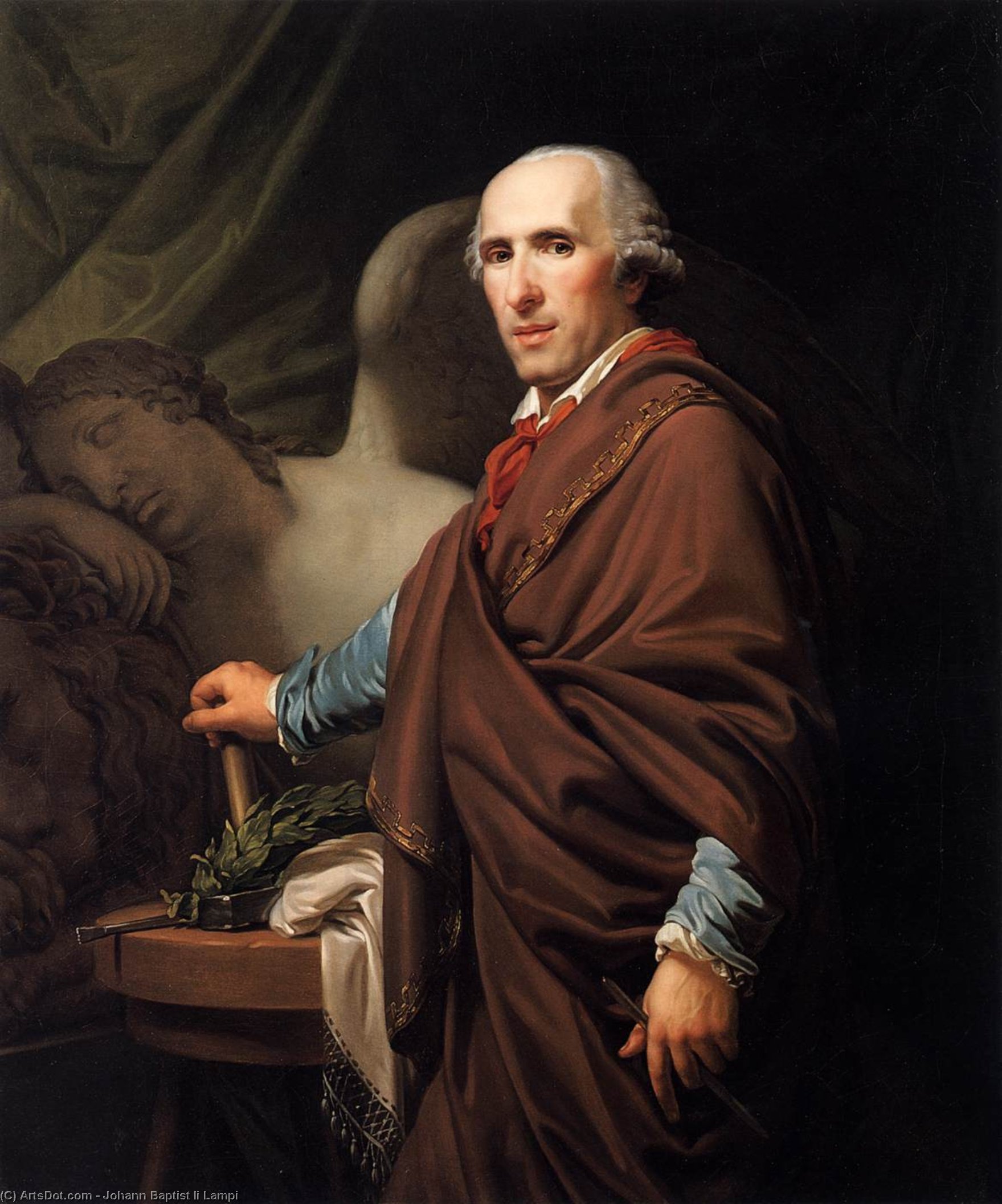
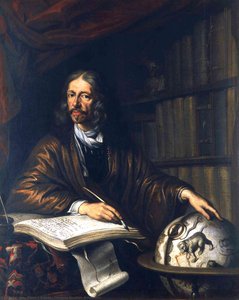
Portrait of Antonio Canova
 Oil On Canvas
- WallArt
- Neoclassical
 113.0 x 93.0 cm
 Academy of Fine Arts Vienna
 Pročitaj više
Kupite digitalnu sliku visoke rezolucije i poboljšanog kvaliteta, koja je znatno superiornija od onoga što vidite u online prikazu.
Svaka datoteka je pedantno pripremljena od strane naših stručnjaka koristeći napredne alate i profesionalnu ručnu retušu. Osiguravamo da svaka slika ima izuzetnu oštrinu, preciznu reprodukciju boja i fine detalje.
Konačna datoteka se dostavlja putem e-pošte u roku od 72 sata, optimizovana za neposrednu upotrebu u profesionalnim, izdavačkim i štamparskim okruženjima. To je isti kvalitet kojem veruju vrhunski studiji dizajna, izdavači i galerije.
Digitalna slika
Preuzmite datoteku visoke rezolucije za ličnu upotrebu, štampanje i kreativne projekte. ( Kupi print Kupi ručno naslikanu sliku)
Uključeno uz svaku porudžbinu digitalne slike
Profesionalna digitalna isporuka, zagarantovana
Kada odaberete ArtsDot.com, ne dobijate samo sliku – vi primate profesionalno unapređeno digitalno umetničko delo, izrađeno sa najvećom preciznošću i uz garanciju zadovoljstva. Evo svega što automatski dolazi uz vašu porudžbinu:

Brza dostava putem e-pošte
Vaša digitalna slika visoke rezolucije biće vam poslata putem e-pošte u roku od 72 sata od poručivanja – spremna za trenutnu upotrebu.

Digitalna datoteka unapređena veštačkom inteligencijom
Vaše umetničko delo je profesionalno optimizovano korišćenjem naprednih AI alata i ručne obrade, čime se osiguravaju maksimalni detalji, oštrina i preciznost boja.

Besplatna ponovna isporuka doživotno
Slučajno ste obrisali ili izgubili svoju datoteku? Ne brinite – poslaćemo vam je ponovo u bilo kom trenutku, potpuno besplatno.

Bez troškova uvoza – zauvek
Uživajte u svojim umetničkim delima trenutno, bez carine, dažbina ili troškova dostave – digitalni download je uvek bez poreza.

Garancija vernosti boja
Uz pomoć profesionalnih alata i upravljanja bojama, osiguravamo da vaša digitalna slika što vernije odražava originalne boje.

Garancija zadovoljstva u roku od 60 dana
Ako niste zadovoljni svojom digitalnom slikom, revidirat ćemo je ili vratiti 100% novca u roku od 60 dana – bez ikakvih pitanja.

100% garancija povrata novca
Niste zadovoljni? Obezbedite pun povrat novca u roku od 60 dana od trenutka kada ste primili svoju digitalnu datoteku – bez suvišnih pitanja.

Popusti na velike porudžbine
Kupite 3 slike, uštedite 10% - Kupite 5 slika, uštedite 15% - Kupite 10+ slika, uštedite 20%. Odlično za kreativne projekte, galerije i agencije.
The Enigmatic Gaze: Antonio Canova’s Portrait by Johann Baptist Lampi
Johann Baptist II Lampi's 1806 portrait of Antonio Canova is more than just a likeness; it’s a carefully constructed meditation on artistic genius, contemplation, and the very nature of creative inspiration. Housed within the hallowed halls of the Academy of Fine Arts Vienna, this oil-on-canvas masterpiece offers a rare glimpse into the mind of one of history's most celebrated sculptors, capturing Canova not merely as a figure, but as a man wrestling with his craft and the profound weight of artistic legacy.
Lampi’s skill lies in his masterful manipulation of light and shadow. The muted palette—a symphony of browns, grays, and subtle ochres—creates an atmosphere of quiet introspection. The artist doesn't employ dramatic contrasts; instead, he builds depth through delicate gradations, drawing the viewer into Canova’s world. Notice how the folds of the red cape seem to absorb light, while the highlights on the wig and face subtly illuminate his features, emphasizing a thoughtful expression. This restrained approach is characteristic of Lampi's style, rooted in the Neoclassical tradition but imbued with a distinctly personal sensitivity.
A Sculptor’s Moment
Canova himself, rendered in exquisite detail, appears lost in thought. His gaze is directed slightly off-camera, suggesting an engagement with something beyond the immediate scene—perhaps a memory, a concept, or simply the silent dialogue of his own creative process. The subtle furrow of his brow and the slight parting of his lips hint at the intensity of his concentration. The pose itself – seated, relaxed yet alert – is deliberately unostentatious, reflecting Canova’s preference for understated elegance in his work. It's a portrait that captures not just an appearance, but a state of mind.
Adding to the intrigue are the two angelic figures flanking Canova. These aren’t merely decorative elements; they represent the divine inspiration that fueled Canova’s extraordinary talent. Their presence elevates the portrait beyond a simple likeness, transforming it into a symbolic representation of the artist's relationship with his muse – a connection between human creativity and the realm of the sublime. The angels, rendered in a delicate, ethereal style, seem to offer silent encouragement, reinforcing the notion that Canova’s genius was not solely his own but bestowed upon him by a higher power.
Historical Context & Artistic Legacy
Lampi's portrait emerged during a pivotal period in European art history – the height of Neoclassicism. Inspired by the rediscovery of classical antiquity, artists like Canova sought to emulate the ideals of balance, harmony, and proportion that characterized Greek and Roman sculpture. Lampi’s work reflects this influence, evident in the carefully structured composition, the idealized features of Canova, and the overall sense of dignified restraint.
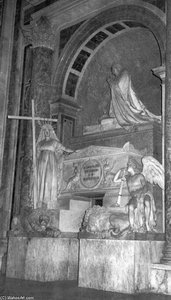
The portrait itself is a testament to Canova's own legacy. He was a titan of his time, renowned for sculptures such as “Pauline Bonaparte” and “Psyche Revived by Cupid’s Kiss.” Lampi’s depiction captures not only Canova’s physical appearance but also the aura of genius that surrounded him – a man who shaped the aesthetic sensibilities of an entire era. The work is further enriched by its connection to other significant pieces, such as the tomb sculpture of Maria Christina of Austria, which features a similar composition and thematic resonance.
Collecting a Masterpiece
Today, reproductions of Lampi’s “Portrait of Antonio Canova” offer art enthusiasts and collectors an opportunity to experience this remarkable work firsthand. ArtsDot specializes in meticulously crafted oil painting reproductions that faithfully capture the nuances of Lampi's original technique – from the subtle shading to the delicate brushstrokes. These reproductions are not mere copies; they are artistic interpretations, created by skilled artisans who share a deep appreciation for the beauty and power of this iconic portrait. Consider adding this evocative piece to your collection—a tangible reminder of the enduring legacy of Antonio Canova and Johann Baptist Lampi.
Srodna umetnička dela

Biografija umetnika
Johann Baptist II Lampi: Life and Legacy
Early Life and Artistic Training
- Johann Baptist II Lampi was born on December 31, 1751, in Romeno, Tyrol (modern-day Italy/Austria).
- He came from a family of artists; his father, Matteo (Mattia) Lampi, was a decorative painter known for frescoes.
- Lampi initially studied art under his father in Verona and later continued his education in Salzburg.
- In 1773, he moved to Trento where he honed his skills as a portraitist working with canvases and miniatures.
Career Development & Vienna
- Lampi traveled through Innsbruck and eventually settled in Vienna in 1786.
- His talent was recognized, and Emperor Joseph II appointed him a professor at the Vienna Academy.
- That same year, he received an invitation to work for King Stanisław II Augustus in Warsaw, marking a significant turning point in his career.
Warsaw & The Russian Empire
- Lampi flourished in Warsaw until the partitions of Poland disrupted artistic life there.
- In 1791, he relocated to St. Petersburg, Russia, where Empress Catherine II bestowed upon him a hereditary knighthood.
- This move proved incredibly lucrative; Lampi became highly sought after for his portraiture skills among the Russian nobility.
- He painted prominent figures including Empress Catherine II and Empress Maria Feodorovna.
Return to Vienna & Later Life
- Lampi returned to Vienna in 1797, becoming an honorary citizen of the city in 1799.
- He received a pension in 1822 and passed away on February 11, 1830, in Vienna.
Artistic Style & Influences
- Lampi’s style is characterized by realistic portraiture with attention to detail and a refined elegance.
- He was influenced by his father's decorative painting skills and the prevailing artistic trends of the late 18th century, including Neoclassicism.
- His work often reflects the grandeur and status of his aristocratic sitters.
Family Legacy & Sons
- Both of Lampi’s sons followed in his footsteps as accomplished painters.
- Johann Baptist III Lampi spent time with his father in Russia, continuing the family tradition there.
- Francesco (Franz Xaver) Lampi settled in Warsaw and became known as Franciszek Ksawery Lampi, establishing himself as a prominent artist in Poland.
Major Achievements & Historical Significance
- Lampi’s portraits provide valuable insights into the lives and appearances of European nobility during a period of significant political and social change.
- His success in both Vienna, Warsaw, and St. Petersburg demonstrates his adaptability and artistic skill.
- He played a key role in establishing portraiture as a prestigious art form within the Russian Imperial court.
- His work remains an important part of the artistic heritage of Austria, Poland, and Russia.

Johann Baptist II Lampi
1751 - 1830 , Austria
Kratke činjenice
- Birth Date: 1751-12-31
- Birth Place: Romeno, Tyrol
- Death Date: 1830-02-11
- Influenced:
- Johann Baptist III Lampi
- Francesco (Franz Xaver) Lampi
- Influenced By: Matteo (Mattia) Lampi
- Movement: Historical painting, Portraiture
- Name: Johann Baptist II Lampi
- Nationality: Austrian-Italian
- Notable Works:
- Portrait of Catherine II
- Count Stanislas Felix Potocki and his Two Sons

