

 Pregledaj u prostoru
 Pošalji
 Podeli
 Detalji o delu

 Преузми
 Slični predmeti
 Rendgenski snimak
 Slajdovi
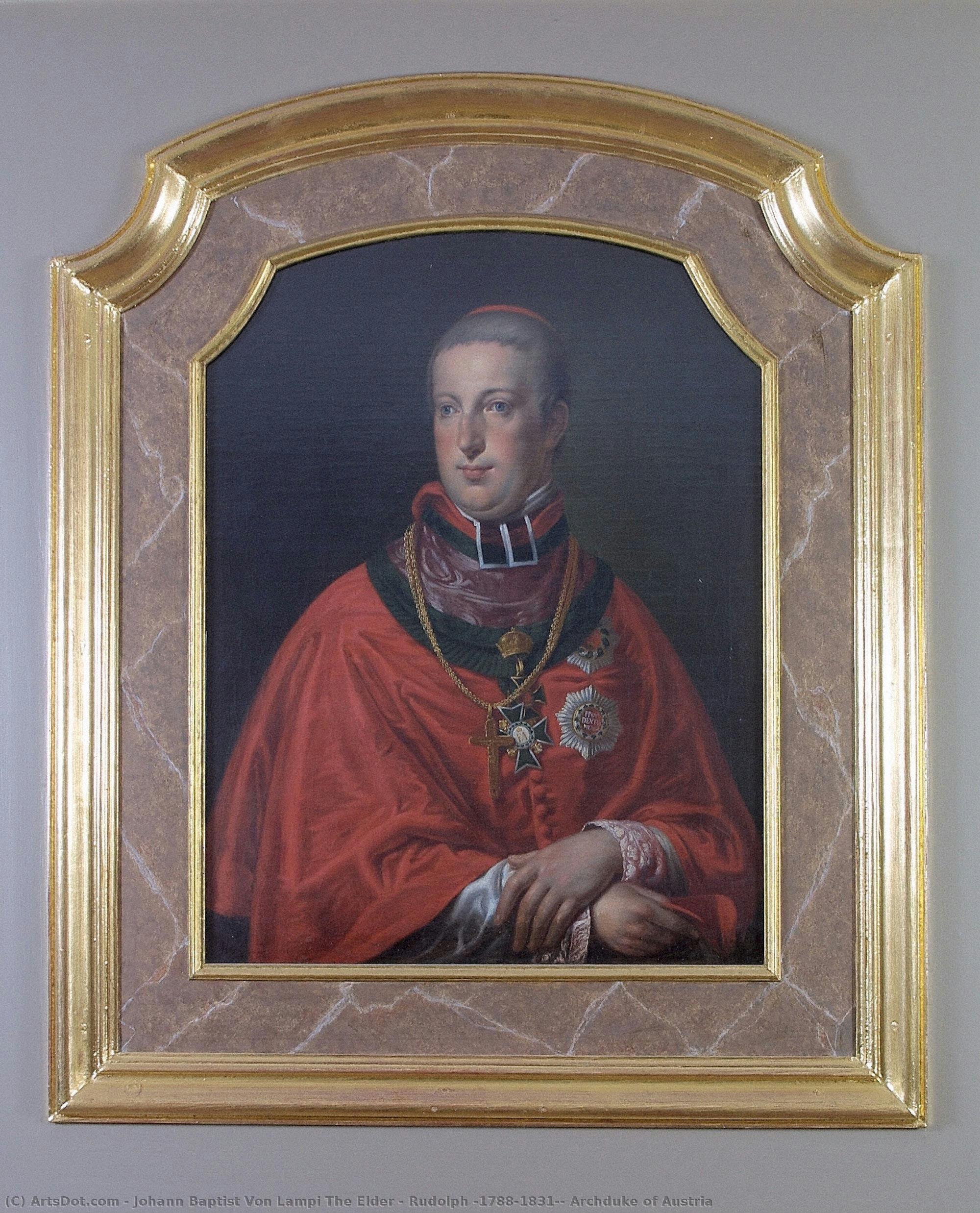
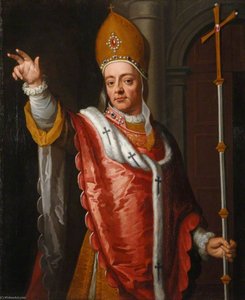
Rudolph (1788-1831), Archduke of Austria


 Pročitaj više
Kupite digitalnu sliku visoke rezolucije i poboljšanog kvaliteta, koja je znatno superiornija od onoga što vidite u online prikazu.
Svaka datoteka je pedantno pripremljena od strane naših stručnjaka koristeći napredne alate i profesionalnu ručnu retušu. Osiguravamo da svaka slika ima izuzetnu oštrinu, preciznu reprodukciju boja i fine detalje.
Konačna datoteka se dostavlja putem e-pošte u roku od 72 sata, optimizovana za neposrednu upotrebu u profesionalnim, izdavačkim i štamparskim okruženjima. To je isti kvalitet kojem veruju vrhunski studiji dizajna, izdavači i galerije.
Digitalna slika
Preuzmite datoteku visoke rezolucije za ličnu upotrebu, štampanje i kreativne projekte. ( Kupi print Kupi ručno naslikanu sliku)
Uključeno uz svaku porudžbinu digitalne slike
Profesionalna digitalna isporuka, zagarantovana
Kada odaberete ArtsDot.com, ne dobijate samo sliku – vi primate profesionalno unapređeno digitalno umetničko delo, izrađeno sa najvećom preciznošću i uz garanciju zadovoljstva. Evo svega što automatski dolazi uz vašu porudžbinu:

Brza dostava putem e-pošte
Vaša digitalna slika visoke rezolucije biće vam poslata putem e-pošte u roku od 72 sata od poručivanja – spremna za trenutnu upotrebu.

Digitalna datoteka unapređena veštačkom inteligencijom
Vaše umetničko delo je profesionalno optimizovano korišćenjem naprednih AI alata i ručne obrade, čime se osiguravaju maksimalni detalji, oštrina i preciznost boja.

Besplatna ponovna isporuka doživotno
Slučajno ste obrisali ili izgubili svoju datoteku? Ne brinite – poslaćemo vam je ponovo u bilo kom trenutku, potpuno besplatno.

Bez troškova uvoza – zauvek
Uživajte u svojim umetničkim delima trenutno, bez carine, dažbina ili troškova dostave – digitalni download je uvek bez poreza.

Garancija vernosti boja
Uz pomoć profesionalnih alata i upravljanja bojama, osiguravamo da vaša digitalna slika što vernije odražava originalne boje.

Garancija zadovoljstva u roku od 60 dana
Ako niste zadovoljni svojom digitalnom slikom, revidirat ćemo je ili vratiti 100% novca u roku od 60 dana – bez ikakvih pitanja.

100% garancija povrata novca
Niste zadovoljni? Obezbedite pun povrat novca u roku od 60 dana od trenutka kada ste primili svoju digitalnu datoteku – bez suvišnih pitanja.

Popusti na velike porudžbine
Kupite 3 slike, uštedite 10% - Kupite 5 slika, uštedite 15% - Kupite 10+ slika, uštedite 20%. Odlično za kreativne projekte, galerije i agencije.
Rudolph’s Regal Portrait: A Viennese Vision of Habsburg Legacy
Johann Baptist von Lampi the Elder's portrait of Rudolph Archduke Franz Karl Maximilian Joseph (1788-1831) stands as a cornerstone of Austrian Baroque and Romantic art, encapsulating the grandeur of the Habsburg monarchy during its zenith. Painted in 1825, this artwork transcends mere representation; it embodies a carefully crafted narrative of lineage, piety, and imperial aspiration.- Subject Matter: The portrait depicts Rudolph Archduke Franz Karl Maximilian Joseph, heir to the Austro-Hungarian throne, seated formally against a richly textured crimson drapery. His gaze is downward, conveying solemn contemplation rather than outward bravado – a deliberate choice reflecting the prevailing artistic sensibilities of the time.
- Style & Technique: Lampi’s style exemplifies the neoclassical influence tempered by Romantic idealism. He employs meticulous detail in rendering Rudolph's clothing and jewelry—particularly the ornate pectoral crucifix—demonstrating mastery of chiaroscuro, a technique perfected during his formative years under Francesco Lorenzi. The subdued palette contributes to an atmosphere of dignified restraint.
Historical Context: Catherine II’s Patronage & Habsburg Ascendancy
The painting's commission by Empress Catherine II of Russia underscores the Habsburg dynasty’s position as a dominant force in European politics. Catherine II, known for her fervent belief in divine providence and her patronage of artistic endeavors, recognized Lampi’s talent and entrusted him with immortalizing Rudolph’s likeness – a symbol of imperial stability amidst turbulent geopolitical shifts. This commission speaks to the broader cultural preoccupation with portraying rulers as embodiments of virtue and strength.- Symbolism: The crimson drapery symbolizes royal authority and nobility, while the pectoral crucifix serves as a potent emblem of faith—a cornerstone of Habsburg identity. Rudolph’s posture reflects the aristocratic ideal of composure and piety, aligning with the moral values championed by the Habsburg court.
Emotional Impact & Artistic Legacy
Beyond its formal elements, Lampi's portrait resonates with a profound emotional depth. The artist skillfully captures Rudolph’s inner stillness—a contemplative gaze that hints at weighty responsibilities and unwavering devotion. This portrayal exemplifies the Romantic preoccupation with psychological realism, elevating the portrait beyond mere likeness to convey an enduring sense of dignity and solemn grandeur. It remains a celebrated exemplar of Habsburg aristocratic portraiture, influencing subsequent generations of artists.- Conclusion: Rudolph’s Regal Portrait continues to captivate viewers today, offering a glimpse into the artistic conventions and political ambitions of a pivotal moment in European history. Lampi's meticulous technique and masterful composition solidify his place as one of Austria’s most distinguished portrait painters—a testament to the enduring power of art to communicate both visual splendor and profound human emotion.
Srodna umetnička dela


Biografija umetnika
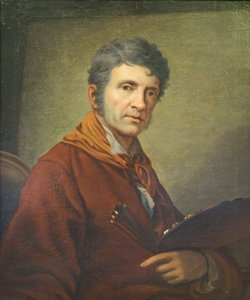
Johann Baptist von Lampi the Elder: A Polish Legacy Forged in Vienna and Russia
Born in Romeno, Italy, in 1751 – a place steeped in artistic tradition thanks to his father’s work as a decorative painter – Johann Baptist von Lampi the Elder (also known as Giovanni Battista Lampi) embarked on an extraordinary career that spanned continents and intertwined with the courts of Europe. His journey, marked by both classical training and a deep engagement with the burgeoning Romantic movement, ultimately established him as one of the most significant portrait painters of his era, particularly renowned for his depictions of nobility and imperial figures. Lampi’s life was not simply a chronicle of artistic achievement; it was a testament to adaptability, ambition, and the complex political currents shaping 18th and early 19th-century Europe.
Early influences were firmly rooted in the Italian Baroque tradition, particularly the work of Francesco Lorenzi, who taught him at Verona. Lampi’s initial style leaned towards a somewhat dry, academic classicism, evident in works like “Christ on the Cross” (1779), characterized by restrained colors and simplified forms. However, he quickly absorbed the influence of his Salzburg mentor, Peter Anton Lorenzoni, whose frescoes adorned numerous elegant buildings, introducing him to a broader range of subjects and techniques. This early exposure laid the groundwork for his later success in portraiture, where he skillfully combined classical ideals with a growing sensitivity to individual character.
Vienna Academy and Imperial Commissions
In 1786, Lampi’s talent caught the eye of the Emperor Joseph II, who appointed him a professor at the Vienna Academy. This marked a pivotal moment in his career, providing him with institutional support and access to a vibrant artistic community. It was during this period that he began to refine his technique, embracing a more dynamic approach while retaining a core commitment to classical principles. Notably, Lampi’s portrait of Empress Catherine II of Russia stands as a testament to his ability to capture the regal bearing and subtle nuances of powerful figures. This commission, along with others from the Russian court, cemented his reputation as a favored artist among European royalty.
Lampi's work for the Russian Empire was particularly significant. He not only painted portraits of Empress Catherine II but also became deeply embedded in the social and political life of St. Petersburg. The generous offer he received from Tsar Paul I – a substantial sum that effectively guaranteed his financial security – led him to settle permanently in Russia, where he continued to produce works for the imperial court and wealthy patrons. His style subtly adapted to the tastes of the Russian aristocracy, incorporating elements of Rococo elegance while maintaining a refined classical sensibility.
A Polish Connection and Romanticism
Despite his success in Russia, Lampi’s life was inextricably linked to Poland through his family history. His father had been invited to Warsaw by King Stanisław II Augustus in 1786, and Lampi himself followed shortly after, drawn by the promise of patronage and artistic opportunities. He quickly established a reputation as a skilled portraitist, capturing the likenesses of prominent figures within the Polish nobility. This period marked a shift towards a more expressive style, influenced by the emerging Romantic movement – a trend he embraced with increasing enthusiasm.
The influence of Romanticism is particularly evident in his later works, characterized by heightened emotion, dramatic lighting, and an interest in capturing the psychological depth of his subjects. His portraits of women, in particular, often convey a sense of vulnerability and inner strength – qualities that resonated deeply with the sensibilities of the era. He also produced evocative landscapes, reflecting the Romantic fascination with nature’s power and beauty. His son, Franciszek Ksawery Lampi, continued this legacy, establishing himself as a leading landscape and portrait artist in Poland.
Legacy and Artistic Significance
Johann Baptist von Lampi the Elder died in Vienna in 1830, leaving behind a substantial body of work that continues to be admired for its technical skill, elegance, and historical significance. His portraits offer invaluable insights into the lives and personalities of European royalty and nobility, while his landscapes capture the spirit of the Romantic era. His legacy extends beyond individual artworks; he represents a fascinating intersection of artistic traditions – Italian Baroque, Viennese Classicism, and Polish Romanticism – reflecting the complex cultural landscape of 18th and early 19th-century Europe. His works are now housed in museums across Germany and Poland, ensuring that his contributions to art history will be appreciated for generations to come.
For further exploration, consider visiting the Gemäldegalerie Alte Meister in Germany, where you can view a selection of Lampi’s portraits, including the iconic depiction of Empress Catherine II. Additionally, researching the works of his son, Franciszek Ksawery Lampi, provides valuable context to understanding the family's artistic lineage and their impact on Polish art.
johann baptist von lampi the elder
1751 - 1830 , Italy
Kratke činjenice
- Artistic Movement Or Style: Classicizing Portraiture
- Artists Or Movements Influenced By This Artist:
- Johann Baptist Lampi the Younger
- Franciszek Ksawery Lampi
- Artists Who Influenced This Artist:
- Francesco Lorenzi
- Tiepolo school
- Date Of Birth: December 31, 1751
- Date Of Death: February 11, 1830
- Full Name: Johann Baptist von Lampi the Elder”
- Nationality: Austrian-Italian
- Notable Artworks:
- Message by Ter Borch
- Perseus liberating Andromeda
- Pond in Tsarskoe Selo
- Portrait of Catherine II
- Place Of Birth: Romeno, Italy

