

 Pregledaj u prostoru
 Pošalji
 Podeli
 Detalji o delu

 Преузми
 Slični predmeti
 Rendgenski snimak
 Slajdovi
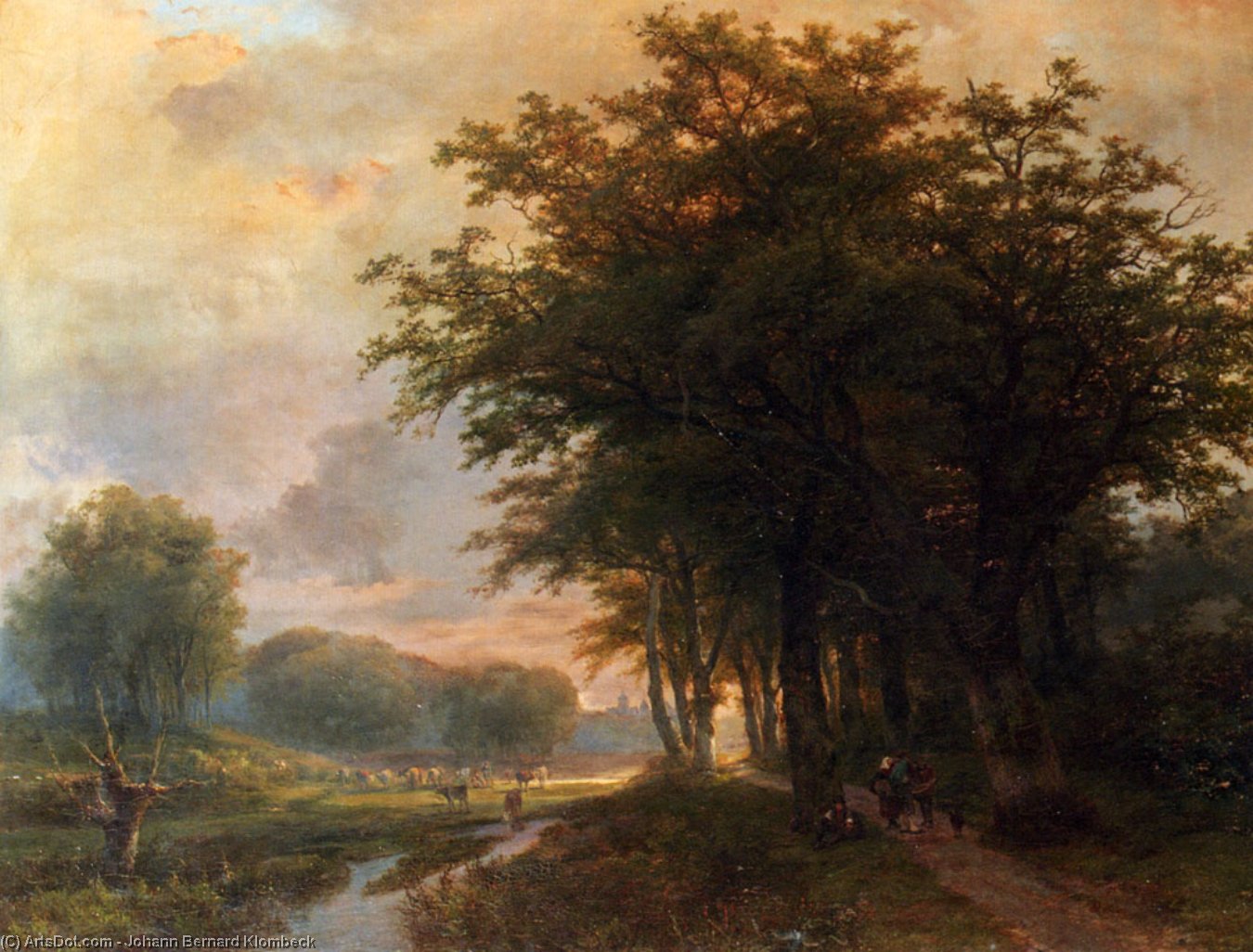
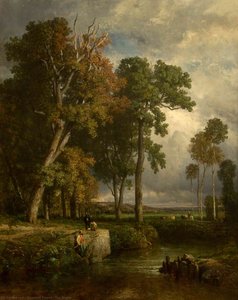
Wooded River Valley With Peasants On A Path
 Pročitaj više
Ručno rađena uljana reprodukcija
Ručno oslikano uljanim bojama na platnu u dimenzijama i okviru po vašem izboru, izrađeno po porudžbini od strane naših umetnika. ( Kupi print Kupi digitalnu sliku)




































Izaberite jednu od naših unapred definisanih veličina koje odgovaraju originalnim proporcijama umetničkog dela.

Можете унети сопствене димензије како бисте прилагодили дело одређеном оквиру или простору. Ако одабрана величина не одговара пропорцијама оригинала, слика ће бити исечена или проширена додатним елементима који се ручно насликавају. Дигитални prikaz ће вам бити послат на одобрење пре почетка производње.
Имајте на уму да преглед на екрану не одражава стварно исецање или проширење. Само приказ (mockup) ће тачно приказати коначну композицију.
Иако су доступне прилагођене величине, препоручујемо да одаберете димензију из дефинисане листе како бисте сачували оригиналне пропорције.
Nakon narudžbine, tim ArtsDot.com će klijentu putem e-pošte poslati uputstva i dostaviti prikaz predloženog rešenja
Isporuka širom sveta () za 3/4 nedelje umesto uobičajenih 5 nedelja. (24 август). Bez kompromisa po pitanju kvaliteta.

Besplatna ekspresna dostava širom sveta

Visokokvalitetno laneno platno

Kompletno osiguranje transporta

Garancija povraćaja carine i uvoznih dažbina

Garancija vernosti boja

Politika povrata u roku od 60 dana (samo u slučaju nedostataka)

Garancija povrata novca od 100%

Popust pri grupnoj kupovini
 Opcija sa staklom dostupna je samo za dimenzije manje od 110 cm

Wooded River Valley With Peasants On A Path
Tehnika reprodukcije
Dimenzije reprodukcije
-


Konačna cena
$ 263
Srodna umetnička dela

Biografija umetnika
Johann Bernard Klombeck: A Master of Wintry Landscapes
Born in Krefeld, Germany, in 1815, Johann Bernard Klombeck’s artistic journey was deeply rooted in the traditions of German Romanticism while simultaneously drawing inspiration from the established Dutch landscape painting style. His life and career unfolded primarily within the Rhineland region, a landscape he would repeatedly capture with remarkable detail and evocative emotion. While not as widely celebrated as some of his contemporaries, Klombeck’s serene winter scenes and meticulously rendered depictions of nature offer a unique window into 19th-century German art and its fascination with the sublime.
Klombeck's early artistic development was significantly shaped by his family background – his father was a master tailor – and, crucially, by the influence of Matthias Klevener Tinthoff, a painter who served as his half-uncle. This connection provided Klombeck with an invaluable apprenticeship, leading him to the Drawing Academy established in 1841 by Barend Cornelis Koekkoek, a prominent Dutch landscape artist. Koekkoek’s teachings instilled in Klombeck a deep appreciation for composition and technique, but it was Klombeck's own sensibility that ultimately defined his artistic voice – one characterized by a quiet contemplation of the natural world.
The Palette of Winter
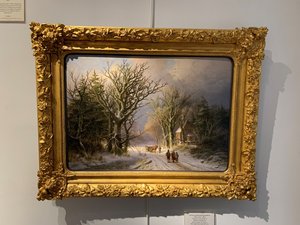
Klombeck’s oeuvre is overwhelmingly dominated by winter landscapes. These aren’t dramatic, tempestuous scenes; rather, they are imbued with a profound sense of stillness and melancholy. He masterfully employed muted tones – predominantly blues, greys, and whites – to capture the subtle shifts in light and shadow across snow-covered fields, frozen rivers, and dense forests. His brushwork is remarkably precise, meticulously detailing every twig, blade of grass, and ripple on a frozen surface. This attention to detail wasn’t merely decorative; it served to heighten the sense of realism and invite the viewer into the very heart of the winter scene.
The influence of Dutch Golden Age landscape painting is readily apparent in Klombeck's work. He adopted many of their compositional strategies – the use of a distant horizon line, the inclusion of small architectural elements (often farmhouses or bridges) to provide scale and context, and a focus on capturing atmospheric effects. However, unlike the often heroic or dramatic landscapes favored by his Dutch predecessors, Klombeck’s scenes possess a distinctly German sensibility—a quiet introspection and a reverence for the beauty of the natural world.
Subjects and Themes
Klombeck's paintings frequently depict rural landscapes – rolling hills, dense forests, and meandering rivers. He often included figures in his compositions: shepherds tending their flocks, peasants working the land, or solitary travelers traversing the wintry terrain. These human elements, though present, are typically secondary to the landscape itself, serving as a means of grounding the viewer in the scene and emphasizing its scale and grandeur. The recurring motif of the “wintry avenue” – a long, winding path through a snow-laden forest – is particularly characteristic of his work, evoking a sense of both isolation and tranquility.
Beyond winter scenes, Klombeck also produced paintings depicting summer landscapes, though these are considerably less numerous. These works demonstrate a similar commitment to detail and a comparable sensitivity to light and atmosphere. The shift in palette—towards warmer hues—reflects the changing season, but the underlying mood remains consistently contemplative.
Legacy and Recognition
Despite not achieving widespread fame during his lifetime, Johann Bernard Klombeck’s work is now recognized as an important example of German Romantic landscape painting. His meticulous attention to detail, combined with a profound understanding of light and atmosphere, elevates his paintings beyond mere depictions of nature; they are imbued with a quiet emotional power. His dedication to capturing the subtle beauty of winter landscapes offers a valuable counterpoint to the more dramatic and overtly expressive works of other Romantic artists.
Klombeck’s legacy is further cemented by his role as an educator, founding a drawing academy in Kleve in 1841. This institution served as a training ground for aspiring artists and contributed to the development of artistic talent within the Rhineland region. Today, his paintings can be found in private collections and museums throughout Germany, offering viewers a glimpse into the serene beauty of a bygone era.
johann bernard klombeck
1815 - 1893 , Germany
Osnovne informacije
- Artistic Movement Or Style: Romantic Landscape
- Artists Or Movements Influenced By This Artist: ['Dutch Landscape Painting']
- Artists Who Influenced This Artist: ['Barend Cornelis Koekkoek']
- Date Of Birth: 1815, Krefeld, Germany
- Date Of Death: 1893
- Full Name: Johann Bernard Klombeck
- Nationality: German
- Notable Artworks:
- Wooded River Valley
- Summer
- Winter
- Place Of Birth: Krefeld, Germany

